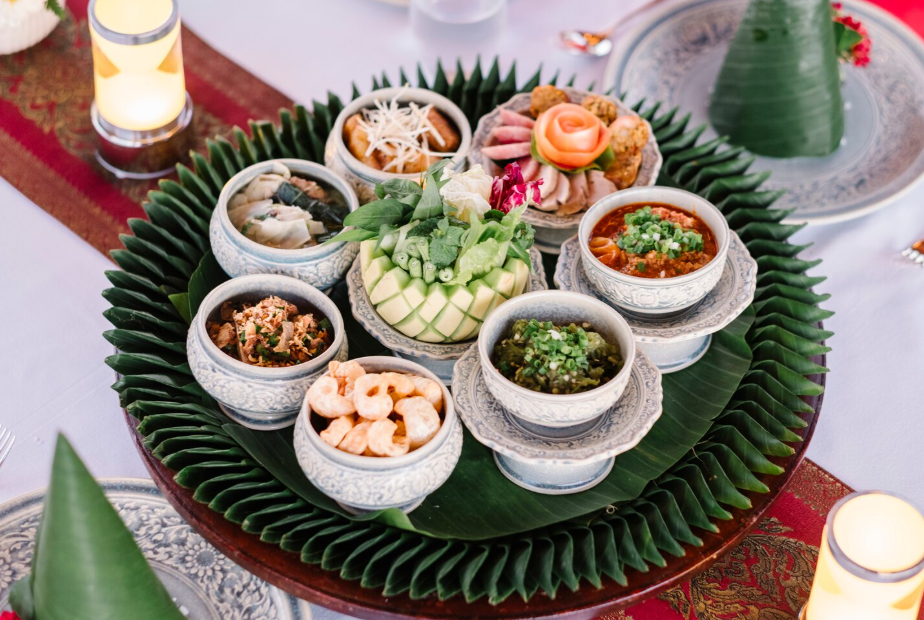
Bali is a feast for the senses, where the scent of roasted spices and fresh herbs fills the air. Its cuisine is bold, complex, and distinct from that of other parts of Indonesia. If you are wondering what to eat in Bali in 2026, the answer goes far beyond standard hotel dining.
From vibrant night markets to elegant heritage restaurants, every meal tells a story of culture and tradition. In this guide, you will discover the must-try dishes, signature flavors, and the best places to experience the true taste of the Island of the Gods.
Understanding Balinese Spices and Flavors
To truly appreciate what to eat in Bali, you must first understand the foundation of the cuisine. Unlike Javanese food, which often leans towards sweetness, Balinese food is defined by a complex spice paste known as Basa Genep. This is the mother sauce of the island. It involves a labor-intensive blend of up to 15 ingredients.
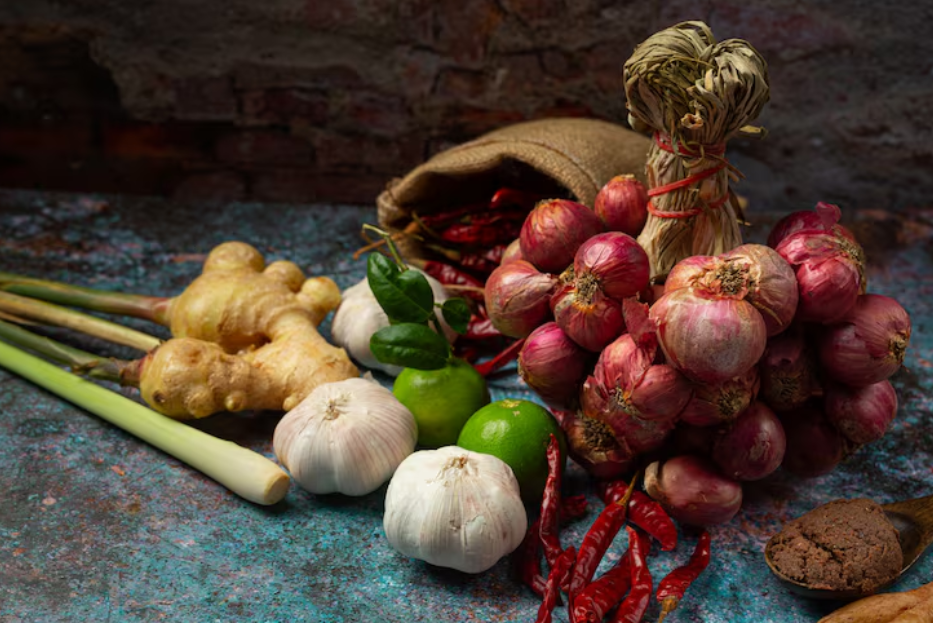
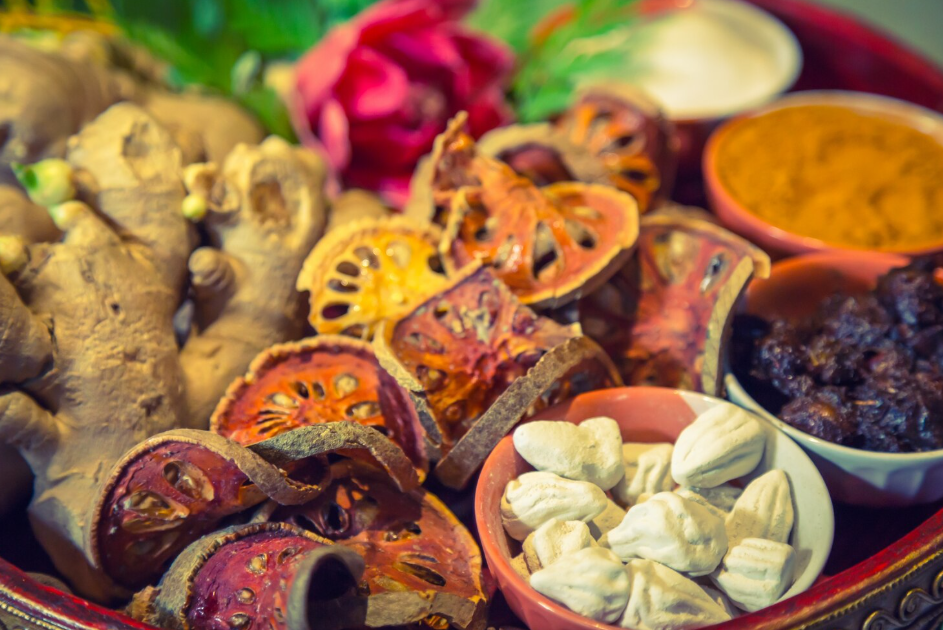
The mix typically includes galangal, turmeric, ginger, and aromatic ginger (kencur). It also features shallots, garlic, chilies, and shrimp paste (terasi). These wet ingredients are ground together using a flat stone mortar and pestle. They are then sautéed in coconut oil to release their fragrance.
This base is used to marinate meats, flavor vegetables, and create the rich curries that define the local palate. When you take your first bite of a Balinese dish, you are tasting a centuries-old tradition of balancing heat, salt, savoriness, and acidity.
Top 11 Must-Try Balinese Dishes
The following list outlines the island’s culinary pillars. These are the dishes that define the local culture. We have curated this list to include both street-side favorites and elevated heritage experiences.
1. Bebek Betutu (Slow-cooked Duck) – Recommended at Roso Restaurant
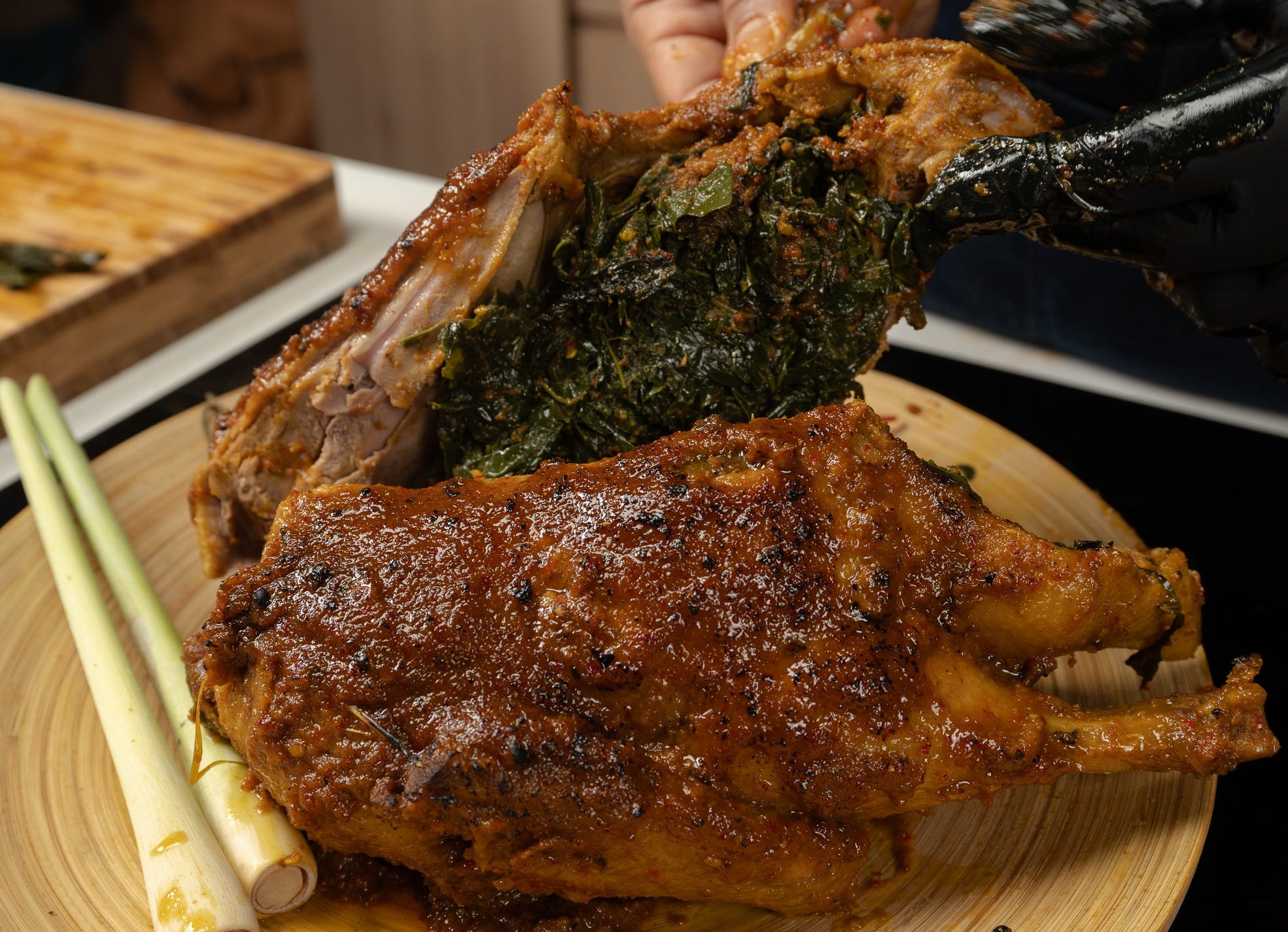
Bebek Betutu is the most iconic ceremonial dish on the island. It is a slow-cooked masterpiece. The duck is rubbed with Basa Genep. It is then wrapped in banana leaves or betel nut bark. The meat is buried in a fire husk or slow-roasted for up to 12 hours. This results in meat that falls off the bone. It is infused with smoky and spicy aromatics.
Visit Roso Restaurant at the Bali Beach Hotel for the definitive experience in 2026. Roso is not just a dining venue. It is a tribute to Indonesian identity. The restaurant serves as a premier Family Destination. It creates a welcoming space where all generations can share the rich flavors of Bali. It celebrates the national motto “Unity in Diversity”.
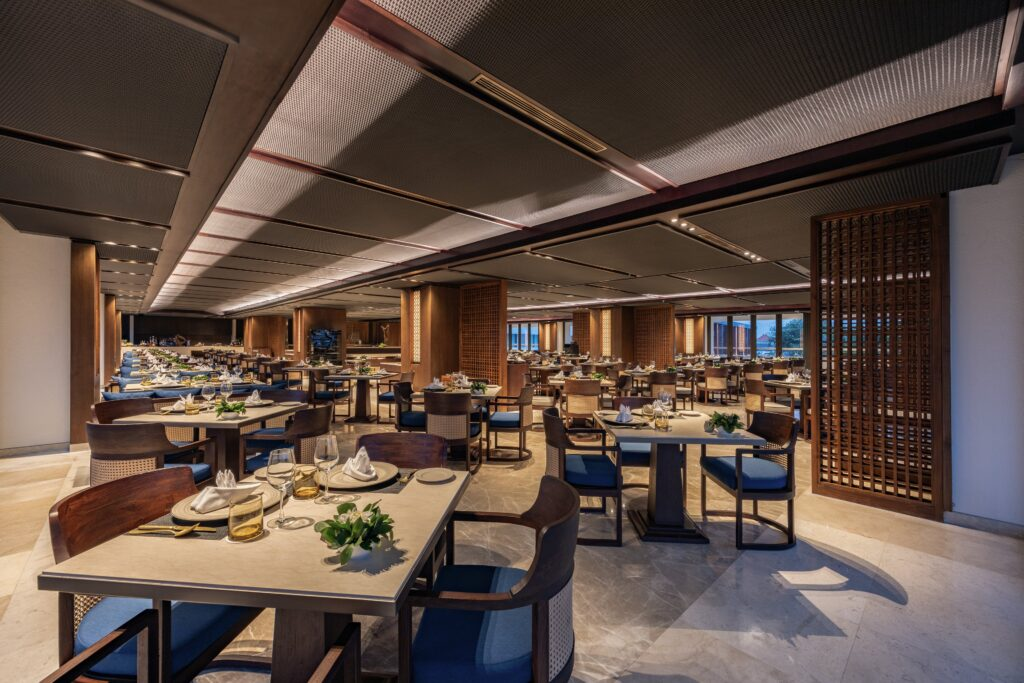
The chefs here have elevated the duck experience. You should order the Nasi Goreng Bebek. This is a wok-fried rice dish featuring egg and pulled marinated duck. It is seasoned with yellow spice. It captures the essence of Betutu without the 12-hour wait.
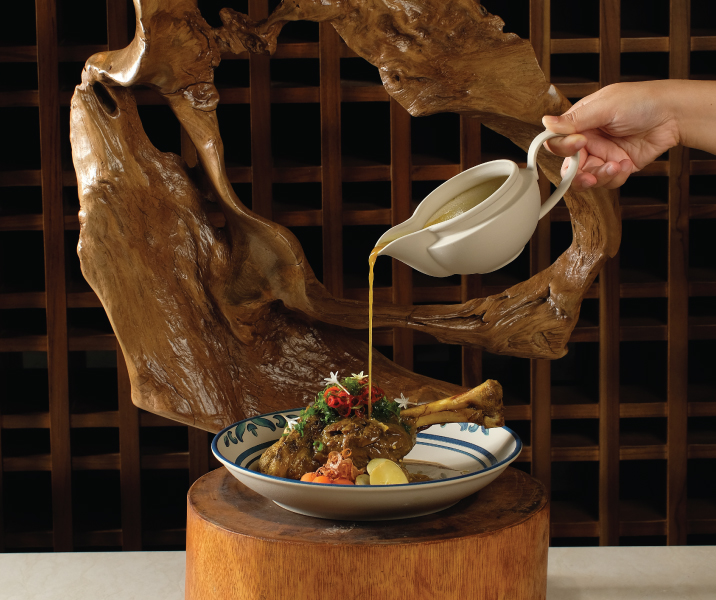
Alternatively, try the Bebek Goreng Bumbu. This consists of local duck fried to crispy perfection. It is served with savory coconut and candlenut. It also includes turmeric and steamed vegetables. The dish is accompanied by a raw mango chili relish. This helps cut through the richness of the meat.

Your meal is not complete without experiencing Jamu. This is a vital part of the culinary journey in Bali. Jamu refers to traditional herbal concoctions. These recipes have been passed down from ancestors. Roso is a Family Destination that presents these traditional recipes with a modern style. The ritual is meditative. It encourages guests of all ages to interact with nature.

We recommend the Kunyit Asam. It is a blend of turmeric and tamarind. It also contains palm sugar and cloves. This drink is famously anti-inflammatory. Another excellent option is Beras Kencur. It features galangal and white rice.
Visit the Detox Library section of the menu for a modern twist. The Exciting Day mix includes carrot and green apple. It also features pineapple and honey. The Perfect Recover combines turmeric and ginger. It includes carrots, oranges, and lemon.
2. Nasi Goreng (Indonesian Fried Rice) – Arunika Restaurant (Meru Sanur)
While Nasi Goreng can be found on every corner, finding the perfect version requires a special setting. This is Indonesia’s national dish. It involves stir-frying rice with sweet soy sauce (kecap manis), shallots, garlic, and tamarind. It is often voted one of the world’s most delicious foods.
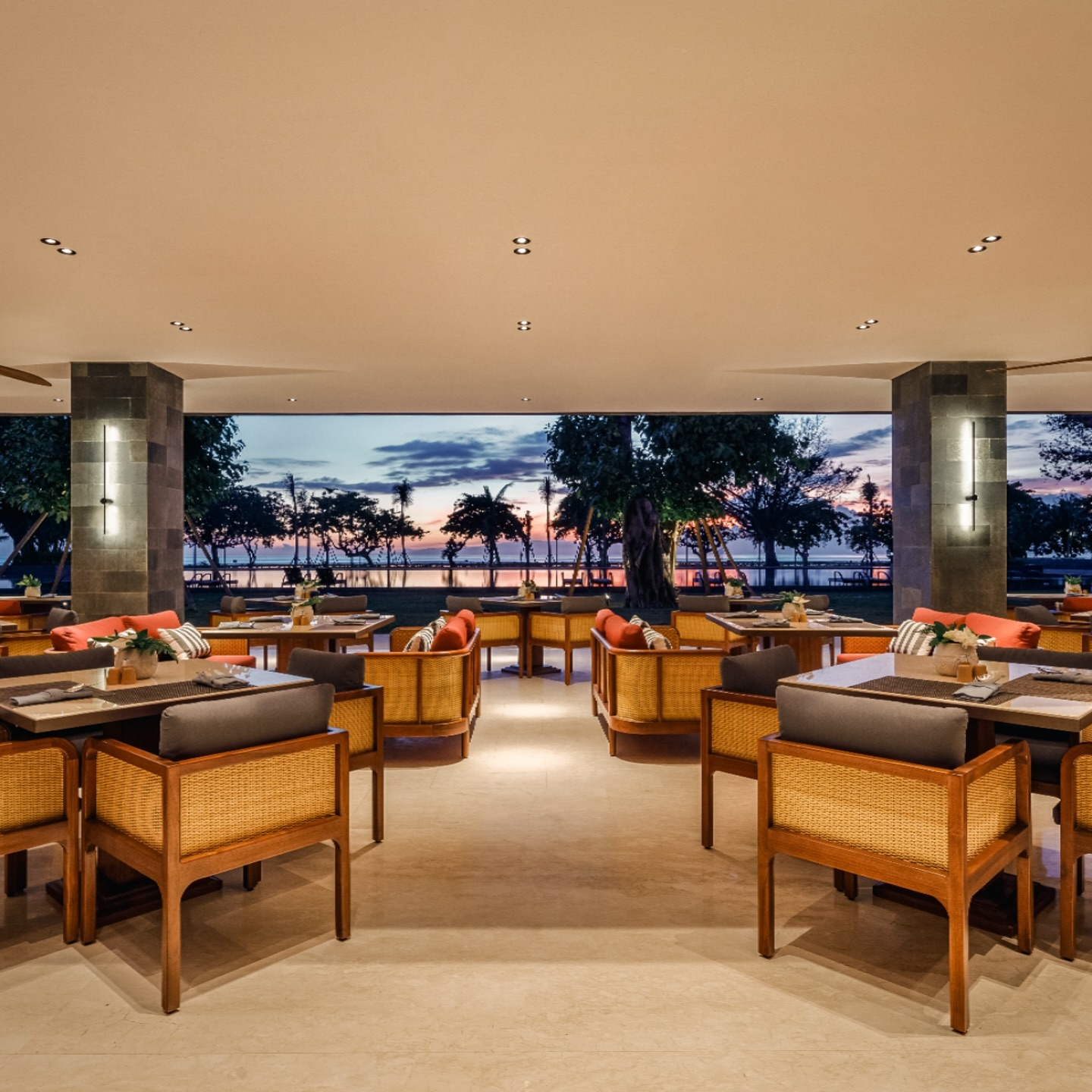
For a refined experience, head to Arunika Restaurant at The Meru Sanur. The setting is crucial to the enjoyment here. Arunika is nestled beside a vast pool in the heart of the lush tropical gardens. It showcases live cooking stations and an extensive selection of local and international cuisines. This serene spot is ideal for all-day relaxation and offers a perfect gathering place for friends and family.
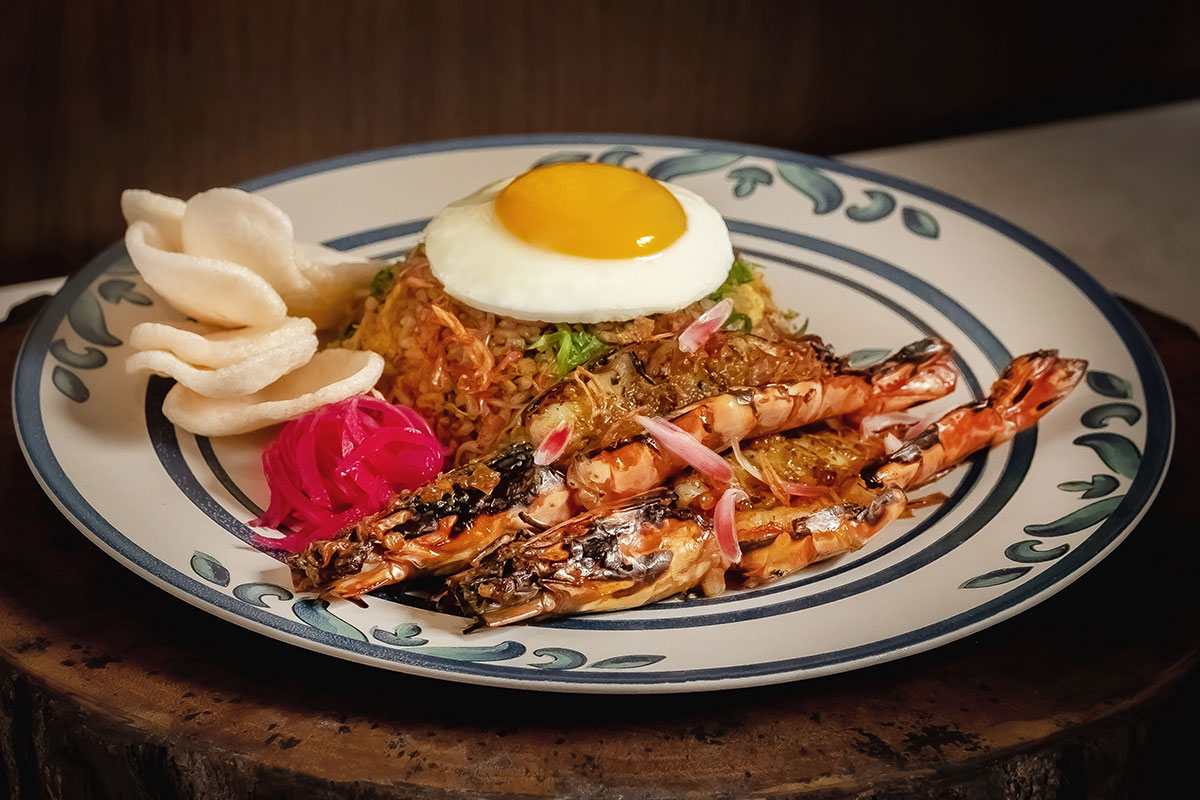
The menu features a classic Nasi Goreng (IDR 180,000 / approx. $11.50 USD). It is prepared with vegetables and fried egg rice. It comes with premium sides including prawn, fried chicken, beef satay, and a prawn cracker.
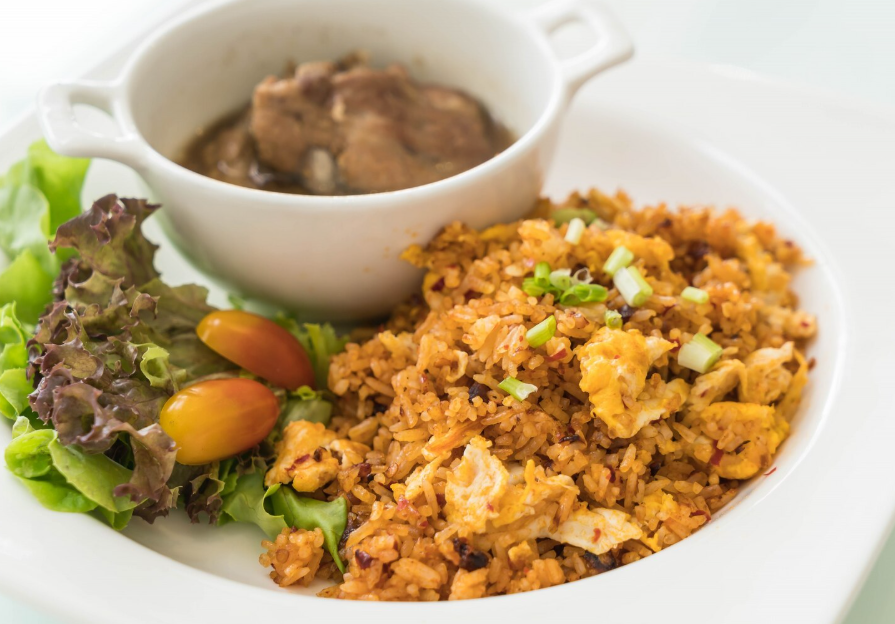
For something more robust, try the Nasi Goreng Buntut (Oxtail fried rice). This version is served with a spicy green sambal and emping (bitternut) crackers. It is a luxurious take on a humble classic.
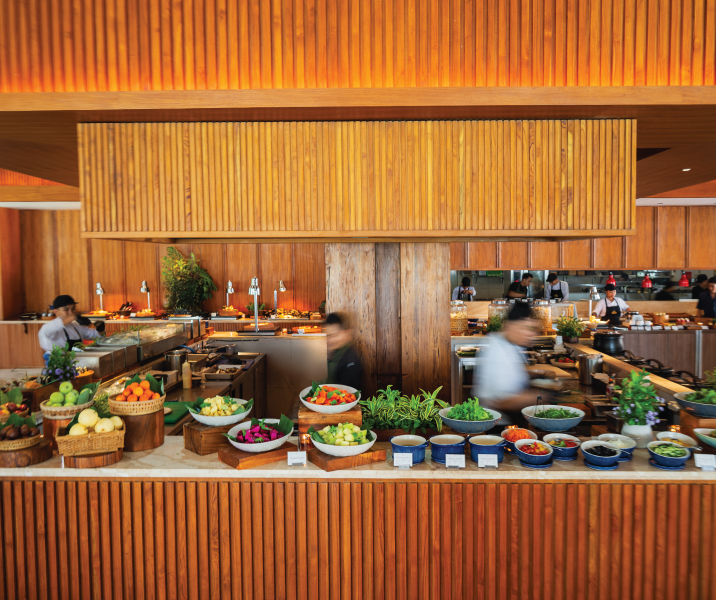
After savoring the rich spices of the Nasi Goreng, the experience at Arunika continues with a dessert menu that rivals fine European patisseries. The setting beside the pool calls for something refreshing yet indulgent. You might be tempted by the Unbaked Cheesecake, a delicate creation served with a passion fruit blanket and mango compote that perfectly matches the tropical breeze.

For chocolate lovers seeking complexity, the signature Wood Trunk offers a sophisticated blend of Earl Grey milk chocolate mousse, paired with slow-baked soursop curd and rich chocolate gelato.

Alternatively, those seeking a lighter finish can opt for the Healthy Berries Treat, a blueberry semifreddo with cashew nut date bars, ensuring your culinary journey ends on a sweet, balanced note.
3. Babi Guling (Suckling Pig) – Warung Babi Guling Sanur
If you ask any resident in Bali what to eat, they will almost certainly point you toward Babi Guling. This is a culinary anomaly in Indonesia, which is a majority-Muslim country. However, the Hindu culture of Bali makes pork a central staple of the diet. The preparation is a theatrical process in which a whole pig is stuffed with a spice blend of ginger, turmeric, and garlic, then hand-turned over an open flame for several hours.
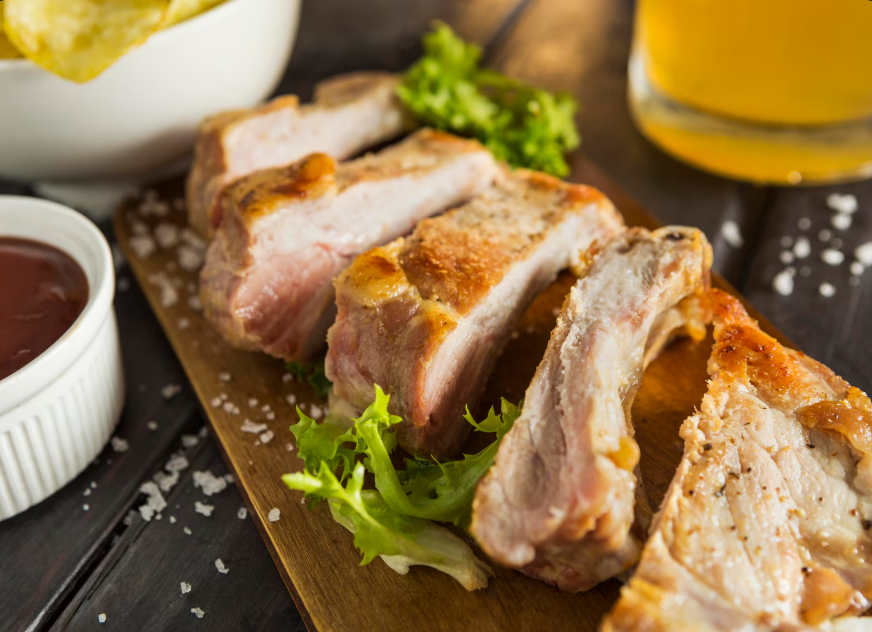
The skin is the most coveted part because it achieves a texture similar to shattered glass. Underneath, the meat remains tender and succulent from the constant basting of turmeric water. A complete portion usually includes slices of the loin, fried intestines, blood sausage (urutan), and a spicy vegetable lawar. In Sanur, you can find authentic versions that have served the community for decades. We suggest arriving before 1:00 PM because the best portions often sell out quickly.
- Warung Babi Guling Sanur: Jl. Danau Buyan No.17, Sanur
- Babi Guling Karya Rebo: Jl. Kediri No.36, Kuta
- Babi Guling Ibu Oka: Jl. Suweta No.1, Ubud
- Babi Guling Pak Malen: Jl. Sunset Road No.5, Seminyak
- Babi Guling Candra: Jl. Teuku Umar No.140, Denpasar
4. Sate Lilit (Minced Meat Satay) – Available Everywhere
While standard satay involves chunks of meat on a skewer, Sate Lilit is a distinctly Balinese creation. The base consists of minced meat (usually mackerel fish, chicken, or pork) mixed with freshly grated coconut and a rich coconut milk reduction. The spice profile is complex, featuring lime juice, shallots, and bird’s eye chilies.
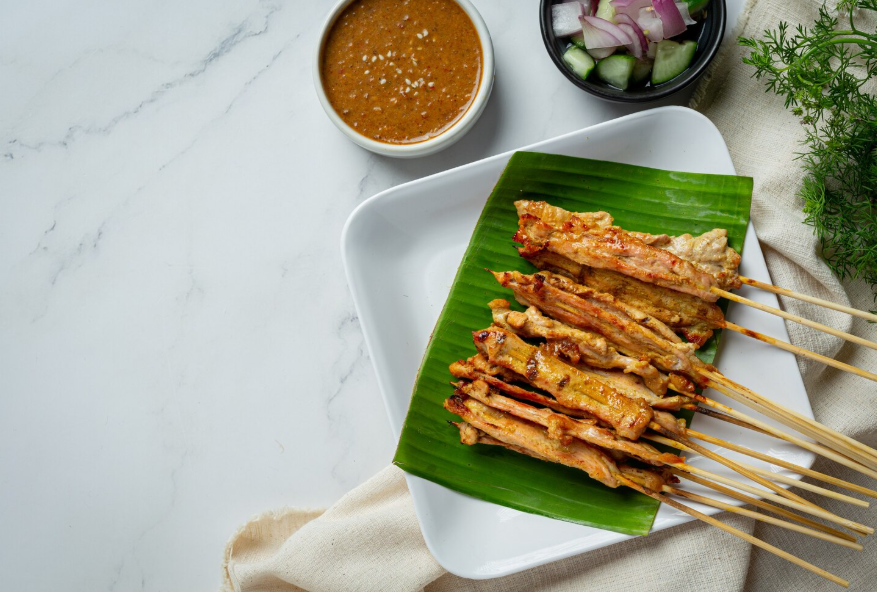
Instead of a thin bamboo splinter, the meat is wrapped or “lilit” around a wide bamboo flat or a fragrant lemongrass stalk. When grilled over coconut husks, the lemongrass core releases a subtle citrus oil into the meat. It is savory, soft, and less spicy than other local staples. It is a signature appetizer at both Roso and Arunika. We recommend trying the fish version for the most authentic coastal flavor profile.
- Roso Restaurant: Bali Beach Hotel, Jl. Hang Tuah, Sanur
- Arunika Restaurant: The Meru Sanur, Jl. Hang Tuah, Sanur
- Warung Be Pasih: Jl. Pemelisan Agung No.2, Sanur
- Sate Bali: Jl. Wenara Wana, Ubud
- Warung Classic: Jl. Munduk Tengah, Pererenan
5. Ikan Bakar Jimbaran (Grilled Fish) – Jimbaran Bay
For many travelers, the ultimate answer to what to eat in Bali involves a table on the sand at Jimbaran Bay. Ikan Bakar refers to fish that is marinated in a “bumbu” paste of garlic and ginger before being grilled over dry coconut husks. This traditional fuel source provides a much higher heat and a sweeter smoke than standard wood charcoal.
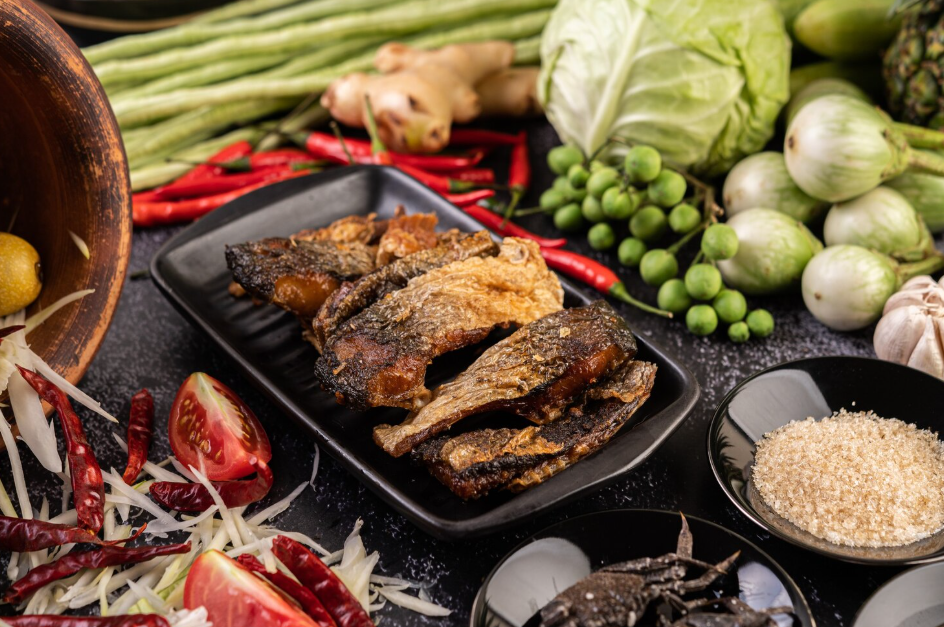
The experience is centered around Muaya Beach, where rows of seafood cafes set up tables just meters from the tide. You can select your fish fresh from the tanks (usually red snapper or grouper) and pay by the kilogram. Each order comes with a basket of steamed rice, local vegetables, and the essential three-sauce condiment set. We suggest visiting at approximately 5:30 PM to secure a front row seat for the sunset.
- Menega Cafe: Jl. Four Seasons Hotel, Muaya Beach, Jimbaran
- Lia Cafe: Jl. Pemelisan Agung, Jimbaran
- Warung Amphibia: Jl. Segara Ayu, Sanur
- Ikan Bakar Cianjur: Jl. Cokroaminoto No.167, Denpasar
- Kisik Seafood Bar: AYANA Resort, Jl. Karang Mas Sejahtera, Jimbaran
6. Lawar (Mixed Vegetables & Meat)
When exploring what to eat in Bali, Lawar is a must-try traditional dish that showcases the island’s complex spice culture. It is a finely chopped mixture of long beans, young jackfruit, and grated coconut, tossed with minced meat and an aromatic blend of Balinese spices. Texture plays a central role, creating a balance between crunch, richness, and herbal freshness.
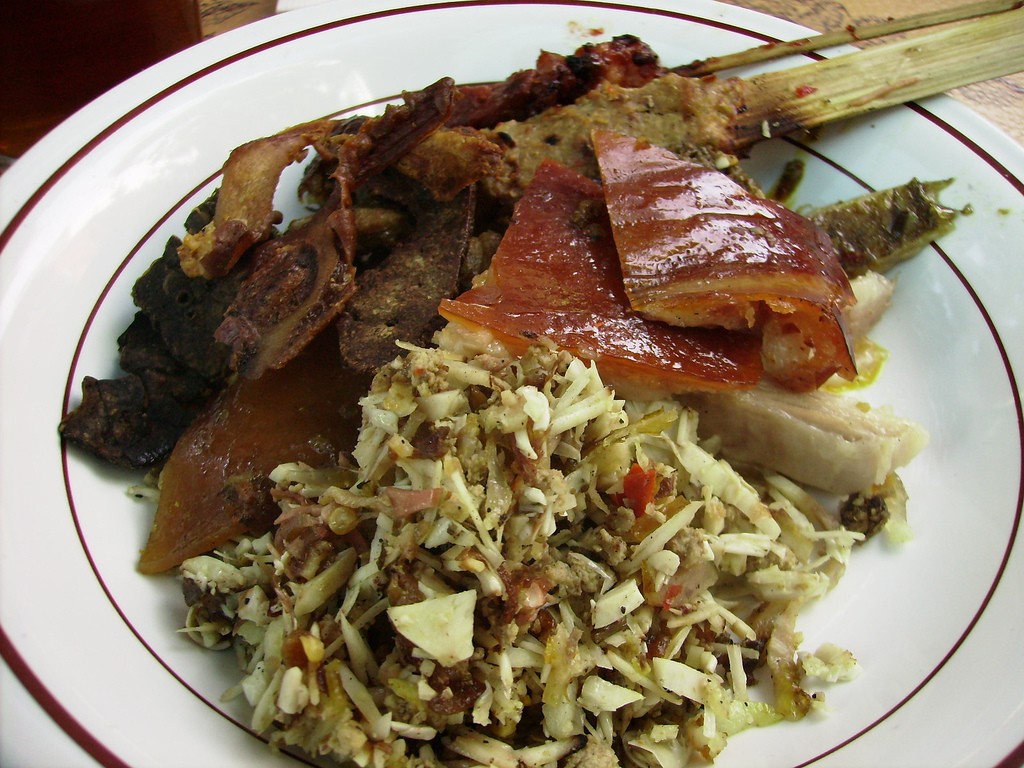
You will find two distinct versions across the island. Lawar Putih (White) is the safer choice for newcomers, relying on coconut milk for creamy richness. Lawar Merah (Red) is the traditional version that uses fresh animal blood to create a deep, savory, mineral-forward flavor. It is labor-intensive and typically served alongside Babi Guling or Nasi Campur. If you are deciding what to eat in Bali for the first time, the white version offers a lighter, more citrus-forward introduction.
Where to Try Lawar:
- Warung Lawar Kuwir Bu Wit – Jl. Panjaitan No.31, Denpasar
- Warung Nasi Bali Men Weti – Jl. Segara Ayu, Sanur
- Warung Bali – Jl. Raya Seminyak No.50, Seminyak
- Warung Nasi Campur Ibu Ani – Jl. Danau Tamblingan, Sanur
- Lawar Bali Kartika – Jl. Kartika Plaza, Kuta
7. Nasi Campur Bali (Mixed Rice) – Warung Wardani
If you want to experience the full spectrum of Balinese flavors in a single sitting, Nasi Campur is the perfect choice. This iconic “mixed rice” platter features a central scoop of white rice surrounded by five to seven side dishes, including shredded chicken betutu, sate lilit, lawar, vegetables, sambal, and crispy chicken skin.
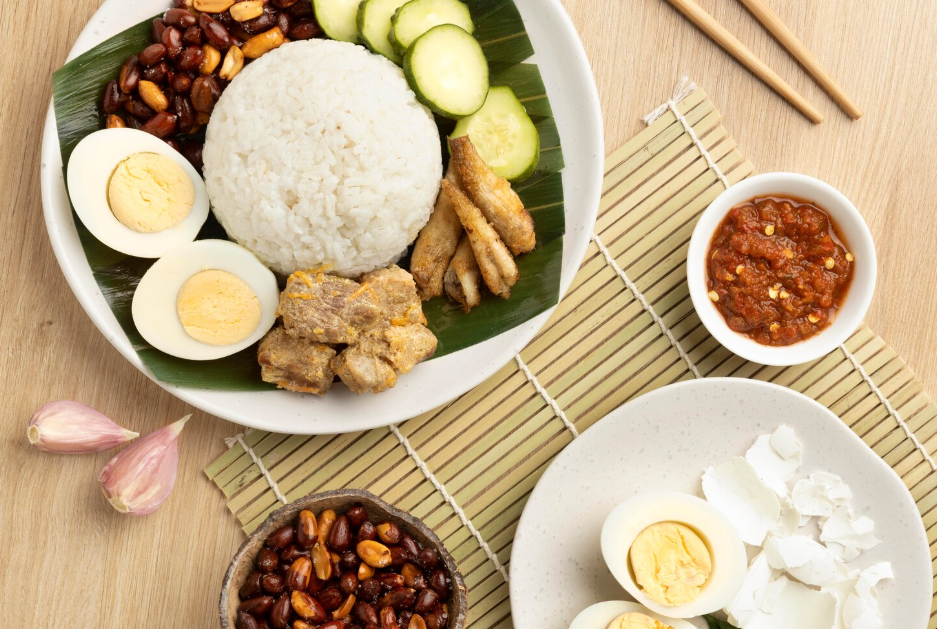
It is the daily lunch of choice for millions of Balinese locals. Warung Wardani Sanur is one of the most respected names for this dish, known for consistent quality and balanced spice levels. We recommend ordering the “Nasi Campur Spesial” for the widest variety of proteins and vegetables.
Other Recommended Spots:
- Made’s Warung – Jl. Raya Seminyak, Seminyak
- Warung Little Bird – Jl. Danau Tamblingan No.34, Sanur
- Nasi Ayam Kedewatan Ibu Mangku – Jl. Raya Kedewatan No.18, Ubud
- Warung Bu Mi – Jl. Pantai Batu Bolong No.52, Canggu
8. Pisang Goreng (Fried Banana) – Street Snack
Balinese bananas, especially the small “pisang raja” variety, are much sweeter and denser than the common supermarket banana. When deciding what to eat in Bali for a snack, the fried banana is an undisputed favorite. The fruit is dipped in a light batter of rice flour and lime water before being deep-fried until the natural sugars caramelize.
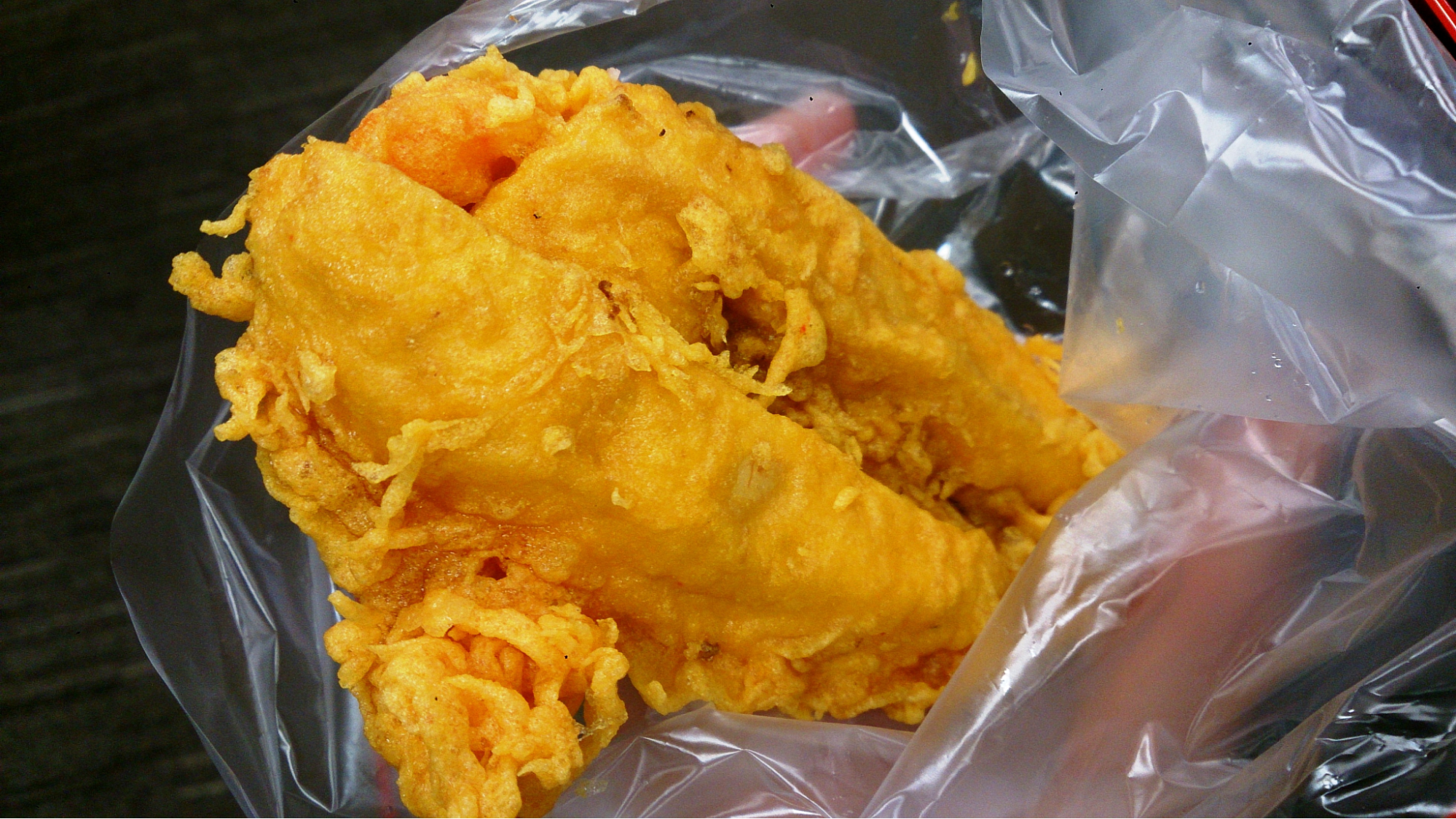
In Sanur, you can find street vendors starting their fryers around 4:00 PM. While it is delicious on its own, many modern cafes serve it with a drizzle of palm sugar syrup or a scoop of vanilla gelato. It is the quintessential accompaniment to a cup of hot Balinese coffee. We recommend eating them while they are still hot to enjoy the contrast between the crispy shell and the molten fruit.
- Sindhu Night Market: Jl. Danau Tamblingan, Sanur
- Kopi Bali House: Jl. Bypass Ngurah Rai No.4, Sanur
- Rai Pastry: Jl. Danau Poso, Sanur
- Biku: Jl. Petitenget No.888, Seminyak
- Street Vendor Stalls: Jalan Danau Poso (After 4 PM), Sanur
9. Sambal Matah (Raw Shallot & Lemongrass Chili) – Must-Have Condiment
This is the soul of Balinese cooking and appears at almost every meal. Unlike the cooked, pasty sambals found in Java, Sambal Matah is a raw salsa. It is made by finely slicing shallots, lemongrass, and bird’s eye chilies. These are mixed with shrimp paste, lime juice, and a splash of hot coconut oil.
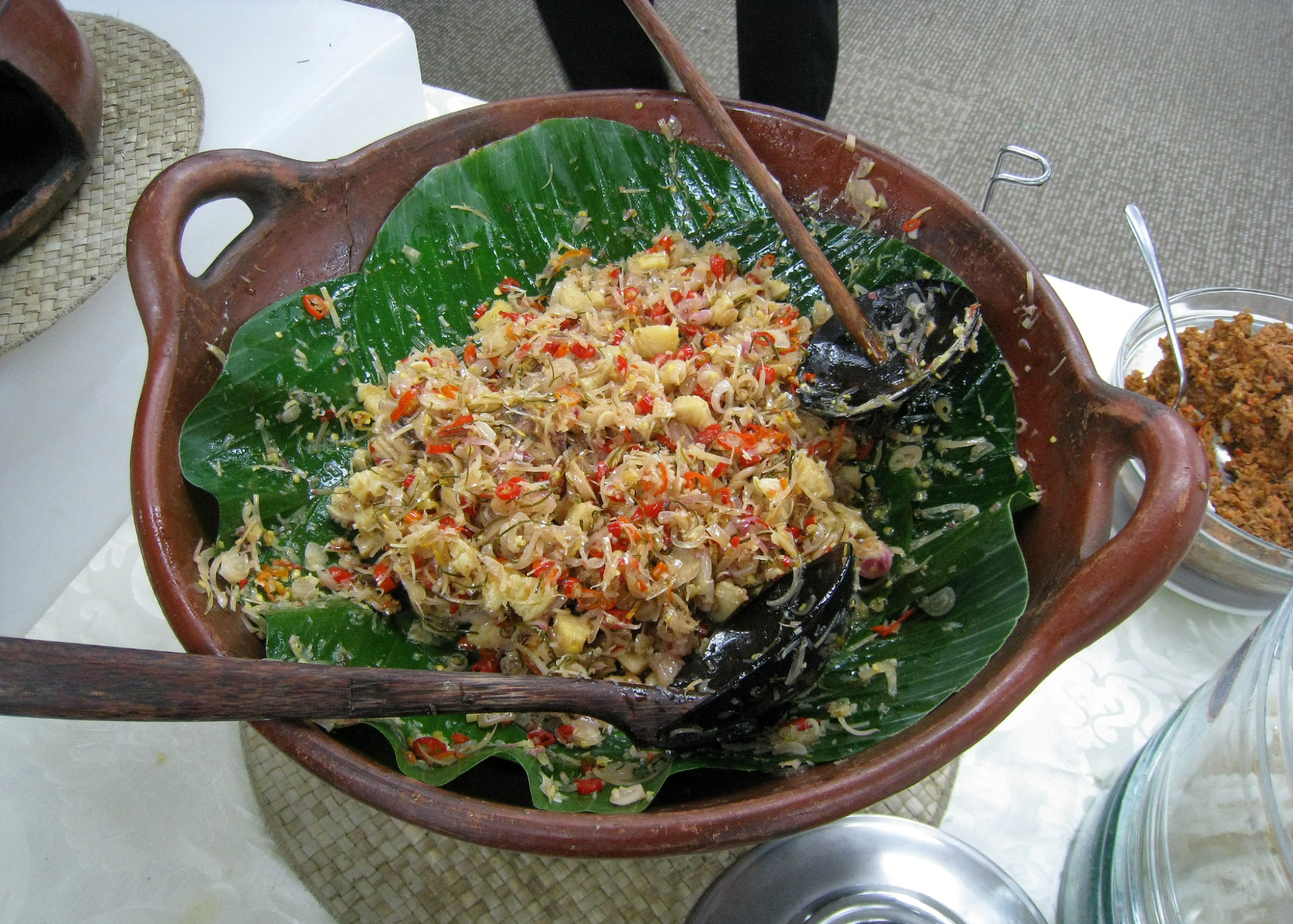
The result is a condiment that is incredibly fragrant, spicy, and citrusy all at once. It is designed to cut through the fat of grilled meats or fried fish. You will find this served in small bowls at Roso and Arunika. We suggest using it sparingly at first because the raw chilies can be significantly hotter than they appear.
- Roso Restaurant: Bali Beach Hotel, Jl. Hang Tuah, Sanur
- Arunika Restaurant: The Meru Sanur, Jl. Hang Tuah, Sanur
- Sindhu Night Market: Jl. Danau Tamblingan, Sanur
- Bambu Restaurant: Jl. Petitenget No.198, Seminyak
- Locavore To Go: Jl. Dewisita, Ubud
10. Tipat Cantok (Rice Cake with Peanut Sauce) – Local Favorite
For those seeking a vegetarian answer to what to eat in Bali, Tipat Cantok is a nutritious and satisfying option. Tipat refers to rice that has been boiled inside a diamond-shaped pouch of woven palm leaves. This creates a dense, cake-like texture. Cantok means “to grind” in the local dialect.
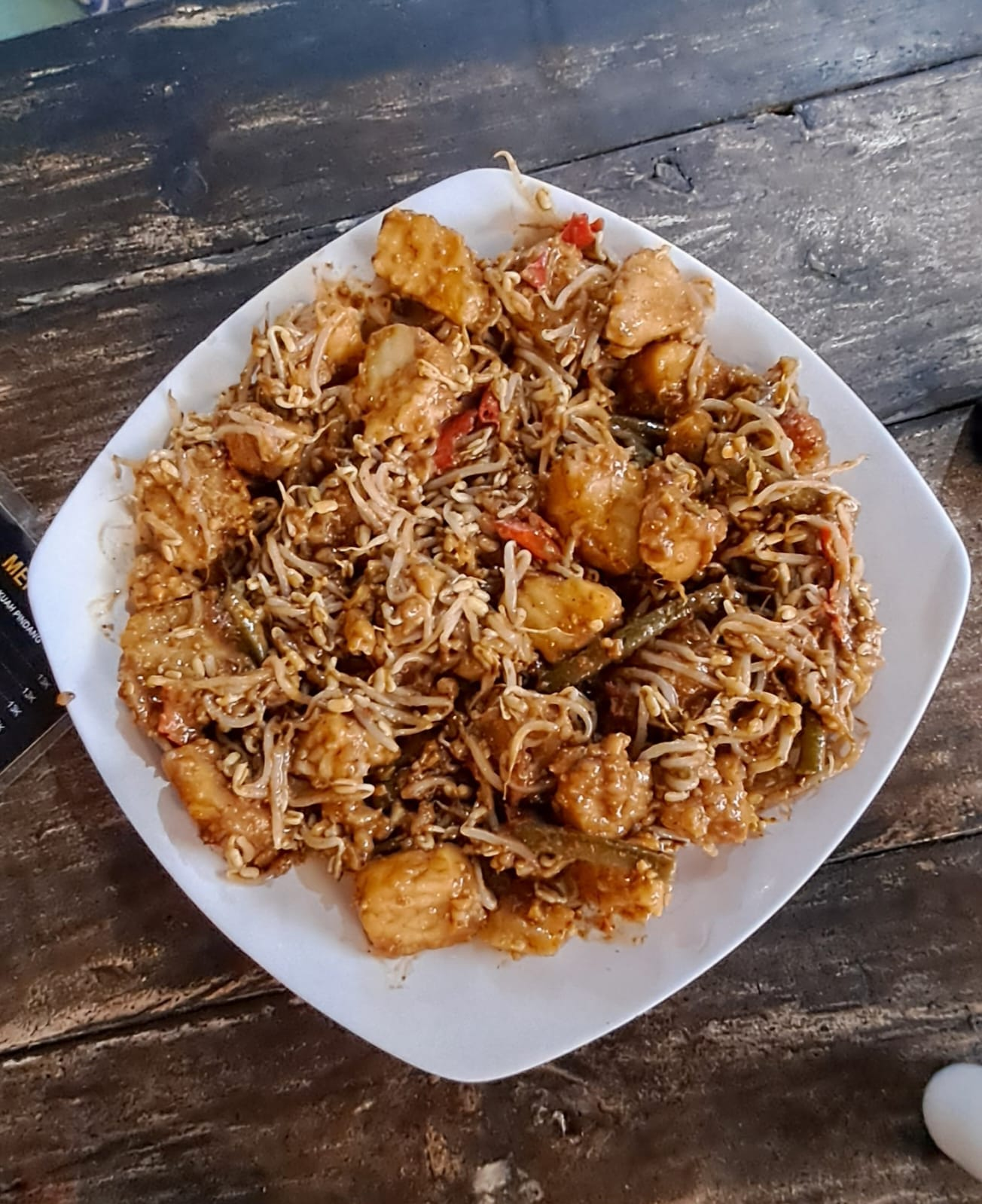
The dish is prepared to order in a stone mortar. The vendor grinds fried peanuts, garlic, and chilies into a thick paste, then adds water spinach and bean sprouts. The rice cakes are sliced and tossed into the sauce to soak up the flavors. It is a humble street food that is surprisingly filling. We recommend asking for “sedang” (medium) spice if you want to enjoy the creaminess of the peanuts without too much heat.
- Warung Tipat Cantok: Jl. Danau Buyan, Sanur
- Sindhu Night Market: Jl. Danau Tamblingan, Sanur
- Warung Sopa: Jl. Sugriwa No.36, Ubud
- Warung Bu Mi: Jl. Pantai Batu Bolong, Canggu
- Warung Gado Gado: Jl. Camplung Tanduk, Seminyak
11. Jajanan Pasar (Traditional Market Cakes) – Sindhu Night Market
To understand the sweet side of the island, you must explore the “market snacks.” These colorful treats are usually made from glutinous rice flour and coconut. The most famous is Klepon, which is a small green ball coated in shredded coconut and filled with liquid palm sugar.
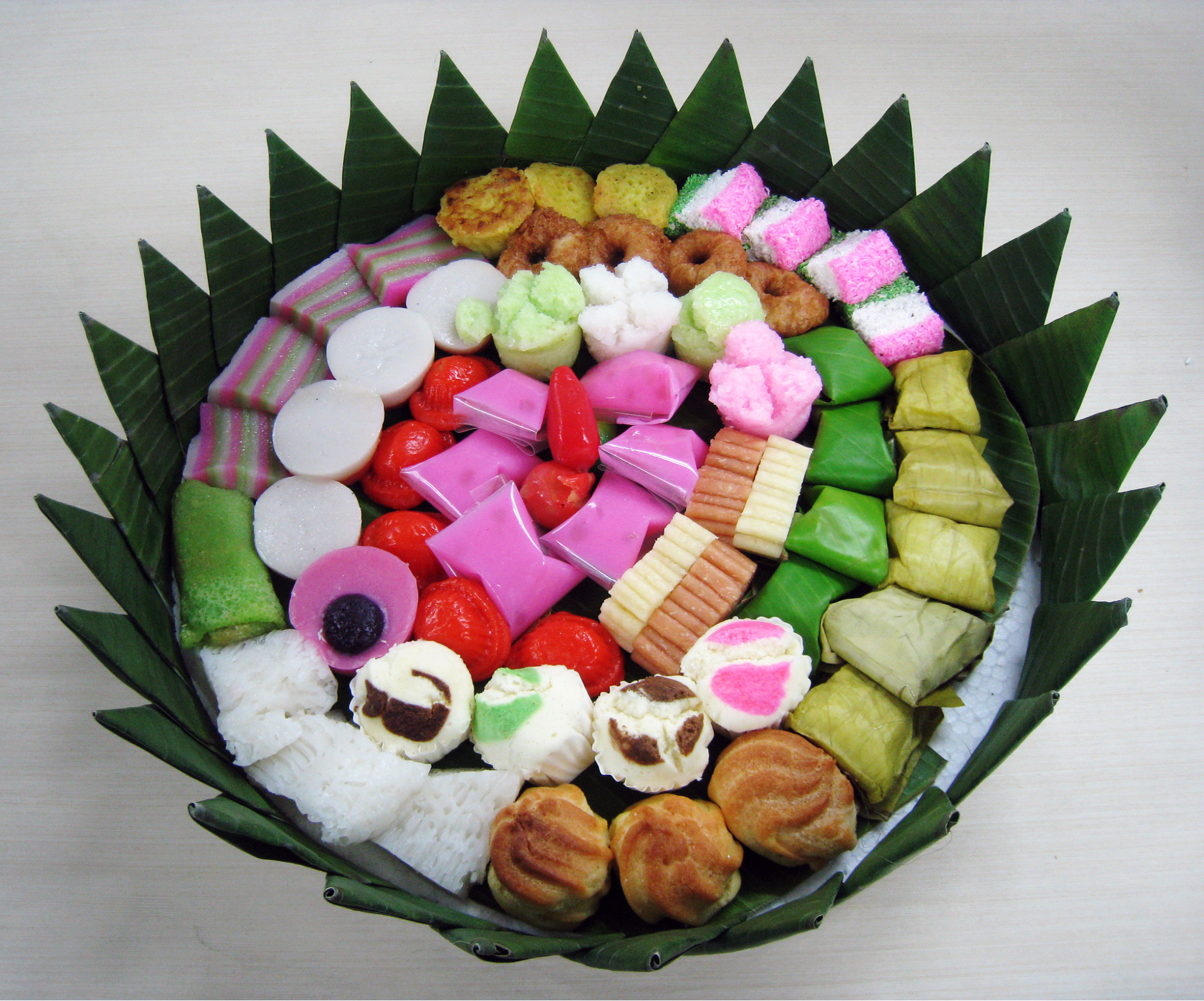
When you bite into a Klepon, the warm sugar bursts inside your mouth. Another popular choice is Dadar Gulung, a green crepe rolled with a sweet coconut filling. These snacks are sold for approximately $0.15 to $0.25 USD per piece at local morning markets. We suggest visiting the Sindhu Night Market to see the vendors assembling these treats fresh in front of you.
- Sindhu Night Market: Jl. Danau Tamblingan, Sanur
- Pasar Badung: Jl. Sulawesi No.1, Denpasar
- Sari Remaja: Jl. Danau Poso, Sanur
- Pasar Kumbasari: Jl. Gajah Mada, Denpasar
- Traditional Morning Market: Jalan Danau Tamblingan (Before 9 AM), Sanur
Essential Tips for Dining in Bali
Dining in Bali is safe, diverse, and full of flavor. A few simple precautions will help you enjoy the island’s culinary scene without discomfort.
The “Bali Belly” Precaution
Food hygiene standards have improved significantly, especially in established restaurants and hotels such as The Bali Beach Hotel and The Meru Sanur. However, tap water is not safe to drink. Always choose bottled or properly filtered water.
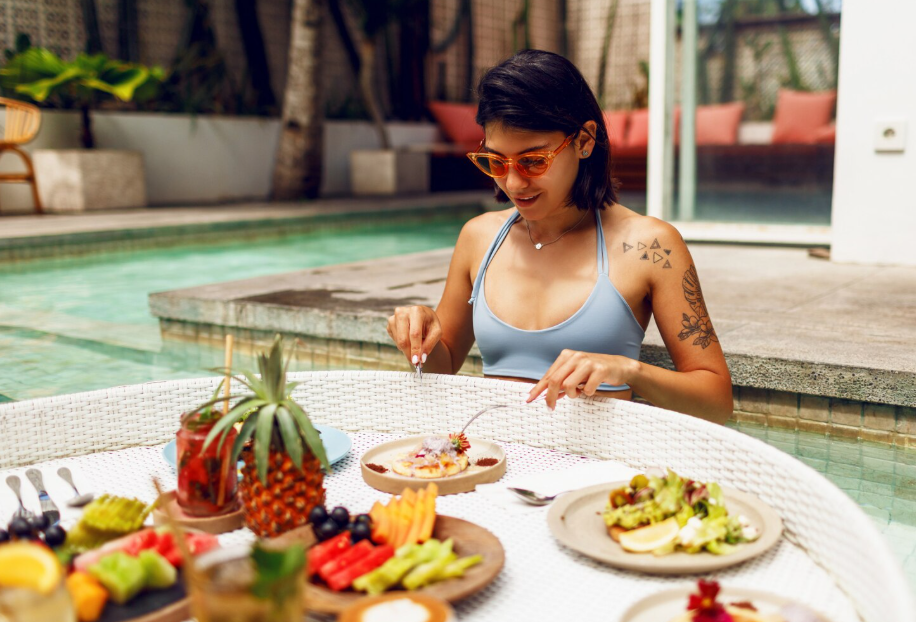
When enjoying street food, select stalls that are busy with locals. High turnover usually means fresher ingredients and safer preparation.
Understanding Spice Levels
Balinese cuisine can be quite spicy. If you prefer mild flavors, ask for “tidak pedas” (not spicy) or “sedang” (medium). Keep in mind that even medium may feel hot if you are not used to chili. Sambal, the traditional chili paste, is often served on the side so you can adjust the heat to your preference.
Halal and Non-Halal Considerations
Since Bali is predominantly Hindu, pork dishes are common. Travelers who require Halal food should look for the green Halal certification logo at restaurants. Options such as Ayam Betutu and Ikan Bakar are often suitable, but it is always best to confirm ingredients and preparation methods with staff.
Tipping Culture

Tipping in Bali is appreciated but not mandatory. Many upscale restaurants automatically include a 21 percent tax and service charge. At smaller local eateries, rounding up the bill or leaving small change is considered a polite gesture.
Conclusion
Hopefully, this article has given you the most comprehensive and detailed look at what to eat in Bali in 2026. Understanding the spice blends, heritage dishes, and reputable venues will help you feel more confident in your planning. You can turn your dining experience into a truly free journey of discovery where you master every flavor and time your meals perfectly.
To make the journey even more complete and comfortable, the Bali Beach Hotel in Sanur will be the ideal “home” welcoming you back after every culinary adventure. Book your room today to enjoy comfortable resort space by the beautiful Sanur Beach. You can experience thoughtful service at Roso and Arunika, and be ready for the emotional roads ahead as you explore Balinese cuisine!
FAQs
Is Balinese food spicy?
Yes, traditional Balinese food relies heavily on fresh chilies. However, most hotels and restaurants can adjust the spice level to suit international palates.
Where is the best place to eat Babi Guling?
Authentic warungs (local eateries) are the best places. In Sanur, Warung Babi Guling Sanur is highly rated. In Ubud, Ibu Oka is the most famous, though it is quite touristy.
Are there vegetarian options for Balinese food?
Absolutely. Dishes like Gado-Gado, Tipat Cantok, and Tempeh Manis (sweet, spicy fermented soy cake) are delicious and completely vegetarian.
Is street food safe in Bali?
Generally, yes. Look for stalls with high turnover. Avoid food that looks like it has been sitting out in the sun for hours. Stick to cooked foods served hot.
Does The Bali Beach Hotel serve authentic local food?
Yes. Roso Restaurant specifically focuses on authentic Indonesian heritage cuisine (“Nusantara”). They use high-quality local ingredients to recreate traditional flavors in a hygienic, 5-star setting.