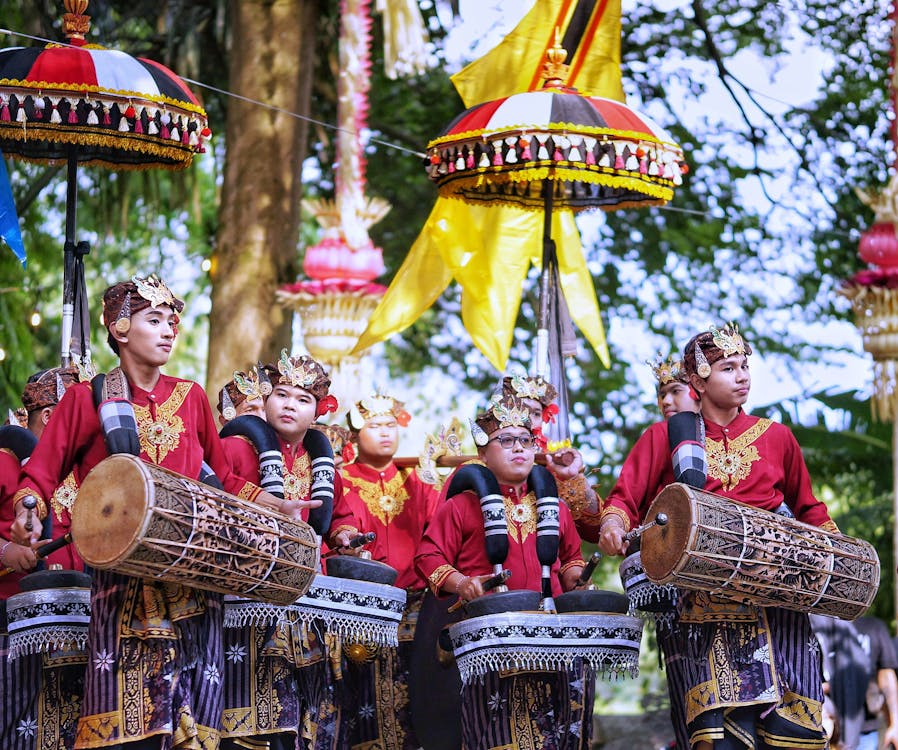
Bali is an island where the heartbeat of tradition is audible in every village square and visible in every ornate offering. In 2026, the annual cycle of festivals in Bali offers a profound invitation to witness a world where ancient spirituality, artistic mastery, and cultural and religious significance come together. To help you synchronize your travel plans with these sacred rhythms, we have curated a definitive guide to the most significant cultural events scheduled for 2026.
A Year of Devotion, Art, and Celebration
The island’s identity is defined by a continuous loop of ceremonies that honor the balance between the seen physical world and the unseen spiritual realm. Unlike many destinations where events are staged for tourism, the festivals in Bali remain authentic expressions of communal faith and gratitude.
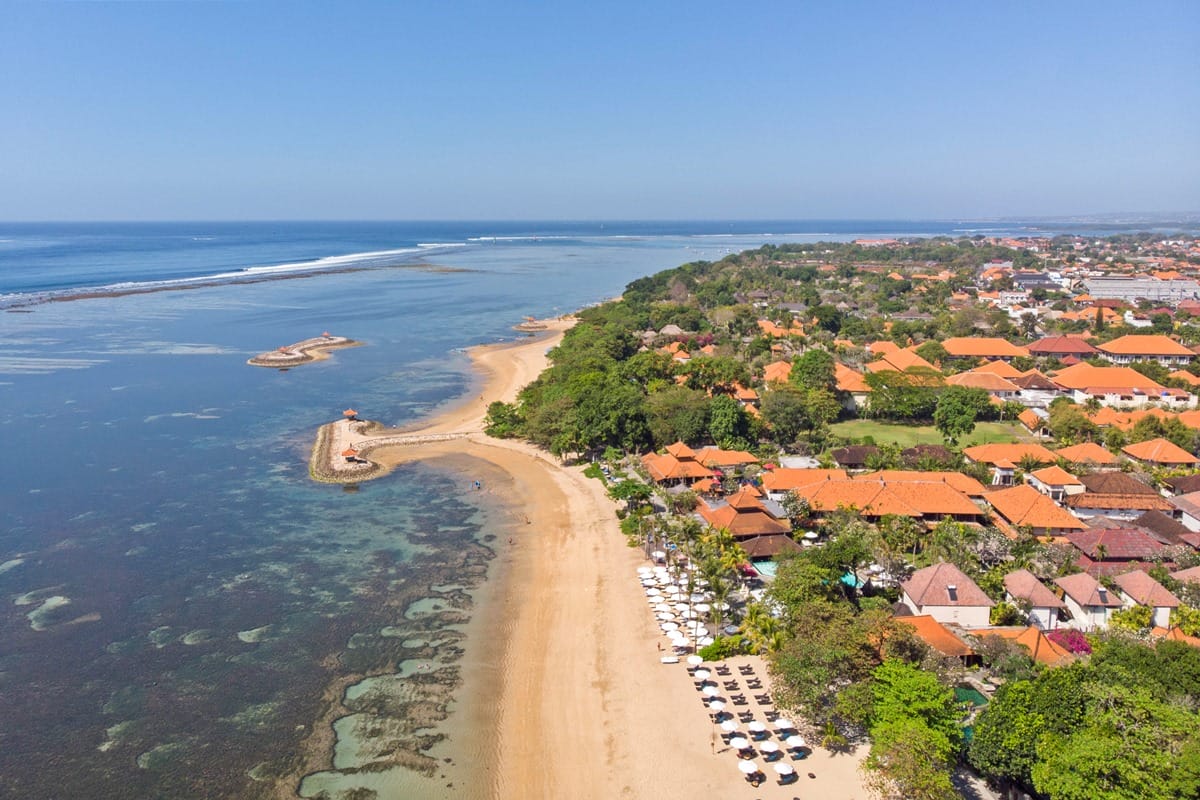
In 2026, these celebrations take on a heightened significance as the island celebrates its maturity as an established cultural destination , blending the nostalgia of its 1966 tourism roots with the sophisticated infrastructure of the modern era.
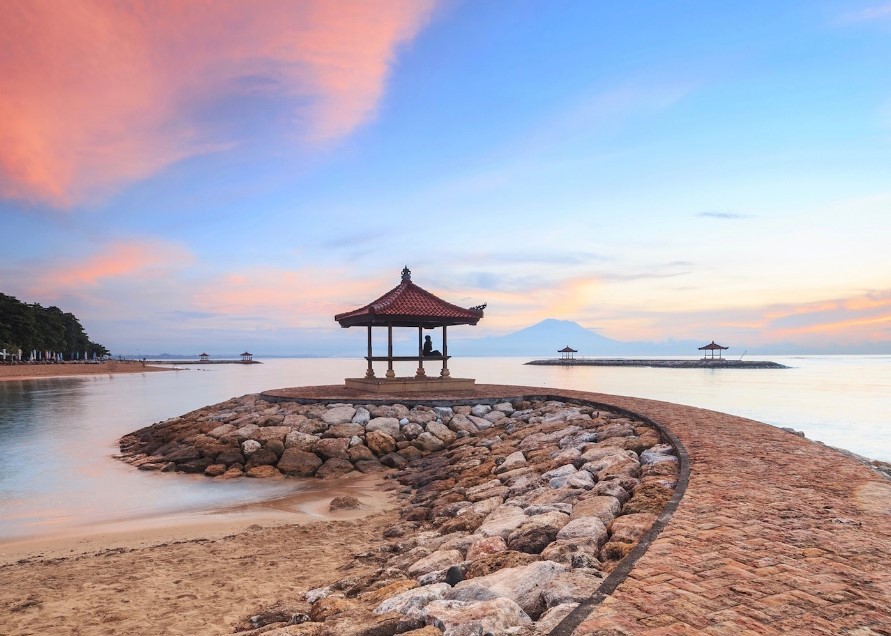
Choosing to visit during these landmark events requires a strategic approach to timing and location. The sunrise coast of Sanur, specifically the Sanur Special Economic Zone, serves as the most logical hub for cultural explorers. This district provides a calm, well-organized base that is within a short commute of the Denpasar Art Center and the historic beachfronts where many rituals culminate.
Whether you are seeking the absolute silence of the lunar New Year or the vibrant, wind-swept energy of a kite festival, understanding the timing of these festivals in Bali is the key to an insightful and restorative island escape.
Major Cultural and Religious Festivals in 2026
The Balinese calendar is a complex intersection of the 210-day Pawukon cycle and the lunar-based Saka system. Here are the most essential festivals in Bali for 2026, offering deep insight into the island’s unique heritage and community spirit.
Nyepi: The Sacred Day of Silence (March)
Nyepi is arguably the most profound and unique among all festivals in Bali. In 2026, this sacred Day of Silence typically falls in March (exact date varies annually) , marking the transition into the Saka New Year 1948. For twenty-four hours, the entire island comes to an absolute standstill.
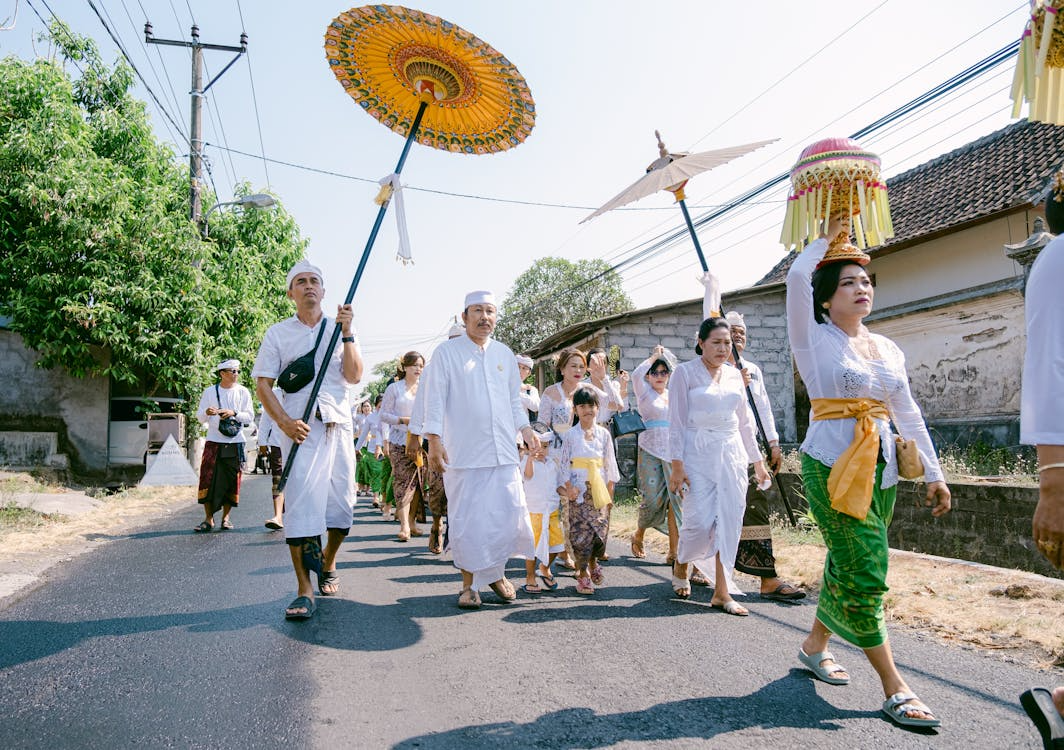
Ngurah Rai International Airport closes, all motorized traffic ceases, and no lights or fires are permitted. The purpose of Nyepi is to symbolically cleanse the island, creating a period of stillness that encourages spiritual reflection and inner balance for the community.
The days leading up to Nyepi are equally fascinating. You will observe the Melasti rituals, where thousands of villagers in traditional white attire carry sacred temple objects to the coast for purification. On the eve of Nyepi, the streets come alive with the Ogoh-Ogoh parade.
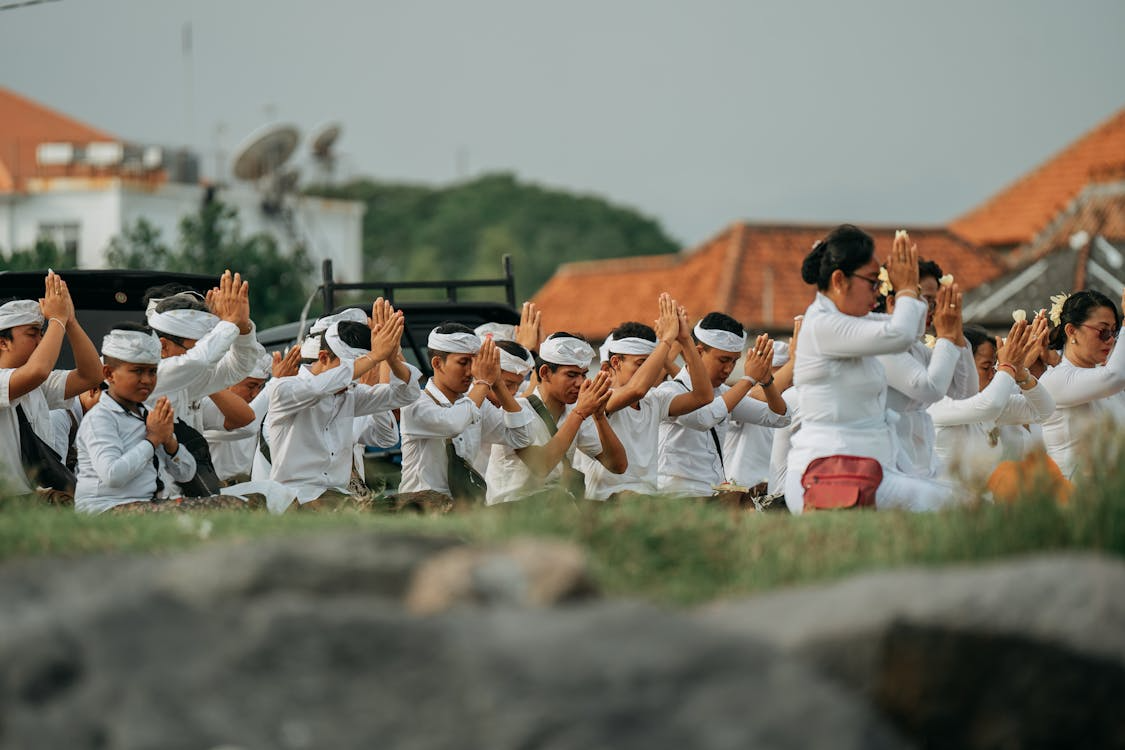
Massive, monstrous effigies representing negative forces are paraded through the villages, accompanied by the crashing rhythms of Gamelan orchestras. Staying in Sanur during this time offers a rare perspective on the “Niskala,” or unseen energy, of Bali. It is a period of monumental quietude that allows you to hear the ocean and the wind without the intervention of modern noise, embodying the true essence of a peaceful island sanctuary.
Galungan and Kuningan: The Triumph of Dharma
Galungan is the most important recurring festival in the Balinese Hindu calendar, occurring every 210 days. This festival commemorates the victory of Dharma (good) over Adharma (evil).
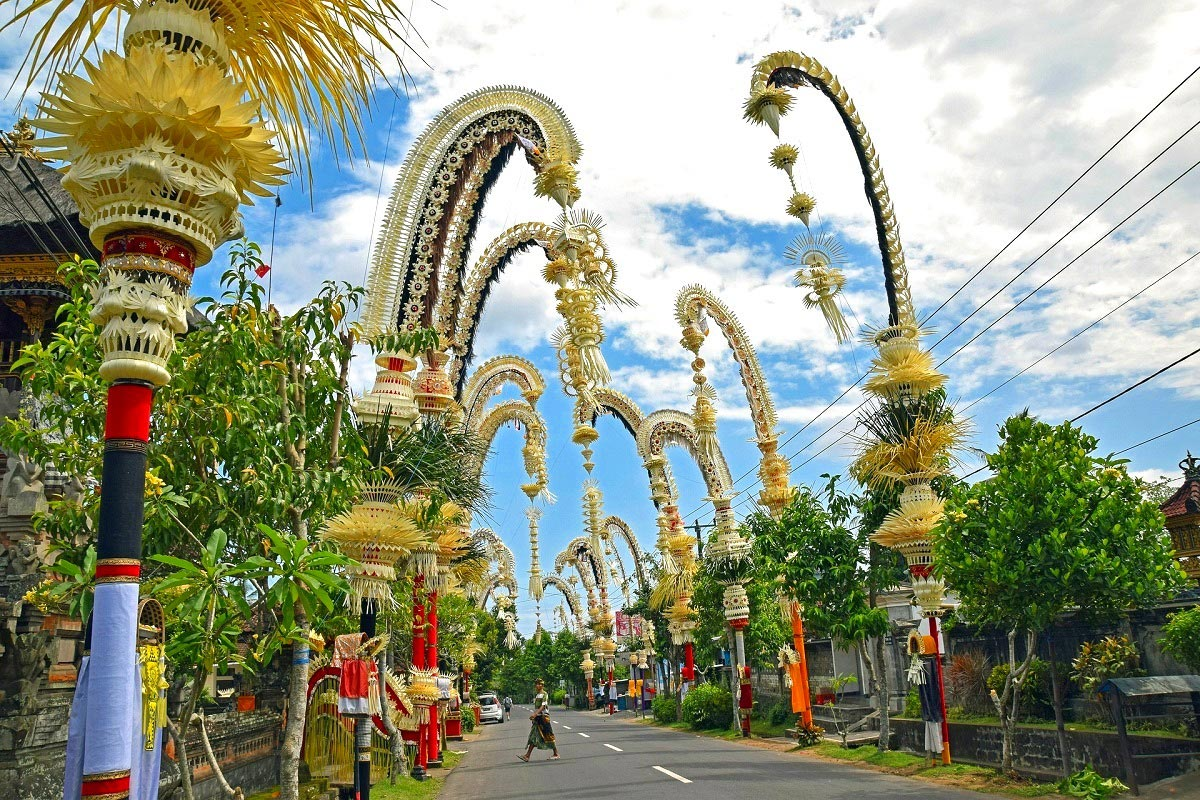
It is the time when the ancestral spirits are believed to return to their family homes. The streets of Bali are transformed into a forest of penjor, which are tall, decorated bamboo poles arching over the roads, symbolizing the mountain of holiness and prosperity.
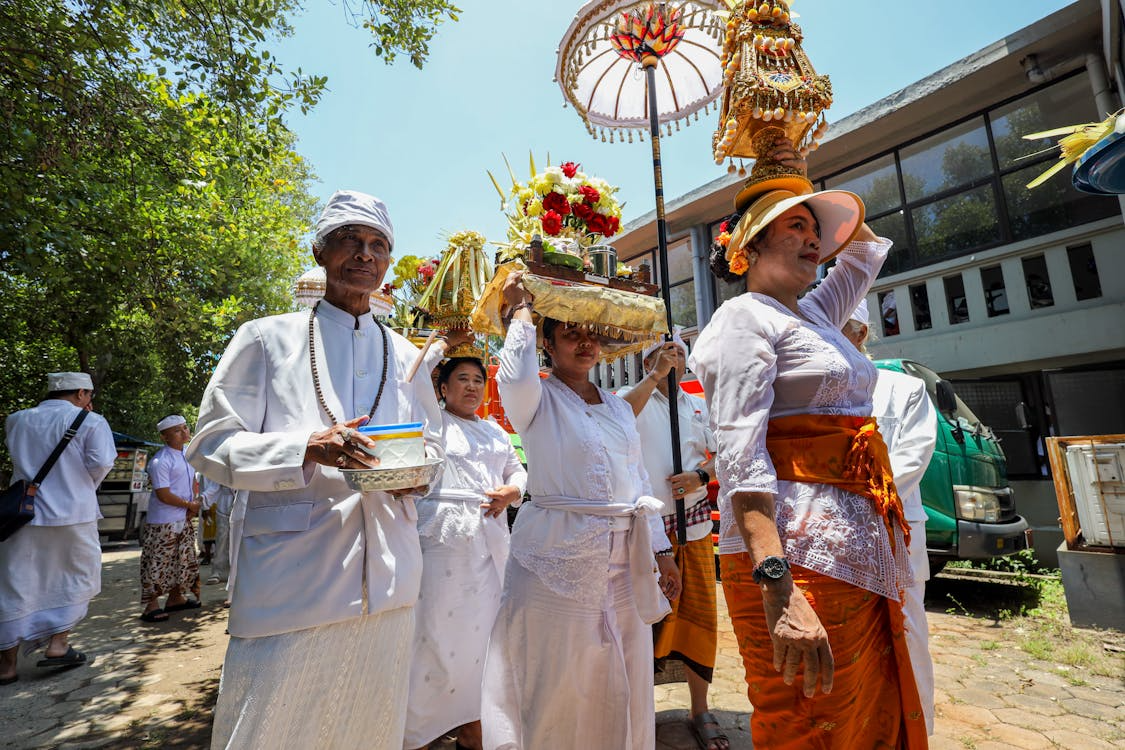
Ten days after Galungan, the celebration of Kuningan marks the day the ancestors return to the spiritual realm. During these festivals in Bali, families gather in their finest traditional dress to pray at village temples.
The atmosphere is one of profound social connection and cultural and spiritual significance. Visitors in Sanur can observe the elaborate offerings and the “Barong” dance performances that move from house to house. It is a spectacular visual journey that showcases the island’s dedication to maintaining its cultural identity through generations of change.
Bali Arts Festival: A Month of Creativity in Denpasar (June to July)
For lovers of performing arts, the Bali Arts Festival (Pesta Kesenian Bali) is a mandatory event. Established in 1979 to preserve and promote Balinese culture, this month-long extravaganza typically runs from mid-June to mid-July.
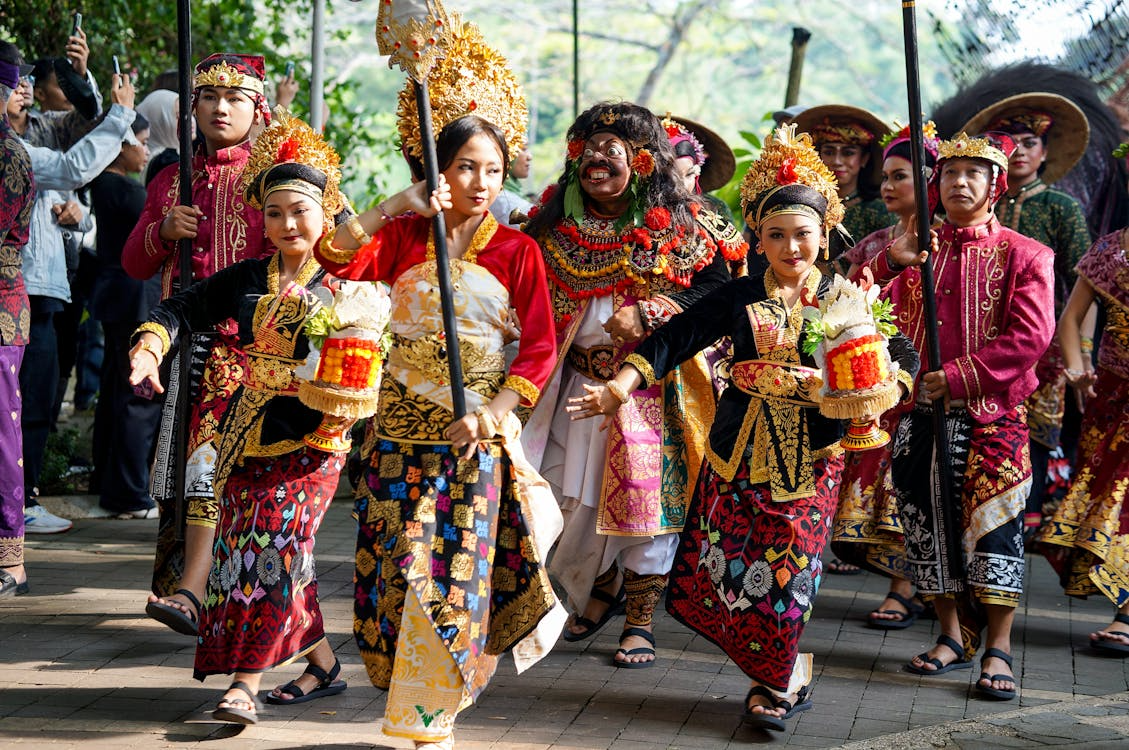
The primary venue is the Werdhi Budaya Art Center in Denpasar, located just a 15 to 20-minute drive from the coastal resorts of Sanur. This festival is a grand celebration that brings together thousands of artists from every regency of the island and guest performers from across the globe.
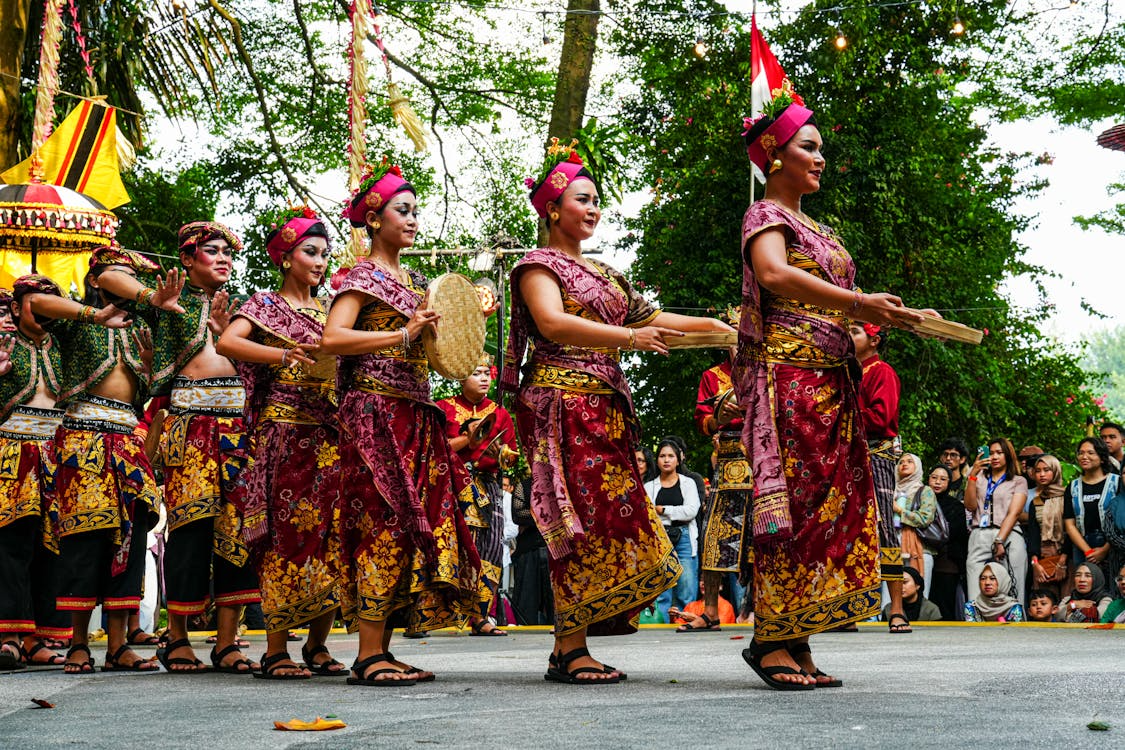
The opening parade is a monumental display of history and craftsmanship, often attended by the President of Indonesia. Throughout the month, the amphitheaters host traditional dances, music competitions, and puppet shows.
It is one of the most accessible festivals in Bali for international travelers, as the Art Center provides a structured and educational environment to appreciate the technical skill behind Balinese artistry. From the intricate movements of the Legong dance to the thundering power of a massive percussion ensemble, this festival is a testament to the island’s status as a global cultural diplomat.
Sanur Village Festival: Celebrating Coastal Culture (August)
The Sanur Village Festival (Sanfest) has evolved into one of the most successful community-based festivals in Bali. Usually held in August, this event celebrates Sanur’s unique coastal identity, blending traditional Balinese culture with modern lifestyle elements.
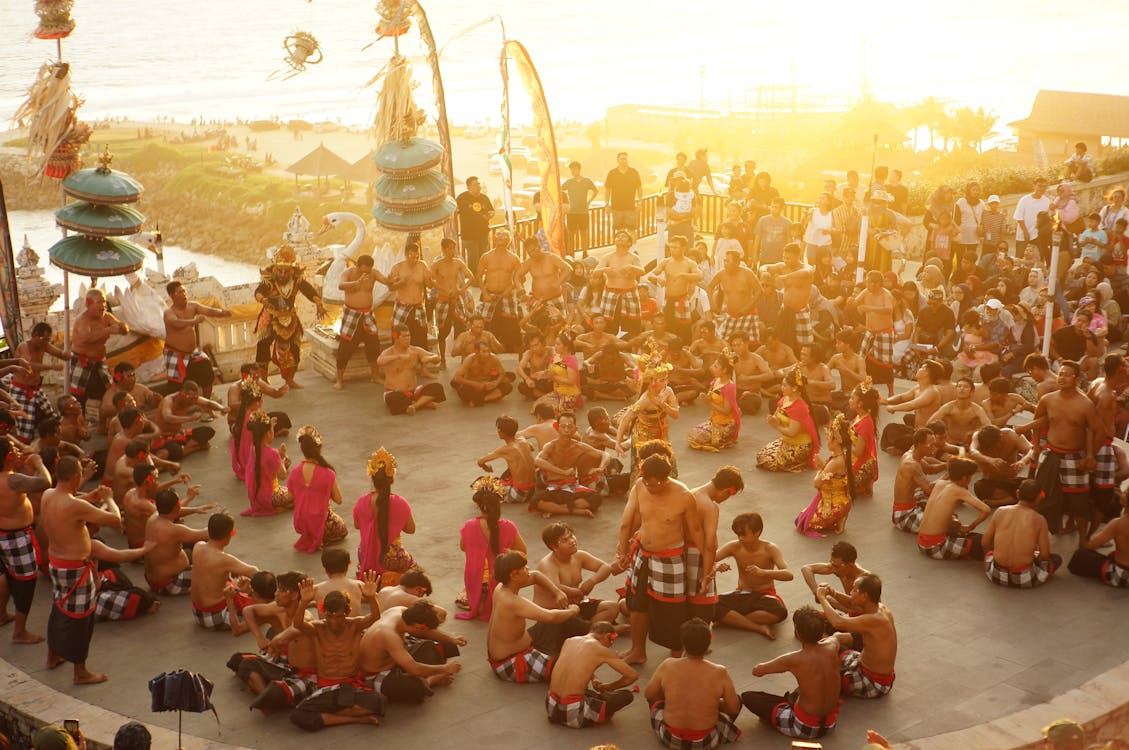
The festival is held at Mertasari Beach and features a diverse program including water sports competitions, food bazaars, environmental conservation activities, and live music from Indonesia’s top performers.
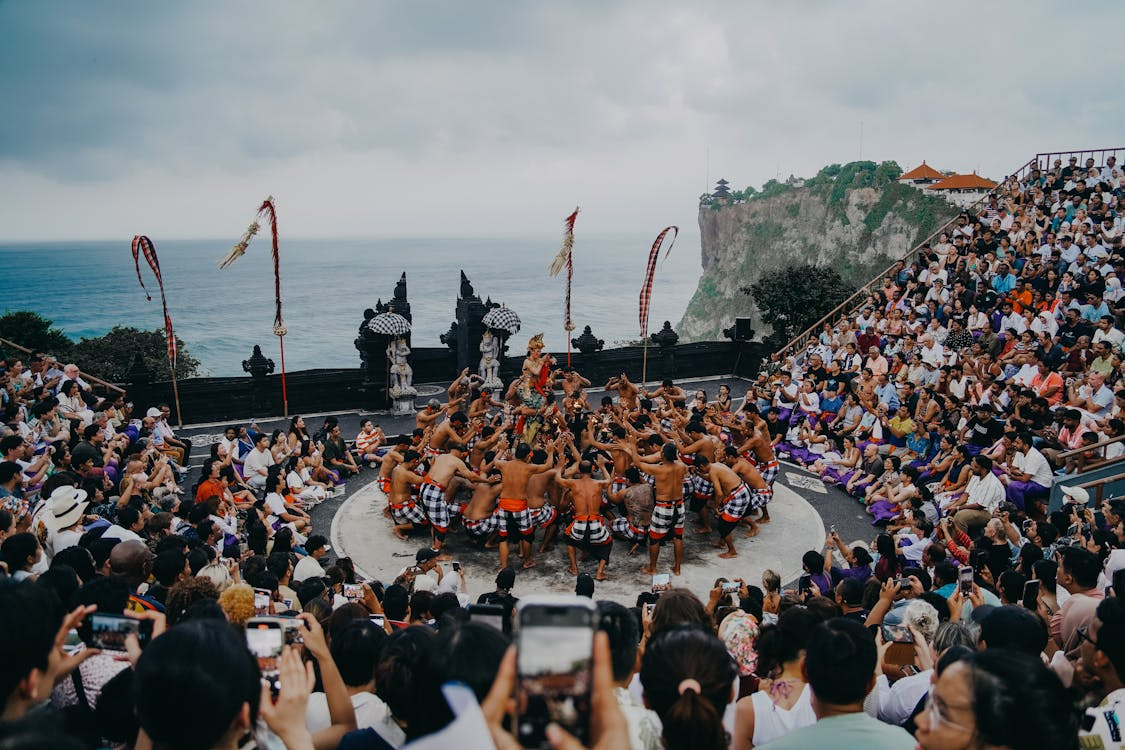
What makes Sanfest exceptional is its unhurried and welcoming atmosphere. It reflects Sanur’s mature, village-like character while showcasing the local community’s hospitality.
Families can participate in turtle releases, watch traditional jukung boat races, or enjoy the “Jazz Mantra” sessions by the ocean. It is a celebratory event that honors Sanur’s legacy as Bali’s original tourism gateway. Attending this festival allows you to engage directly with the local residents and see how the sunrise coast is embracing the future without losing its historic soul.
The Bali Kite Festival: A Sky Full of Colors (July to September)
When the southeast trade winds begin to blow consistently between July and September, the skies of the east coast fill with the spectacular sights of the Bali Kite Festival. This is a religious and competitive event rooted in agrarian traditions, where villages compete to fly giant kites, some with tails stretching over 100 meters. The main festival site is usually at Padang Galak Beach in Sanur, an area known for its strong winds and spiritual significance.
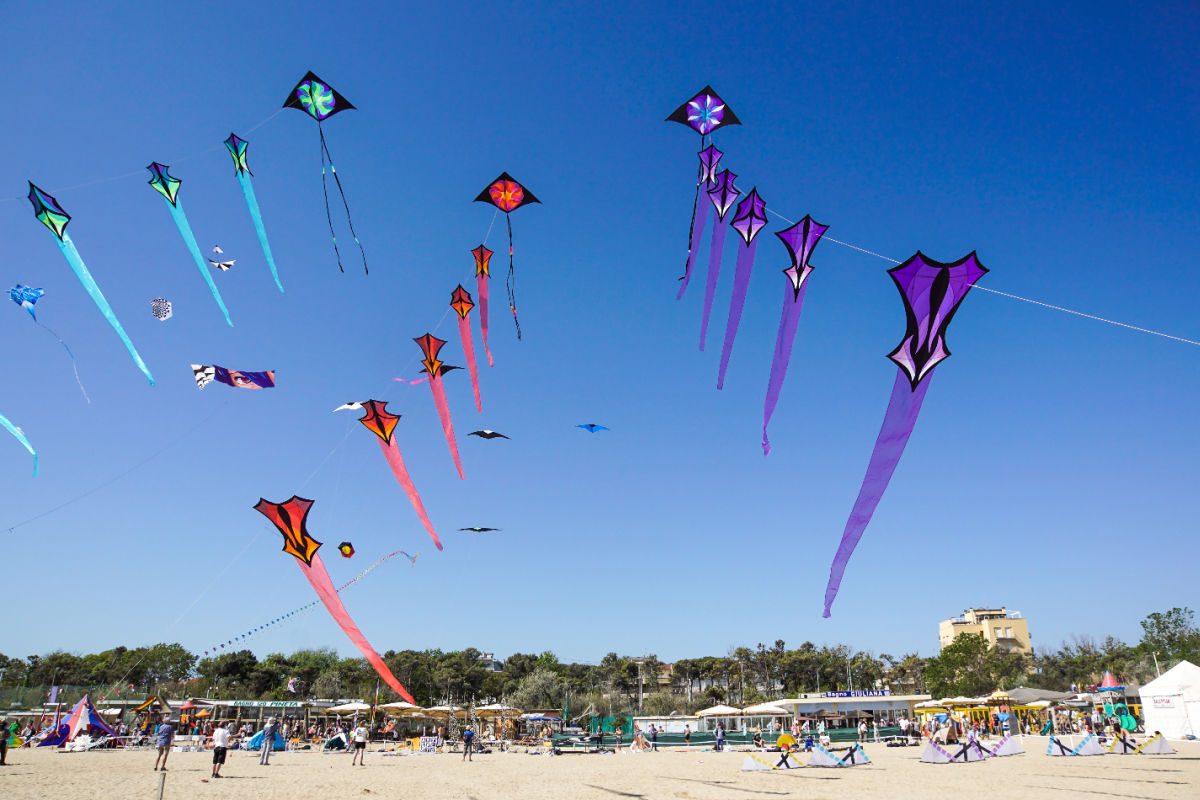
The kites themselves are works of monumental craftsmanship. The three traditional types include the Bebean (fish-shaped), the Janggan (bird-shaped), and the Pecukan (leaf-shaped). A team of up to 80 people is required to launch and stabilize the largest kites.
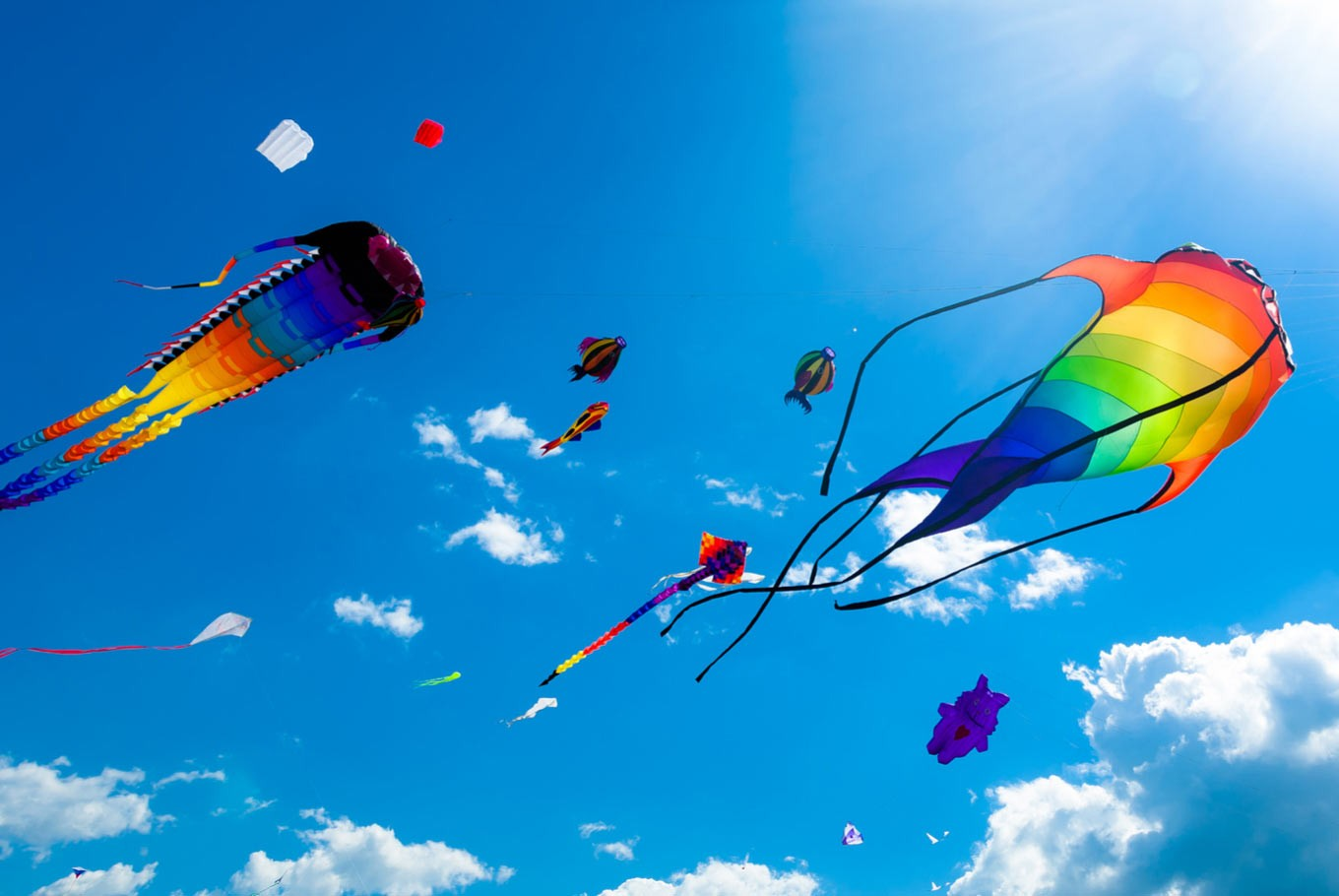
The event is accompanied by traditional Gamelan music, creating a high-energy and photogenic atmosphere. Watching these giant structures dance against the blue sky is one of the most exhilarating things to do during Bali’s festival season. It is a celebration of human ingenuity and the powerful relationship between the Balinese people and the elements of nature.
Comparison of Bali’s Top Cultural Festivals in 2026
To help you organize your travel dates, the following table summarizes the primary festivals in Bali and their defining characteristics.
| Festival Name | 2026 Timing | Primary Vibe | Key Highlight |
| Nyepi | March 19 | Sacred Silence | Ogoh-Ogoh Parades & Total Peace |
| Galungan | Feb 11 & Sept 9 | Spiritual Triumph | Thousands of arching Penjor poles |
| Bali Arts Festival | June – July | Artistic Mastery | Grand Parades & Dance Marathons |
| Kite Festival | July – August | Wind-swept Fun | 100-meter Giant Traditional Kites |
| Sanur Village Fest | August | Coastal Community | Beachfront Food, Music & Culture |
| Kuningan | Feb 21 & Sept 19 | Ancestral Blessing | Ornate Dress & Yellow Rice Offerings |
Essential Tips for Festival Travelers
A visit to the Island of the Gods during Bali’s festival season is best enjoyed with a high degree of cultural awareness and practical preparation. Following these professional tips will ensure your journey is respectful, comfortable, and deeply rewarding.
Choose Your Base Strategically
We strongly recommend choosing your base strategically to minimize travel time between venues. Sanur is widely regarded as the most accessible district for cultural tourism. Its location on the bypass road provides a 20-minute connection to the airport and the Denpasar Art Center, while the 5-kilometer promenade allows for car-free movement during village ceremonies.
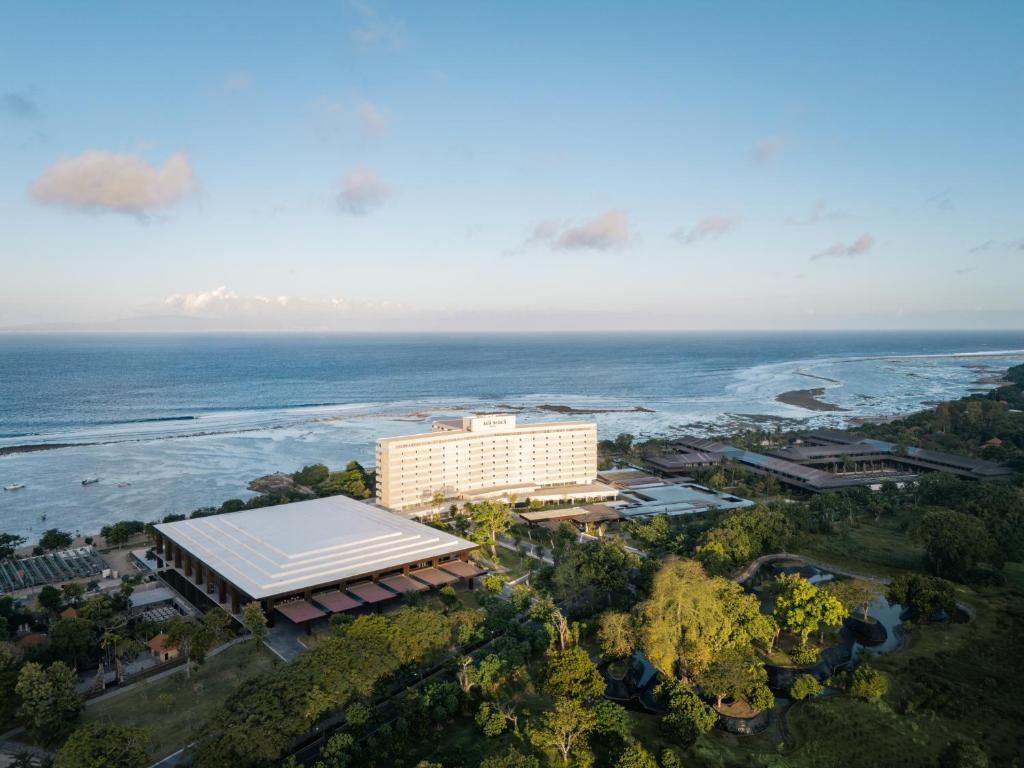
Staying at a historic landmark like the Bali Beach Hotel provides the added benefit of on-site cultural ambassadors who can explain the complex nuances of each ritual.
Respect Local Dress Codes and Etiquette
Respect for the local dress code is mandatory when visiting sacred sites or participating in communal festivals in Bali. Both men and women must wear a traditional sarong and a ceremonial sash.
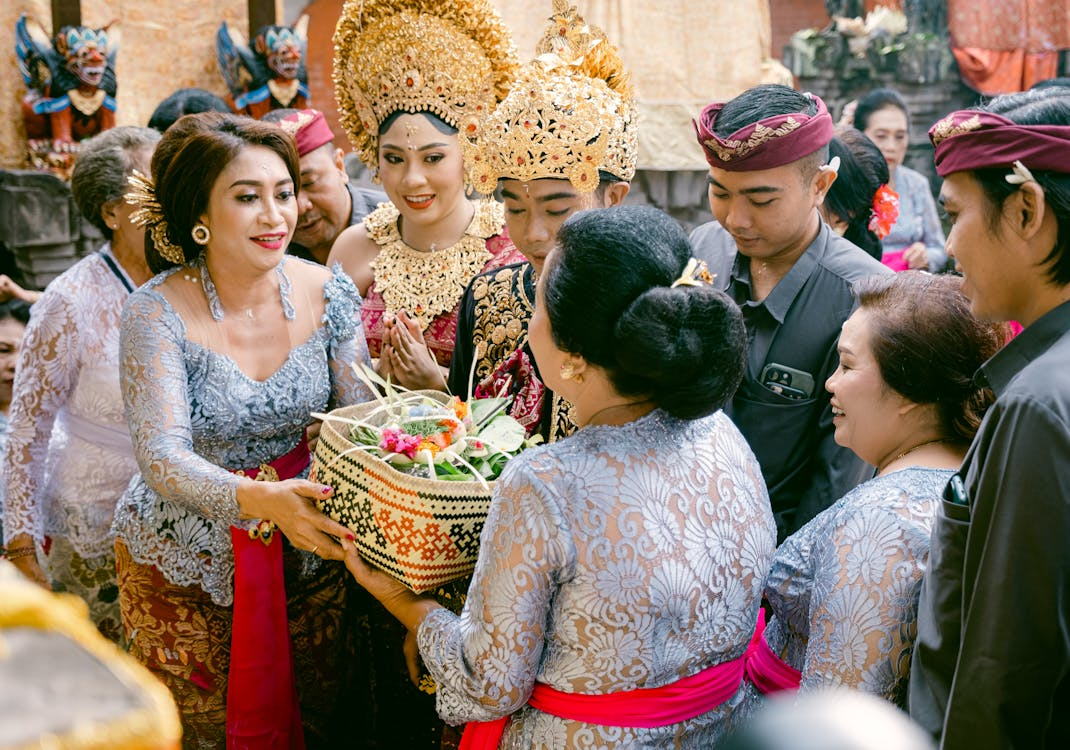
If you are participating in a major event like Nyepi, choosing light-colored, breathable fabrics like linen will help you stay comfortable in the tropical heat. Always use your right hand when receiving holy water or making a donation, and remember that your head should never be higher than the presiding priest’s head during a ceremony.
Manage Logistical Expectations
Manage your expectations regarding logistics during peak festival periods. Public roads can become congested with ceremonial processions, and certain businesses may close early to allow staff to participate in village duties. This is why staying in a fully-serviced resort complex within the Sanur is so valuable.
These properties operate on reliable backup systems and prioritize security, ensuring your personal comfort and connectivity are maintained even when the wider island slows down for tradition. Embracing the “unhurried” pace of Sanur allows you to integrate these minor logistical shifts into your broader realignment journey.
Recommended Accommodations During Bali Festival Season
Attending these vibrant events requires a strategic and comfortable base. The Bali Beach Hotel offers historical charm and unparalleled access to major festival sites, making it the perfect welcoming sanctuary to return to after a day of colorful celebrations. As the grand hero of the sunrise coast, this iconic property stands as a monument to Indonesian progress and hospitality.
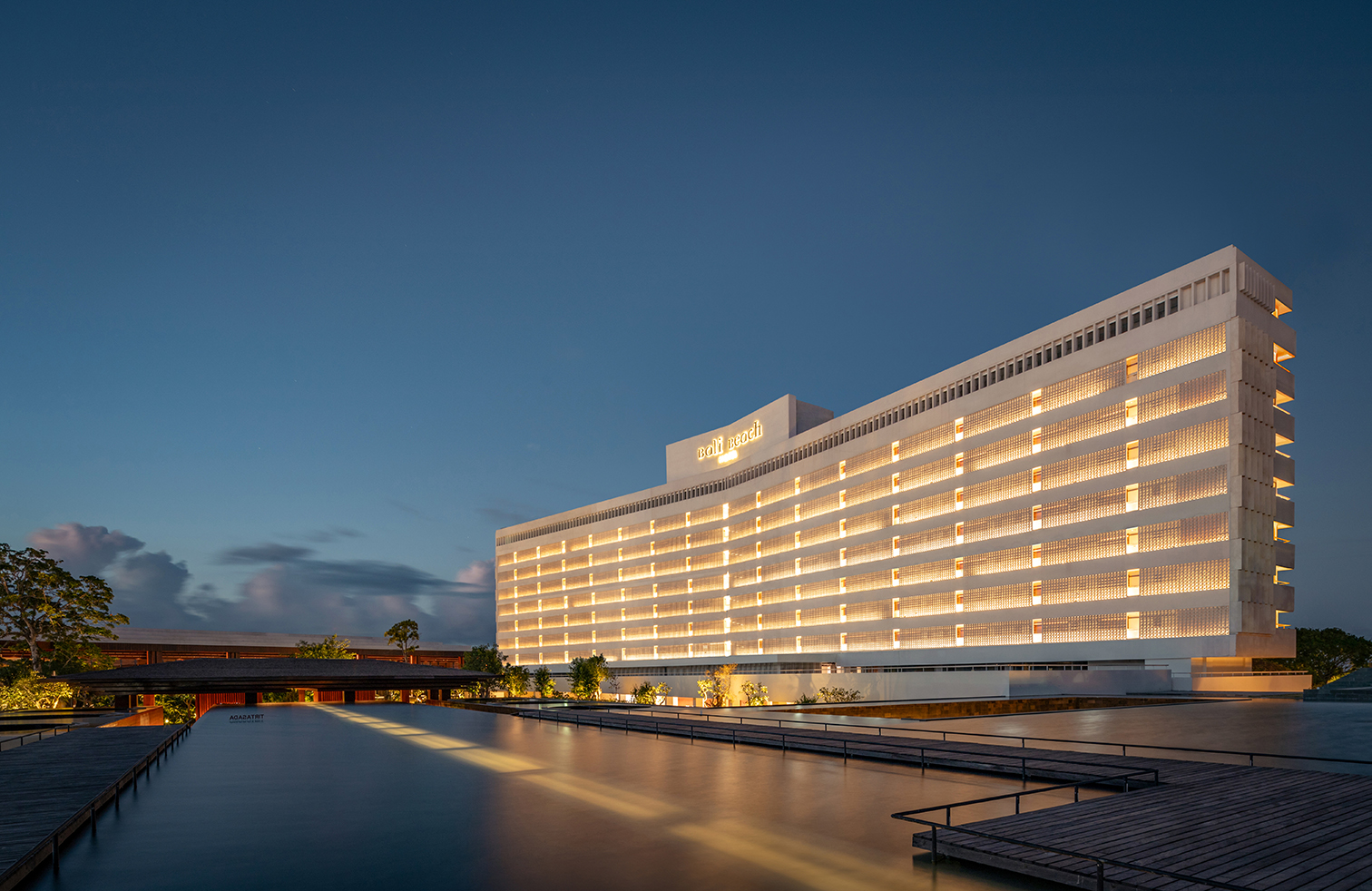
Originally inaugurated in 1966 by President Soekarno, the Bali Beach Hotel has recently undergone a monumental revitalization, blending its mid-century modern heritage with 2026 luxury standards.
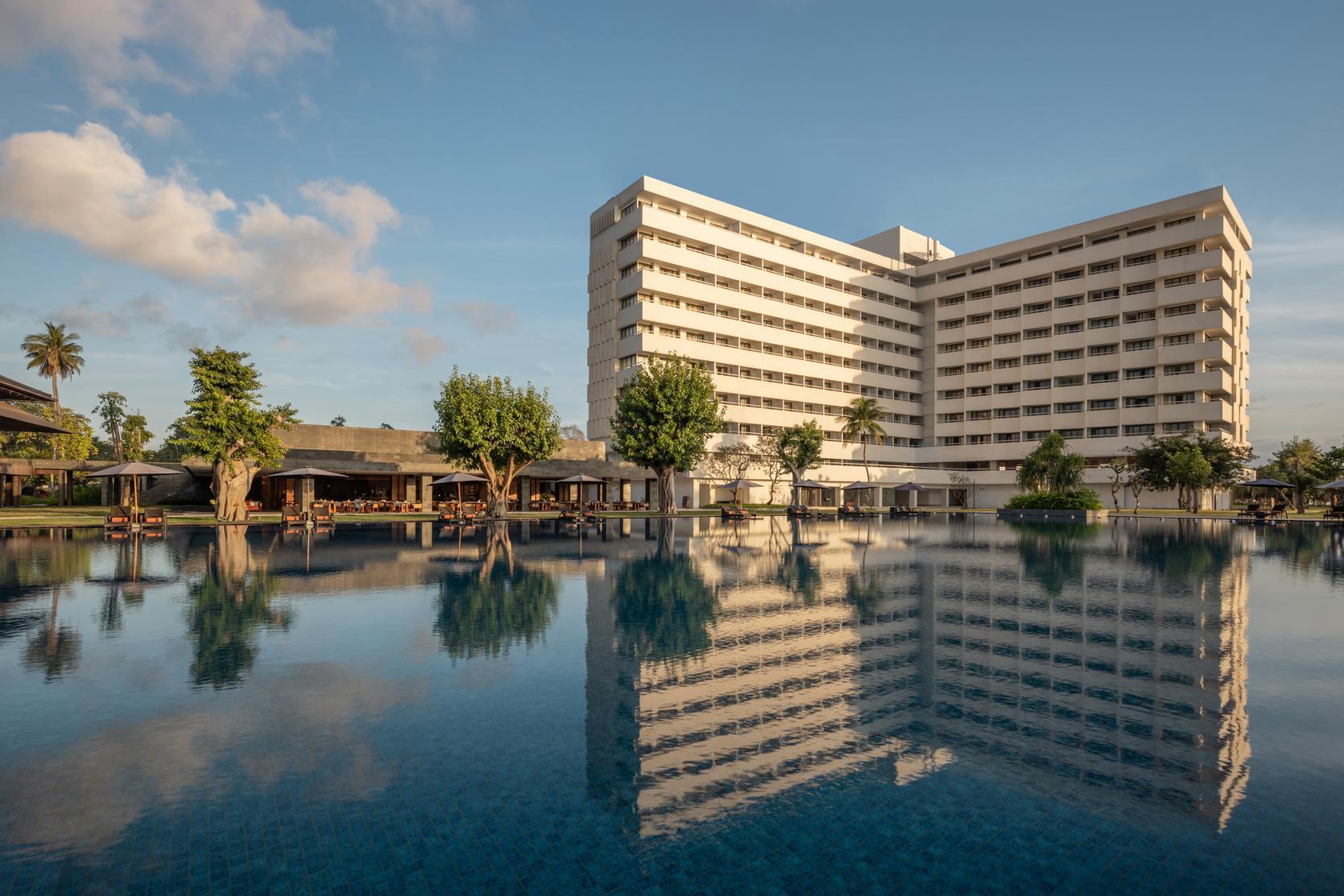
As part of The Heritage Collection, the hotel serves as a cultural diplomat, positioning guests at the absolute center of Sanur’s refined lifestyle. The hotel’s 10-story tower, a rare historic high-rise landmark, offers views that capture the entire scale of the coastline.
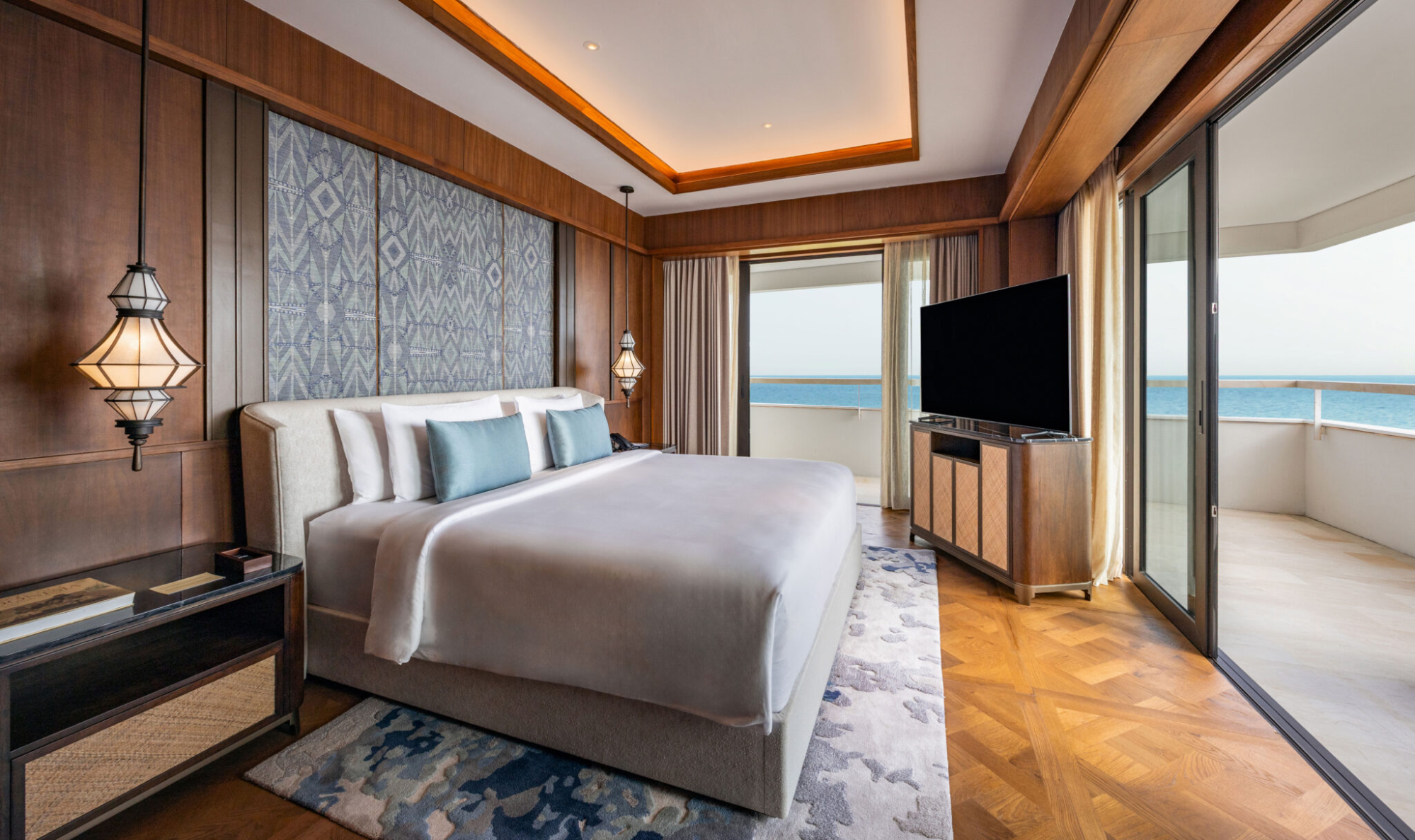
Our suite collection is engineered to provide an unparalleled balance of space and comfort. The Bali Beach Suite, situated on the 7th floor, is an elevated 175-square-meter retreat where elegance meets the stunning shoreline vistas.
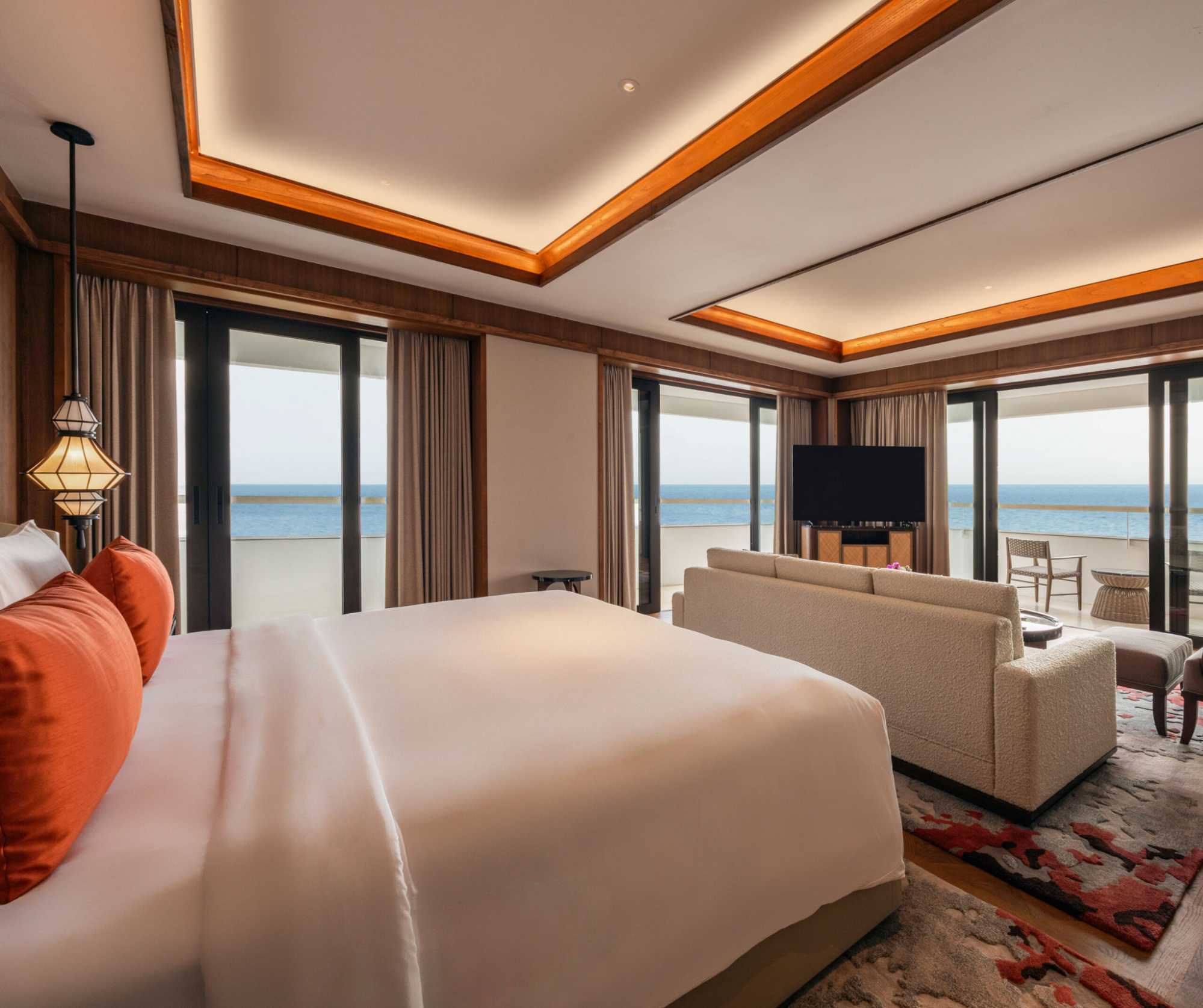
For those requiring the absolute highest level of prestige, the Presidential Ocean View Suite offers a massive 380 square meters of palatial space. These accommodations are designed to be your private sanctuary, ensuring you wake up to the healing sunrise every morning during the busy festival season.
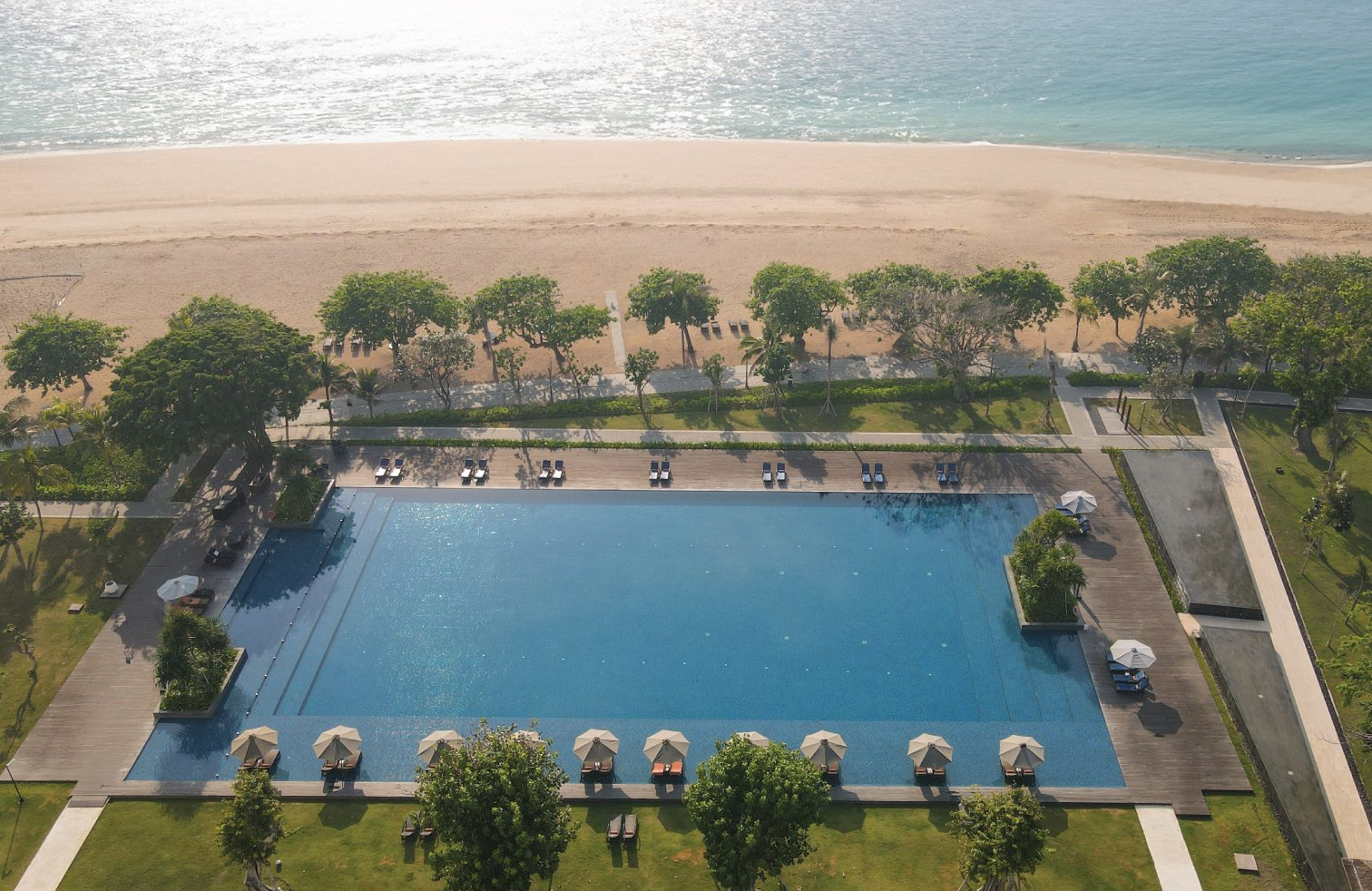
The facilities at the Bali Beach Hotel are grand in scale and designed for your total well-being. After a day exploring the bustling art festivals in Denpasar, guests can swim laps in the legendary 57-meter pool, one of the most expansive swimming facilities in the area.
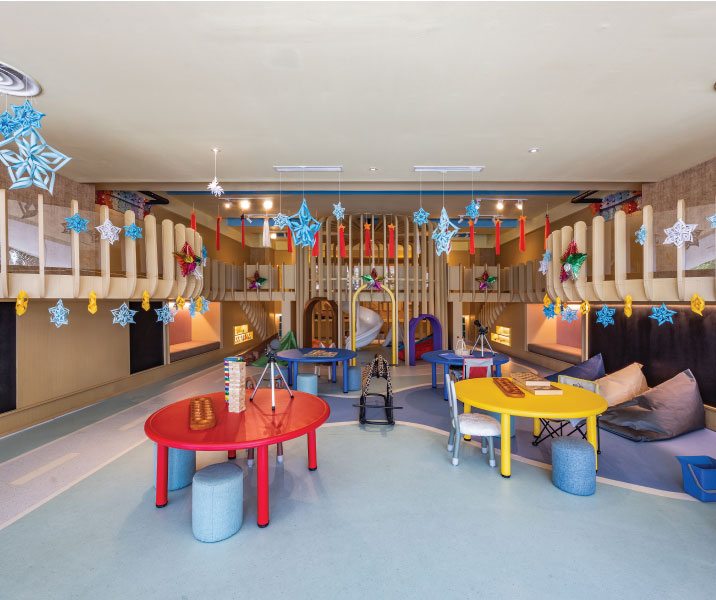
For families, the Niskala Kids Club provides an educational approach to play, offering workshops in traditional crafts like Canang Sari making, ensuring that even the younger guests connect with the spirit of the festivals in Bali.
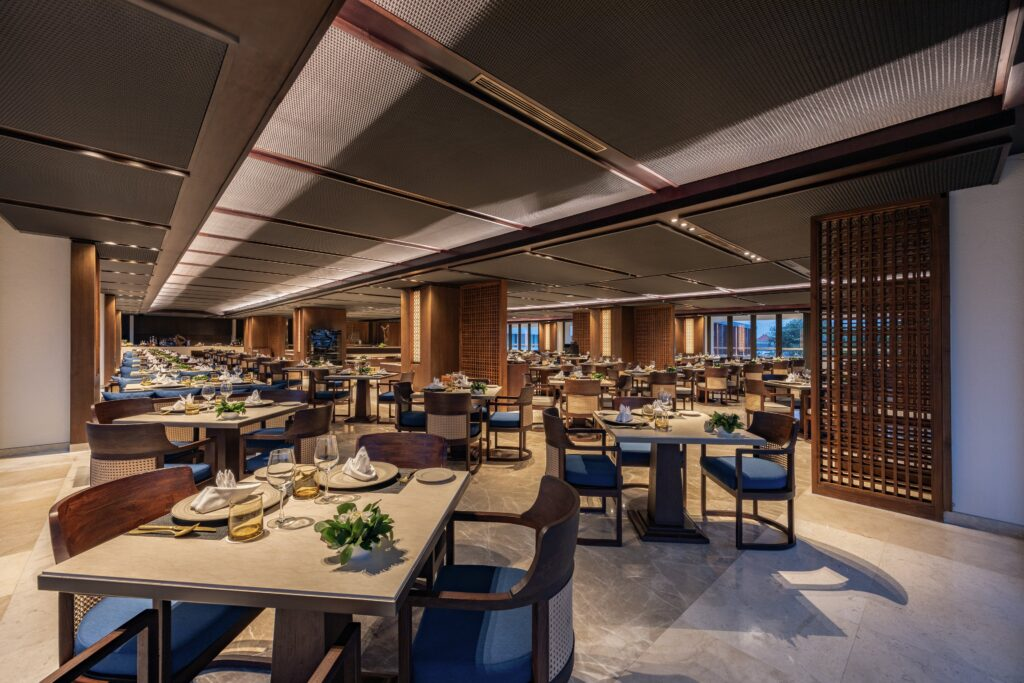
Dining is a central part of the resort’s heritage experience. Roso Restaurant honors the essence of Indonesia’s best cuisine, providing a fusion of traditional dishes spanning from Sabang to Merauke. Guests can enjoy the Rasa Nusa tasting journey every Friday, an unlimited expedition through 22 signature dishes that capture the vibrant spirit of the nation.
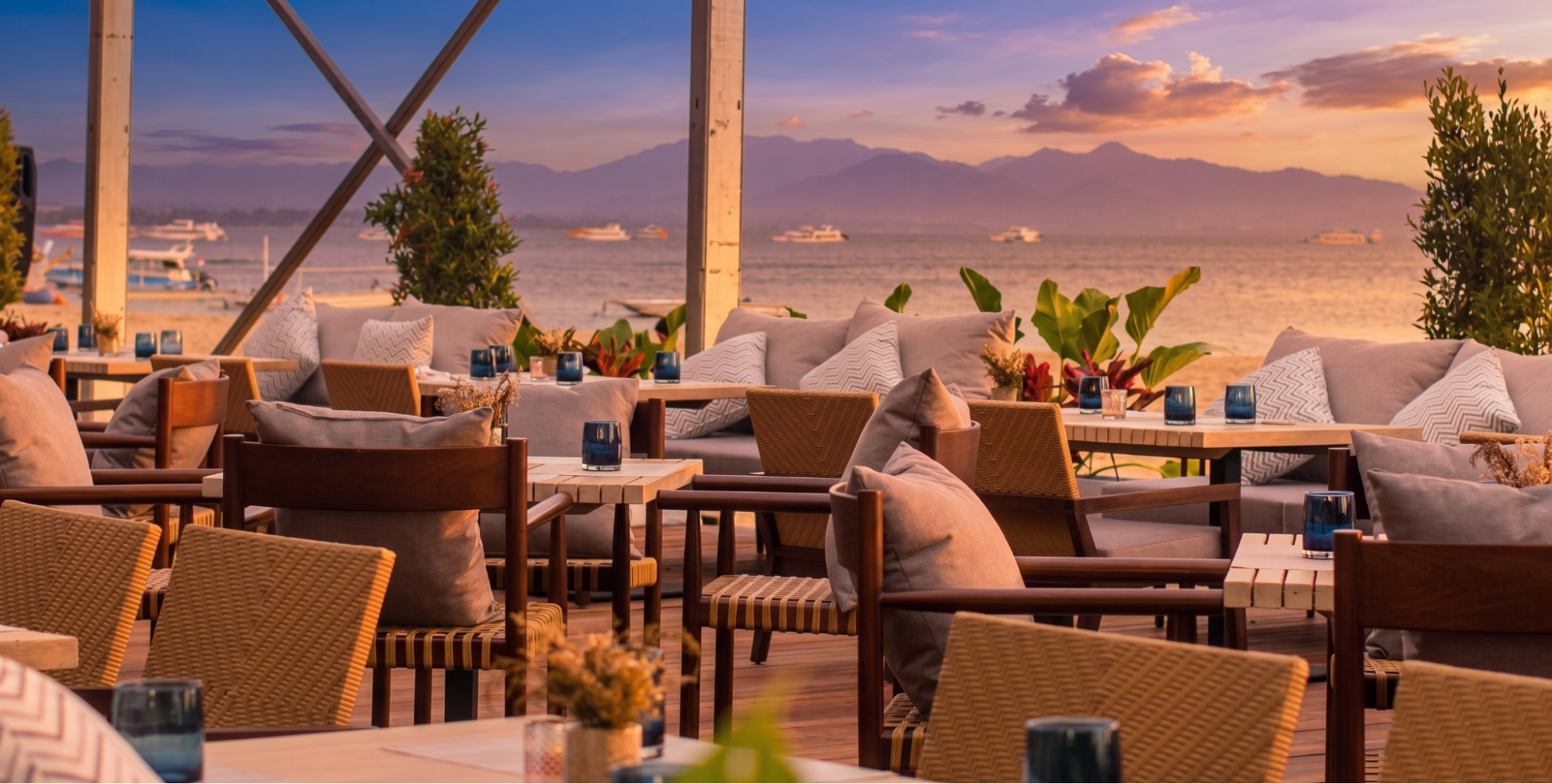
For a more relaxed evening, the Bali Beach Bar & Grill offers refined beachfront dining directly on the sand, where you can reflect on the day’s cultural discoveries under a canopy of stars.
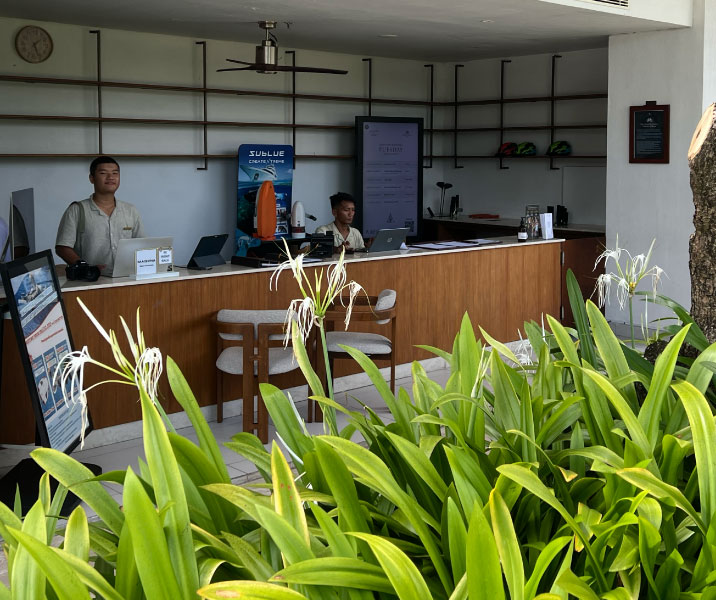
By basing yourself at this historic monument, you ensure that your time in Sanur is supported by a legacy of world-class service and deep local connection. The resort’s Activity Desk stands ready to arrange private guides for temple visits or secure the best viewing spots for the kite festivals.
Whether you are here for a romantic escape or a multi-generational family holiday, the Bali Beach Hotel provides a majestic home that honors the island’s past while celebrating the bright future of its traditions.
Detailed Information: Bali Beach Hotel
- Address: Jalan Hang Tuah, Sanur Kaja, Denpasar Selatan, Bali 80227, Indonesia
- Phone Number: +62 361 201 2000
- Reference Price: From approximately $250 to $650 USD per night, depending on suite type
- Google Review: 4.8/5 (based on 2026 professional reviews)
Conclusion
The island of Bali is a world-renowned destination not just for its beaches, but for its role as a journey to discover unique cultural and historical values. From the profound, meditative silence of Nyepi to the soaring, colorful artistry of the Kite Festival, the festivals in Bali provide a multi-dimensional tapestry for personal renewal.
With the complete cultural event calendar listed above, The Bali Beach Hotel hopes that you will find more than just a place to stay, but a sanctuary that honors your path to discovery. We wish you a complete and restorative experience as you explore the timeless beauty of this heritage land on the sunrise coast.
FAQs
What are the most important religious festivals in Bali?
The most significant events are Nyepi (the Day of Silence), which marks the lunar New Year, and Galungan and Kuningan, which celebrate the victory of spiritual dharma. These festivals in Bali are deeply ingrained in the local identity and involve every village on the island.
Can tourists participate in or observe the ceremonies?
Yes, the Balinese people are exceptionally welcoming to respectful observers. You can witness the grand processions of Melasti on the beach or watch the Ogoh-Ogoh parades. However, it is essential to dress in a traditional sarong and sash and to follow the guidance of local temple guardians during these festivals in Bali.
What are the rules for tourists during Nyepi Day?
During Nyepi, you must remain within the grounds of your resort for the full 24-hour period. No lighting or noise is allowed to be visible or audible from outside your suite. Major properties like The Bali Beach Hotel offer internal wellness programs and special dining arrangements to ensure guests are comfortable and enlightened during this day of total silence.
When is the best time to see the kite festival?
The Kite Festival typically takes place between July and September, when the southeast trade winds are at their strongest. The primary site is Padang Galak Beach in Sanur. Because dates are subject to weather and wind conditions, we suggest consulting the Activity Desk at your resort for the specific 2026 schedule.
How close is the resort to the main festival venues?
The Bali Beach Hotel is exceptionally close to many central venues. It is located directly on Sanur Beach, where many purification rituals occur. The Padang Galak kite site is just 10 minutes away, and the Denpasar Art Center for the Bali Arts Festival is approximately a 15 to 20-minute drive, making it the most strategic base for exploring festivals in Bali.