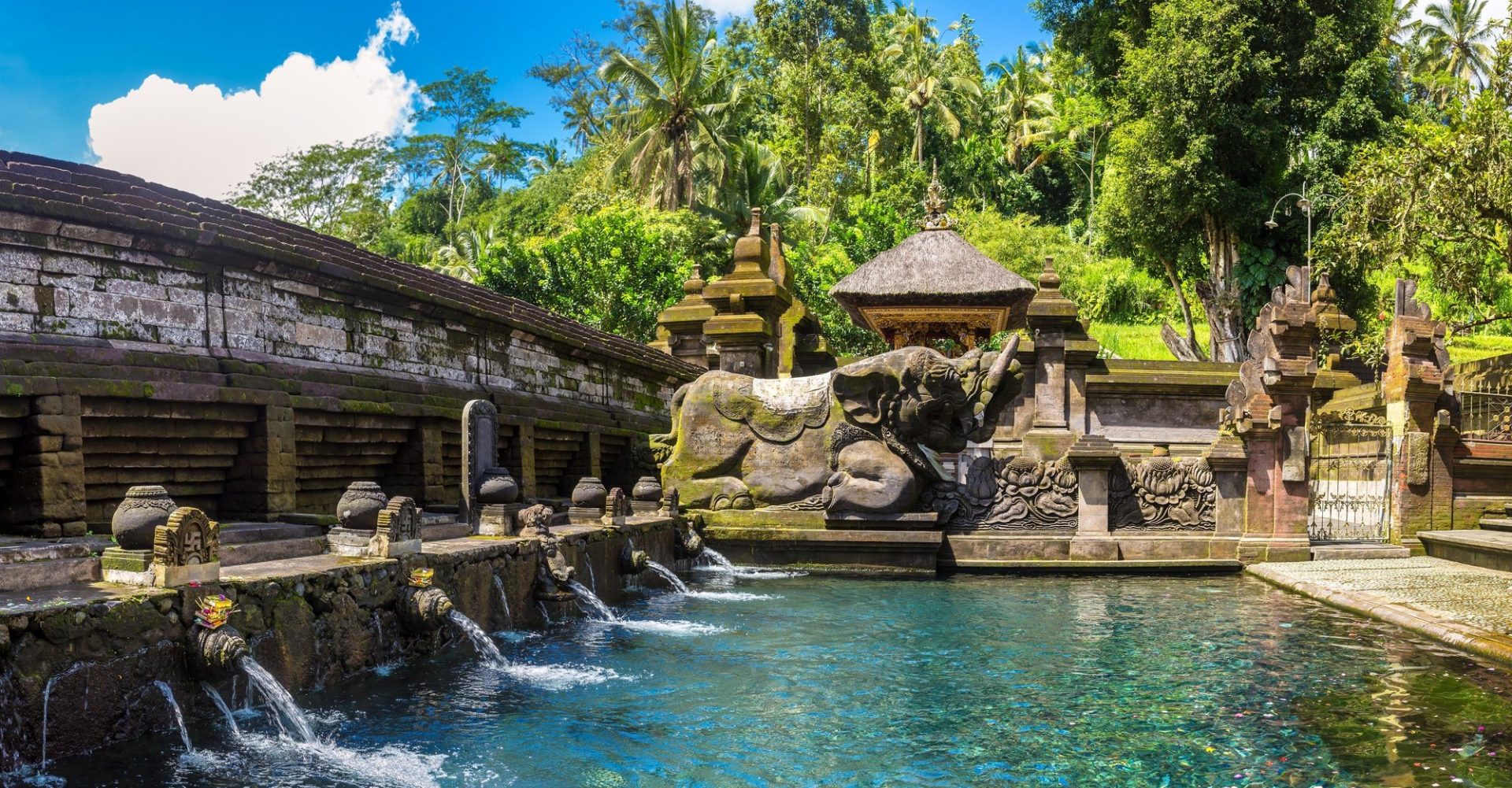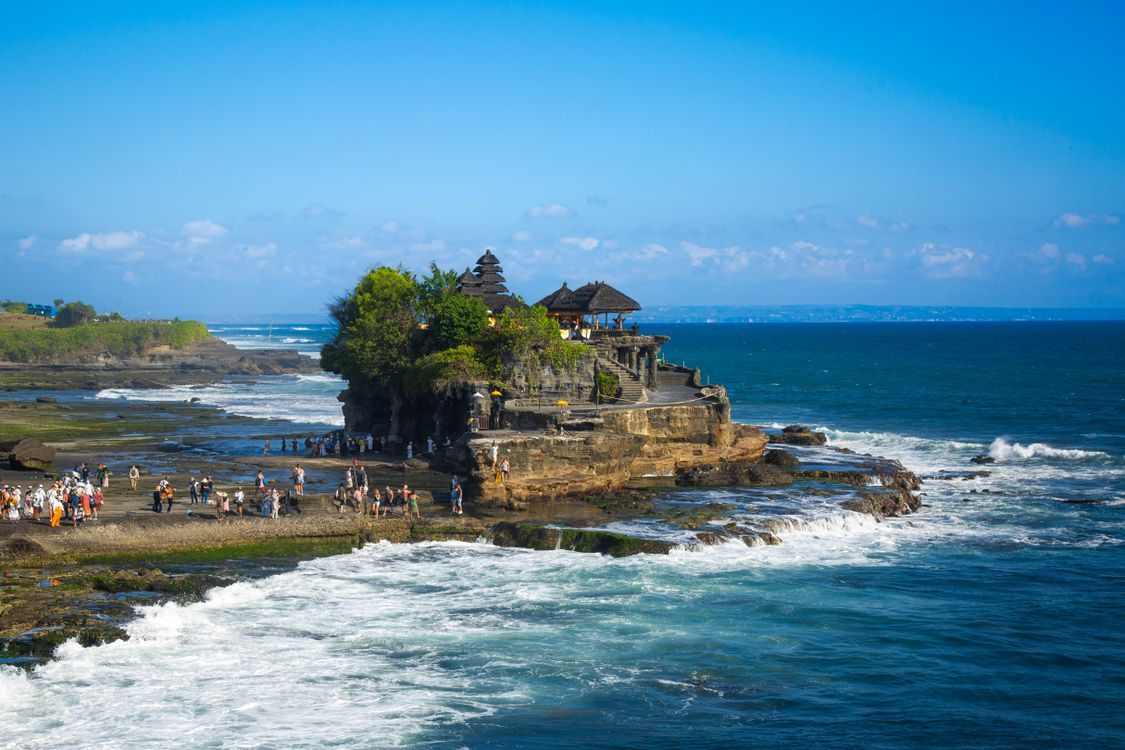
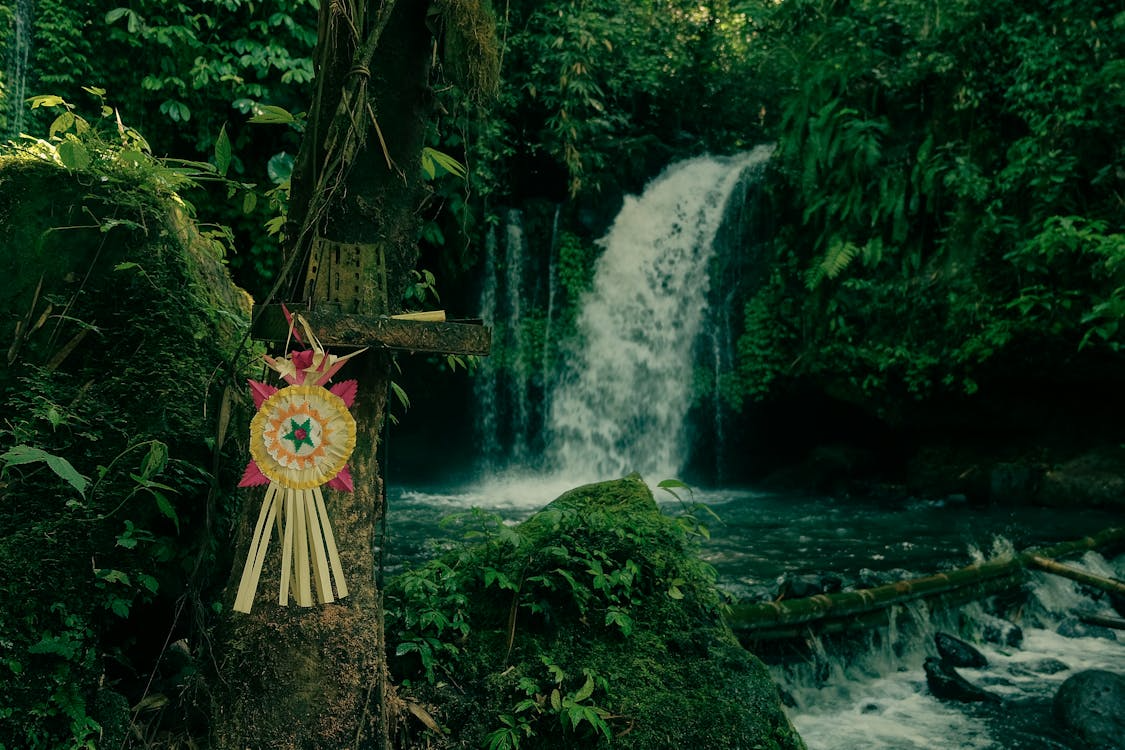
Beyond the golden sands of the sunrise coast, the interior of Bali reveals a hidden world of cascading waterfalls and moss-draped canyons. Discovering Bali’s most majestic waterfalls in 2026 offers a raw, physical connection to the island’s volcanic origins and lush landscape. This guide highlights the most notable waterfalls for explorers seeking breathtaking scenery and adventurous treks in the highlands.
Trekking Through the Island’s Lush Jungles and Valleys
To witness the true power of the island’s water systems, one must venture into the northern and central highlands, where the topography transitions into steep ravines and ancient river valleys.
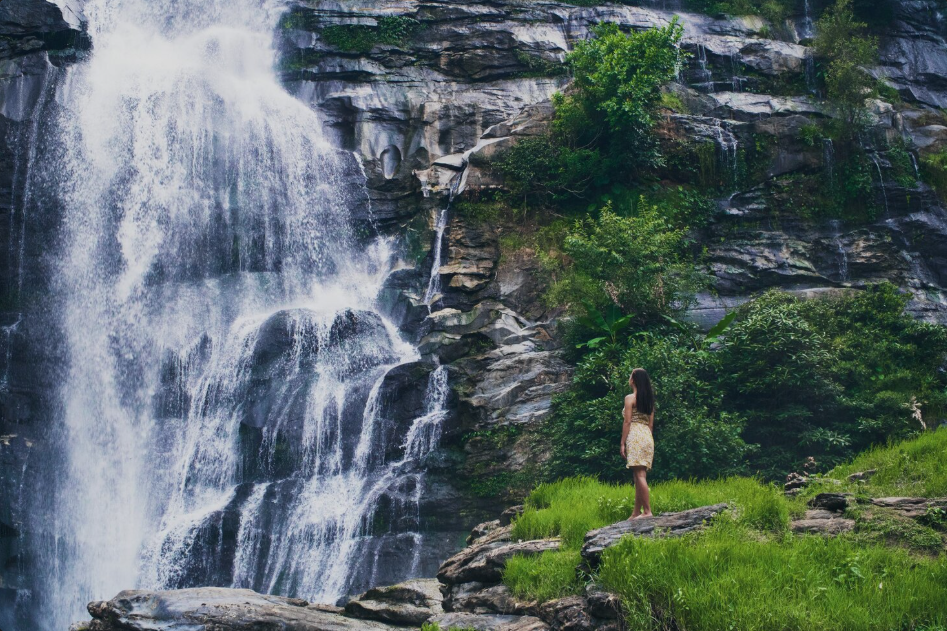
Chasing Bali waterfalls is an exercise in both physical endurance and sensory delight. The journey often begins with a descent through dense rainforests where the air is noticeably cooler and the humidity carries the scent of wild ginger and damp earth. This geographical diversity allows Bali to maintain its “Green Season” identity, providing a stark yet beautiful contrast to the manicured resort environments of the south.
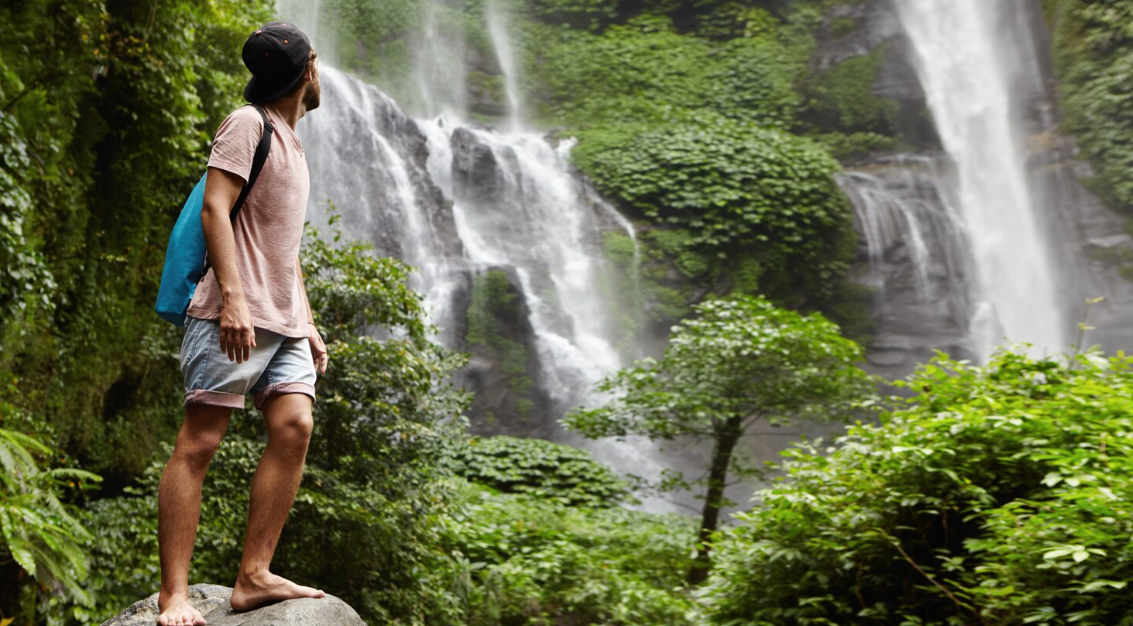
In 2026, waterfall trekking has matured into a professionalized eco-tourism sector. Many of the most iconic sites have seen improvements in infrastructure, including safer stone steps and designated viewing platforms that protect local flora.
However, the essential appeal remains unchanged: the opportunity to stand at the base of a towering column of water and feel the mist on your face. For those seeking a deeper connection with nature, the trek’s ritual serves as a moving meditation, grounding the traveler in the present moment before they return to the unhurried luxury of the coastline.
12 Breathtaking Cascades to Explore in 2026
The variety of waterfalls on the island ensures that every traveler can find a site that matches their fitness level and desire for isolation. Below are the 12 most spectacular destinations to include in your nature-focused itinerary.
1. Sekumpul Waterfall
Universally regarded as the monarch of Bali’s waterfalls, Sekumpul is a majestic cluster of up to seven cascades, hidden deep within a lush valley in North Bali. Located in the Sawan district of Buleleng, the journey to reach this site is as rewarding as the destination itself.
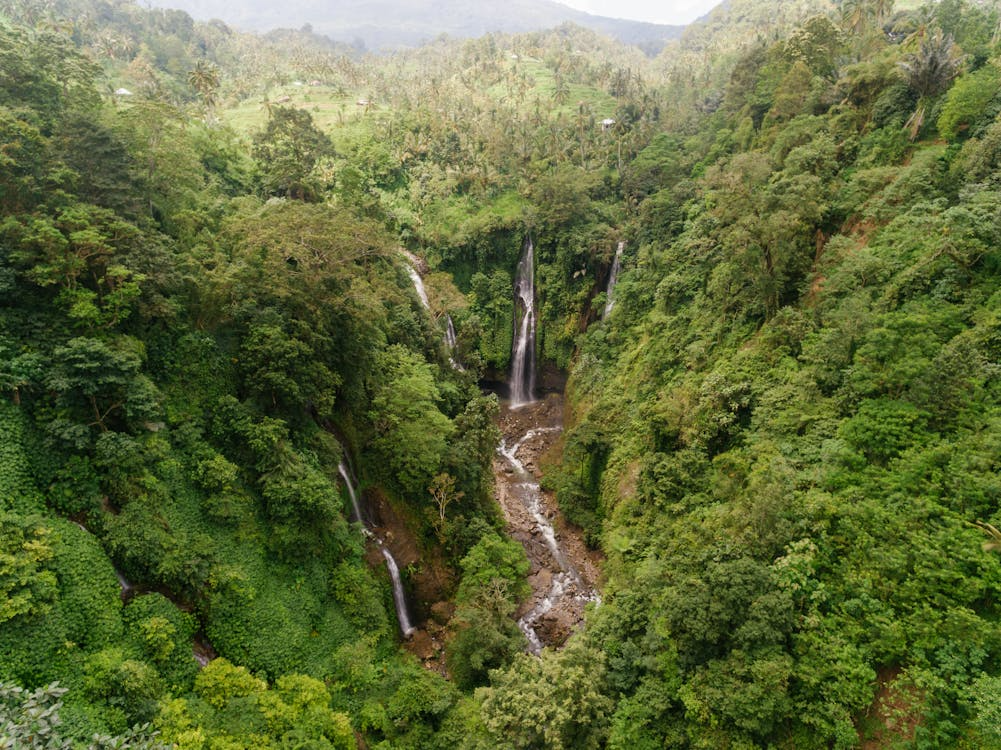
The trek involves a steep descent through fruit plantations and dense jungle, crossing several shallow streams before the full scale of the falls is revealed. At approximately 80 meters, the twin primary falls create a thundering soundtrack that echoes throughout the entire canyon.
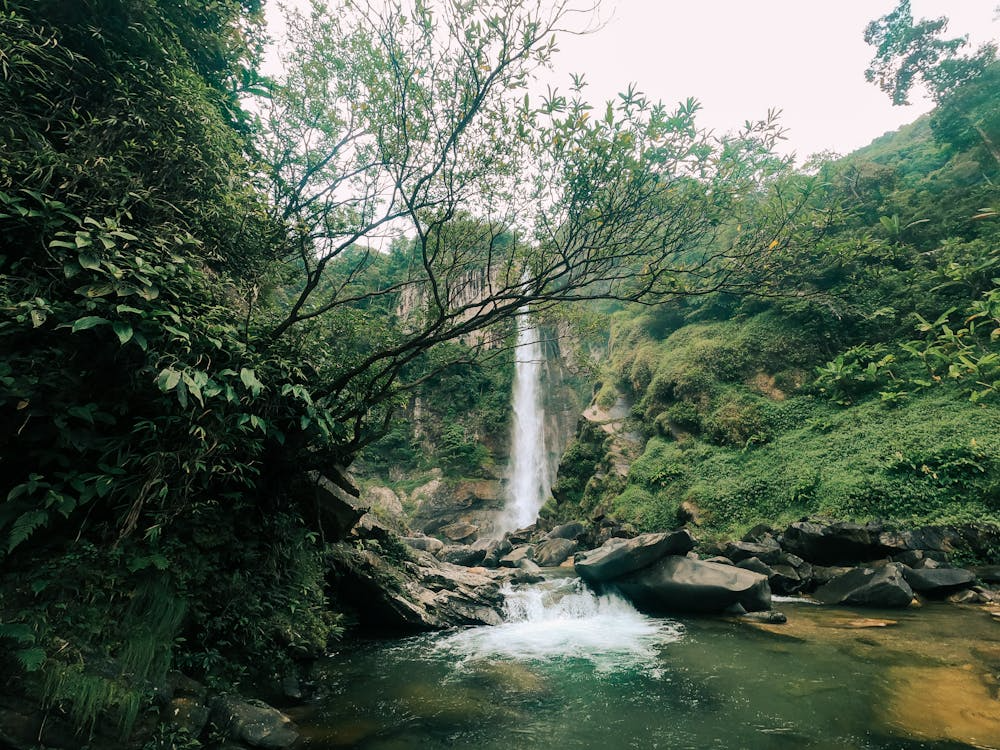
In 2026, Sekumpul remains the gold standard for those who value raw natural power. Visitors can choose between two main entry points: the Sekumpul village entrance or the Lemukih village approach. The latter offers spectacular views of the rice terraces before entering the valley.
We highly recommend hiring a local village guide to navigate the terrain safely and to learn about the different medicinal plants that line the path. Because of its remote location, the air here is incredibly crisp, and the water is crystalline, making it a mandatory stop for any serious nature explorer.
Detailed Information:
- Address: Sekumpul Village, Sawan, Buleleng Regency, North Bali
- Opening Hours: 8.00 AM to 5.00 PM daily
- Entrance Fee: Approximately IDR 200,000 (around $12–13 USD) for guided trekking packages
- Difficulty: High (steep steps and river crossings)
2. Gitgit Waterfall
Gitgit is one of the most accessible and historic Bali waterfalls, having been a staple of northern Bali tourism for decades. Situated between the mountain pass of Bedugul and the city of Singaraja, the falls are reached via a well-maintained path through a lush forest of clove trees and coffee bushes.
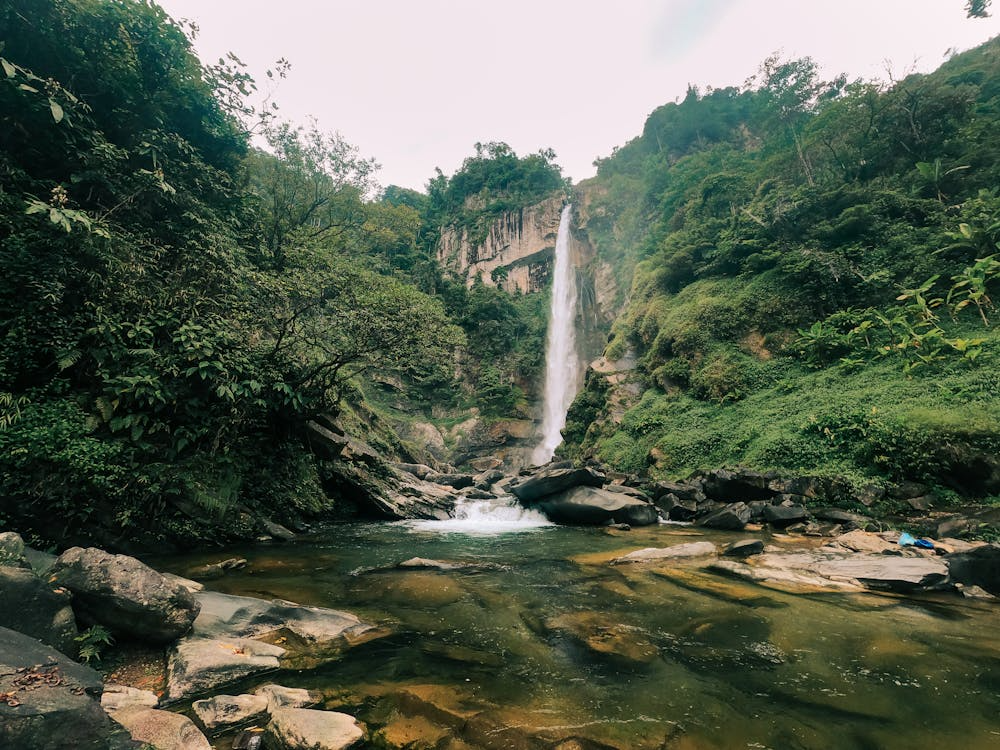
The most famous feature is the 40-meter drop that cascades into a shallow pool, which is safe for a cooling dip. Unlike the more rugged jungle treks, Gitgit features several smaller falls nearby, including the “Twin Falls” where two streams flow side by side.
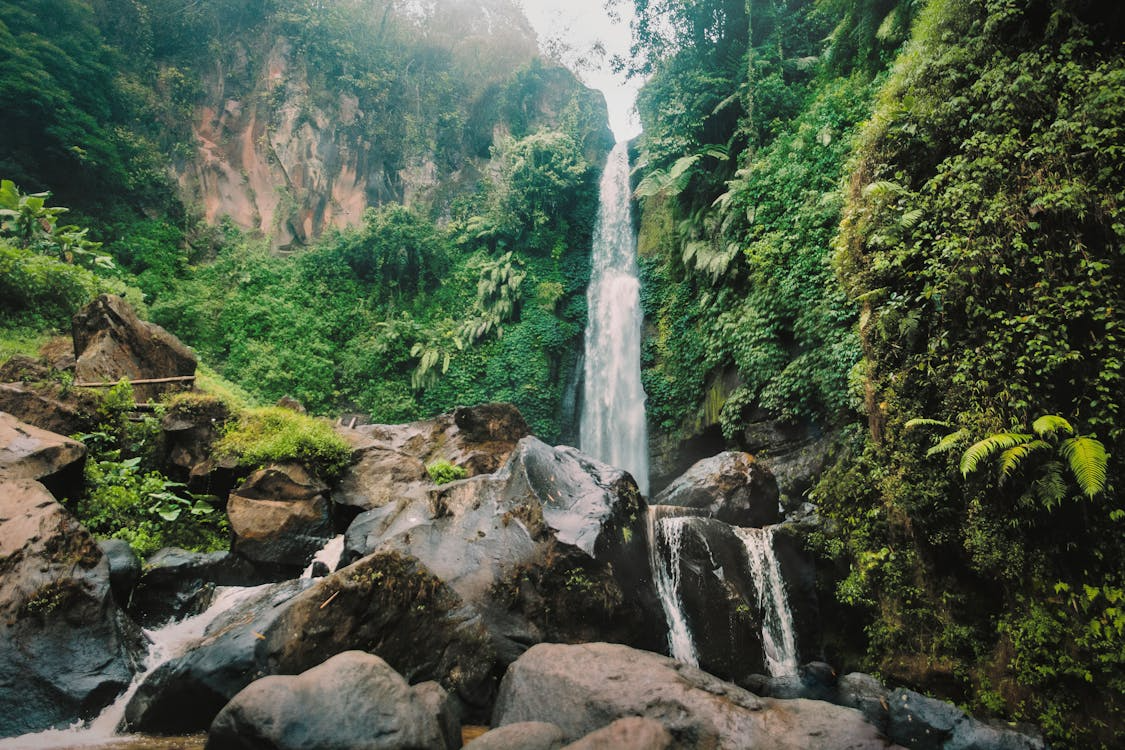
The infrastructure at Gitgit is well-developed, with small artisan stalls along the path selling traditional Balinese crafts and local spices. It is an excellent choice for families or those who prefer a less demanding trek.
In 2026, the local community has focused on sustainable management, ensuring the path remains clean, and the surrounding jungle is protected from over-development. The site offers a gentle introduction to the majesty of the Buleleng highlands, providing a classic Balinese nature experience that never goes out of style.
Detailed Information:
- Address: Gitgit Village, Sukasada, Buleleng Regency, North Bali
- Opening Hours: 8.00 AM to 6.00 PM daily
- Entrance Fee: Approximately 2 USD (IDR 30,000)
- Difficulty: Easy to Moderate (Well-paved steps)
3. Tegenungan Waterfall
For those basing themselves near the southern coast or the cultural hub of Ubud, Tegenungan is the most convenient of all Bali waterfalls. Located in the village of Kemenuh, Gianyar, it is unique for being situated in a valley rather than on a mountain slope.
The waterfall is wide and powerful, especially during the wet season, and it falls into a large basin that is a popular spot for photography. The recent addition of several high-end beach-club style lounges overlooking the falls has given the area a more social and energetic vibe compared to the quiet northern retreats.
Access to Tegenungan is exceptionally well managed, with a broad stone staircase leading down to the riverbed. For a different perspective, you can also hike to the top of the falls to see the water as it begins its plunge.
While it is one of the island’s busiest waterfalls, its proximity to the Sanur Special Economic Zone makes it a fantastic half-day trip for guests who want to balance a morning of exploration with an afternoon at a luxury spa. The site also features several swing installations for those looking to capture the iconic Balinese jungle aesthetic.
Detailed Information:
- Address: Kemenuh Village, Sukawati, Gianyar Regency
- Opening Hours: 6.30 AM to 6.30 PM daily
- Entrance Fee: Approximately 1.50 USD (IDR 25,000)
- Difficulty: Easy (Accessible stairs)
4. Nungnung Waterfall
If you are looking for a true “Heroic” experience, Nungnung Waterfall offers a monumental display of raw energy. Hidden high in the mountains at approximately 900 meters above sea level, this is one of the tallest Bali waterfalls, featuring a single drop of over 50 meters.
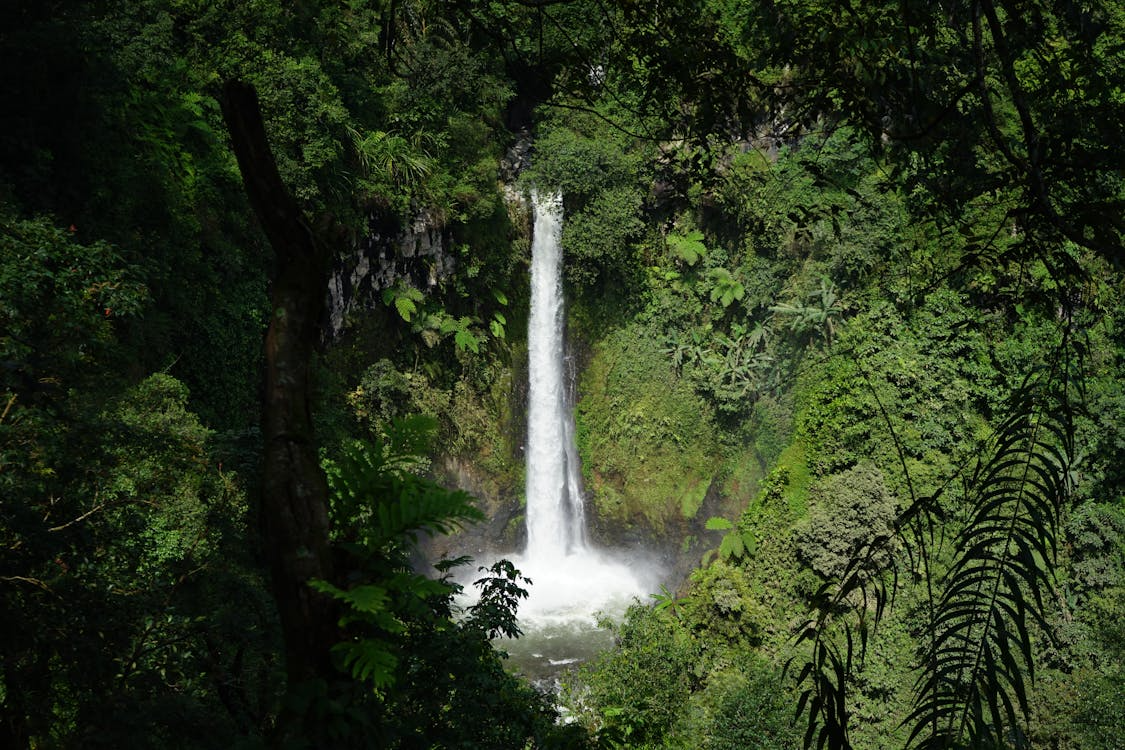
To reach the base, you must descend a staggering 500 concrete steps that wind down a steep gorge filled with oversized tropical ferns and vines. The humidity increases, and the sound of the water grows into a roar as you approach the bottom.
The power of Nungnung is palpable. The force of the water hitting the plunge pool creates a constant, cooling mist that blankets the entire area. Because the trek back up is physically demanding, Nungnung attracts fewer crowds, often allowing you to have the entire cathedral-like canyon to yourself. It is a fantastic destination for those who want to feel the immense scale of Bali’s volcanic landscape.
Detailed Information:
- Address: Belok/Sidan Village, Petang, Badung Regency
- Opening Hours: 8.00 AM to 4.00 PM daily
- Entrance Fee: Approximately 1.50 USD (IDR 25,000)
- Difficulty: Moderate to High (500 steep steps)
5. Tukad Cepung Waterfall
Tukad Cepung has earned a reputation as one of the most mystical and unique waterfalls in Bali for its unusual location inside a cavern. Unlike the expansive valley falls, you must walk through a narrow canyon of towering rock walls and wade through shallow water to reach the hidden chamber. Once inside, you are greeted by a delicate cascade that appears to fall directly from the sky through a circular opening at the top of the cave.
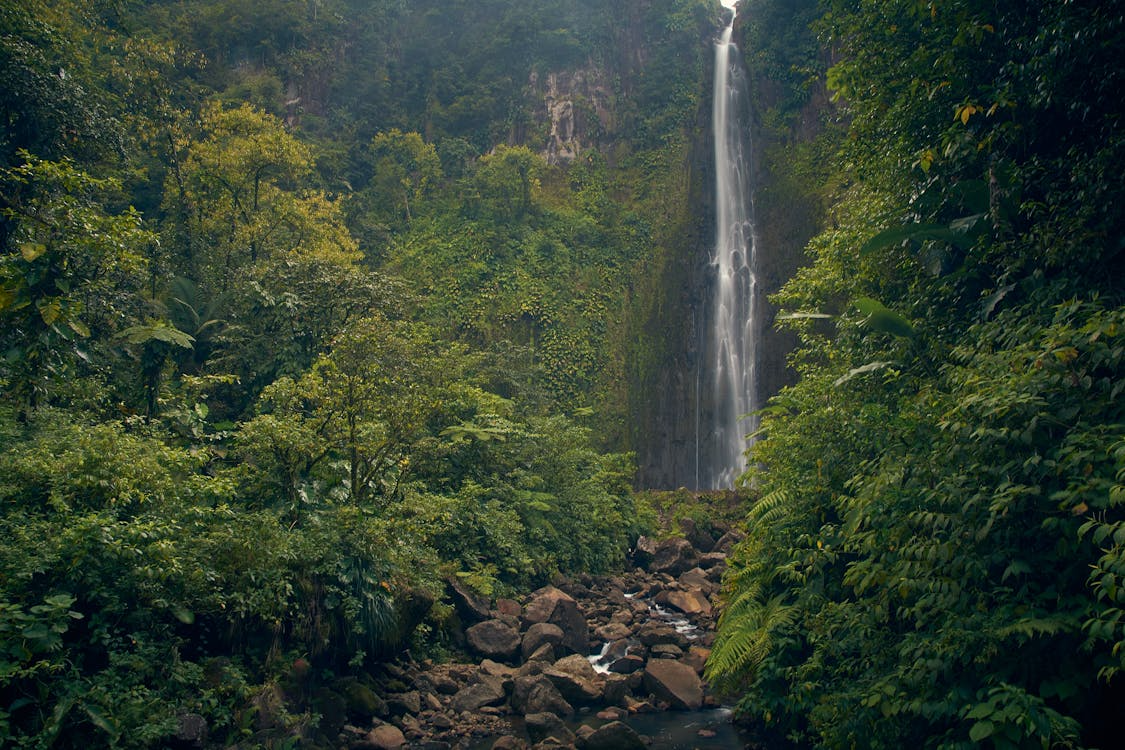
The absolute highlights of Tukad Cepung are the “crepuscular rays” that penetrate the cave between 10.00 AM and 11.00 AM. As the sunlight hits the mist, it creates a heavenly visual effect that is a favorite for professional photographers and spiritual seekers alike.
The water is usually ankle-deep, making it an adventurous but manageable trek for most travelers. This site emphasizes the “Niskala” or unseen magic of the island, where the intersection of light, stone, and water creates a natural temple of profound beauty.
Detailed Information:
- Address: Jalan Tembuku, Bangli Regency
- Opening Hours: 8.00 AM to 6.00 PM daily
- Entrance Fee: Approximately 1 USD (IDR 15,000)
- Difficulty: Moderate (Wading and narrow paths)
6. Banyumala Twin Waterfalls
Located in the Wanagiri area near the twin lakes of Buyan and Tamblingan, Banyumala is often described as one of the most beautiful “curtain” style Bali waterfalls. The water flows down a wide, lush cliff face covered in dark green moss and vibrant wildflowers, eventually splitting into two main streams that cascade into a perfectly circular turquoise pool. The water here is remarkably still and clear, making it the best location on the island for a serene natural swim.
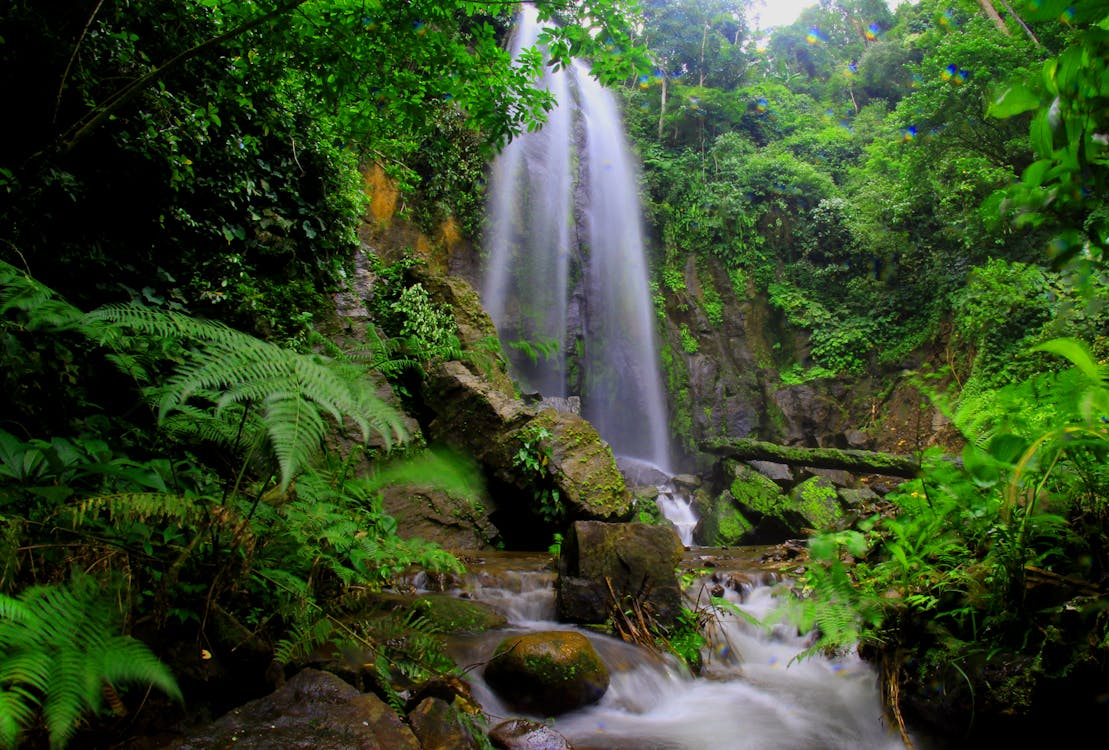
The trek to Banyumala is relatively short but involves navigating some narrow dirt paths and bamboo bridges. The environment is one of absolute tranquility, as the falls are tucked away from the main road in a quiet valley.
In 2026, it remains a premier destination for those seeking an “escape within an escape.” The gentle flow of the water and the sheer variety of tropical plants make it feel like a curated botanical garden created by nature. It is a fantastic choice for a romantic nature picnic or a reflective morning of solitude.
Detailed Information:
- Address: Wanagiri, Sukasada, Buleleng Regency
- Opening Hours: 7.00 AM to 6.00 PM daily
- Entrance Fee: Approximately 2 USD (IDR 30,000)
- Difficulty: Moderate (Steep and occasionally slippery sections)
7. Aling-Aling Waterfall
For the traveler who finds rejuvenation through movement and thrill, Aling-Aling is the capital of adventure among Bali waterfalls. Located in the village of Sambangan, also known as the “Secret Garden,” this site is famous for being a natural waterpark.
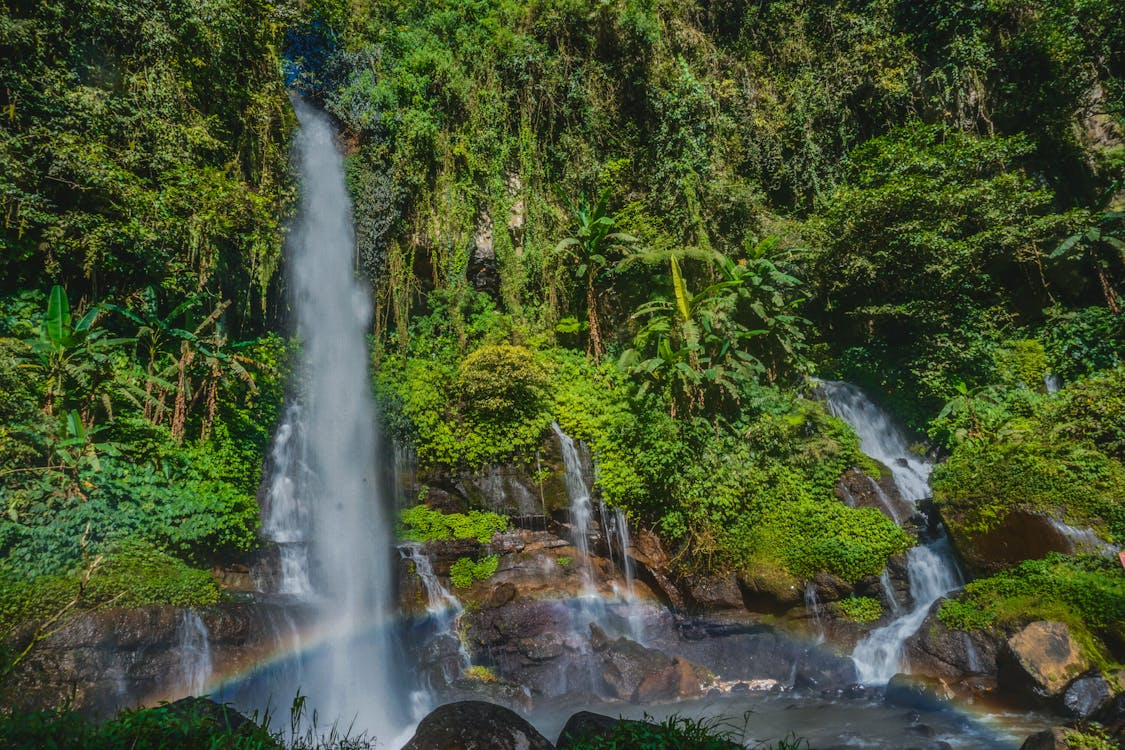
While the primary fall of Aling-Aling is a sacred 35-meter drop where swimming is prohibited, the surrounding smaller falls offer a playground of slides and jumps. You can slide down a 12-meter natural rock slide at Kroya Waterfall or test your courage with a 15-meter cliff jump into the deep pools of Kembar Waterfall.
The experience at Sambangan is highly organized, with professional guides provided to ensure the safety of all participants. You are equipped with life jackets and taught the correct techniques for jumping and sliding. It is a high-energy activity that is perfect for groups of friends or families with active teenagers.
Beyond the adrenaline, the trek through the Sambangan valley offers an educational look at the local Subak farming system and the diverse tropical fruit trees that sustain the village. It is a comprehensive encounter with the “Heroic” energy of North Bali.
Detailed Information:
- Address: Sambangan Village, Sukasada, Buleleng Regency
- Opening Hours: 8.00 AM to 5.00 PM daily
- Entrance Fee: Approximately 10 USD (IDR 150,000) for a guided trekking and jumping package
- Difficulty: Moderate (Active movement required)
8. Munduk Waterfall
Situated in the highland village of Munduk, this waterfall is known for its cool climate and tranquil setting. The area is often shrouded in morning mist, giving the region a mystical atmosphere.
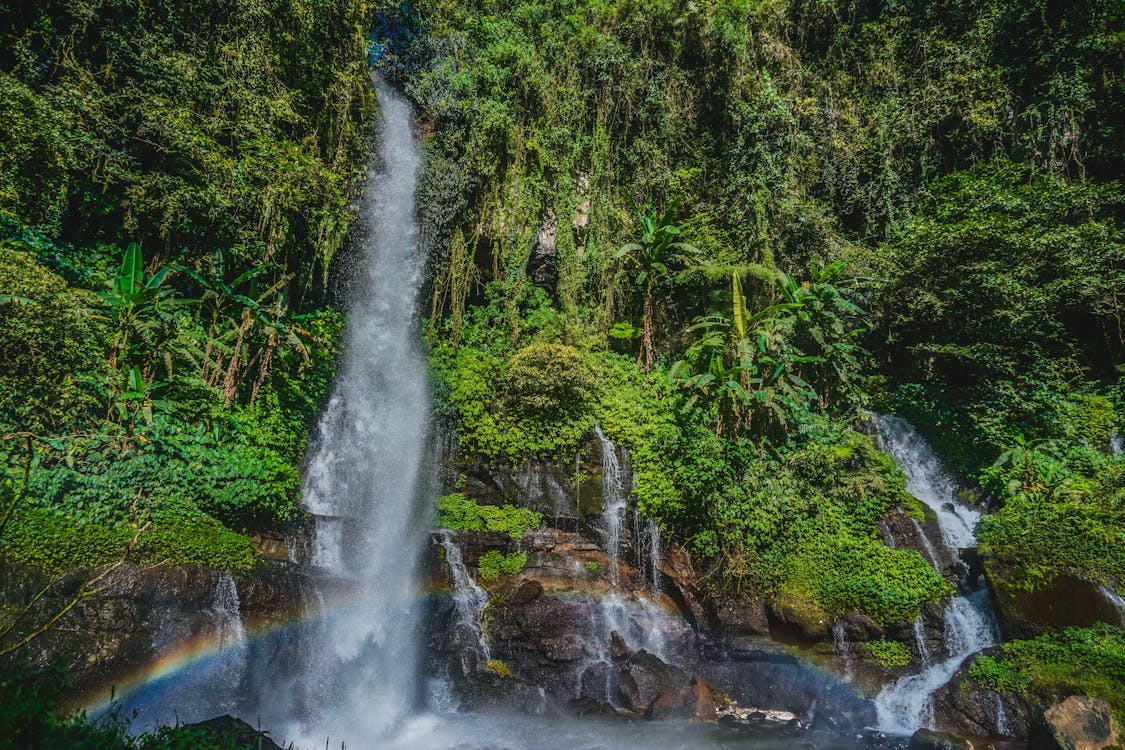
The trek to the falls is one of the most pleasant on the island, winding through clove, cocoa, and coffee plantations. The scent of drying cloves often fills the air as you walk toward the sound of the water. At approximately 20 meters high, the fall is elegant and constant, dropping into a shallow, rocky stream.
Munduk is a sanctuary for those who prefer the “Old Bali” atmosphere. There are no large crowds here, and the focus is on appreciating the natural environment and local agricultural heritage.
In 2026, the village has maintained its status as an eco-tourism hub, offering several guided “waterfall loops” where you can visit three different falls in a single afternoon. After your trek, we highly recommend stopping at a local plantation cafe to taste the world-famous Munduk coffee, which is grown on the very slopes you have just explored.
Detailed Information:
- Address: Munduk Village, Banjar, Buleleng Regency
- Opening Hours: 6.00 AM to 6.00 PM daily
- Entrance Fee: Approximately 1.50 USD (IDR 20,000)
- Difficulty: Easy to Moderate (Pleasant plantation walk)
9. Leke Leke Waterfall
Leke Leke is a hidden gem that has become a favorite for those seeking an uncrowded and photogenic coastal-to-jungle transition. Located in the Antugan area of Tabanan, the waterfall is reached via a beautifully manicured path that feels like a private botanical garden.
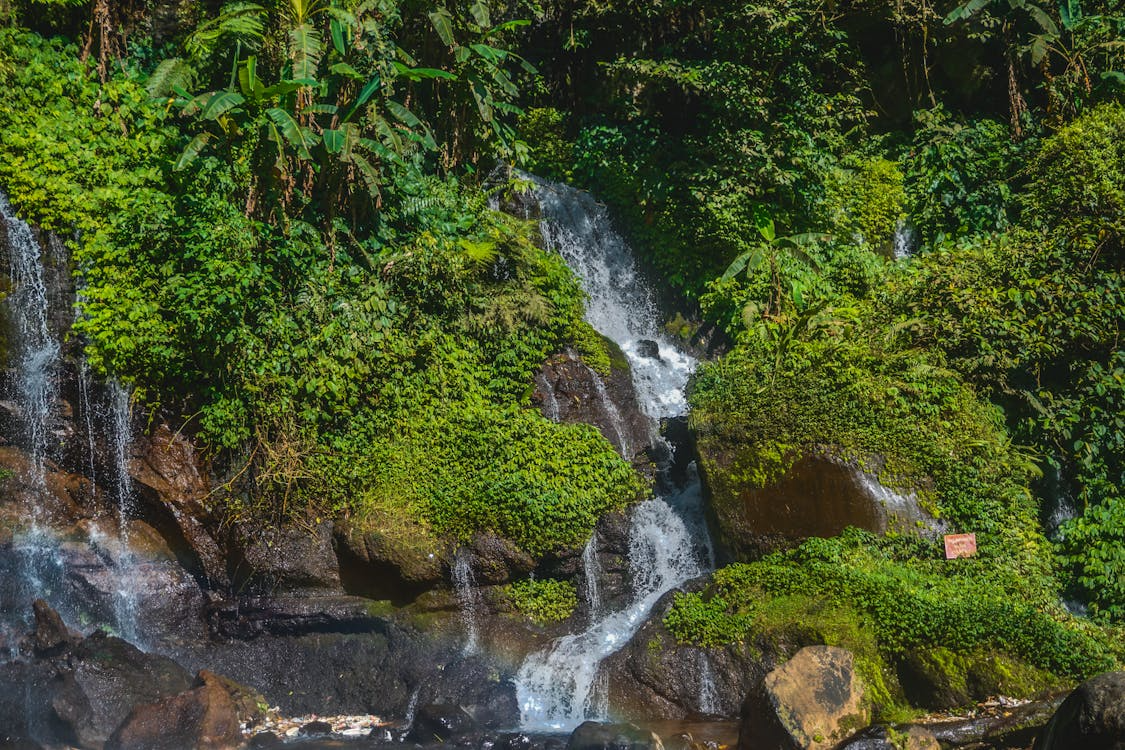
The trek is easy and takes about 15 minutes, crossing a charming bamboo bridge before arriving at the base of the falls. Leke Leke is a narrow, elegant fall that drops into a small, shallow pool surrounded by high stone walls covered in prehistoric-looking ferns.
The atmosphere at Leke Leke is one of intimate discovery. It is smaller in scale than Sekumpul or Nungnung, which makes the experience feel more personal and quiet. The local family who manages the site takes great care to maintain the cleanliness and natural aesthetic of the path.
It is an ideal stop for those traveling between Sanur and the Bedugul mountains. After visiting the falls, you can enjoy a fresh coconut at the small wooden cafe near the entrance, making it a perfect unhurried addition to your list of Bali waterfalls to visit.
Detailed Information:
- Address: Antugan, Perean, Tabanan Regency
- Opening Hours: 7.00 AM to 5.00 PM daily
- Entrance Fee: Approximately 3.25 USD (IDR 50,000)
- Difficulty: Easy (Well-maintained paths)
10. Kanto Lampo Waterfall
Kanto Lampo offers a different visual experience compared to traditional vertical waterfalls. This step-style cascade in Gianyar Regency flows over a series of tiered black rock formations, creating a unique textured appearance.
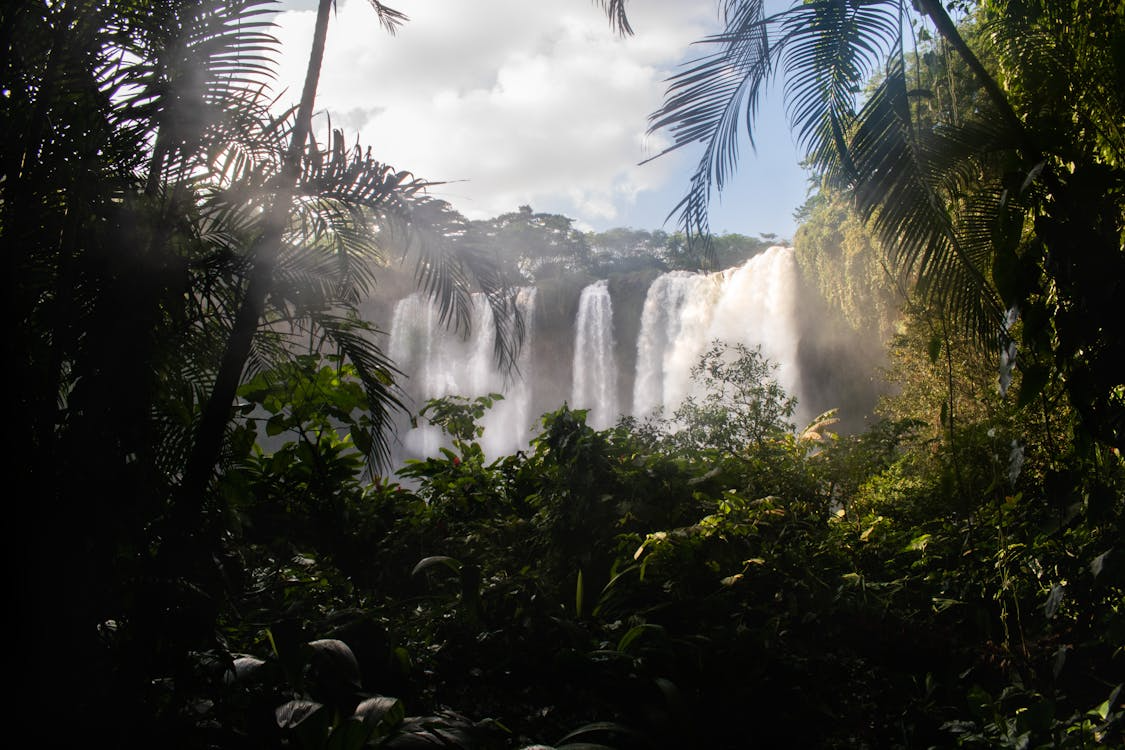
While the waterfall has existed for years, it has gained popularity more recently due to improved access and social media exposure. The rocks are relatively easy to navigate, allowing visitors to sit beneath the cascading water for a refreshing experience.
The site is popular for its accessibility, requiring only a short walk from the parking area. In 2026, it remains a favorite spot for photographers, as the water spreads across the rock surface to create a striking visual backdrop.
The best time to visit is during the golden hour, late afternoon, when the light hits the wet stone, creating a shimmering effect. It is a social and accessible location that perfectly captures the “village” energy of the Gianyar regency.
Detailed Information:
- Address: Beng Village, Gianyar Regency (Near Denpasar)
- Opening Hours: 8.00 AM to 6.00 PM daily
- Entrance Fee: Approximately 1.50 USD (IDR 20,000)
- Difficulty: Very Easy (Short walk)
11. Tibumana Waterfall
Tibumana is a classic “curtain” waterfall in the Bangli regency, known for its perfect symmetry and deep, calm swimming pool. The water falls in a single, straight column, creating a visual that is both simple and powerful. The path leading to the falls is exceptionally scenic, passing through lush forest and over small bamboo bridges.
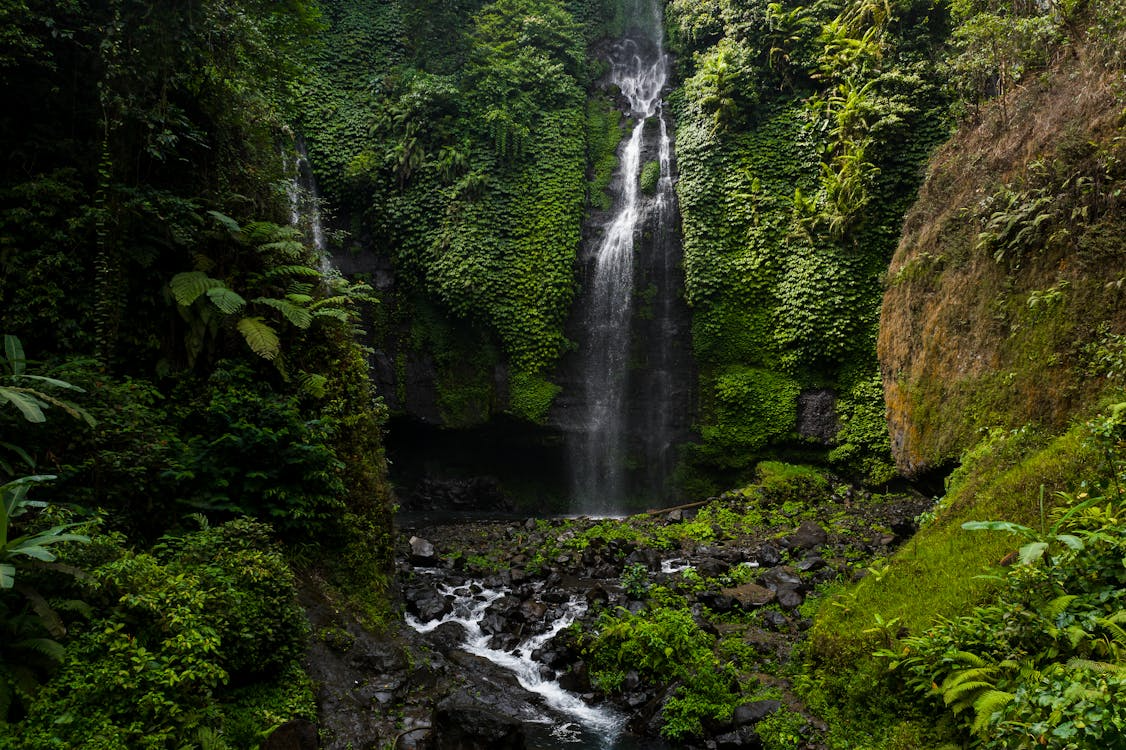
The pool at Tibumana is one of the safest for swimming, as it is deep and free of sharp rocks. It is a fantastic place to spend a slow afternoon, floating in the cool mountain water while listening to the sounds of the tropical birds. Tibumana maintains a peaceful, respectful atmosphere, making it a favorite among couples seeking a romantic, private encounter with nature.
Detailed Information:
- Address: Apuan, Susut, Bangli Regency
- Opening Hours: 6.00 AM to 6.00 PM daily
- Entrance Fee: Approximately 1.50 USD (IDR 20,000)
- Difficulty: Easy (A pleasant forest walk)
12. Peguyangan Waterfall
Peguyangan is one of the most unconventional sites on this list. Located on the rugged cliffs of Nusa Penida, it is not a traditional waterfall but a coastal sacred site where a freshwater spring flows into a series of pools overlooking the sea. To reach the site, visitors must descend the famous “Blue Stairs” — a narrow staircase of approximately 700 steps that clings to the side of a limestone cliff. The descent offers dramatic ocean views and, occasionally, glimpses of manta rays below.
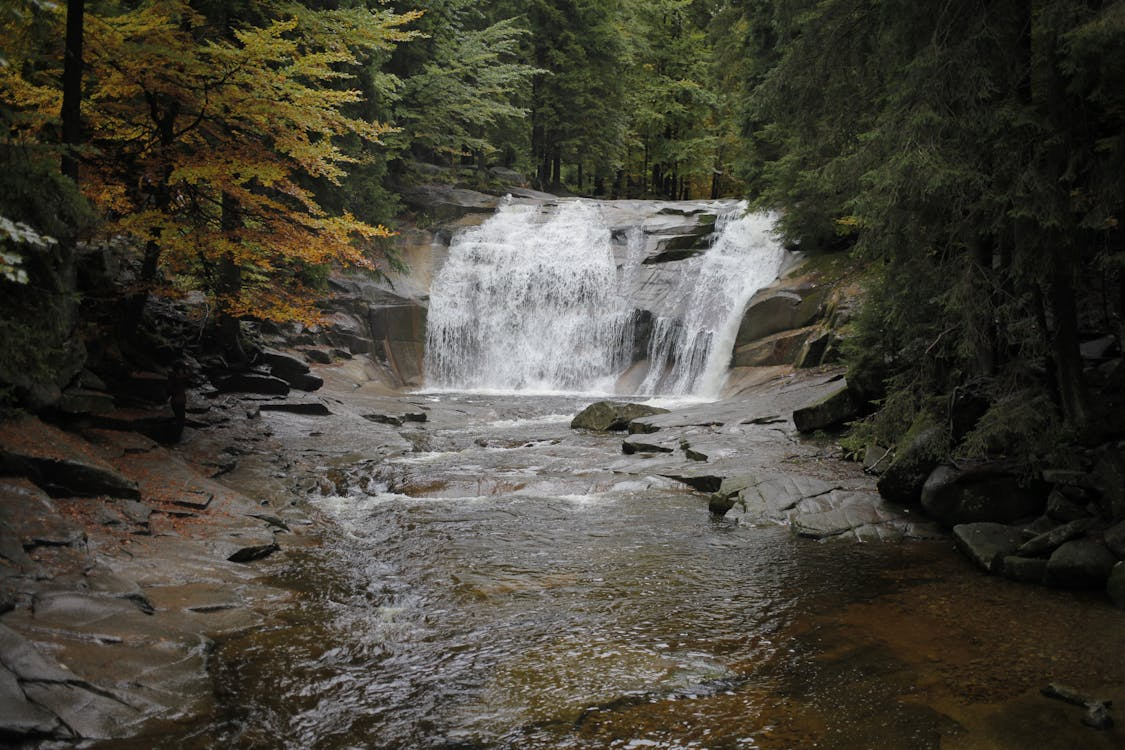
At the base, you will find a small temple and several natural pools where the spring water gathers before flowing toward the ocean. The site holds deep spiritual significance for the local community and is used for purification rituals.
Detailed Information:
- Address: Batukandik, Nusa Penida (approximately 30–45 minutes by fast boat from Sanur Port)
- Opening Hours: 6.00 AM to 6.00 PM daily
- Entrance Fee: Approximately IDR 10,000 (around $0.65–0.75 USD), plus sarong rental
- Difficulty: High (approximately 700 narrow cliff steps)
Recommended Accommodations for Nature Explorers
Chasing Bali waterfalls often involves long drives and steep jungle steps, which is why your choice of home base is critical for a restorative experience. The Bali Beach Hotel is the ultimate strategic hub for the discerning traveler.

As a member of The Heritage Collection and an icon of Indonesian progress, our resort stands as a cultural diplomat, providing a majestic setting that honors the nation’s history and artistry on a grand scale. Originally inaugurated in 1966 by President Soekarno, the property has undergone a monumental revitalization, blending its mid-century modern roots with contemporary 2026 luxury standards.
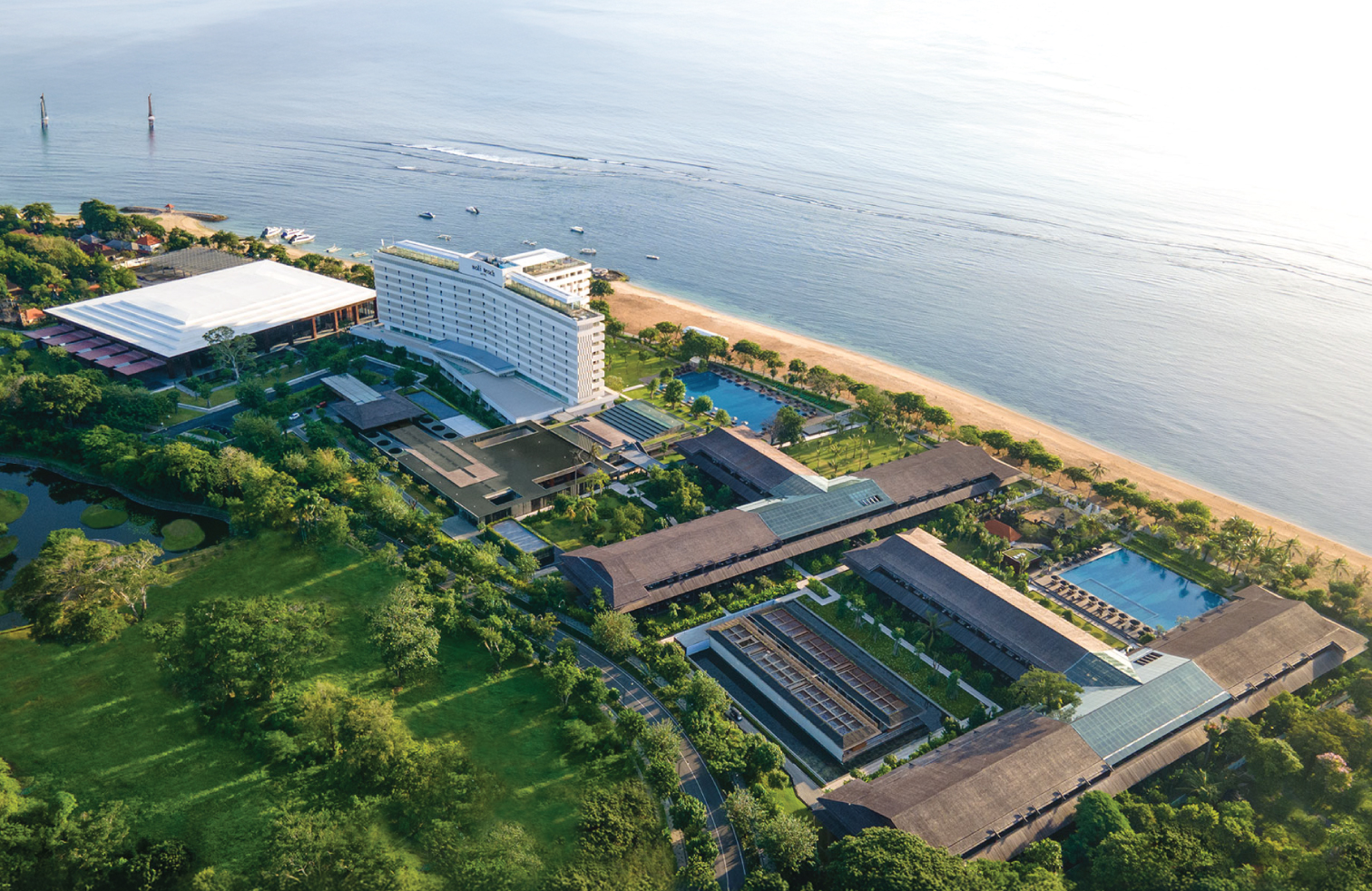
Our location on the eastern coast of Sanur provides a strategic advantage that few other regions can match. Sanur is the gateway to the bypass road, allowing for efficient access to the central and northern highlands, where the most breathtaking Bali waterfalls are located.
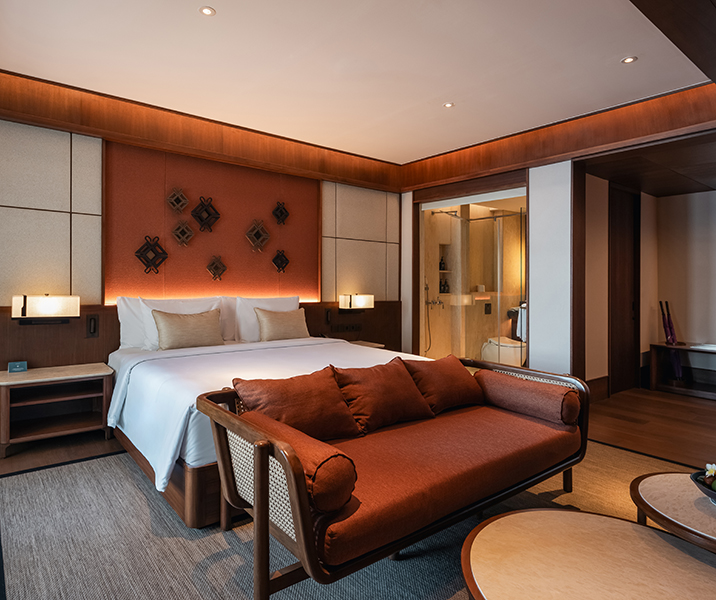
Establishing your base at The Bali Beach Hotel guarantees a comfortable return after an active day in nature. You can trade the humid jungle heat for the refreshing coastal breeze of our ten-story tower, where every room is designed to offer a panoramic ocean view, allowing you to wake up to the healing sunrise every morning of your stay.
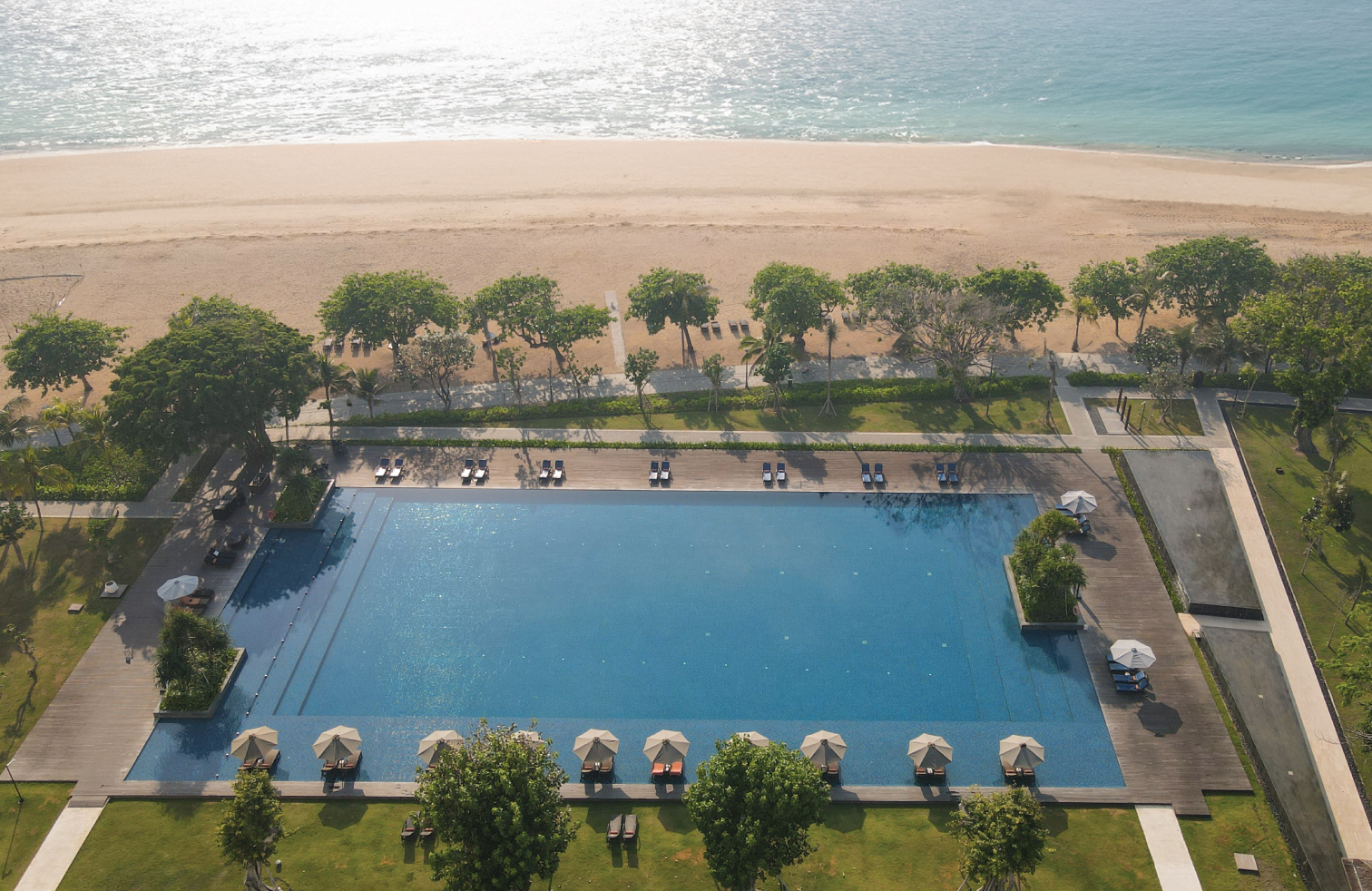
After a physically demanding day of trekking through canyons, your body will naturally seek to restore balance. We invite you to rejuvenate in the monumental Bali Beach Pool, spanning an impressive 57 by 37 meters and offering an expansive environment for low-impact recovery laps.
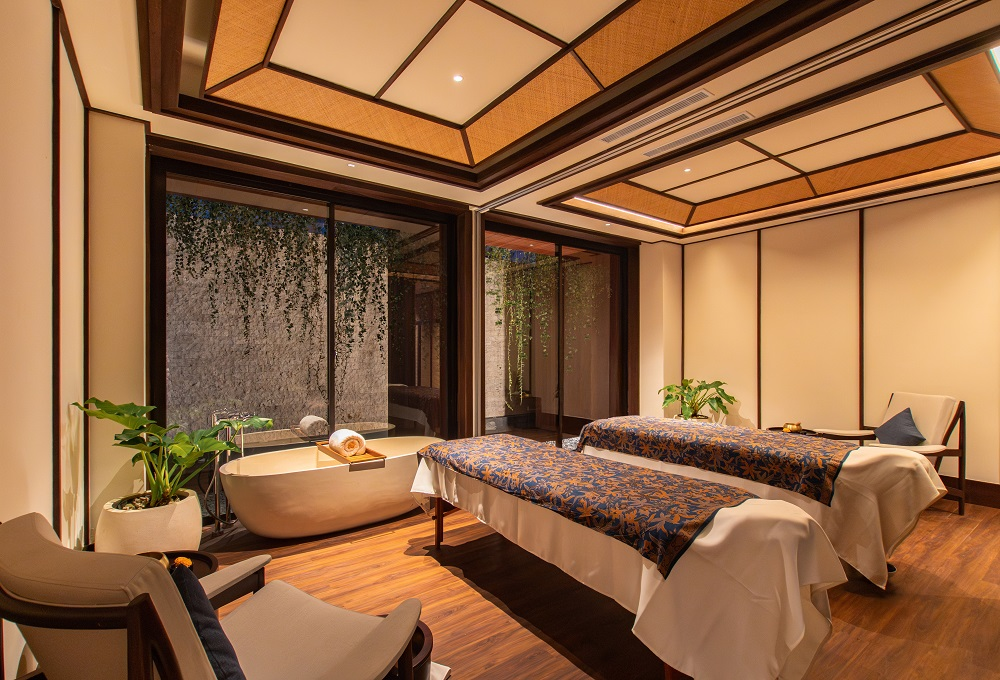
For a deeper reset, visit the Taru Pramana Spa & Wellness center located at our shared estate. Our treatments are inspired by ancient botanical wisdom, utilizing heated sand and herbal poultices to soothe muscle tension and restore your energy balance.
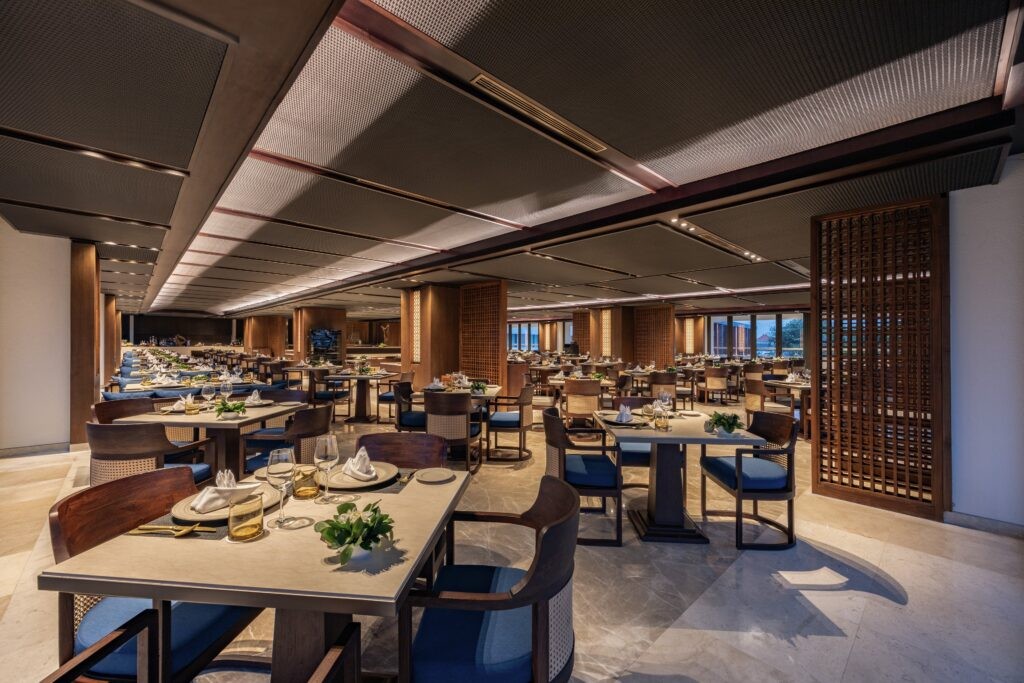
You can then conclude your day with an authentic Indonesian dinner at Roso Restaurant or reflect on your adventures in the sophisticated library ambiance of the Sutasoma Lounge.
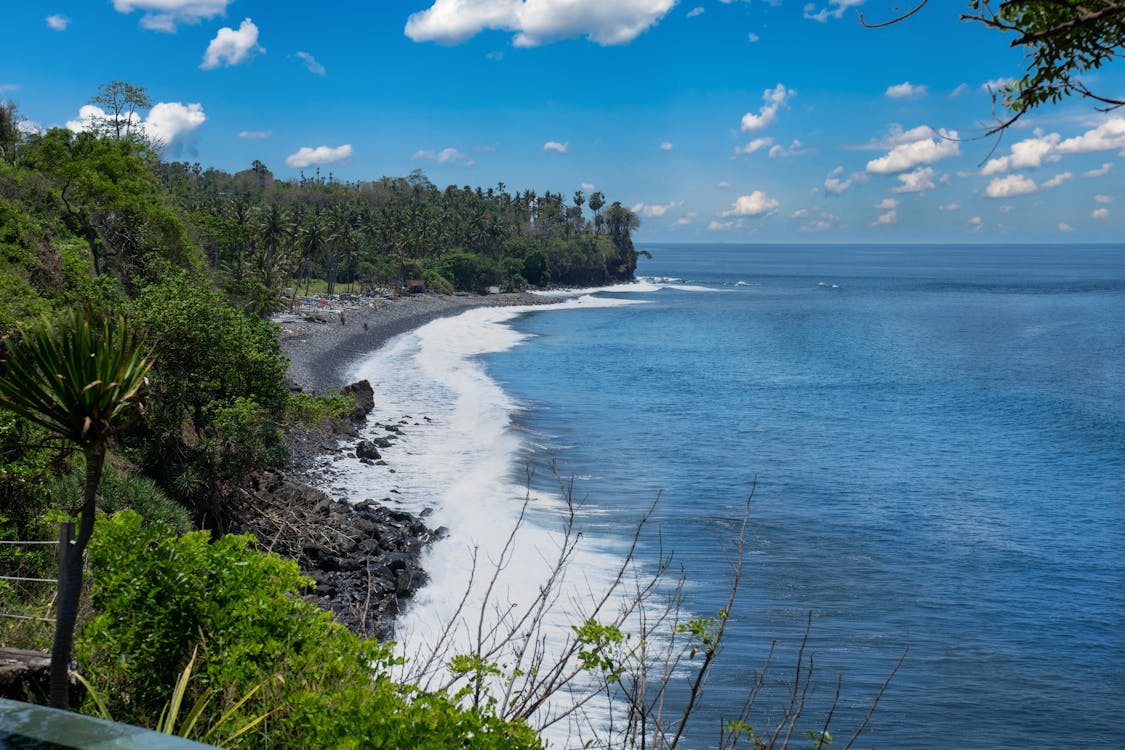
To make your exploration of the island’s natural wonders even more seamless, we invite you to book our North of Bali excursion through our dedicated Activity Desk. This full-day journey is designed to introduce you to the beauty, spirituality, and history of the island’s northern regencies.
Excursion: North of Bali – What to Expect
- The Ulun Danu Bratan Temple: Visit the iconic eleven-tiered pagoda built on an island in the lake.
- Twin Lake Viewpoint: Marvel at the spectacular panoramic views of Lake Buyan and Lake Tamblingan.
- Banyumala Waterfall: Immerse yourself in the twin cascades and clear swimming pools of this hidden gem.
- Mountain-Top Dining: Enjoy a tailored lunch experience at Ngiring Ngwedang Restaurant, perched at 1,200 meters above sea-level with breathtaking views.
- Brahma Vihara Arama: Explore the serene Buddhist monastery, a silent guardian of the northern hills.
- Banjar Hot Springs: End your day with a luxurious dip into the volcanic hot springs situated within tropical gardens near Lovina Beach.
By choosing The Bali Beach Hotel, you ensure that your discovery of the most beautiful Bali waterfalls is complemented by a stay that is intentional, restorative, and authentically Balinese. Begin your journey of discovery and personal realignment at the heart of the sunrise coast.
Conclusion
The island of Bali is a world-renowned destination where nature and tradition are woven together with extraordinary grace. Chasing the most beautiful Bali waterfalls is more than just a sightseeing tour; it is a journey to discover the unique values and geological richness that have shaped this heritage land.
From the thundering power of Sekumpul to the mystical cave of Tukad Cepung, each cascade offers a different lesson in resilience and beauty. We hope this 2026 guide empowers you to plan a journey that honors your adventurous spirit and your need for tranquility. May your time on the Island of the Gods be filled with unhurried discovery and the profound peace of the highland waters.
FAQs
Which of the famous Bali waterfalls are easiest to access with kids?
Tegenungan, Kanto Lampo, and Tibumana are the easiest to access. They feature well-maintained pathways and relatively short walks from the parking areas. Tegenungan, in particular, offers the best infrastructure, including restaurants and resting areas, making it a reliable choice for families traveling with younger children.
Are the jungle trails to the waterfalls safe during the wet season?
While the waterfalls are at their most powerful and “Green Season” beauty during the wet months (November to March), the trails can become slippery and prone to sudden mudslides. We suggest hiring a local guide and wearing footwear with aggressive tread. Always check the weather forecast before departing, as some canyon falls like Tukad Cepung can experience flash flooding during heavy rain.
Do I need to pay entrance fees to visit the hidden cascades?
Yes, almost all significant Bali waterfalls require an entrance fee. These fees typically range from 1.50 USD to 13 USD (IDR 20,000 to 200,000) and are used by the local villages to maintain the paths and preserve the environment. Some remote sites, like Sekumpul, implement a higher fee for guided treks to ensure visitor safety and manage tourist volume.
Can I swim in the natural pools beneath the falls?
Most Bali waterfalls feature plunge pools that are safe and refreshing for swimming. However, you should always observe the signs and local advice. Some pools can have powerful undercurrents directly beneath the falling water. We recommend bringing a towel and a dry change of clothes to keep you comfortable after your swim.
What should I pack for a full-day waterfall trekking excursion?
An essential packing list includes reef-safe sunscreen, a wide-brimmed hat, eco-friendly insect repellent, and plenty of drinking water. You should wear lightweight, quick-drying clothing and sturdy hiking sandals or trail shoes. We also suggest bringing a small waterproof dry bag to protect your electronics from the mist and a light sarong for visiting nearby village shrines. Knowing what to pack ensures a seamless transition between the jungle and the coastline.