Bali is a year-round paradise that changes its personality with the shifting winds. Deciding when to visit this island depends entirely on the type of holiday you desire (whether it be sun-soaked days by the ocean or misty mornings in the cultural highlands). This guide breaks down the 2026 calendar to help you synchronize your travel plans with the island’s natural rhythms.
Overview of Bali’s Weather Seasons
Bali sits approximately 8 degrees south of the equator. This location grants it a tropical climate that is generally warm and humid throughout the year. However, the island experiences two distinct seasons driven by the monsoon winds.

The Dry Season (April to October) brings cooler breezes from Australia and lowers the humidity. This is the period when the skies are a piercing blue, and the ocean is most inviting.
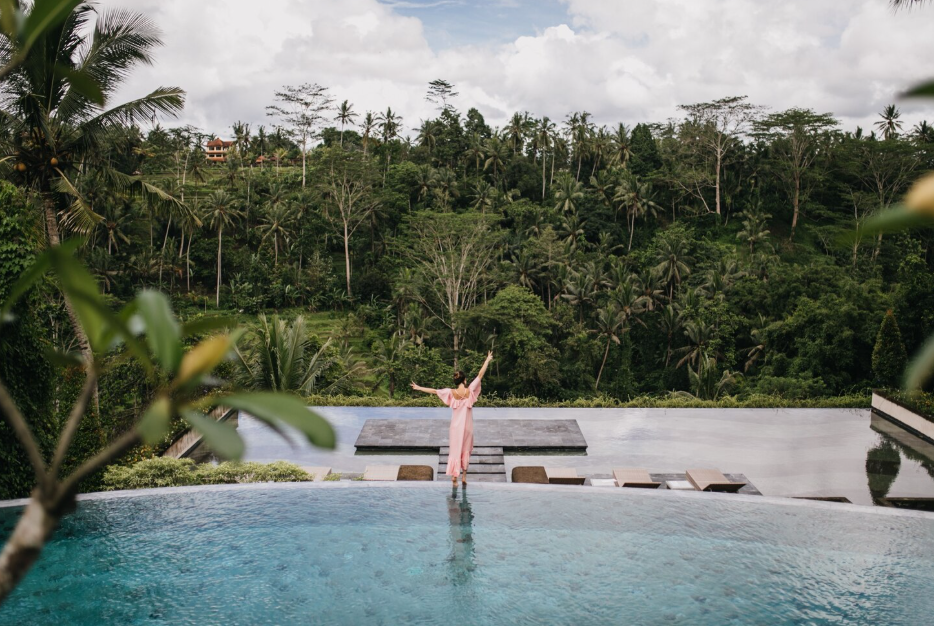
Conversely, the Wet Season (November to March) is characterized by the northwest monsoon. This season brings warmer temperatures, higher humidity, and tropical downpours that turn the jungle into a vibrant emerald green. Understanding these patterns is the key to unlocking the best possible experience in 2026.
The Dry Season (April – October): Best for Sun & Sea
The dry season is widely considered the best time to visit Bali for outdoor exploration. From April through October, humidity drops to around 60%, and the cooling trade winds make the beachfront promenade very pleasant.
Weather Conditions
From April through October, the humidity drops significantly (often hovering around 60%). The days are sunny and the nights can feel pleasantly cool, especially in coastal areas like Sanur. July and August are typically the coolest months, with average daytime temperatures of 27°C (80°F) and nighttime temperatures of 23°C (73°F).
The trade winds pick up during this time, keeping the air fresh and providing excellent conditions for wind-based sports. You can expect long hours of sunshine and minimal rainfall. This makes it the safest bet for travelers who want to maximize their time outdoors.
Best Activities (Beach Days at The Bali Beach Hotel)
This is the season to live by the water. The ocean conditions on the east coast (Sanur) are particularly calm and clear during these months. It is the perfect time to experience the Bali Beach Pool at The Bali Beach Hotel.
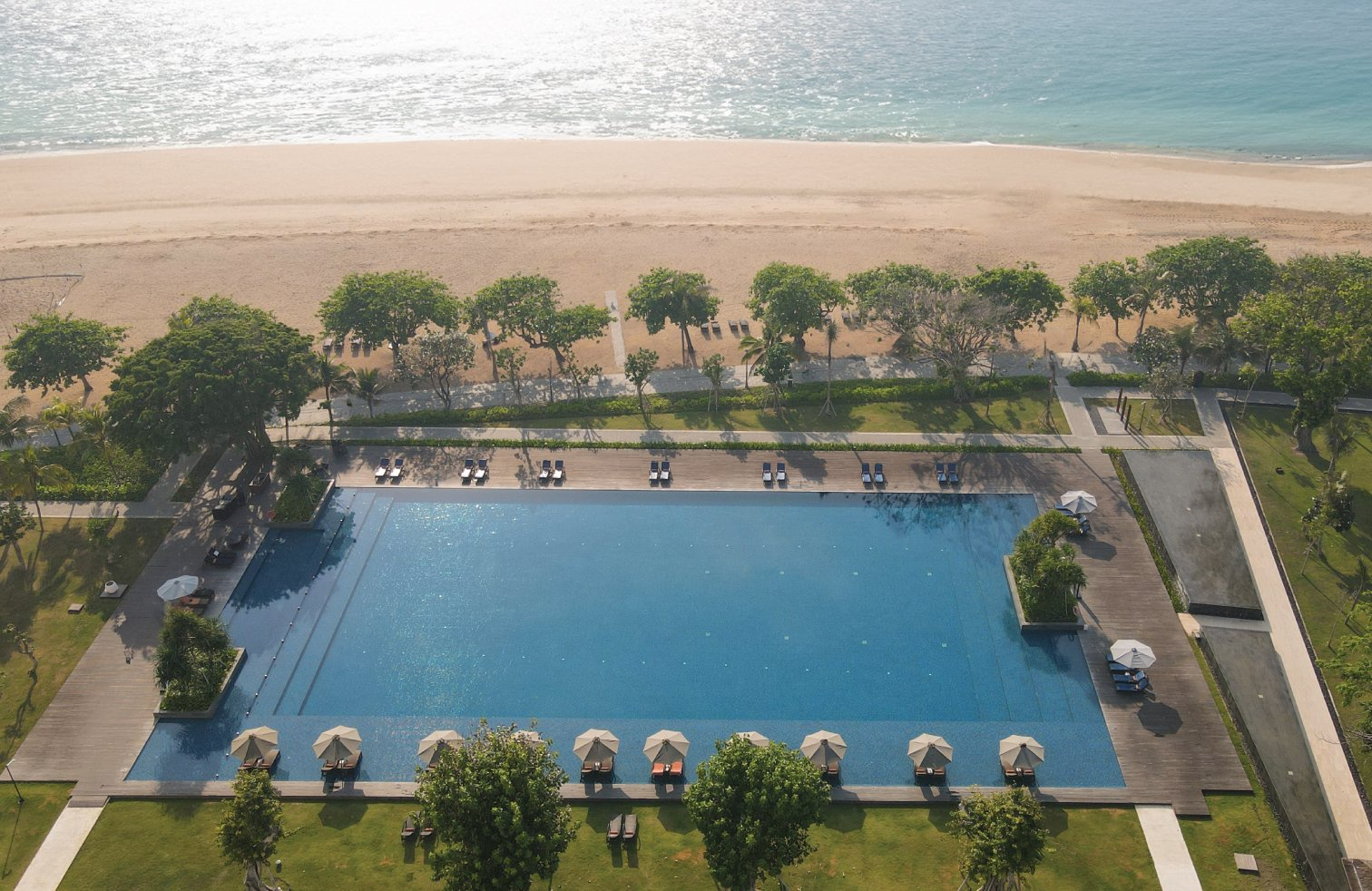
As the largest pool in Sanur, it becomes a social and recreational centerpiece during the dry season. Guests can swim laps in the morning sun or lounge with a cocktail as the afternoon breeze rolls in off the Indian Ocean. The resort serves as a premier Family Destination, with its massive pool and calm lagoon providing a safe and exciting environment for children to play.

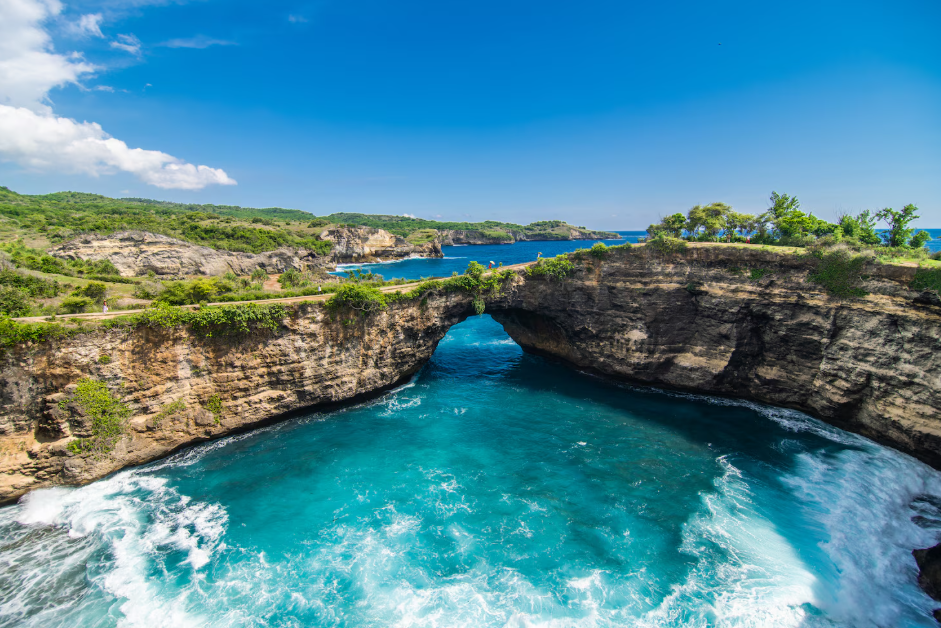
Surfing is another major draw during this season. While the west coast (Uluwatu, Canggu) sees big swells for professionals, the reefs off Sanur offer gentle breaks that are perfect for beginners or longboarders. The clear skies also make this the ideal time for island hopping. You can take a fast boat from Sanur Harbor to Nusa Penida to see the dramatic cliffs of Kelingking Beach without the fear of rough seas.
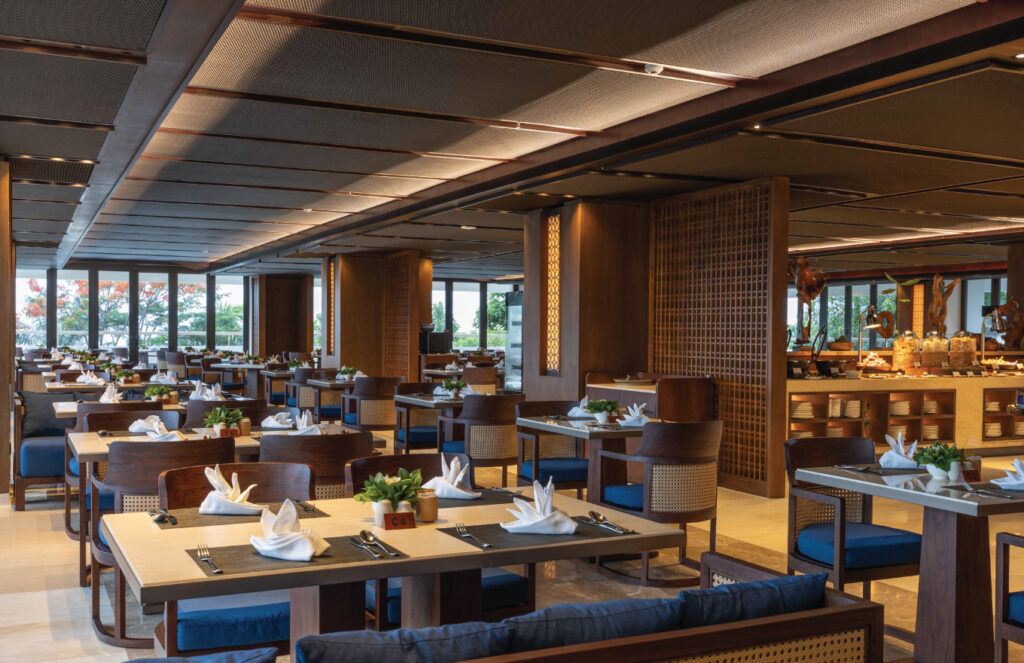
Dining takes on a new life in the dry season. The evenings are dry and balmy, which is perfect for alfresco dinners. You can enjoy a seafood feast under the stars or a romantic walk along the Sanur promenade without worrying about a sudden shower.
Exploring the Outdoors

The dry season is also the prime window for trekking. Hiking Mount Batur to catch the sunrise is a popular activity, best done when the sky is clear. The visibility from the summit can extend all the way to Mount Rinjani on the neighboring island of Lombok. Since the trails are dry, navigating the volcanic rock is safer and more accessible for hikers of all levels.
The Wet Season (November – March): Best for Lush Greenery
Don’t let the “Green Season” deter you; it offers a moody, romantic, and vibrant side of the island. Many travelers find this the best time to visit Bali to avoid the mid-year crowds.
Weather Conditions
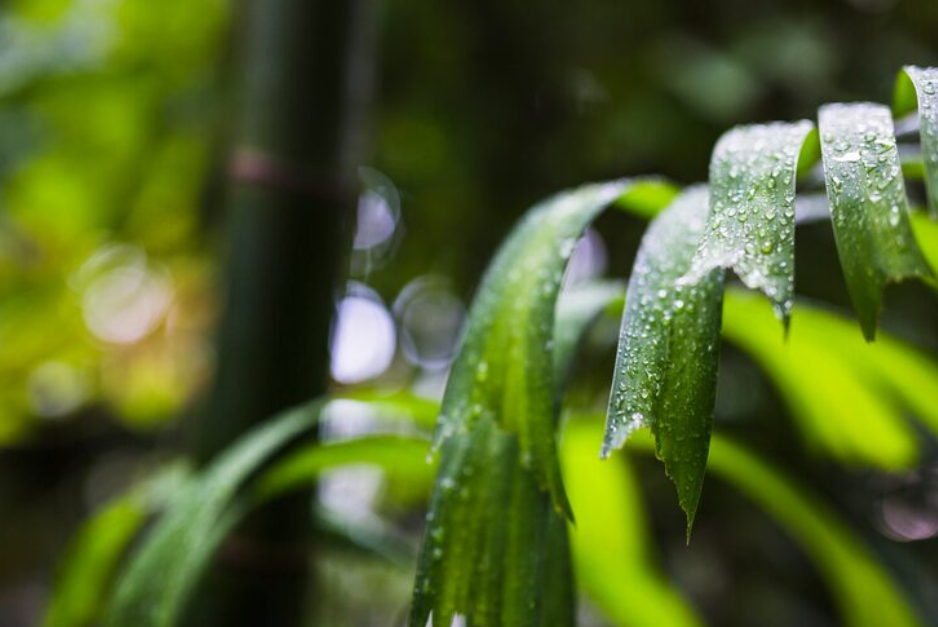
During these months, the wind shifts and brings moisture from the Asian continent. The humidity rises, and the air feels thicker and warmer. Rainfall typically comes in the form of intense tropical downpours lasting an hour or two in the afternoon or overnight. It rarely rains for days on end.
While the entire island experiences tropical rainfall, Sanur is often less affected by west-coast debris during monsoon months. The reef-protected waters remain calm, allowing for year-round swimming in a cleaner environment. For travelers visiting during this period, Sanur stands out as a reliable destination for consistent beachfront luxury.
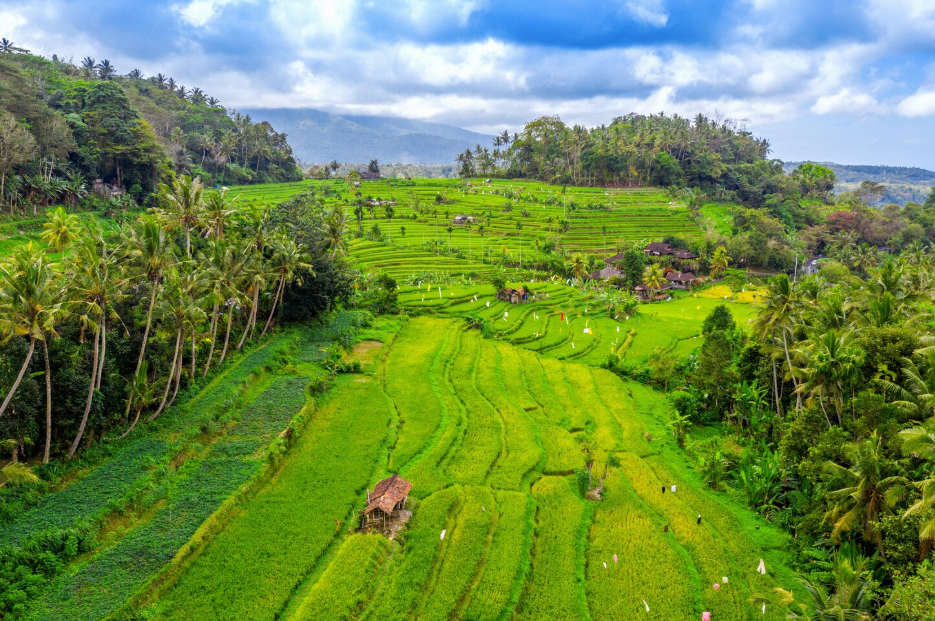
The result of this rain is an explosion of life. The rice terraces turn a fluorescent green, the waterfalls flow with immense power, and the flowers bloom in vivid colors. The temperature remains warm (averaging 30°C or 86°F), making the rain feel more like a warm shower than a cold nuisance.
Best Activities (Spa at Meru Sanur & Cultural Tours)
The wet season is the time to turn inward, making it the most restorative period to visit Bali and retreat into the tranquil sanctuary of The Meru Sanur. As tropical rain gently falls over the coastline, the atmosphere becomes cooler, quieter, and deeply contemplative. It is an ideal moment to slow down and reconnect with the body through a traditional Balinese massage, performed with rhythmic techniques and aromatic oils while listening to raindrops cascading over lush garden leaves.
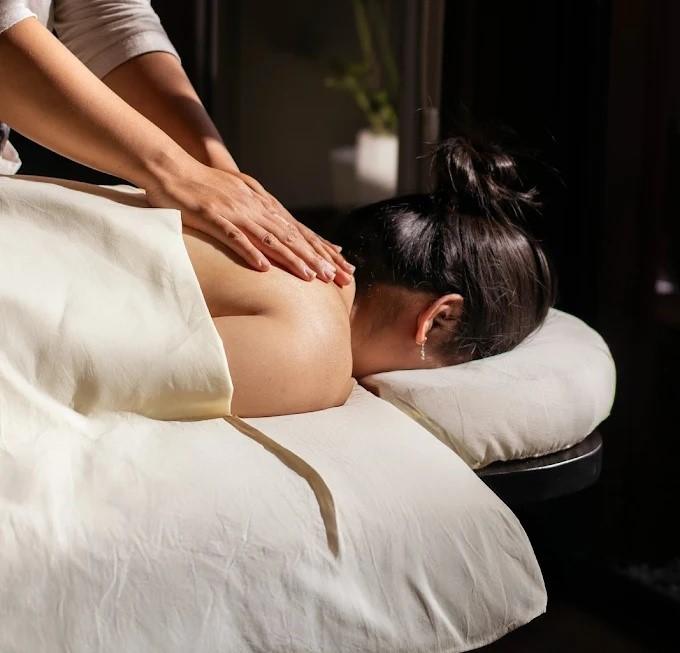
During this season, the Taru Pramana Spa and Wellness sanctuary offers an especially immersive experience. Inspired by ancient ethnobotanical knowledge, treatments incorporate indigenous herbs such as turmeric, ginger, and lemongrass to promote circulation, detoxification, and muscular release.
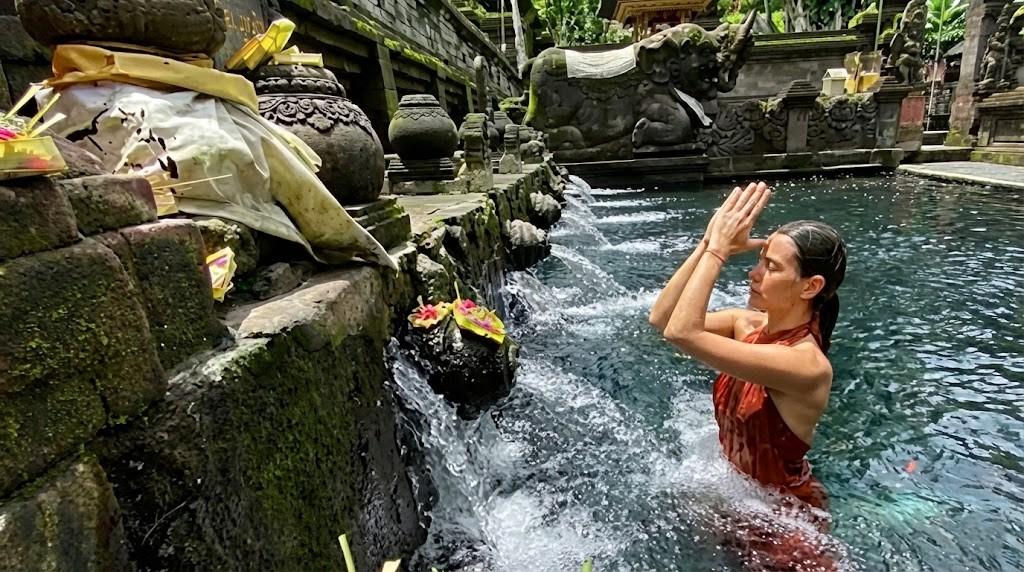
Hydrothermal facilities, mindful breathing rituals, and personalized therapies further enhance the sense of renewal, transforming a rainy afternoon into a purposeful wellness retreat.

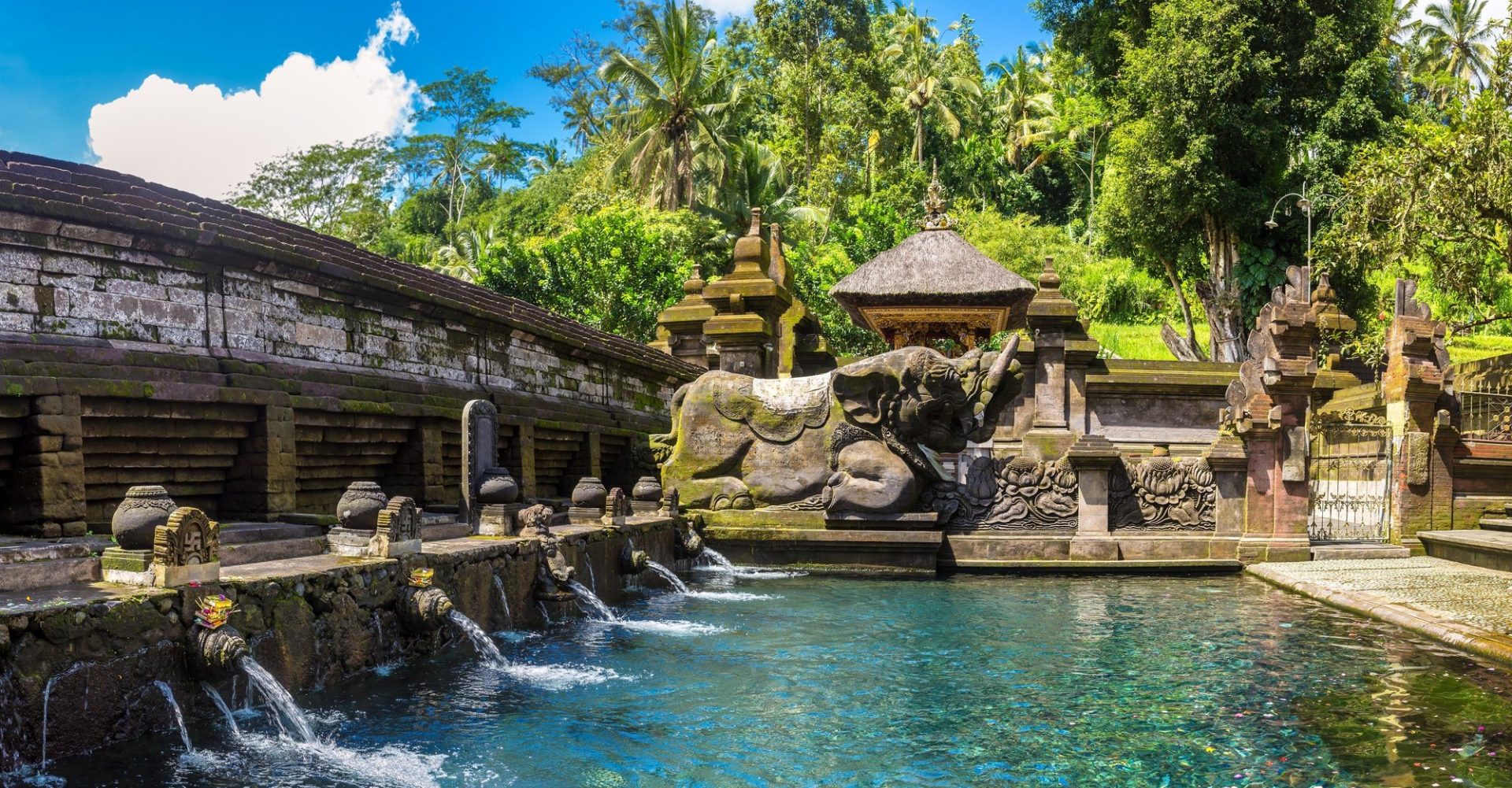
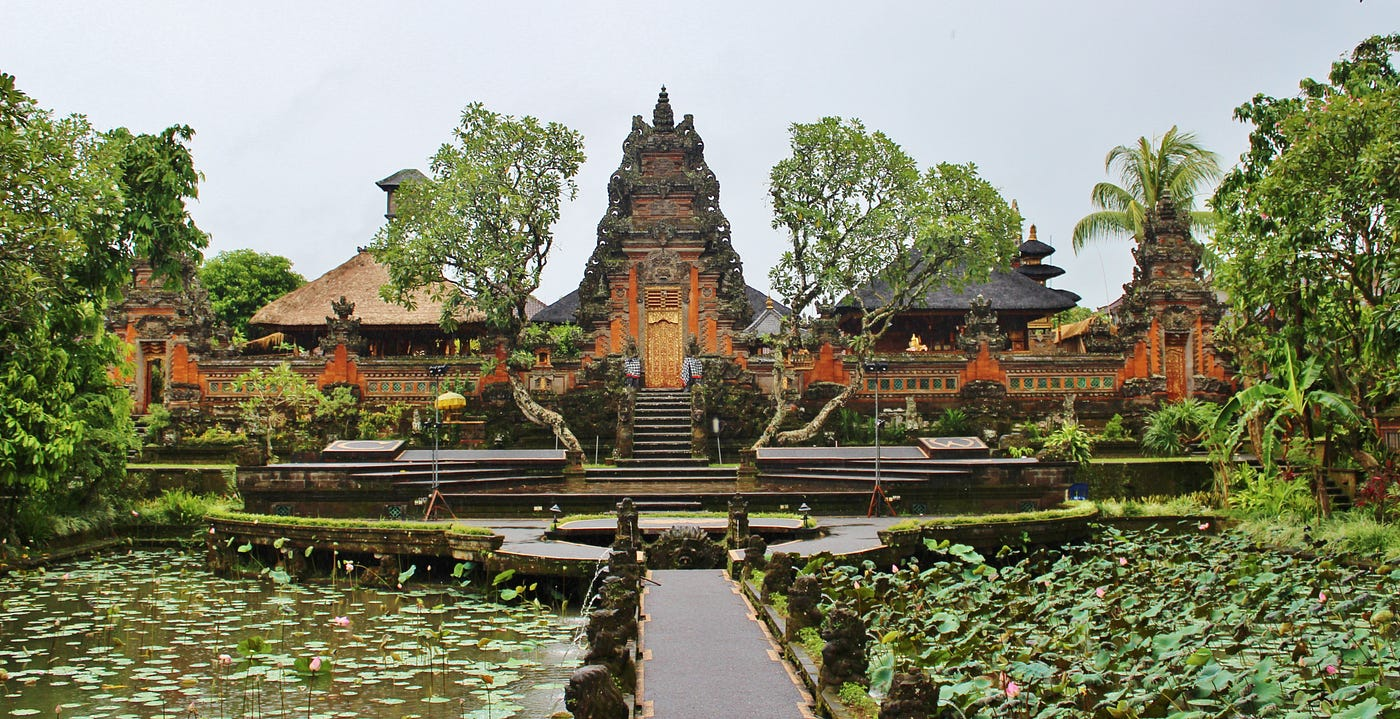
This is also the best time to explore Bali’s indoor cultural heritage. You can visit the ancient temples (like Besakih or Tirta Empul) where the wet stone and moss create a mystical atmosphere. Museums in Ubud (such as ARMA and Blanco Renaissance Museum) offer shelter and a deep dive into Balinese art history.
For shopping enthusiasts, Sarinah at The Bali Beach Hotel offers a curated indoor experience. Open from 8:00 to 20:00, this retail haven lets you uncover the spirit of Indonesia without getting wet.
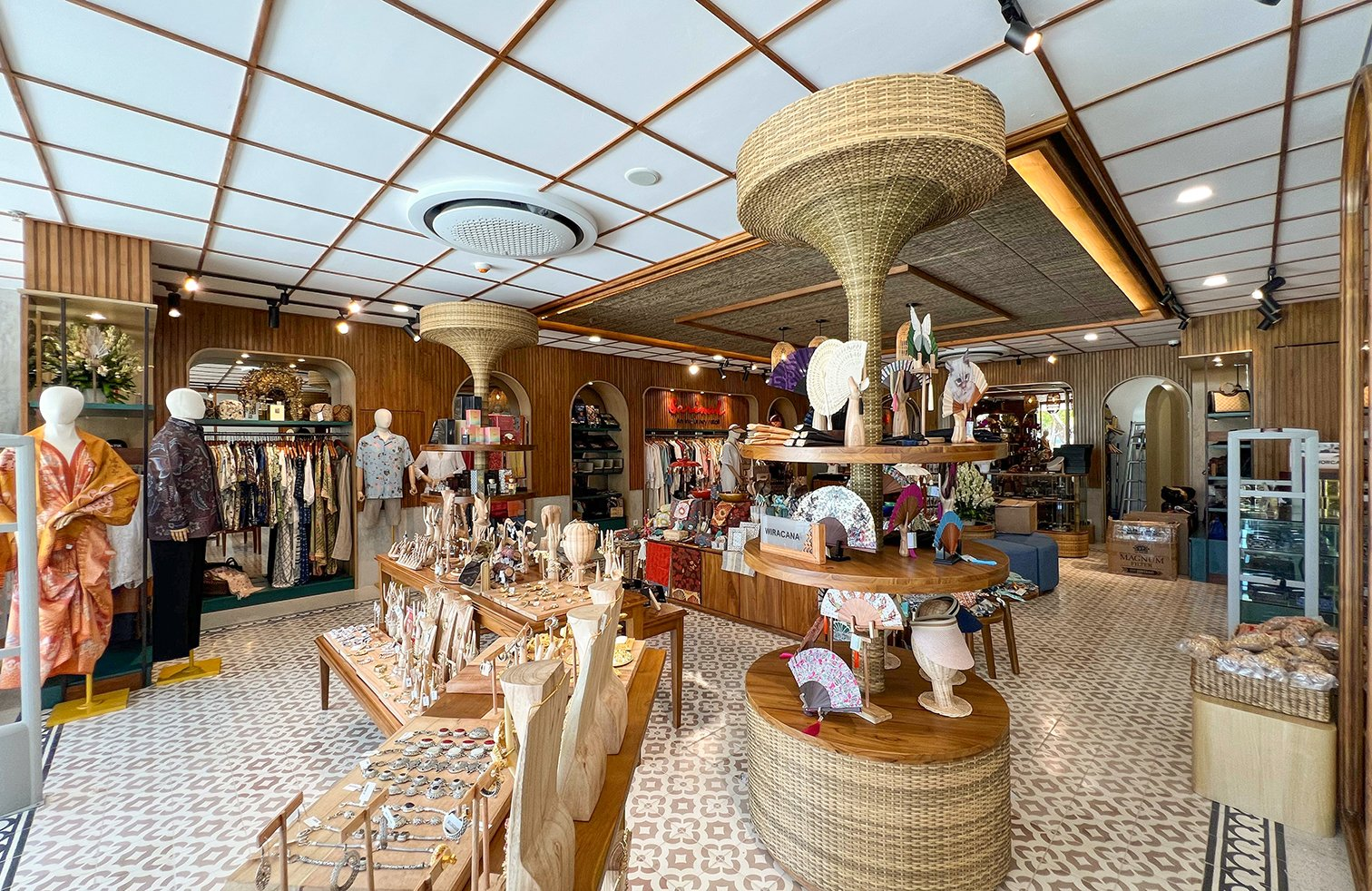
You can explore a selection of traditional textiles and contemporary craftsmanship in comfort. It is a refined way to spend a rainy afternoon.
The Magic of the “Green Season”
Photographers often prefer the wet season for its dramatic lighting. The clouds create spectacular sunsets with deep purples and fiery oranges that you rarely see in the clear dry season.
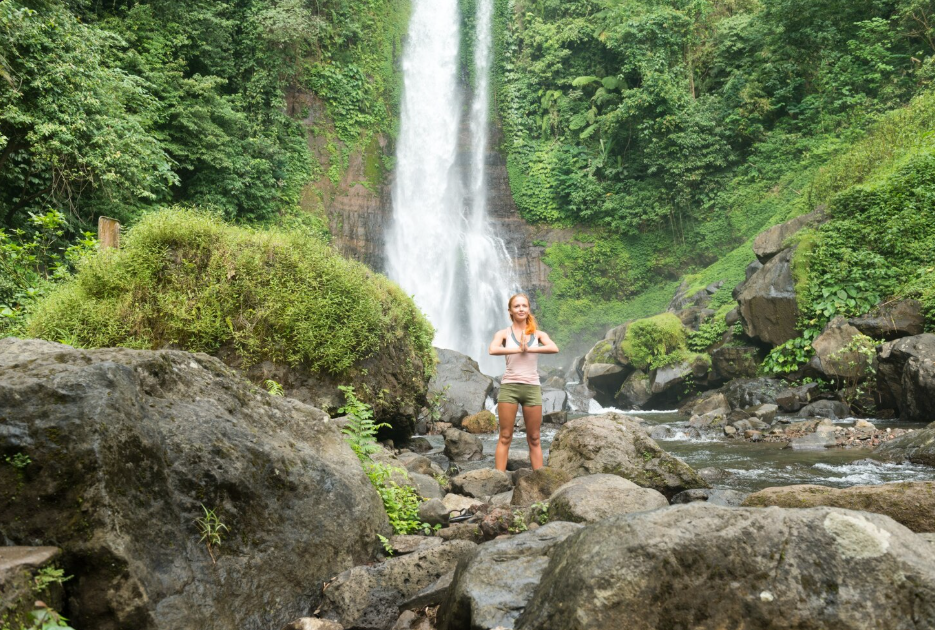
The waterfalls (such as Sekumpul or Nungnung) are at their most majestic capacity. Furthermore, the crowds are generally thinner (outside the Christmas peak), allowing for a more private and authentic connection with the island.
A Month-by-Month Guide to 2026
To help you pinpoint the exact right week for your trip, here is a breakdown of what to expect throughout the year.
January – March: The Quiet and The Cultural
The year begins in the heart of the wet season. January can be rainy, but it is also incredibly quiet once the New Year rush dissipates. This is the time for solitude, lower room rates, and intimate experiences.
February continues this trend. March is often a transitional month where the rain begins to taper off. It is also typically when Nyepi (the Day of Silence) falls, offering a unique cultural experience that brings the entire island to a standstill.
April – June: The Shoulder Season Sweet Spot
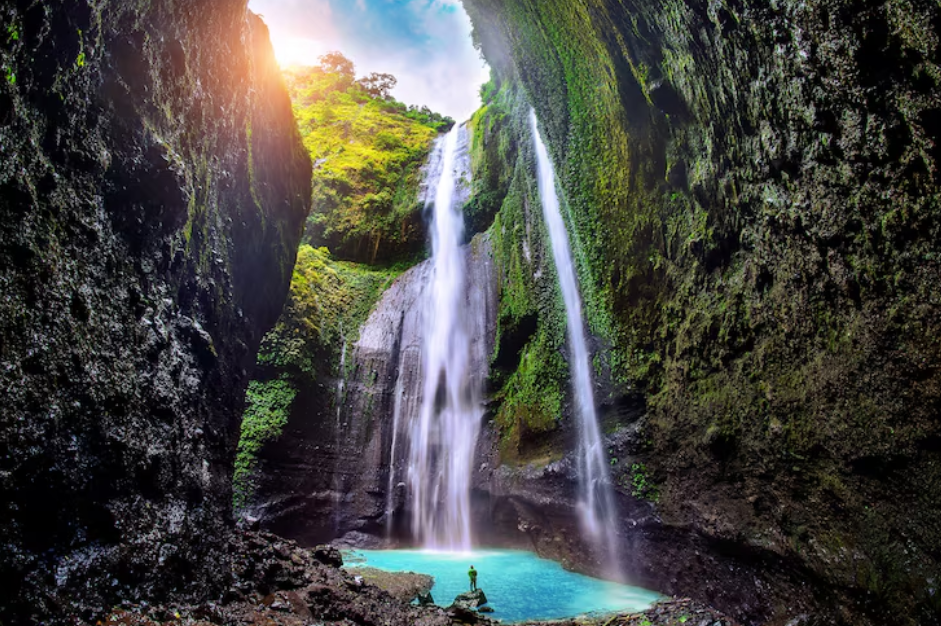
This is arguably the best time to visit Bali in 2026. The rain has stopped, the island is still lush and green from the wet season, but the peak summer crowds have not yet arrived. The temperature is comfortable, and the ocean visibility is excellent for diving and snorkeling. May and June are fantastic for honeymooners who want perfect weather and privacy.
July – August: Peak Holiday Season
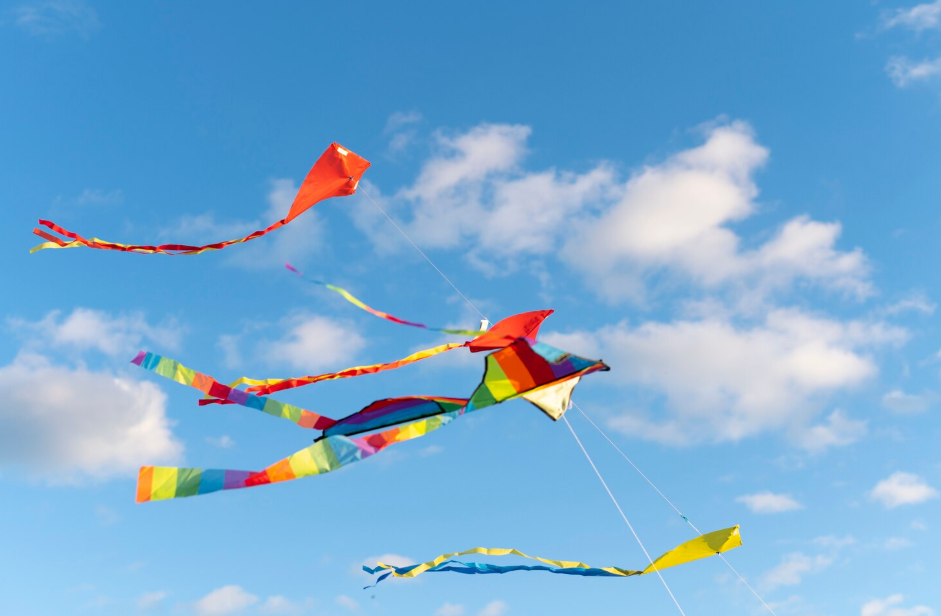
This is when Bali is at its busiest and most vibrant. The weather is dry, cool, and windy. It is the season for festivals, outdoor parties, and family vacations. Sanur becomes a hub of activity with kites flying in the sky and families cycling along the boardwalk. Book your accommodation well in advance if you plan to travel during these months.
September – October: The Second Shoulder Season

As the Australian and European school holidays end, the island quiets down again. September is often considered a “perfect” month with dry weather and relaxed vibes. October marks the beginning of the transition back to the wet season, but it usually remains mostly dry and is a great time for deals.
November – December: The Festive Build-up
The rain returns in November, bringing relief from the heat. December is a mix of sunny mornings and rainy afternoons. However, the energy ramps up toward the end of the month as travelers from around the world descend on Bali to celebrate Christmas and New Year in a tropical paradise.
Key Festivals and Events in Bali 2026
Bali follows a lunar calendar, so dates for sacred ceremonies change every year. Cultural buffs often find that March is the best time to visit Bali to witness the unique Balinese Hindu New Year.
Nyepi Day (Day of Silence)
Nyepi falls on March 19, 2026. This is the most important day in the Balinese Hindu year. The entire island shuts down for 24 hours. No flights land and no shops open. People stay inside, and no lights are turned on. It is a day of absolute silence and meditation.
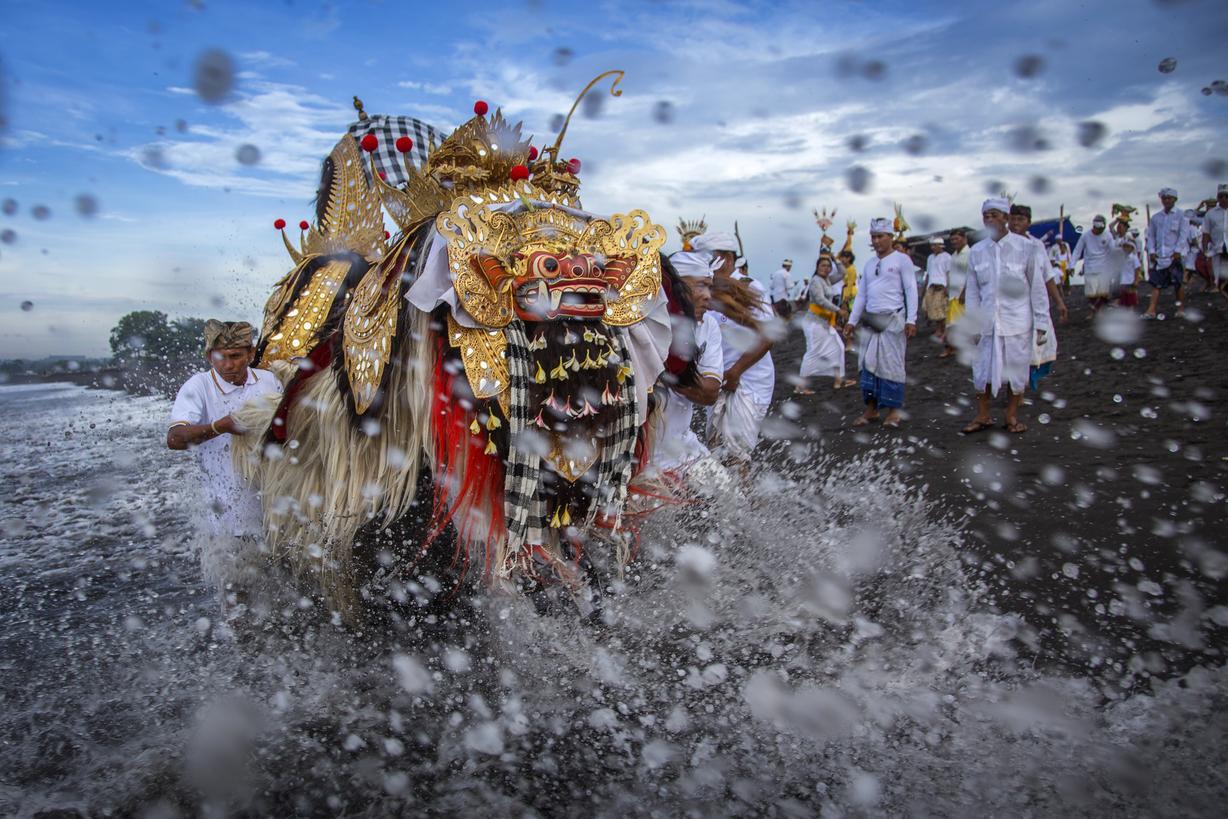
The night before Nyepi is called Pengrupukan and occurs on March 18, 2026. This evening features a raucous parade of Ogoh Ogoh through the streets. These are giant papier-mache monsters. Staying at a self-contained resort like The Bali Beach Hotel during Nyepi is a privilege. You can enjoy the hotel facilities while witnessing an incredibly starry night sky free from light pollution.
Bali Arts Festival
The Bali Arts Festival runs from June 15 to July 13, 2026. This is a month-long celebration of local heritage. It is held at the Arts Centre in Denpasar. The venue is just a short drive from Sanur.
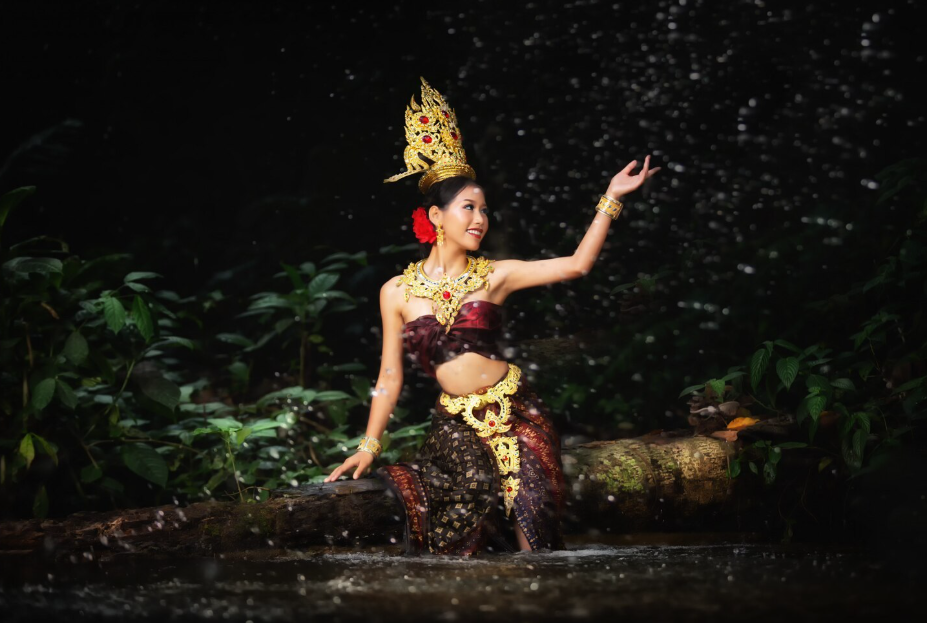
The festival features daily performances of traditional dance and music. You can also explore handicraft exhibitions from across Bali. It is a colorful and vibrant showcase of the island’s living culture.
Bali Kite Festival (Sanur)
Giant traditional kites fill the skies above Sanur between July and August 2026. Some of these kites measure up to 10 meters in length. They require teams of 20 men to launch. This period is the best time to visit Bali for fans of local competitions.
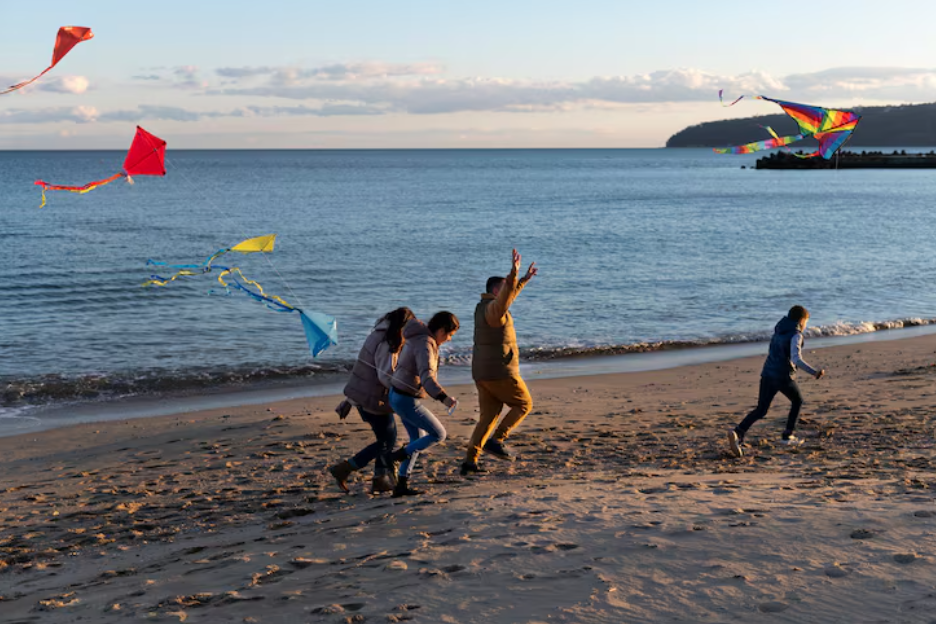
The Bali Kite Festival is a serious event dedicated to the Hindu gods. Teams ask for abundant harvests through these flights. The sound of the guwang creates a hypnotic drone. This humming ribbon provides the soundtrack of the Sanur dry season.
Galungan and Kuningan
These holidays celebrate the victory of good over evil. Galungan falls on June 17, 2026. Kuningan occurs ten days later on June 27, 2026. Streets are lined with tall and decorated bamboo poles called Penjor. These poles arch over the road, creating a stunning scene for photography.
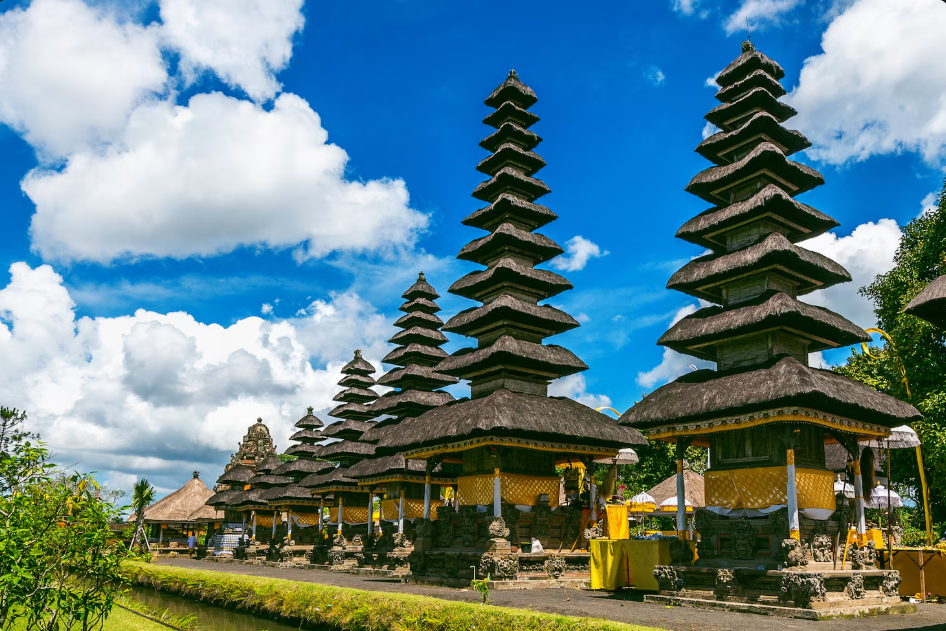
There is only one Galungan cycle in 2026. This makes June the best time to visit Bali for those seeking deep cultural immersion. You can witness the island covered in white and yellow decorations during this sacred ten-day period.
Best Hotels to Stay in Bali Year-Round
Regardless of the season, choosing the right accommodation ensures your trip is luxurious and comfortable. For 2026, there is one destination that stands above the rest as a year-round haven.
The Bali Beach Hotel – Sanur
The Bali Beach Hotel. As the tallest hotel in Bali, it offers a spectacular vantage point over the Sanur coastline, whether you are waking to clear sunrise skies or watching dramatic monsoon clouds gather over the ocean. The elevated perspective transforms every season into part of the experience rather than a limitation.
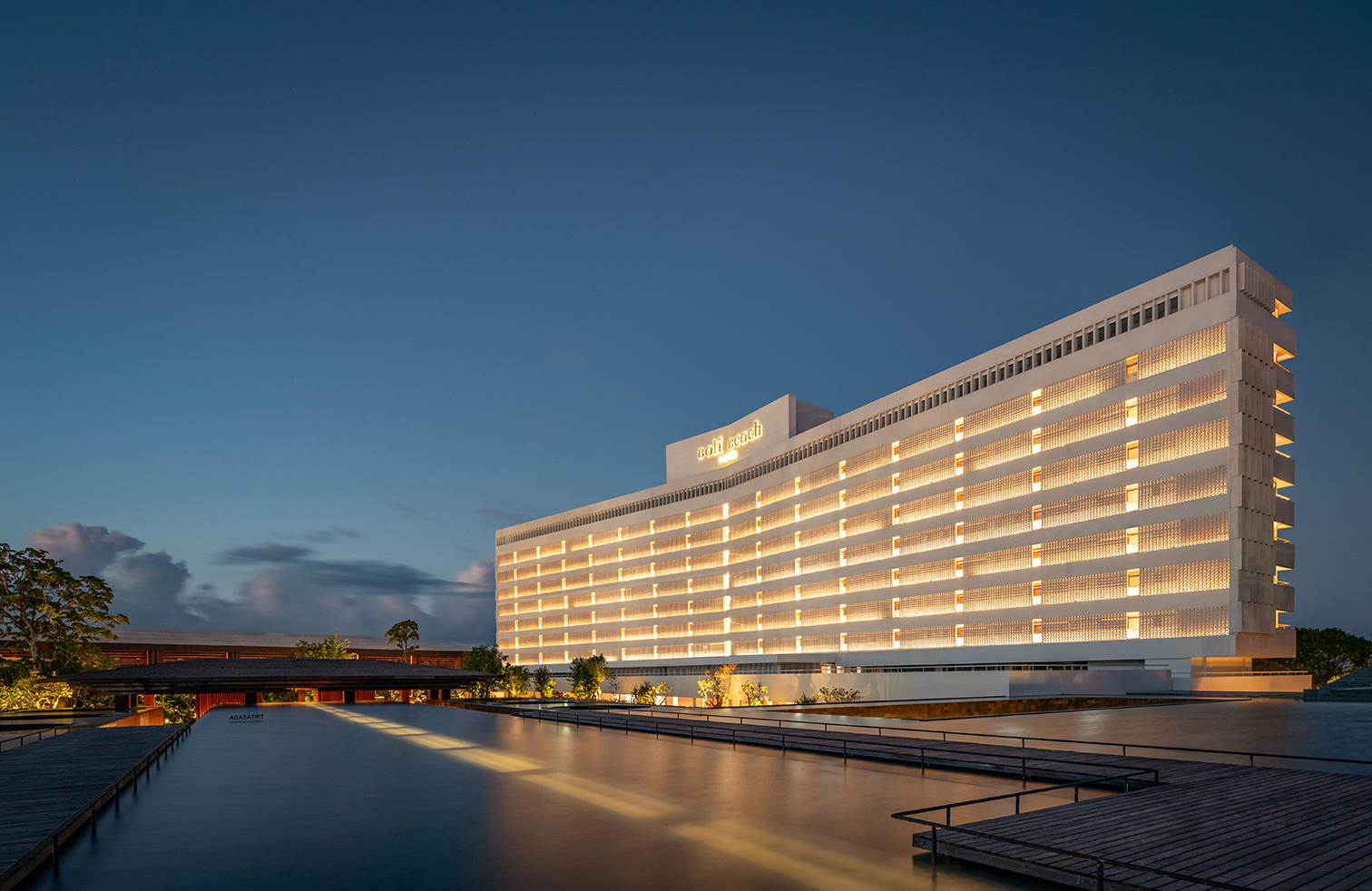
For a stay that transcends the weather, the Bali Beach Suite is an exceptional choice. Located on the 7th floor, this 175-square-meter sanctuary delivers panoramic coastal views in complete privacy.
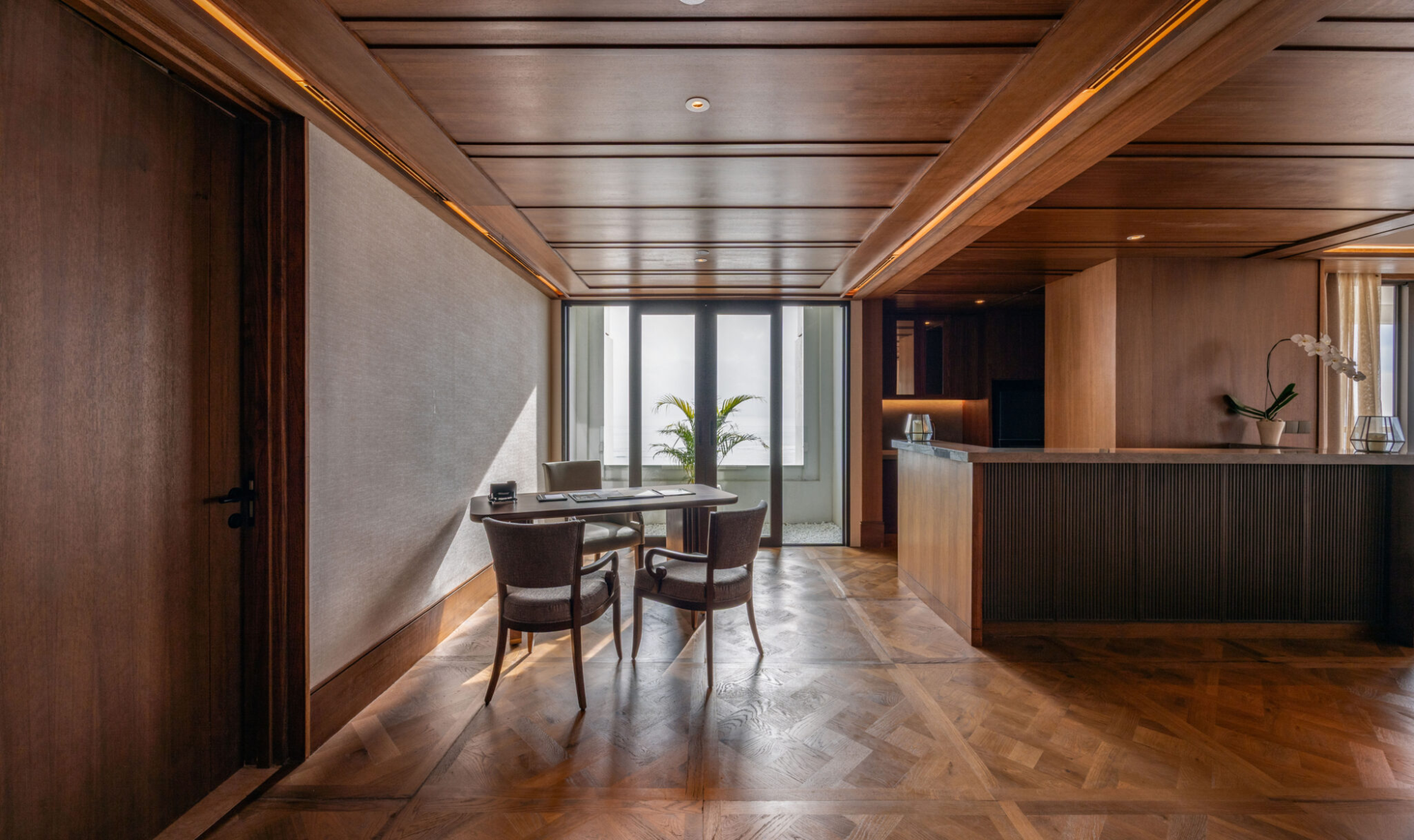
Rainy afternoons become cinematic moments from the comfort of the refined living area, while sunny mornings invite you onto the private balcony to witness one of Bali’s most breathtaking sunrises. The suite also includes a separate dining area, making in-room meals feel intimate and indulgent during quieter evenings.
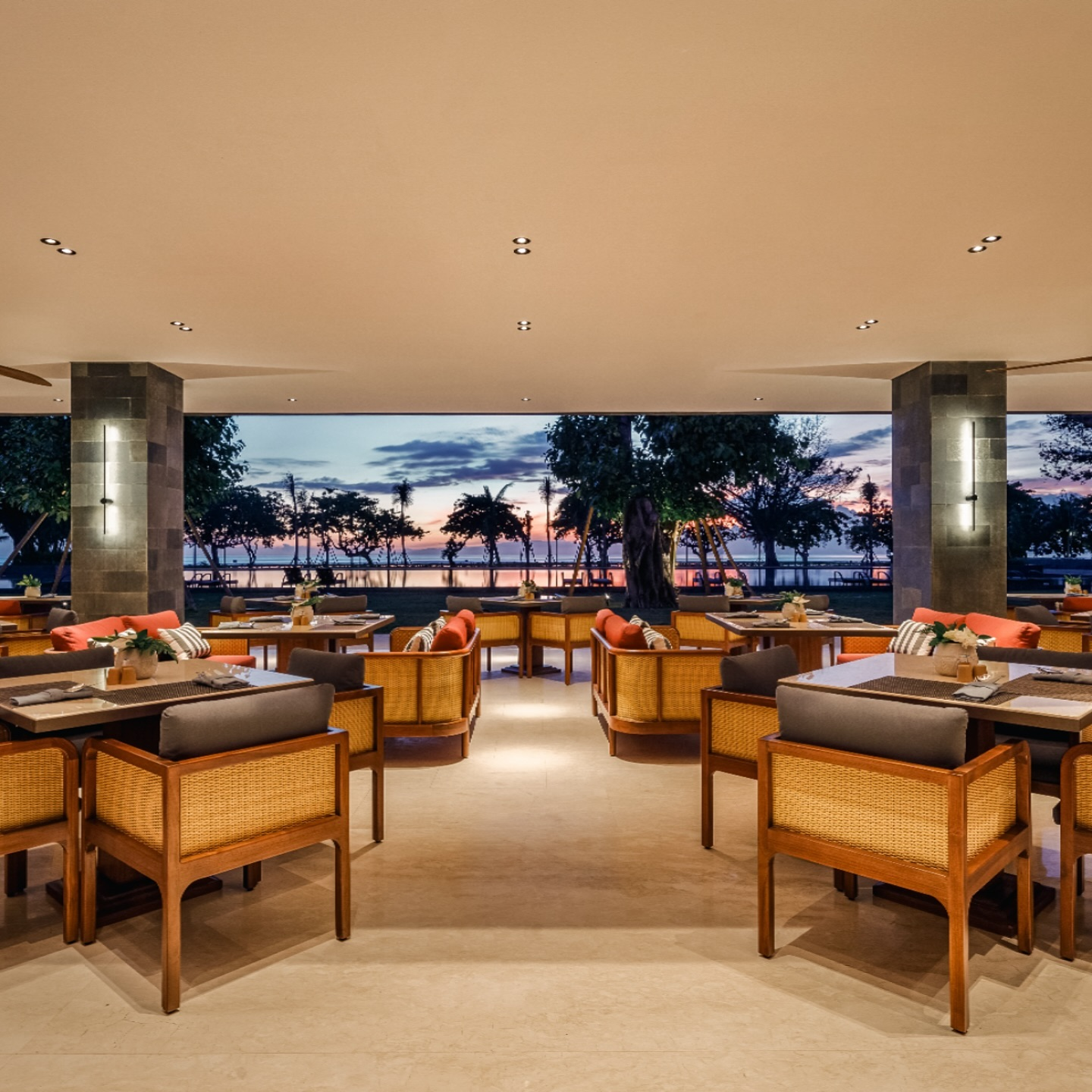
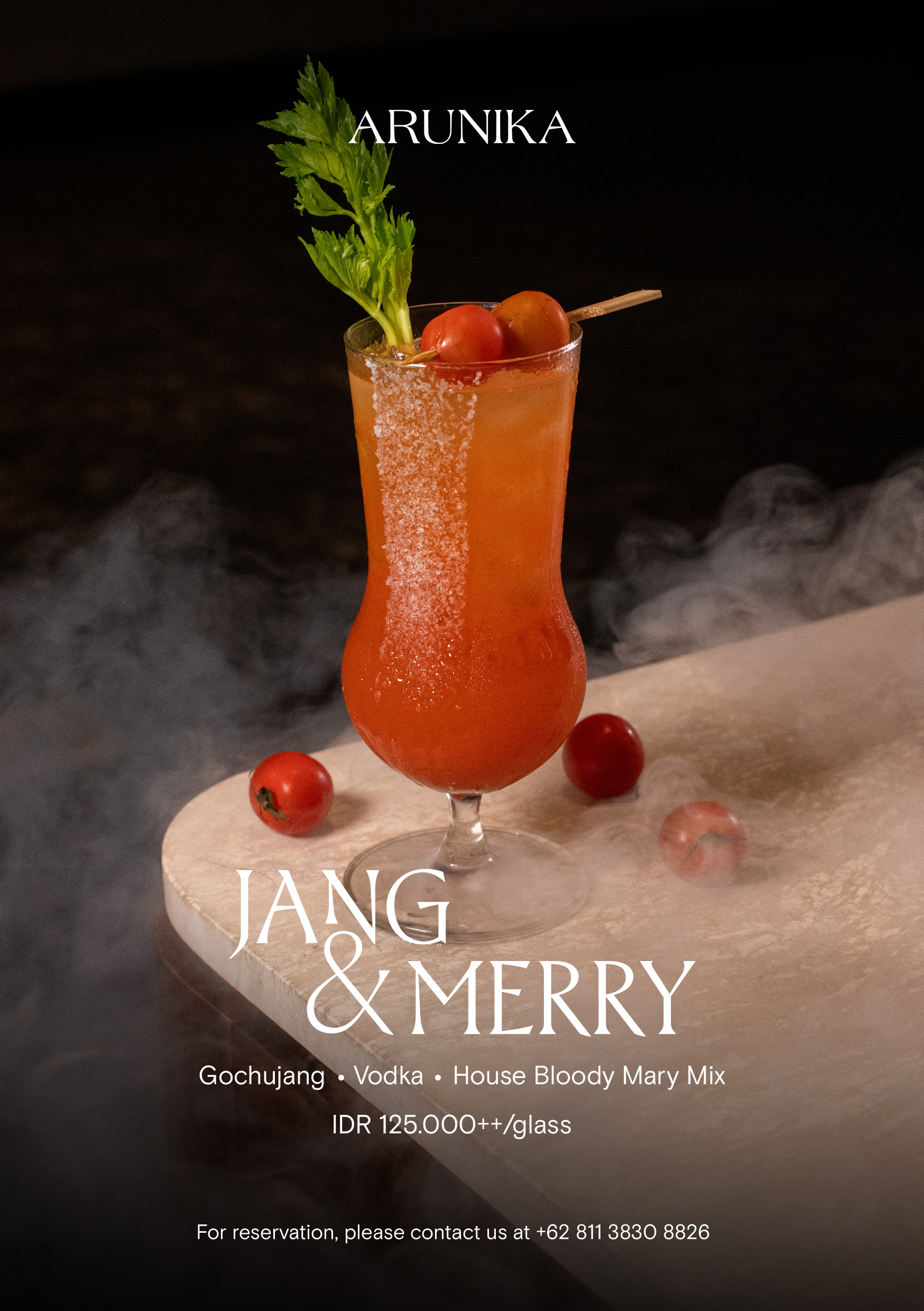
Beyond accommodation, the hotel stands as a culinary and lifestyle destination. Arunika Restaurant offers seaside dining that captures the rhythm of the coast, equally inviting for bright brunches or atmospheric dinners by the waves.
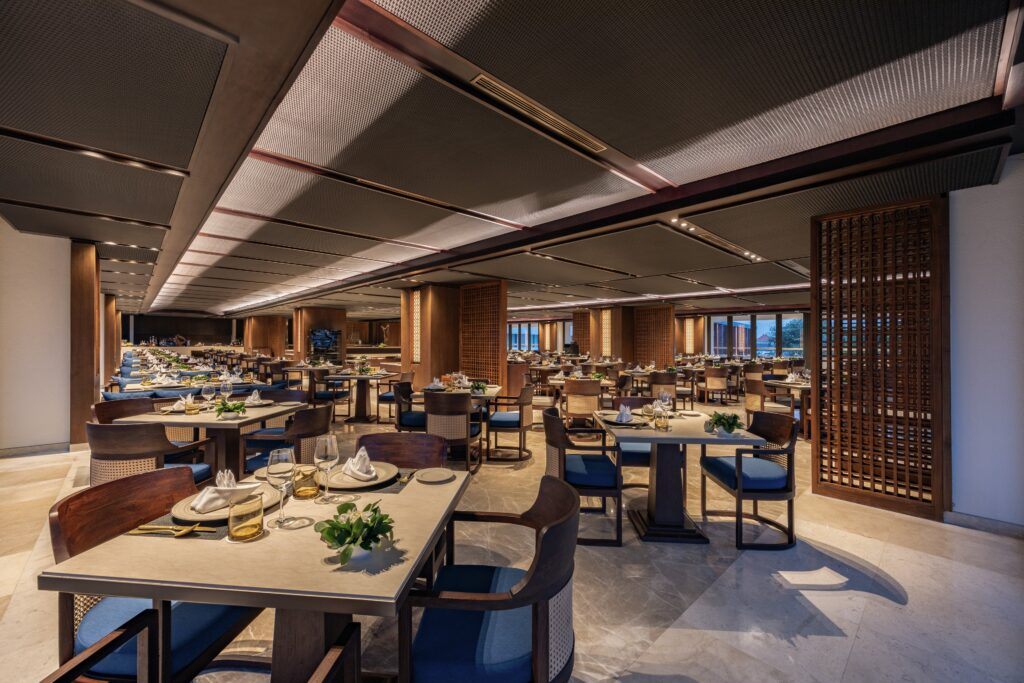
Roso Restaurant presents a Festive Journey Through Nusantara, celebrating the bold and diverse flavors of the Indonesian archipelago in an elegant setting. Dining here feels like a cultural exploration rather than a simple meal.
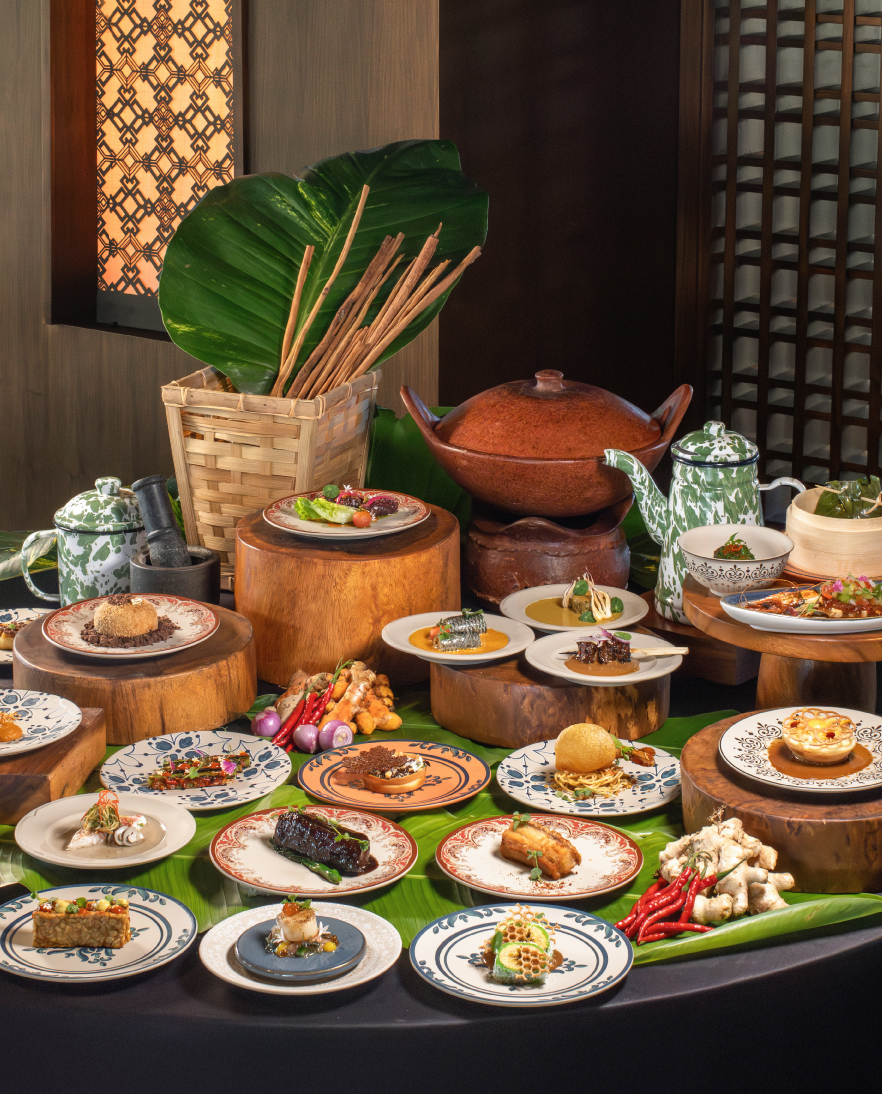
The resort has established itself as a premier Family Destination by blending these sophisticated culinary journeys with expansive facilities designed to engage guests of every generation.
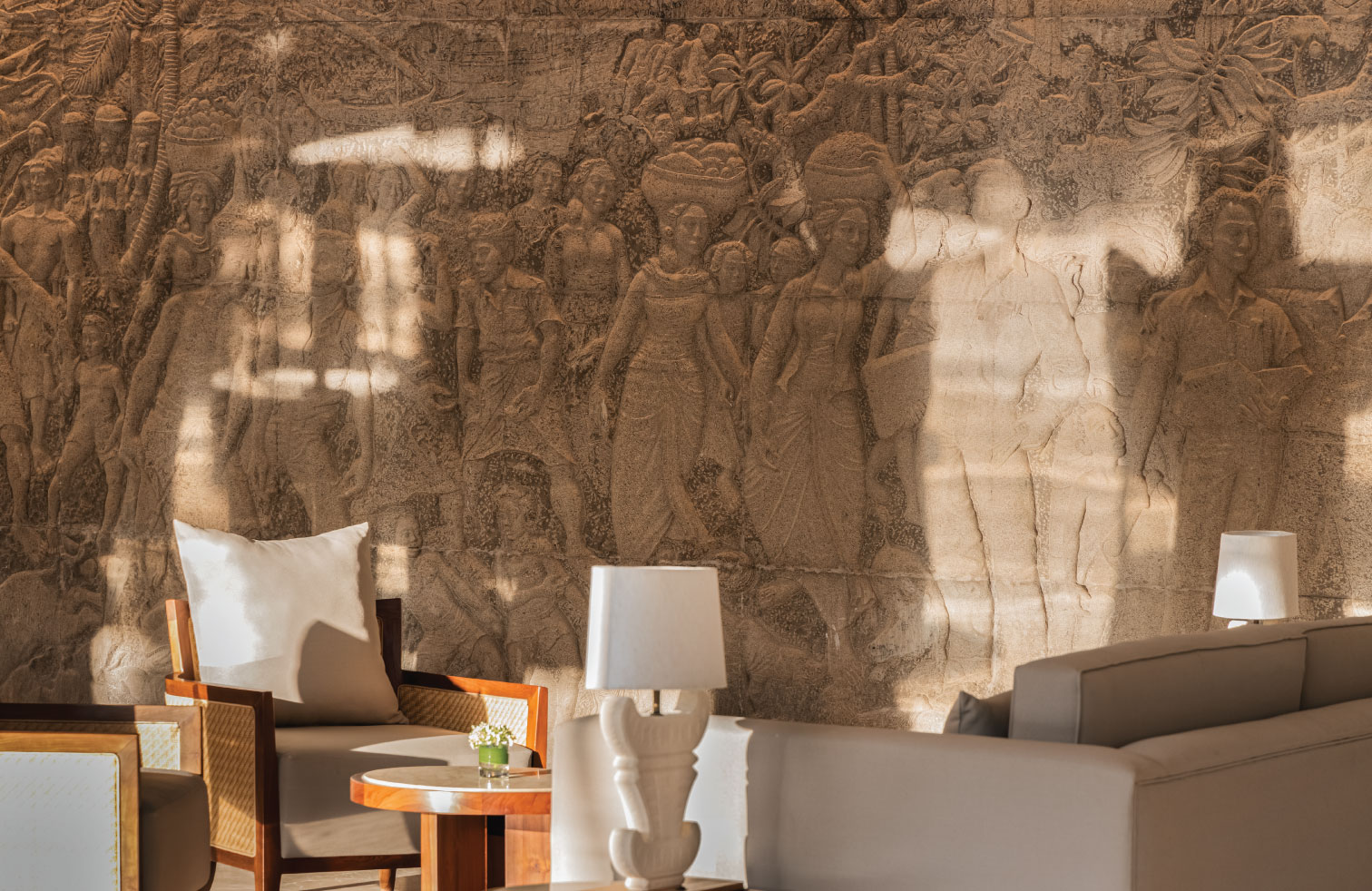
The property is equally renowned for its grand seasonal celebrations that create lasting memories for every generation. Toward the end of 2026, families can look forward to the celebrated Seaside Festive Season. This event continues a legacy of spectacular New Year’s Eve Seaside Festive Symphonies that are designed to enchant children and parents alike.

Past editions have featured performances by distinguished Indonesian orchestras, including the Erwin Gutawa Orchestra, and have celebrated jazz musicians such as Indra Lesmana. While the upcoming program will be revealed closer to the date, the tradition promises a magical evening of fireworks over the ocean and world-class performances.

The curated culinary showcase blends heritage with global artistry to offer something delicious for every palate. It is widely regarded as one of the most glamorous and inclusive ways for a family to welcome the New Year in Bali.
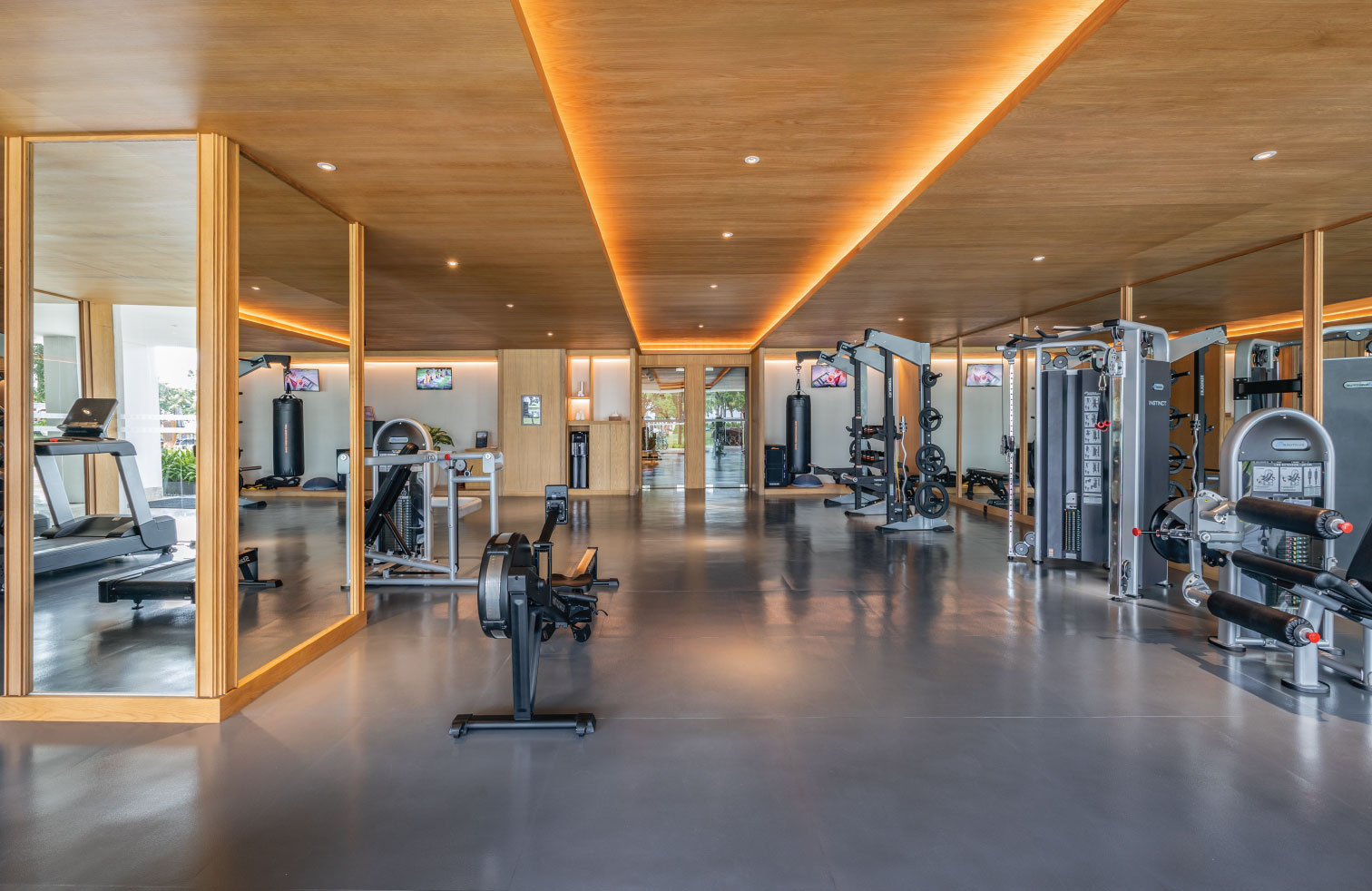
The hotel’s amenities ensure comfort in every climate. A fully equipped Fitness Center operates daily from 6:00 to 21:00, allowing guests to maintain their routines regardless of weather conditions.
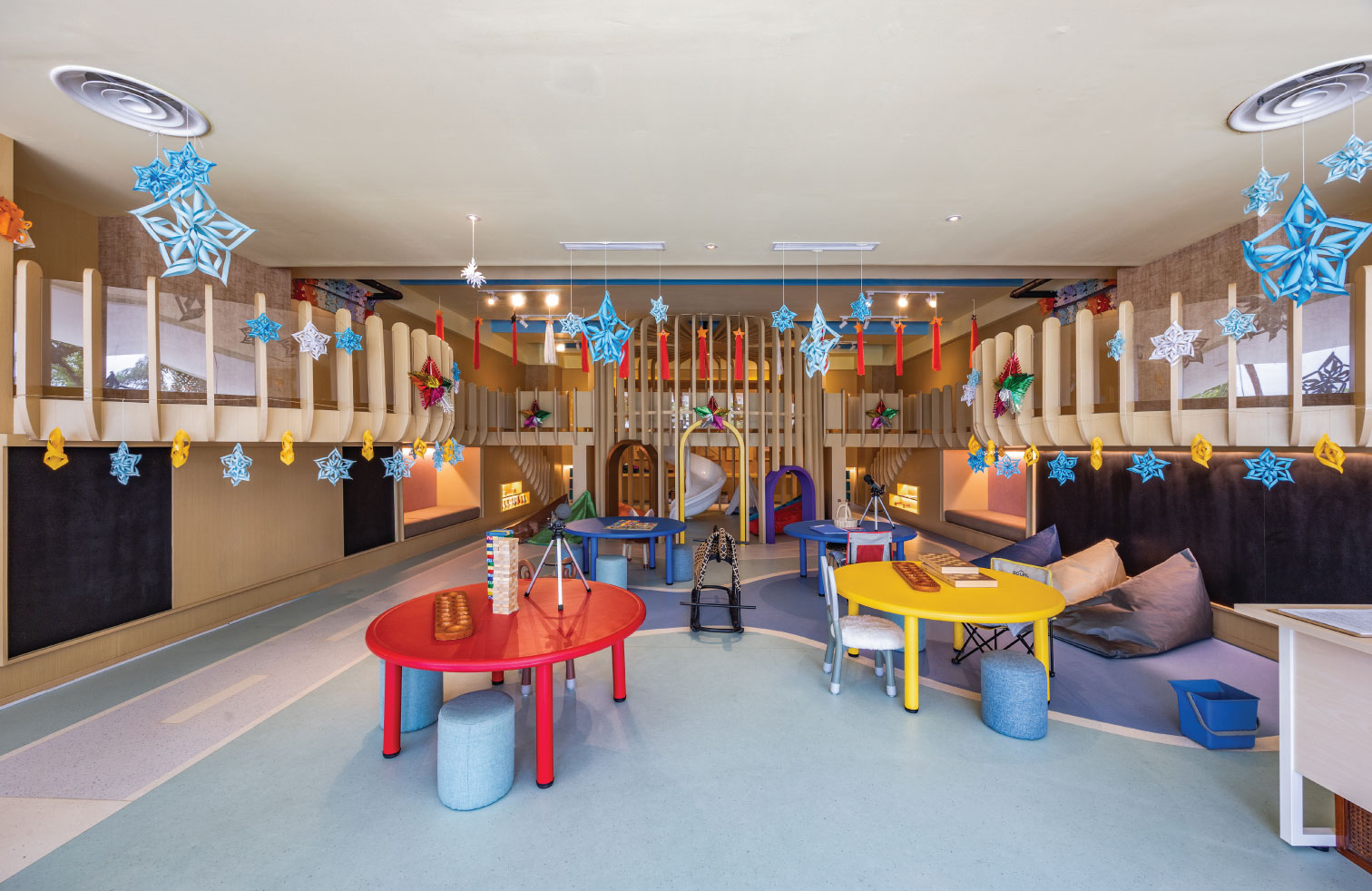
The Niskala Kids Club offers engaging indoor cultural activities for younger travelers, while sunny days invite guests to enjoy the expansive beachfront and the impressive main pool. In every season, the experience remains refined, balanced, and unmistakably grand.
Travel Tips for 2026
Planning ahead will help you maximize comfort, efficiency, and overall enjoyment during your 2026 Bali trip. From seasonal packing to smart booking strategies, small decisions make a significant difference.
Packing for the Seasons
If you are traveling between April and October, expect drier weather with sunny days and cooler evenings. Pack light, breathable cotton clothing, swimwear, sunglasses, and a light jacket for breezy nights by the beach. Comfortable sandals and resort wear will suit most settings.

If you are visiting between November and March, prepare for tropical rain showers. Bring a high-quality raincoat or poncho, slip-resistant sandals, and quick-drying clothing. A waterproof bag for electronics is also recommended. Mosquito repellent is essential year-round, but especially important during the wetter months.
Booking Strategies
For peak travel periods such as July, August, and late December, it is wise to reserve accommodations at The Bali Beach Hotel at least four to six months in advance. High demand during school holidays and festive celebrations means premium suites sell out quickly.

During the quieter season from January to March, availability is generally more flexible. However, booking early still ensures access to preferred room categories, such as Ocean View Suites, and to special seasonal packages. Early reservations also often offer better rates.
Traffic Management
Bali traffic can be unpredictable, particularly in high-density areas like Canggu and Seminyak. Choosing to stay in Sanur is a strategic decision, as it avoids many of the island’s most congested routes. The wide Bypass Ngurah Rai road connects Sanur efficiently to the airport, Nusa Dua, and central Denpasar, making transfers smoother and more time-efficient throughout your stay.
Conclusion
Hopefully, this article has given you the most comprehensive and detailed look at the best time to visit Bali in 2026. Understanding the nuances of the wet and dry seasons allows you to plan with confidence. You can turn your trip into a truly free journey of discovery where you master every road and time your activities perfectly.
To make the journey even more complete and comfortable, the Bali Beach Hotel in Sanur will be the ideal “home” welcoming you back after every adventure. Book your room today to enjoy comfortable resort space by the beautiful Sanur Beach. Experience thoughtful service and be ready for the emotional roads ahead in exploring Bali!
FAQs
What is the rainy season in Bali?
The rainy season generally runs from November to March. January and February are typically the wettest months. However, rain often occurs in short, intense bursts rather than all-day drizzles.
Is Bali crowded in July and August?
Yes, July and August are peak tourist months due to school holidays in the Northern Hemisphere and cool, dry weather in Bali. Expect busy beaches and higher hotel demand.
When is the cheapest time to fly to Bali?
The “shoulder seasons” (late January to March and October to November) often offer the best value for flights and accommodation, as demand is lower than in the peak summer or Christmas periods.
Does it rain all day during the wet season?
Rarely. While it can happen, the typical pattern involves sunny or overcast mornings followed by heavy showers in the late afternoon or overnight. You can still enjoy plenty of activities during the wet season.
Is October a good month to visit Bali?
October is an excellent choice. It is the end of the dry season, so you often get decent weather with significantly fewer crowds than in August. It is a fantastic time for a relaxed, value-for-money vacation.