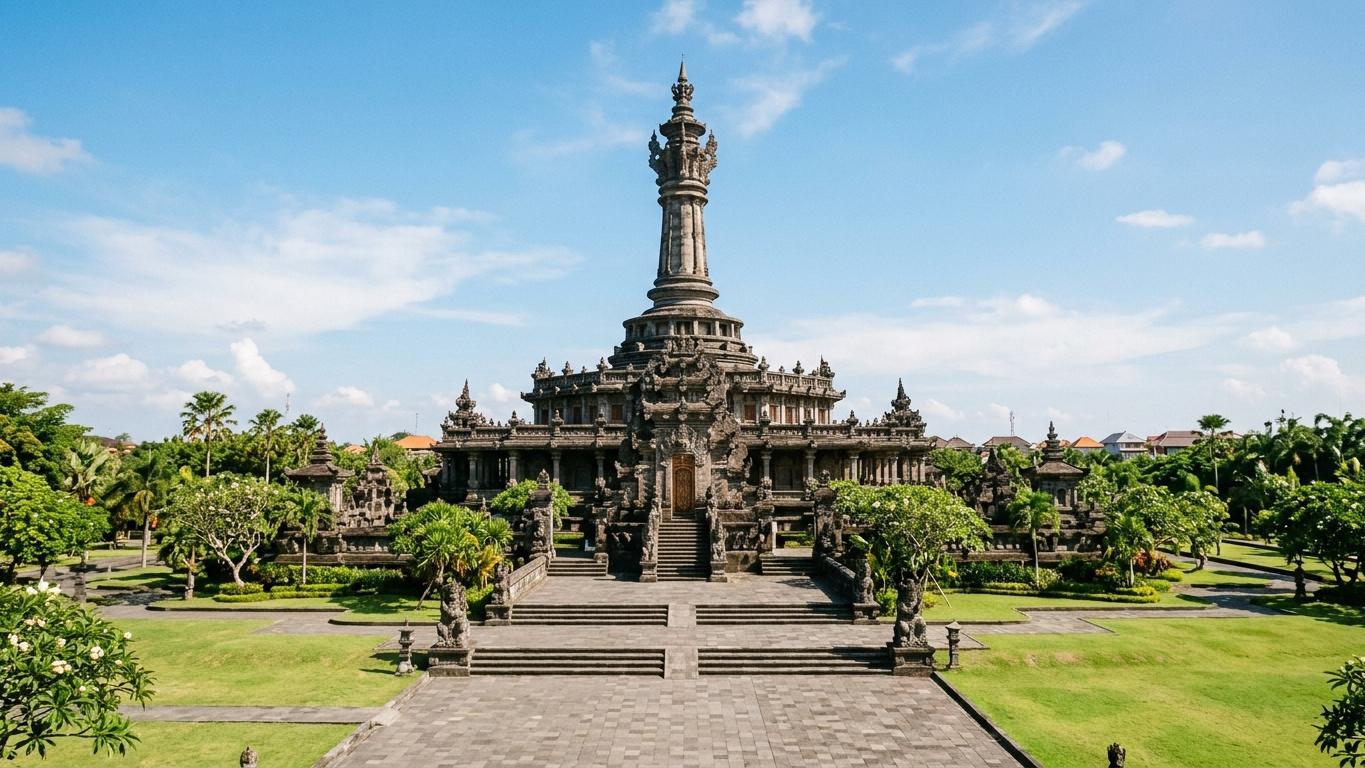
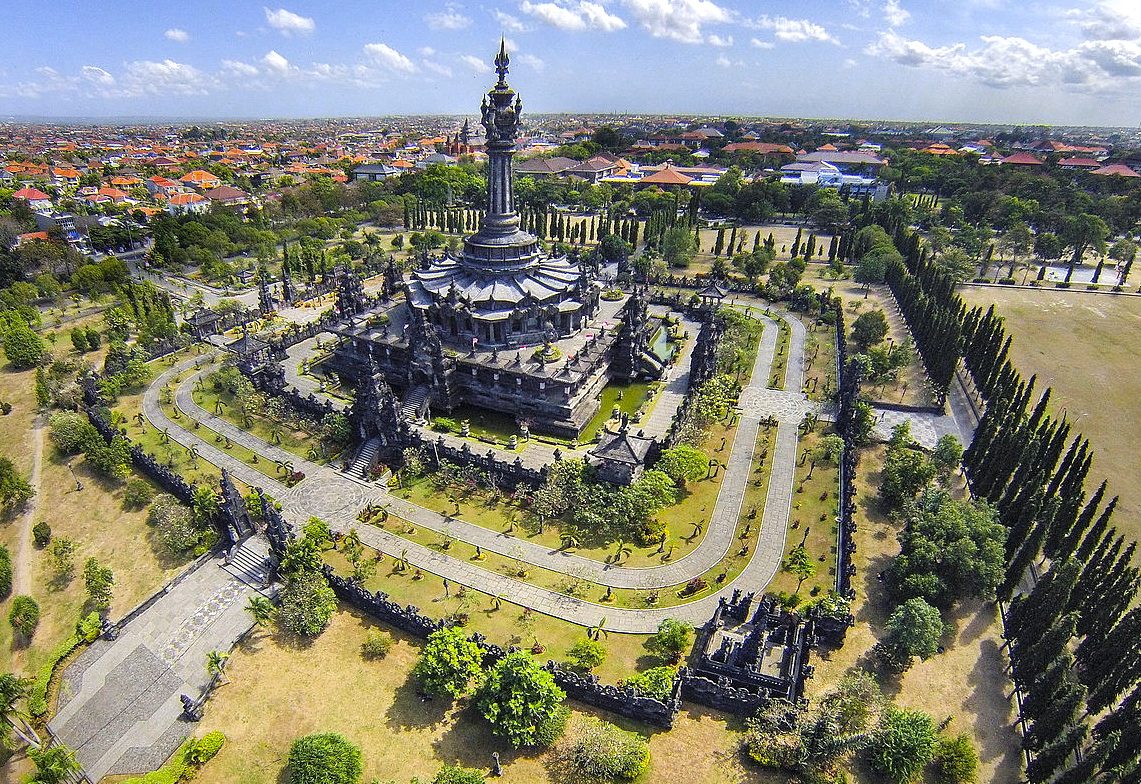
A 45-meter bell rises out of the center of Denpasar, shaped after the bronze bell a Hindu priest rings during ceremony, built to hold the whole story of Bali’s fight to stay Bali. The Bajra Sandhi Monument in Bali is easy to spot from almost anywhere in Renon Square and just as easy to underestimate from the outside. What’s inside is a genuinely detailed walk through the island’s history, not just a photo-stop landmark.
What Is the Bajra Sandhi Monument?
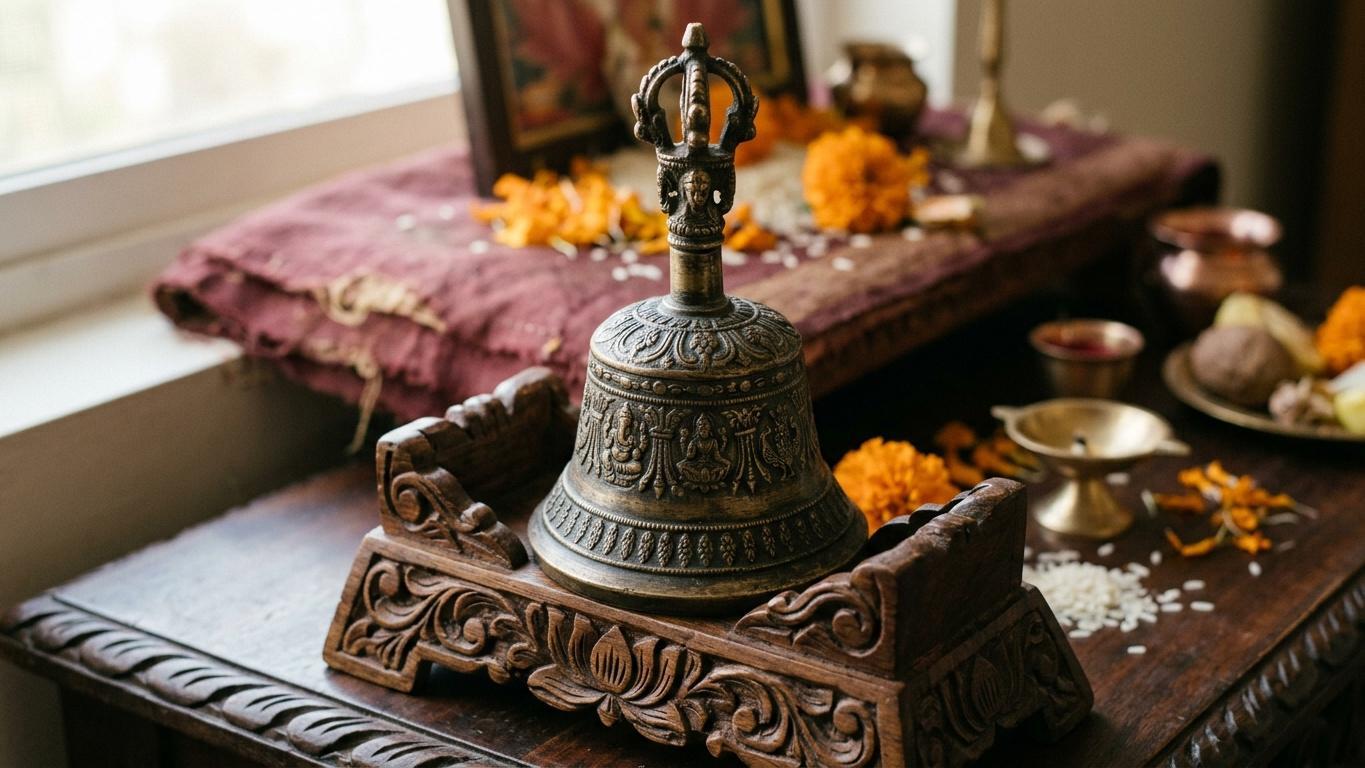
The Bajra Sandhi Monument sits at the center of Renon Square in Denpasar, the same open plaza locals still call Puputan Renon. Its shape deliberately echoes a bajra, the bronze bell a Hindu priest rings during religious ceremony, giving the monument both a spiritual and a civic identity at once, a memorial that also functions as a working piece of Balinese religious symbolism.
Construction ran from 1981 to 1987, a genuinely long build for a single monument, reflecting both the scale of the project and the significance the Balinese government placed on getting the site right. It was built specifically to honor the Balinese people’s centuries-long struggle to preserve their identity and independence, first against Dutch colonial rule and later through Indonesia’s own path to nationhood.
At 45 meters tall, the Bajra Sandhi Monument in Bali is visible from a genuine distance across Denpasar’s low-rise skyline, functioning almost like a compass point for the surrounding district the way a cathedral spire might anchor a European town square. Locals use it as a landmark for directions as often as visitors use it as a destination in its own right.
The History Behind the Bajra Sandhi Monument
The monument’s history runs on two tracks worth understanding separately: why this specific ground was chosen, and what the design itself is built to represent.
Why Renon Square
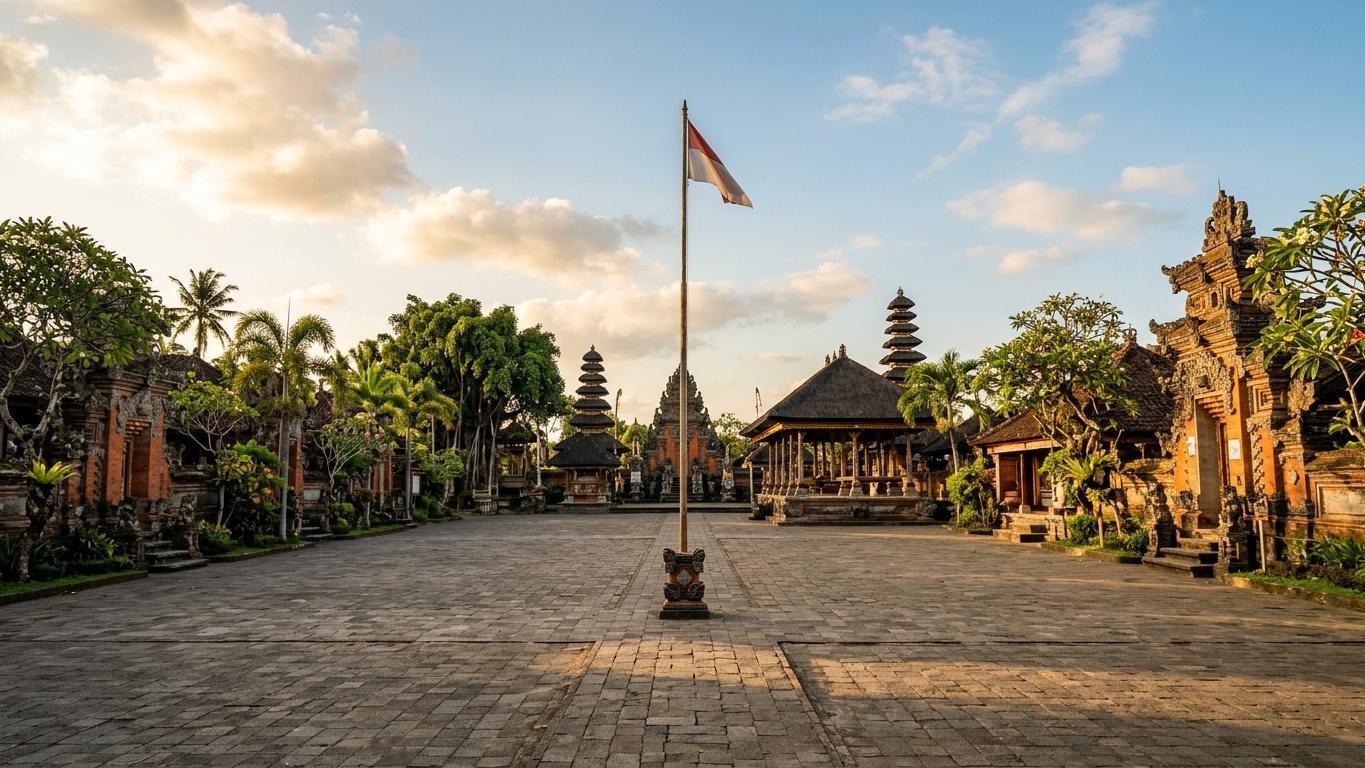
The monument’s location isn’t incidental. Renon Square carries its own weight in Balinese memory tied to the Puputan Badung of 1906, when Balinese royalty and their followers chose a mass ritual fight to the death over surrender as Dutch colonial forces advanced, a defining, painful chapter in the island’s resistance to foreign rule. Building a monument to independence on ground already carrying that history was a deliberate choice, not a convenient open lot.
The monument’s construction in the 1980s also reflects a specific moment in Indonesian national identity-building, decades after independence itself, when the government invested in permanent civic landmarks across the archipelago to formalize and preserve regional independence narratives before the living memory of the struggle faded. Bali’s own version of that project became the Bajra Sandhi Monument, distinct from similar independence memorials built around the same era in other Indonesian provinces.
What the Name and Design Represent
The full name, Bajra Sandhi, translates roughly as a bell marking a sacred union, in this case, standing for the Balinese people’s struggle across generations. That framing matters: this isn’t a monument to a single battle or a single leader; it’s built to represent an ongoing, collective effort spanning kingdoms, colonial resistance, and the eventual formation of independent Indonesia.
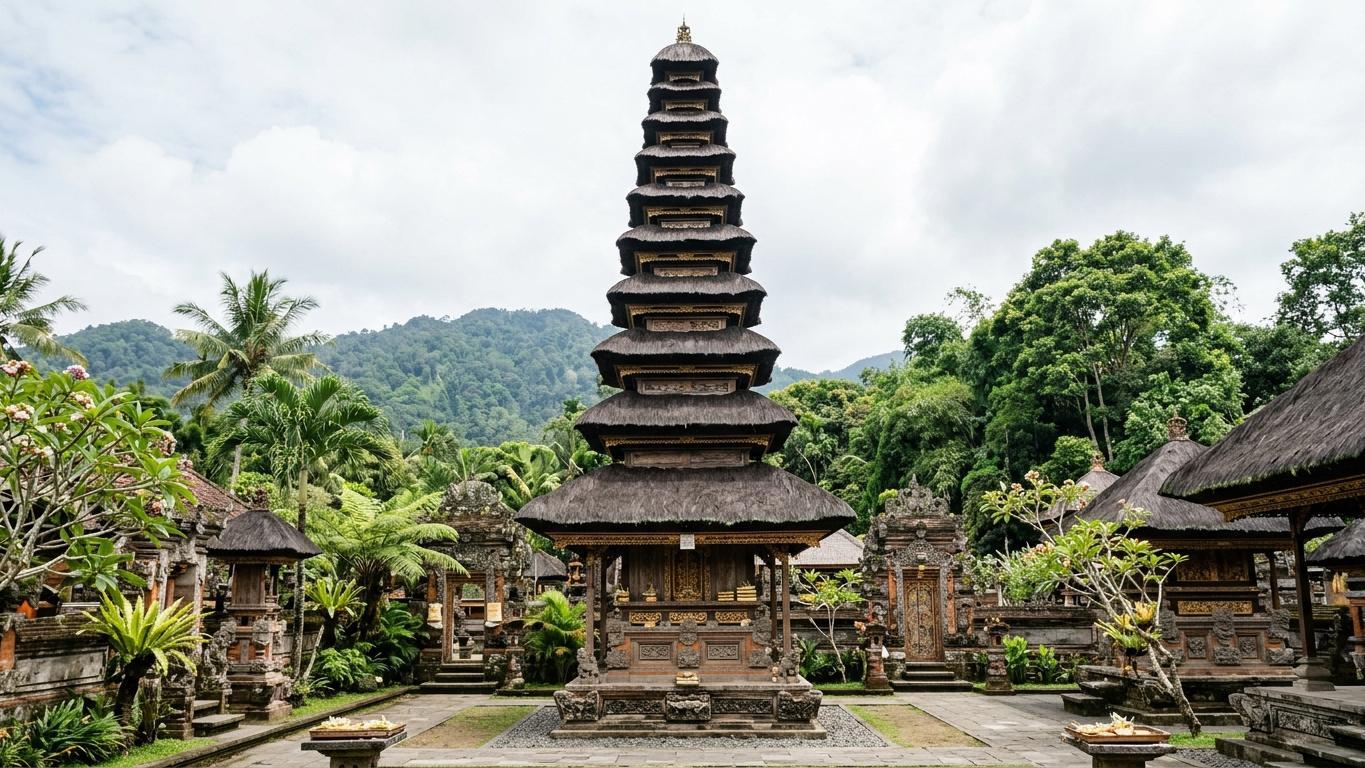
The monument’s design also carries deliberate architectural symbolism beyond its bell shape. Its layered tiers echo the meru towers found in Balinese temple architecture, visually tying a monument back to the island’s own centuries-old religious building tradition and to a modern nation-state, a design choice that reads as distinctly Balinese rather than a generic national-monument template borrowed from elsewhere in Indonesia.
Understanding that framing before walking through the Bajra Sandhi Monument in Bali changes how the diorama sequence inside actually reads. It isn’t structured as a single hero narrative; it’s a genuinely collective one, spanning centuries and multiple distinct conflicts rather than building toward one climactic event.
Inside the Bajra Sandhi Monument: The Diorama Museum
The monument’s second floor holds its real substance: 33 detailed 3D dioramas arranged in a circular timeline. Each diorama uses miniature figures and staged scenes rather than text-heavy panels, which makes the history genuinely easier for visitors without deep prior context to follow, and a few specific details are worth knowing before starting the loop.
The 33-Diorama Timeline
Scenes cover early Balinese kingdoms, the arrival and expansion of Dutch colonial control, the Puputan resistance at Badung and elsewhere on the island, the Japanese occupation period during World War II, and the eventual push toward Indonesian independence. Walking the full circular route in order, rather than skipping around, is what makes the timeline actually land as a coherent story rather than a series of disconnected scenes.
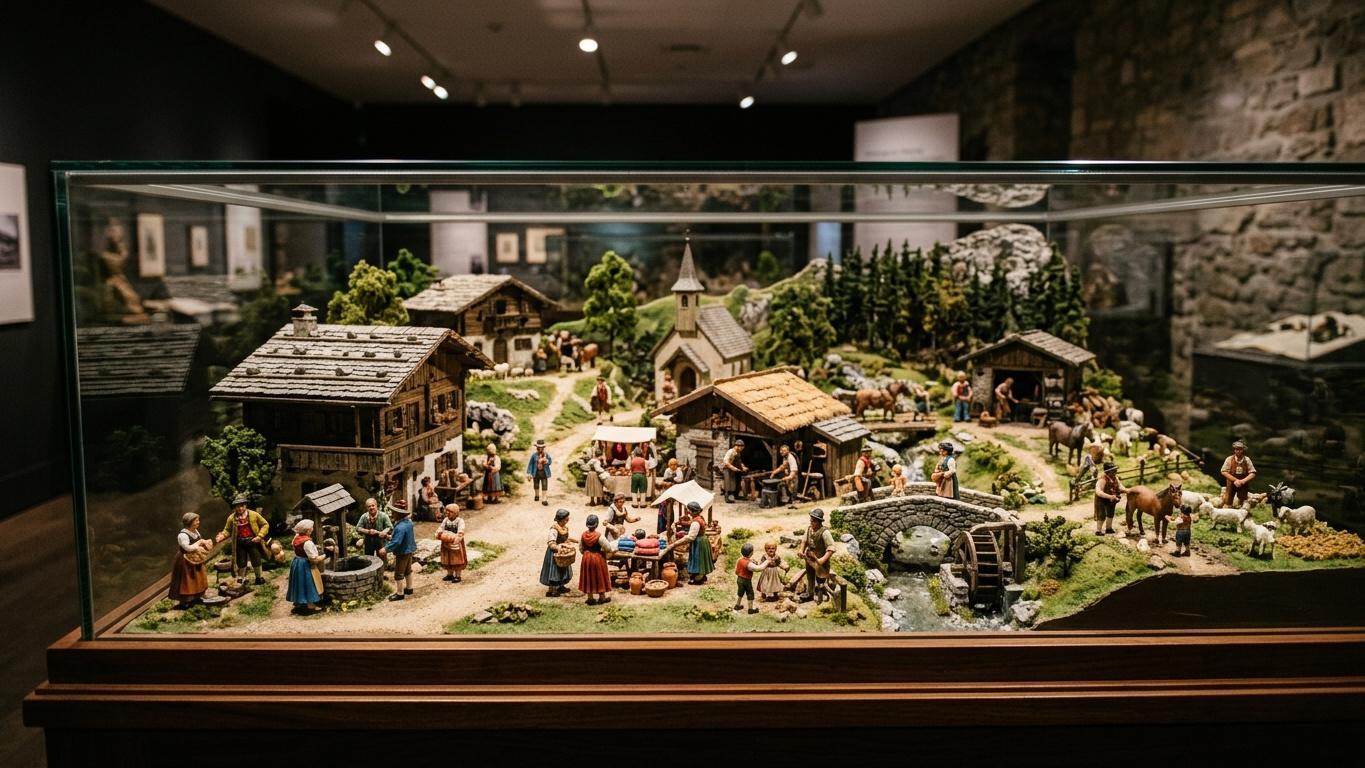
Several dioramas depict everyday royal court life alongside the more overtly military scenes, giving visitors a fuller sense of what was actually being defended, not just the fighting itself but the culture, ceremony, and social structure of pre-colonial Bali. That balance between conflict and daily life is part of what keeps the sequence from feeling like a single long war narrative.
A handful of dioramas near the end of the circular route focus specifically on the founding of the Indonesian Republic, tying Bali’s own resistance story into the larger national picture rather than treating the island’s history as isolated from the rest of the archipelago. It’s a subtle curatorial choice that rewards visitors who read through to the final scenes rather than stopping partway around the ring.
Craftsmanship and Bilingual Signage
Each individual diorama took real craftsmanship to produce, with sculpted figures, painted backdrops, and staged compositions built specifically for this collection rather than repurposed from an existing exhibit elsewhere. That level of dedicated production is part of why the museum inside the Bajra Sandhi Monument in Bali holds up as a genuine historical resource rather than a simplified tourist summary.
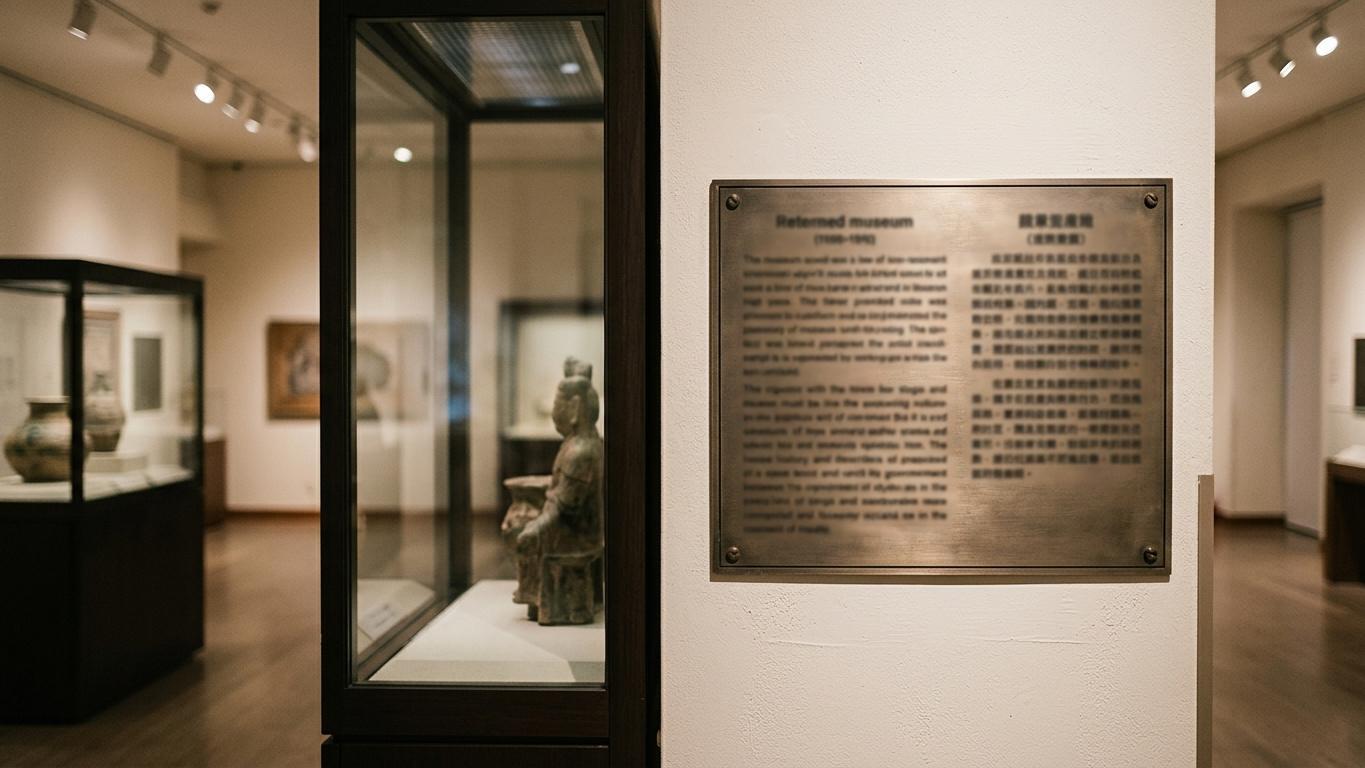
Signage accompanying each diorama is presented in both Indonesian and English. That bilingual approach gives international visitors enough context to follow the timeline without needing a guide, though a knowledgeable local guide can add useful texture and detail beyond what the plaques themselves cover.
Ground Floor and Gift Area
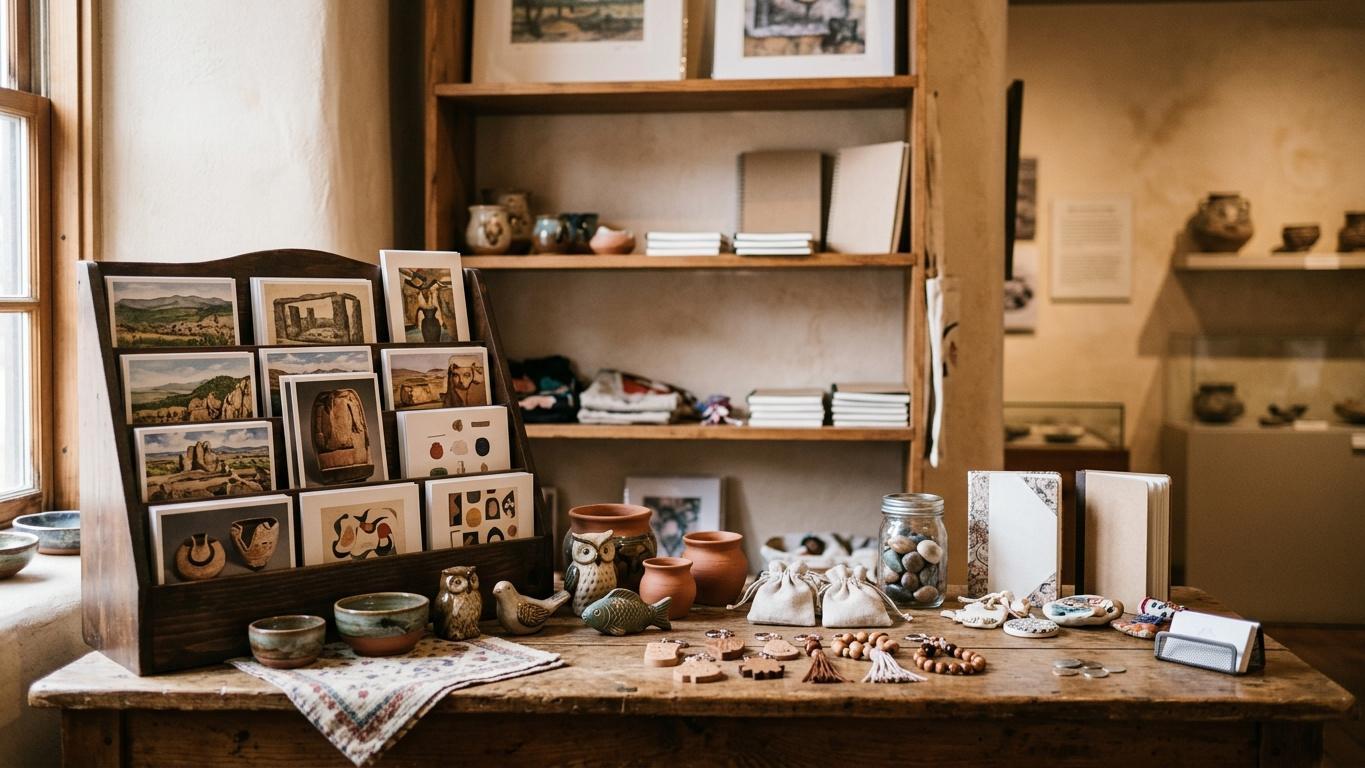
A center hall on the ground floor and additional exhibit space round out the museum experience, though the second-floor diorama ring is what most visitors specifically come to see. The ground floor also houses a small gift area where visitors can pick up postcards and simple souvenirs on the way out, a modest but useful stop for anyone wanting a physical memento of the visit.
The View from the Top
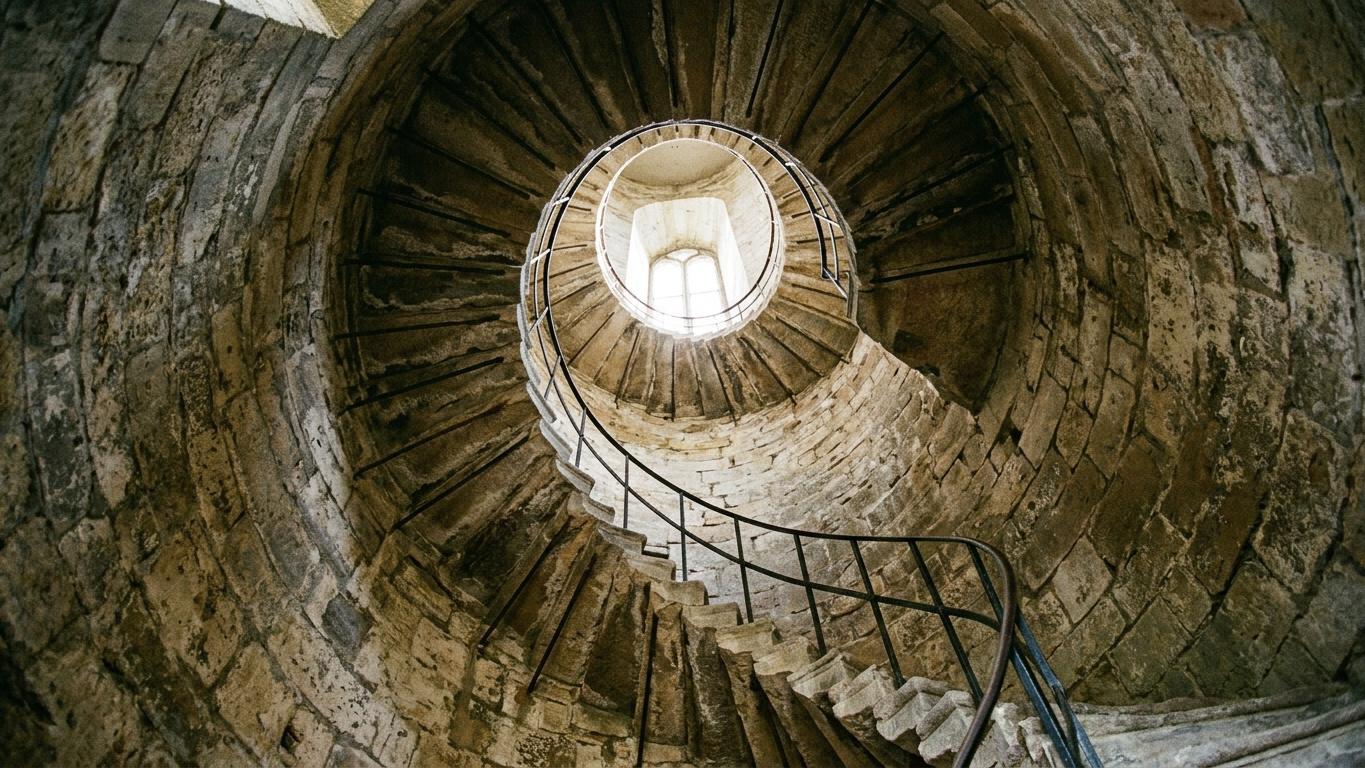
A spiral staircase climbs from the diorama level up to an open viewing platform near the top of the monument, rewarding the climb with a genuinely wide panorama across Renon Square, Denpasar’s skyline, and on a clear day, a good stretch of southern Bali beyond the city itself. It’s one of the few elevated public viewpoints over Denpasar that doesn’t require a private rooftop bar or hotel booking to access.
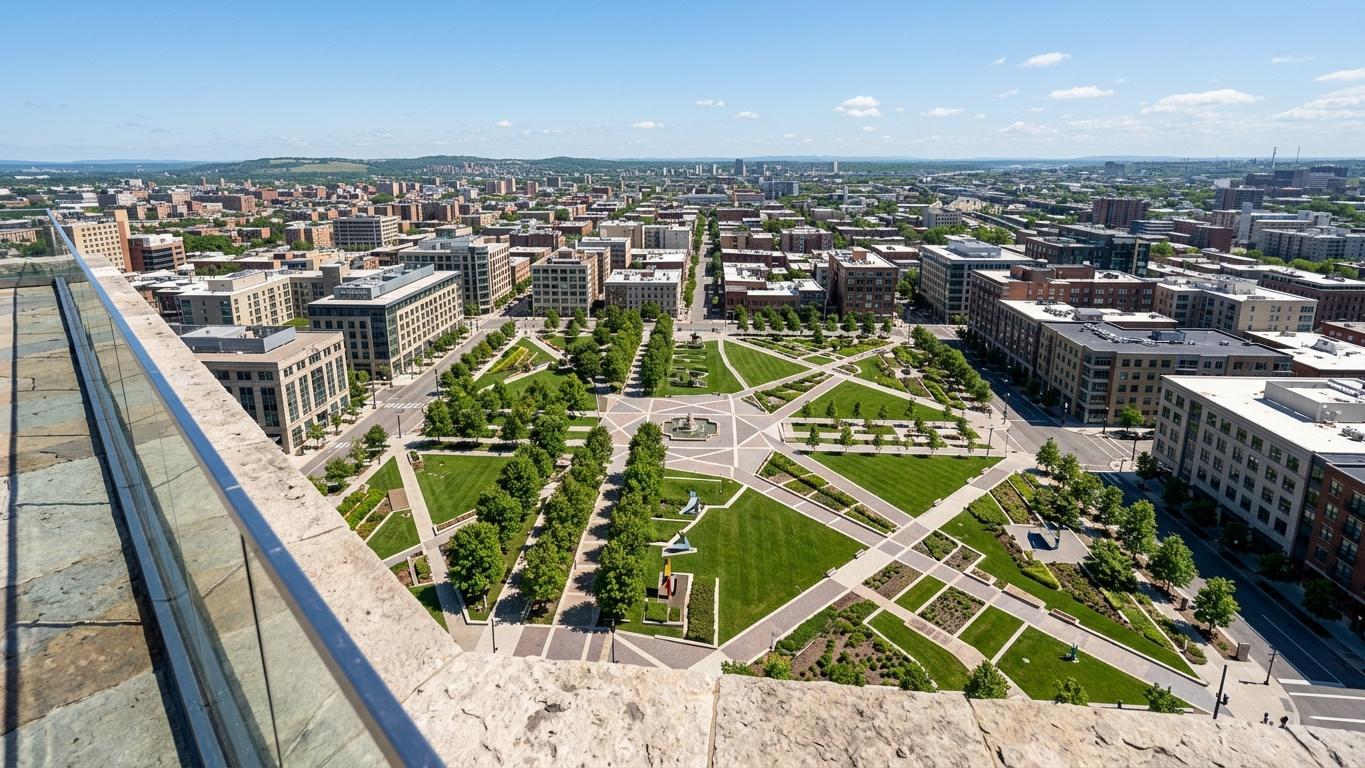
Morning visits tend to reward the climb the most, before the haze builds over the city later in the day. The staircase itself is manageable for most fitness levels but involves a genuine flight of stairs, which is worth noting for visitors with mobility concerns.
The platform itself is open-air, ringed by a solid railing, with enough room for a handful of visitors to move around comfortably even during busier periods. It rarely feels crowded, even on weekends, since the climb itself naturally spreads out arrivals rather than delivering everyone to the top at once, as an elevator would.
Photographers specifically favor the platform for wide shots of Renon Square’s geometric layout below, government buildings ringing the plaza in a pattern that reads clearly from height in a way it never quite does from ground level. It’s arguably the single best reason to make the climb even for visitors who’d otherwise skip the dioramas.
Visiting Hours & Entrance Fee
The Bajra Sandhi Monument is open daily from 8:00 AM to 6:00 PM. Entrance fees run around IDR 50,000 for adults and IDR 25,000 for children, roughly $3 and $1.50 USD respectively, making it an accessible stop regardless of how a broader Bali itinerary is budgeted.
Tickets are typically sold on site at the entrance, with no advance booking required for individual visitors. Group tours sometimes prearrange entry, but walking up on the day works fine for most travelers. Staff at the ticket counter generally speak enough English to handle basic questions, though bringing a translation app helps for anything more detailed.
The ticket price covers both the diorama museum on the second floor and access to the spiral staircase leading up to the viewing platform, so there’s no separate fee to climb once inside. Staff at the entrance can point newcomers toward the diorama ring’s starting point, since the circular layout isn’t always obvious on first arrival.
For travelers pricing out a Denpasar day trip, the Bajra Sandhi Monument in Bali sits comfortably at the affordable end compared with several of the island’s better-known paid attractions, making it easy to justify even on a tight schedule. A family of four can expect to spend well under $10 USD combined on entrance fees for the entire visit.
How to Get to the Bajra Sandhi Monument from Sanur
The monument sits about 2.5 kilometers from Sanur, roughly a 15-minute drive by car, taxi, or scooter, making it one of the more convenient cultural stops outside Sanur’s own immediate area for anyone based along the beach. Renon Square itself has ample open parking around its perimeter, unlike some of Denpasar’s more congested central districts.
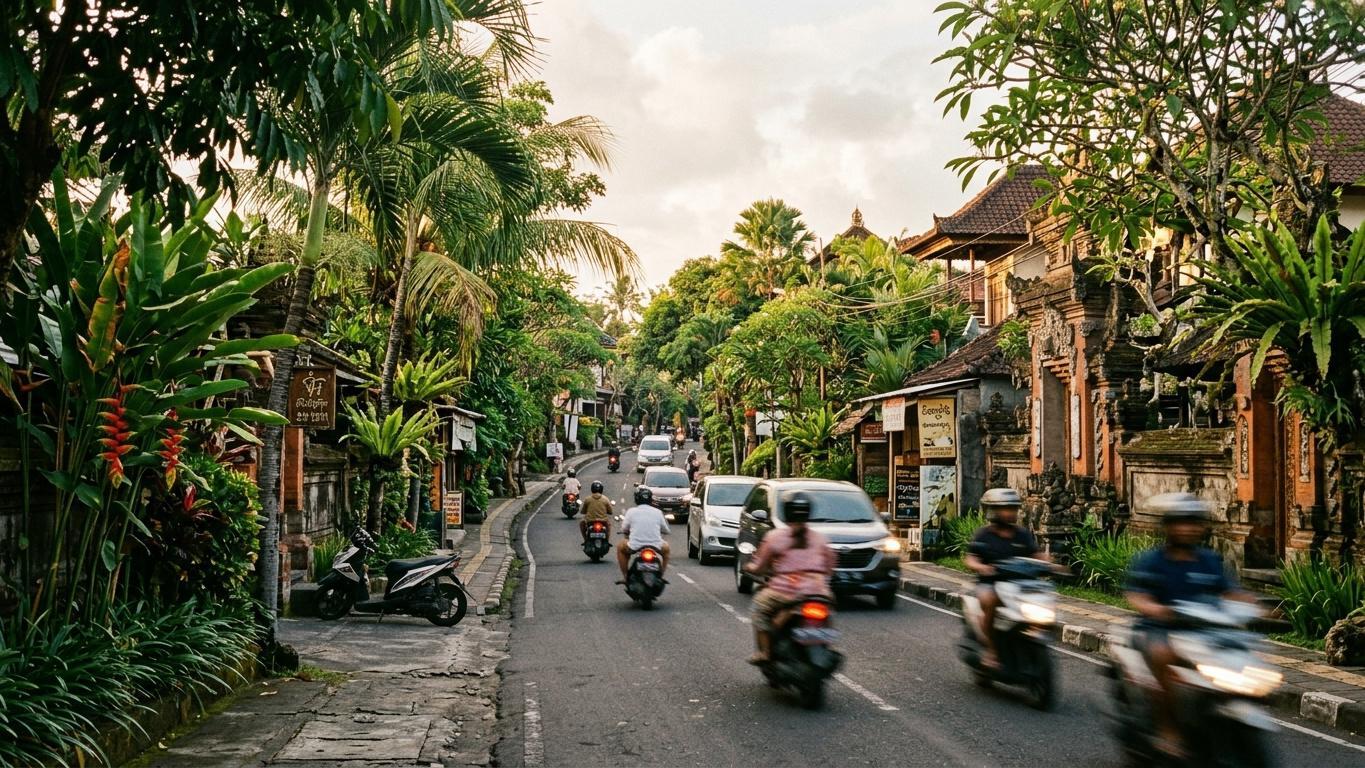
Ride-hailing apps cover the route reliably, and the drive itself runs through a mix of residential streets in Denpasar rather than heavy commercial traffic, generally making for a smoother trip than crossing into the city’s more built-up commercial core.
Traffic around Sanur and inner Denpasar tends to build up during the late-afternoon commute, so travelers heading to the Bajra Sandhi Monument in Bali from a Sanur base generally find that a mid-morning departure keeps the drive to a genuine 15 minutes rather than stretching it during a busier window. A scooter can sometimes beat car traffic on this specific route, though a taxi or ride-hailing car is the simpler option for anyone unfamiliar with Denpasar’s road layout.
Self-driving is straightforward for confident visitors, since the route from Sanur runs mostly along a couple of direct arterial roads rather than a maze of side streets, and Renon Square’s own signage makes the monument easy to spot well before arrival.
Tips for Visiting the Bajra Sandhi Monument
A handful of small, practical habits make a visit to the Bajra Sandhi Monument in Bali noticeably smoother, worth reviewing before setting out for the day.
- Allow 60 to 90 minutes for a full visit, including time to walk the diorama ring and climb to the viewing platform.
- Wear comfortable shoes; the spiral staircase to the top and the ground-level plaza both involve a fair amount of walking.
- Visit in the morning for cooler conditions and clearer views from the top platform.
- Bring small cash for the entrance fee, since card payment isn’t reliably available at the ticket counter.
- Combine the visit with a walk around Renon Square itself, a popular local spot for exercise and gathering in the early morning and evening.
- Pace the diorama ring rather than rushing it; reading even a handful of the English captions closely adds real context that a quick walk-through skips entirely.
- Keep the visit to the Bajra Sandhi Monument in Bali to a half-day slot alongside one nearby historical site rather than cramming in several, so there’s time to actually absorb what’s on display.
Renon Square: More Than Just the Monument
Renon Square serves as one of Denpasar’s main public green spaces, beyond the monument itself, and is popular with local residents for morning jogs, evening walks, and weekend family time. Government buildings and Bali’s provincial offices ring the square, giving the area a genuinely civic, lived-in character rather than a feeling of being built purely for tourism.
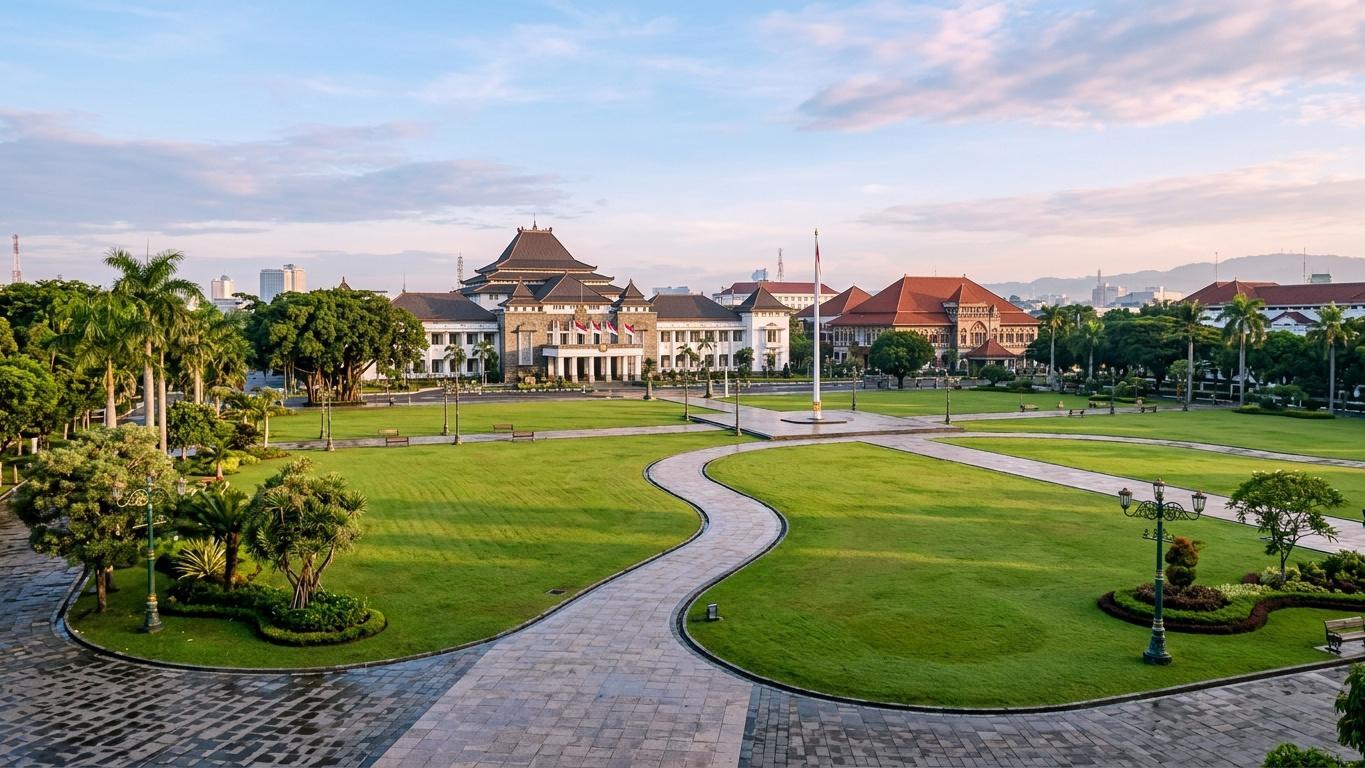
That local, everyday use is part of what makes a visit here feel different from more purely tourist-facing landmarks elsewhere on the island. Sharing the plaza with Denpasar residents going about an ordinary morning adds a texture that a purpose-built attraction usually can’t replicate.
Food carts and small local warungs set up around the square’s edges, especially in the early evening, giving visitors who linger after climbing the Bajra Sandhi Monument in Bali an easy, low-key way to sample genuinely local snacks alongside residents rather than at a tourist-oriented restaurant. It’s a good window into everyday life in Denpasar that many itineraries built purely around beach time in Sanur miss entirely.
The square’s wide-open lawns also host occasional community events and civic gatherings tied to national holidays, adding another reason the plaza feels like a genuine part of the city rather than a static backdrop for the monument alone. Vendors selling kites and simple toys sometimes set up near the lawns on weekend evenings, a small, unplanned bonus for travelers who happen to be walking through at the right hour.
Best Time to Visit the Bajra Sandhi Monument
Morning, roughly 8:00 to 10:00 AM right after opening, brings the coolest temperatures for the climb to the top and the clearest visibility across the city from the viewing platform. Late afternoon, closer to sunset, offers a second good window, particularly for photos across Renon Square as the light softens, though haze can reduce visibility from the top platform by that point in the day.
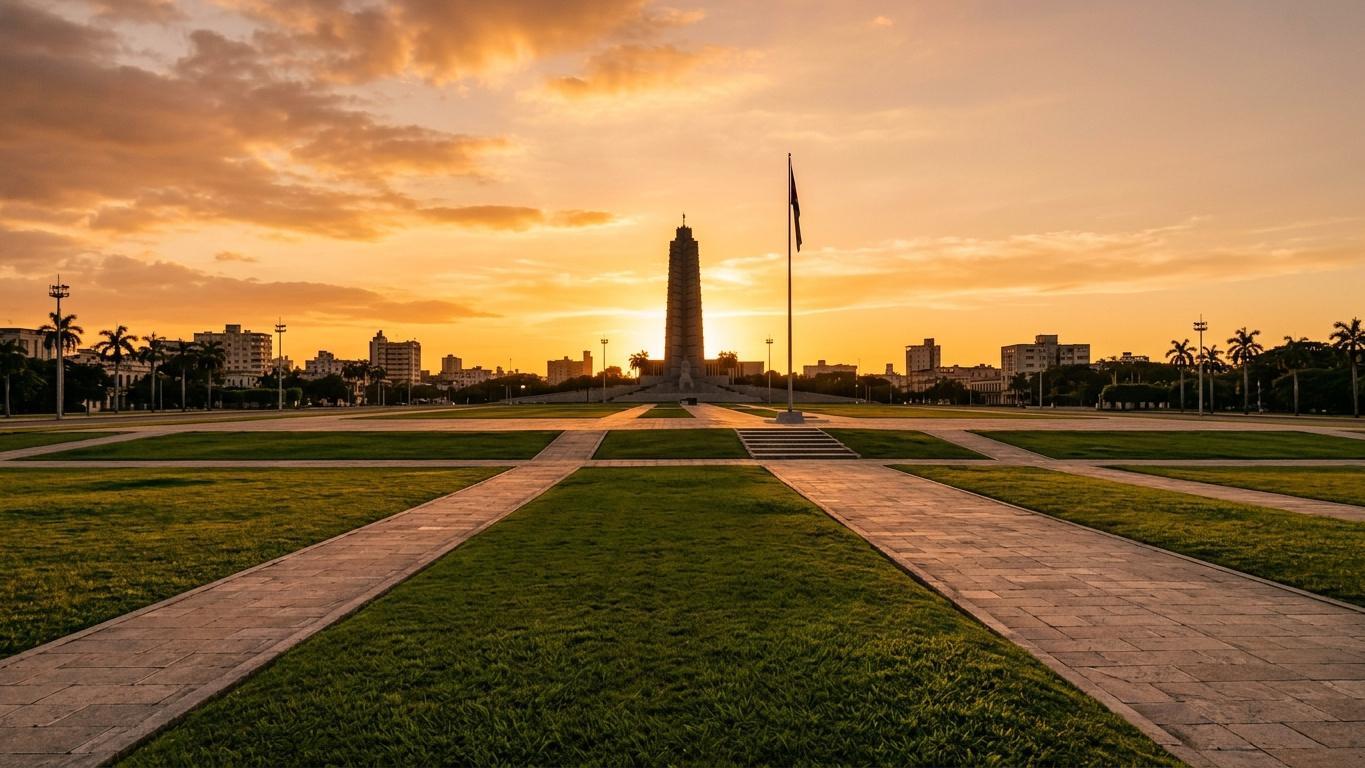
The monument draws a mix of local school groups and international visitors, generally busier on weekends and during Indonesian national holidays tied to independence, when the site’s own significance draws larger local crowds specifically.
August, leading up to Indonesia’s Independence Day on the 17th, is genuinely the most meaningful time to visit the Bajra Sandhi Monument in Bali, since the site’s dedication to the independence struggle takes on extra resonance during the same weeks when the whole country marks the occasion. Expect noticeably larger local crowds and, in some years, small commemorative events staged around Renon Square itself during that period.
Outside of that specific window, weekday mornings stay reliably the quietest time to visit, with far fewer school groups than weekend mornings and shorter waits at the ticket counter for anyone visiting during peak Bali travel season.
Other Historical Sites Worth Pairing With a Visit
Denpasar and Sanur both carry more layered history than a single stop can cover, and a few other sites round out a fuller day.
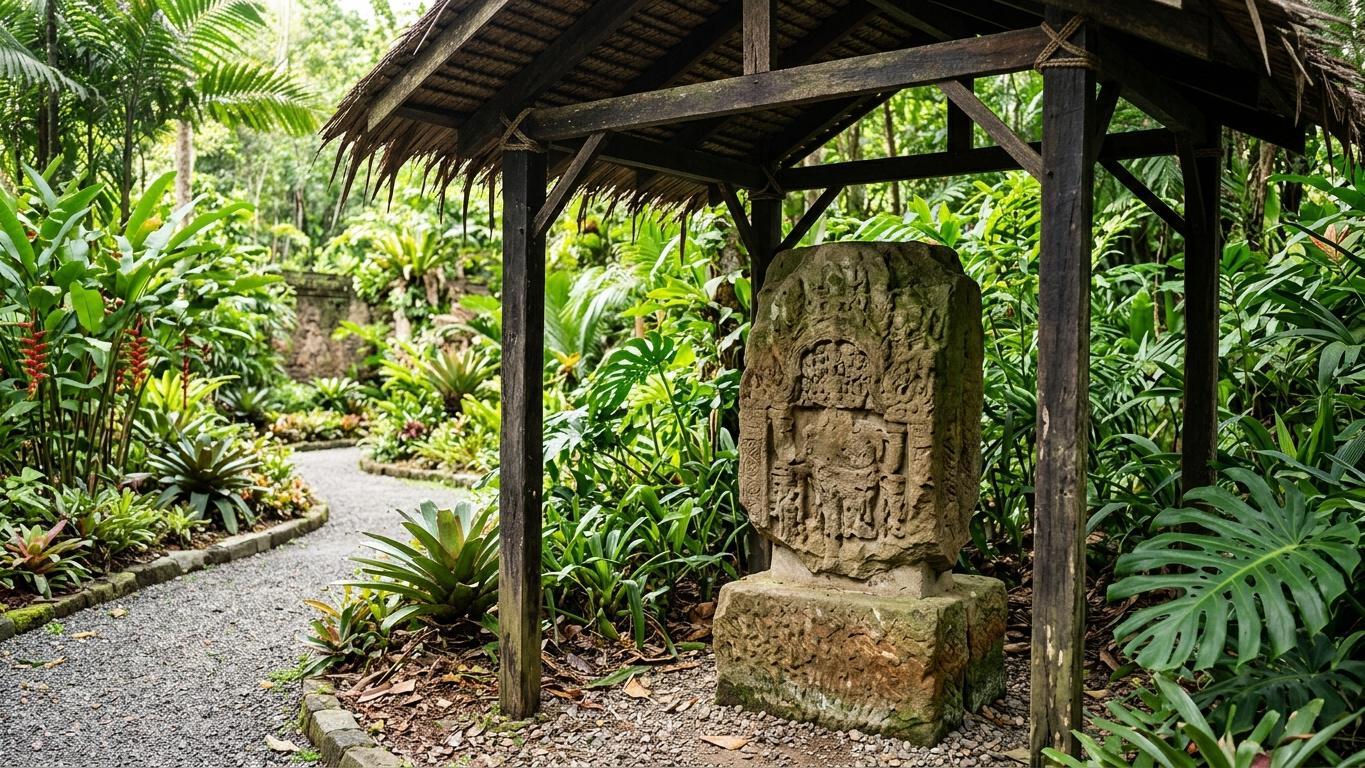
Pairing a morning at the Bajra Sandhi Monument in Bali with an afternoon at Blanjong Temple or the Le Mayeur Museum creates a genuinely coherent historical route across two very different eras, from Bali’s 10th-century royal inscriptions to the 20th-century independence story the monument itself tells. All three sit within a compact enough radius of Sanur that a single driver or ride-hailing booking can cover the full loop in one day without feeling rushed.
| Site | What It Is | Distance from Bajra Sandhi Monument |
|---|---|---|
| Blanjong Temple | Ancient 914 CE royal inscription pillar in Sanur | About 15-20 minutes by car |
| Le Mayeur Museum | Belgian painter’s former home and studio on Sanur Beach | About 15-20 minutes by car |
| Puputan Badung Square | Central Denpasar plaza tied to the 1906 resistance | About 10 minutes by car |
Where to Stay for a Trip Combining Bali’s History and Beaches
Basing a stay in Sanur puts both Denpasar’s inland historical sites and the beach itself within easy reach of a single hotel, without needing to relocate mid-trip to cover both sides of a Bali itinerary.
Bali Beach Hotel
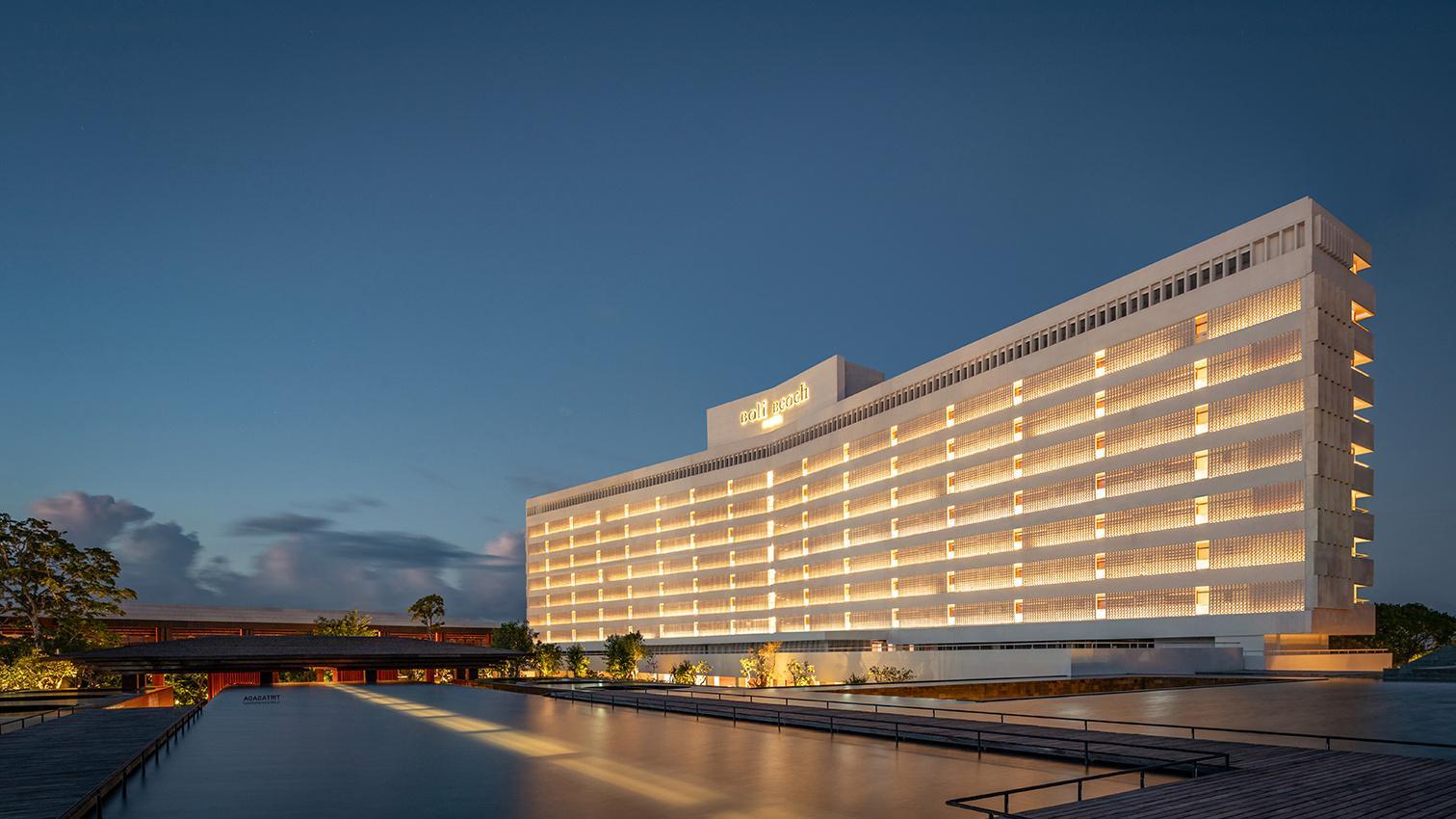
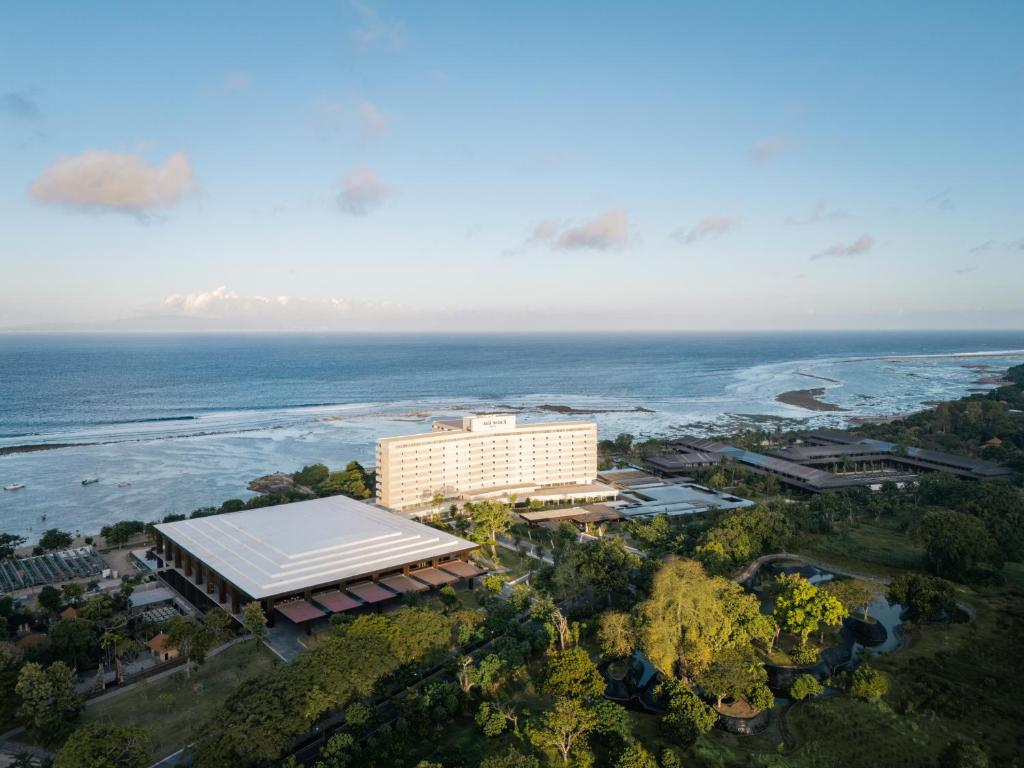
Bali Beach Hotel The Heritage Collection sits on Sanur’s beachfront, about 15 minutes from the Bajra Sandhi Monument, close enough to fold an inland history morning into a beach-based stay without a long transfer eating into the day.
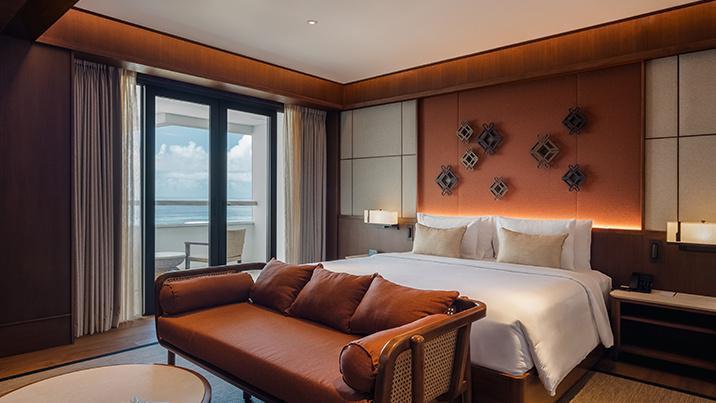
The Sanur Suite, 120 square meters with a separate workspace and living and dining areas, suits a family wanting room to regroup after a history-heavy day out.
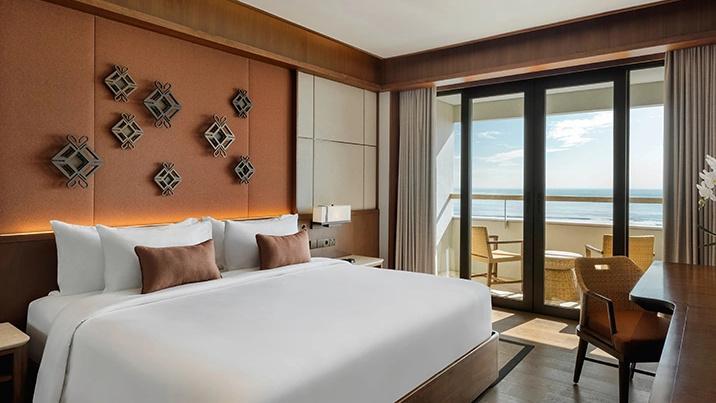
The Royal Suite, on the 10th floor with 135 square meters of panoramic ocean view, gives a couple or family an elevated vantage point of their own, a fitting pairing after the monument’s own rooftop viewing platform.
Both suites include a separate living area, distinct from the bedroom, useful for travelers returning from a full day of sightseeing who want space to spread out guidebooks, cameras, and the day’s souvenirs without everything piling up around the bed. The Royal Suite, in particular, suits travelers who want their own private view of the coastline to bookend a day spent looking out from Denpasar’s public viewing platform inland.
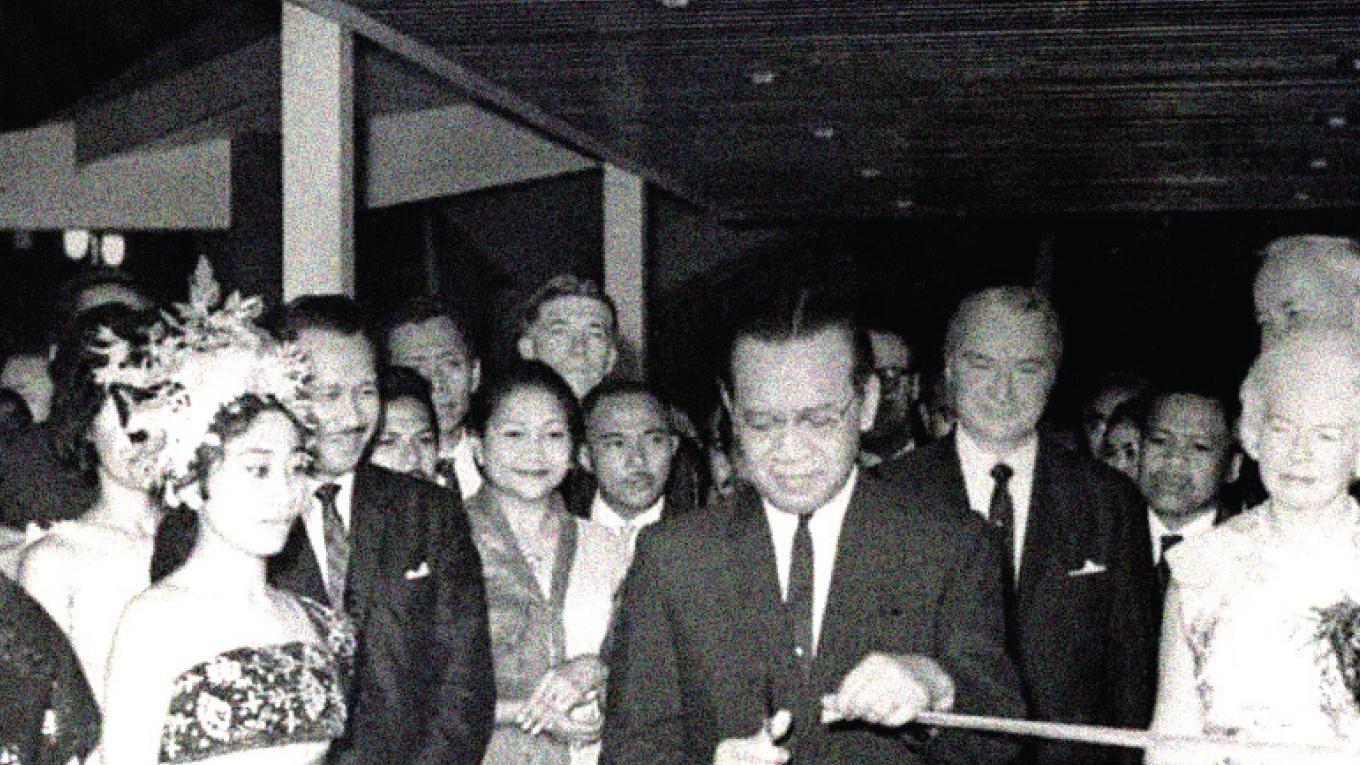
The hotel’s own history runs in genuine parallel to the story told inside the Bajra Sandhi Monument.
Built on President Soekarno’s own vision for Indonesia’s independence-era tourism ambitions and opened in 1966, the hotel is itself a piece of the same national story that the monument’s dioramas trace, just told through architecture and hospitality rather than miniature scenes.

The Bali Beach Convention Center, the largest convention venue in Denpasar, with 3,750 square meters of combined space across its three halls, regularly hosts community and civic events tied to national holidays and observances, a modern echo of Renon Square’s role as a gathering place for Denpasar residents.

Sutasoma Lounge leans into Indonesian spirits specifically, its Island Negroni swapping gin for Balinese arak and its Bali Mule built around arak from Karangasem, a small, genuine nod to local ingredients over imported ones worth knowing about after a day spent learning the island’s own history. Open 11:00 to midnight.
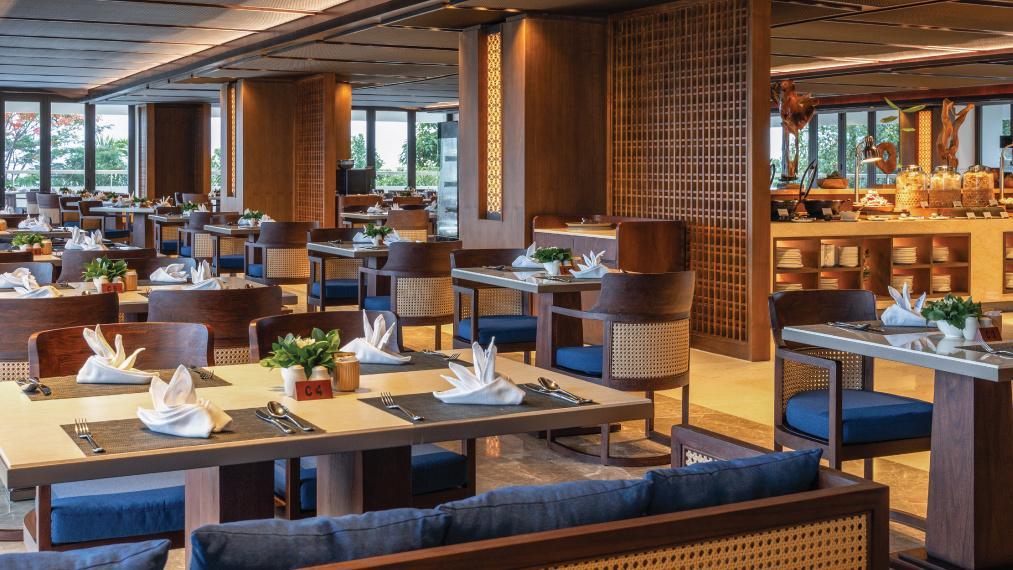
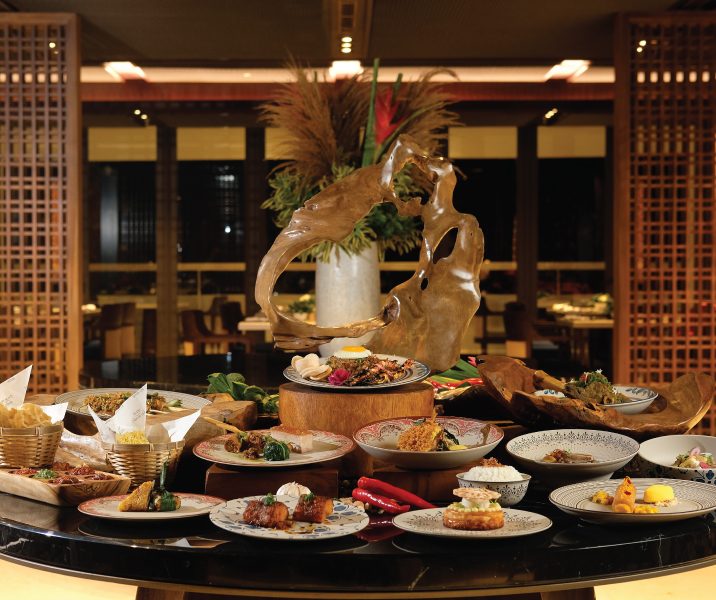
Roso Restaurant rounds out the day with a dinner built around Indonesian heritage cooking. Basah Balado, a spiced, chili-forward dish drawing on the bold heat of West Sumatran Padang cuisine, sits alongside the restaurant’s better-known smoked tuna jaw and grilled duck dishes as another genuinely specific, researched option on the menu. Breakfast runs from 6:30 to 10:30, lunch from 12:00 to 15:00, and dinner from 18:00 to 22:30.
Returning from a full day covering the Bajra Sandhi Monument in Bali alongside Blanjong Temple or the Le Mayeur Museum still leaves time to unwind, and the hotel’s beachfront offers a genuinely simple way to do it, watching Sanur’s calm water before dinner rather than rushing straight into an evening plan.

The Fitness Center stays open late enough to work off a long day of walking, a practical option for anyone who prefers to unwind actively rather than just sitting by the water.
The Bali Beach Convention Center’s civic role, regularly hosting community gatherings and events tied to national observances, mirrors Renon Square’s own function as a public gathering space in a smaller, hotel-based way, one more small thread connecting a stay here to the same independence-era story told inside the monument itself.
Detailed Information:
- Address: Jalan Hang Tuah, Sanur Kaja, Denpasar Selatan, Kota Denpasar, Bali 80227, Indonesia
- Phone Number: +62 (361) 2012000
- Reference Price: Contact the hotel directly for current room rates, which vary by category and season
Conclusion
The Bajra Sandhi Monument in Bali packs 33 detailed dioramas, a genuine rooftop city view, and a direct link to one of the island’s most significant historical events into a single, accessible Denpasar landmark. It rewards the short trip from Sanur with real depth, not just a photo from the outside.
Book a stay at Bali Beach Hotel to pair a morning at the Bajra Sandhi Monument with an afternoon back on Sanur’s beach, all from a hotel with its own genuine connection to the same era of Indonesian history.
Frequently Asked Questions
What is the Bajra Sandhi Monument famous for?
It’s Denpasar’s central independence monument, a 45-meter bell-shaped tower housing 33 detailed dioramas that guide visitors through Balinese history from early kingdoms to Dutch colonization to Indonesian independence.
How much does it cost to visit?
Entrance fees run around IDR 50,000 for adults and IDR 25,000 for children, roughly $3 and $1.50 USD, with tickets sold on-site at the entrance.
What are the opening hours?
The monument is open daily from 8:00 AM to 6:00 PM.
How far is the Bajra Sandhi Monument from Sanur?
It sits about 2.5 kilometers away, roughly a 15-minute drive by car, taxi, or scooter.
Can I go up to the top of the monument?
Yes, a spiral staircase leads from the diorama level up to an open viewing platform with panoramic views across Renon Square and Denpasar, included with standard admission.
How long does a visit take?
Most visitors spend 60 to 90 minutes covering the diorama ring and the climb to the top viewing platform at an unhurried pace.
Is the Bajra Sandhi Monument in Bali worth visiting from Sanur?
Yes. At about 15 minutes from Sanur, it’s a genuinely convenient half-day trip that pairs well with Blanjong Temple or the Le Mayeur Museum, and the diorama museum’s depth makes it worth more than a quick photo stop.
What should I know before visiting the Bajra Sandhi Monument in Bali?
Bring small cash for the entrance fee, wear comfortable shoes for the spiral staircase, and plan for a morning visit if clear top-floor views matter most, since afternoon haze can reduce visibility later in the day.