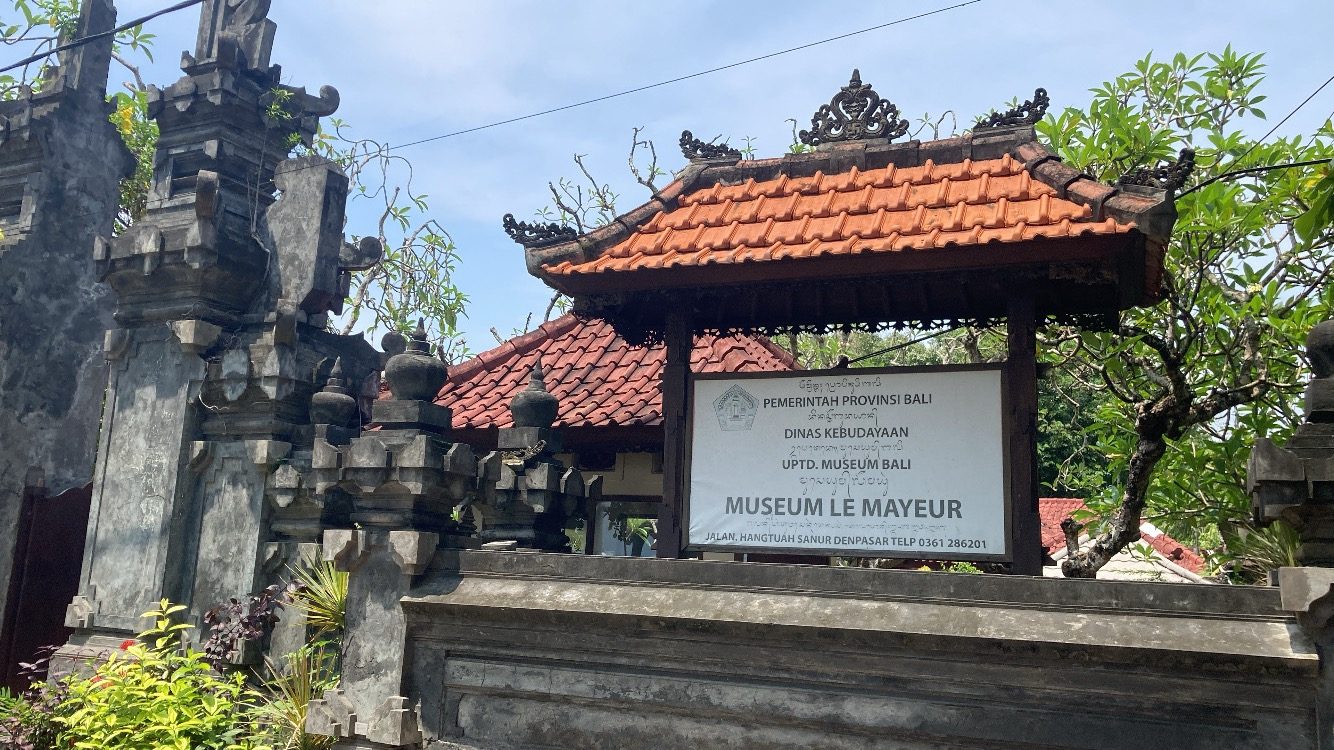
A Belgian painter, a teenage Legong dancer, and a beachfront house built slowly, stroke by stroke, around their life together. That’s the short version of what sits inside the Le Mayeur Museum in Bali, one of Sanur’s most overlooked stops and, quietly, one of the most personal. Most visitors walk past the low, tree-shaded compound on their way to the beach without realizing what’s inside.
The Story Behind the Le Mayeur Museum
Adrien-Jean Le Mayeur de Merprès, a Belgian Impressionist painter, first arrived in Bali in 1932, drawn by the island’s light and its people. He settled in Sanur and, within a few years, met and fell in love with Ni Pollok, a Legong dancer barely out of her teens at the time. They married in a traditional Balinese ceremony in 1935, and she retired from performing to become his primary model, appearing in nearly every painting he made for the next quarter century.
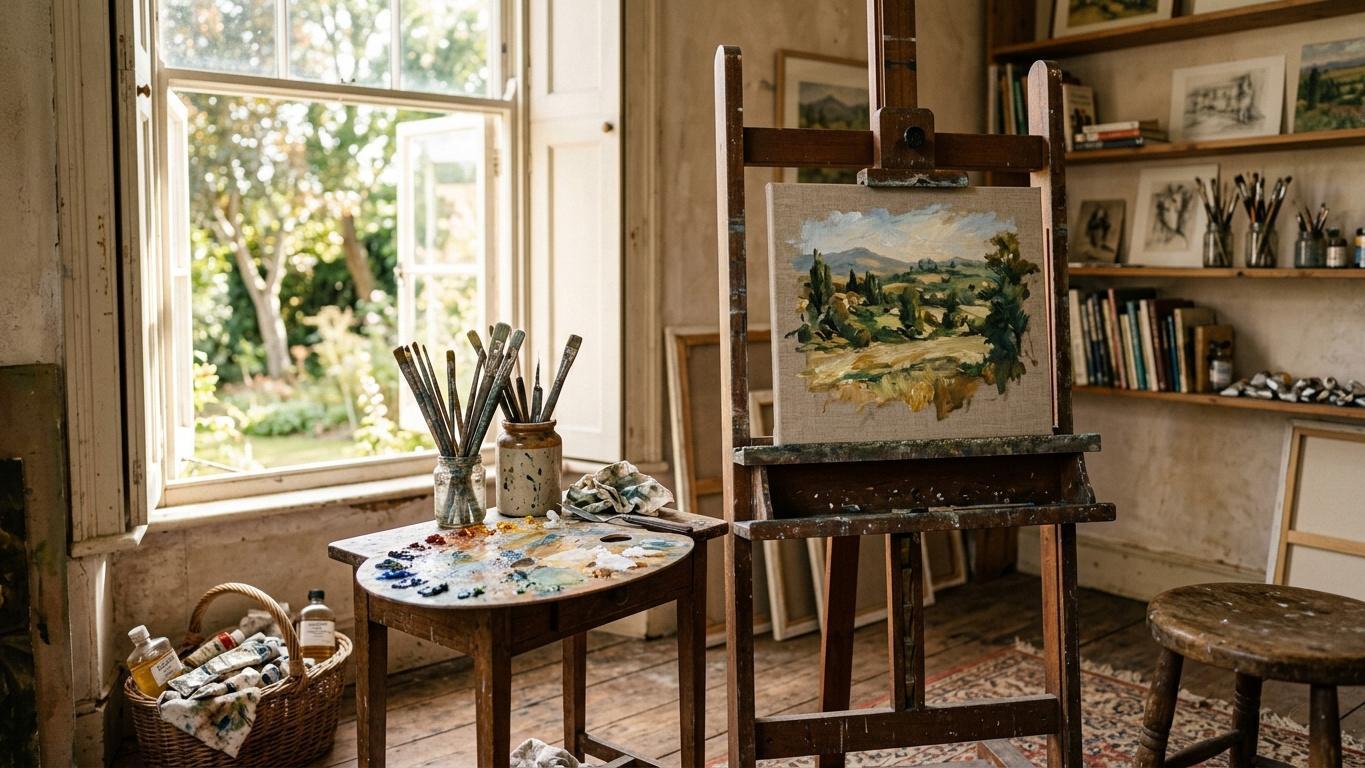
Le Mayeur personally built his house and studio directly on Sanur Beach, close enough to the water that the sea itself became one of his most repeated subjects. In 1957, he donated the property to the Indonesian government, and after his death in 1958, it opened as what’s now known as the Le Mayeur Museum in Bali, with Ni Pollok continuing to live on site until her own death in 1985.
Few artist-house museums anywhere preserve this specific combination: a working studio, the artist’s own home, and decades of paintings depicting the exact view still visible outside the windows today. That continuity, rather than any single painting, is what makes a visit to the Le Mayeur Museum in Bali feel different from a typical gallery stop.
What’s Inside the Le Mayeur Museum
The collection today holds roughly 88 of Le Mayeur’s paintings, spread across the compound’s seven traditional Balinese-style buildings, including the original house, his working studio, and a small art shop. Most works are Impressionist depictions of Sanur Beach life through the 1930s to 1950s, sun-drenched courtyards, temple ceremonies, and Ni Pollok herself, dancing, resting, or posed in traditional dress, appears throughout.
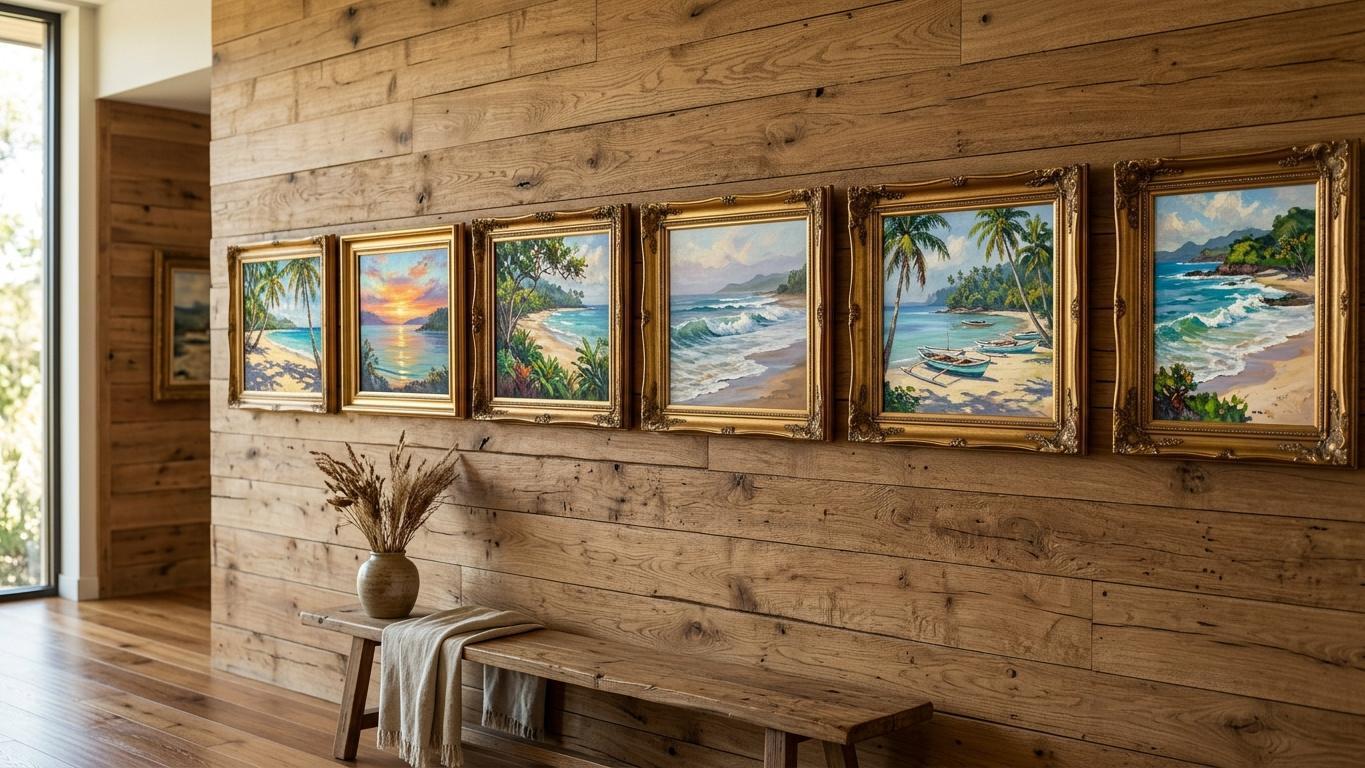
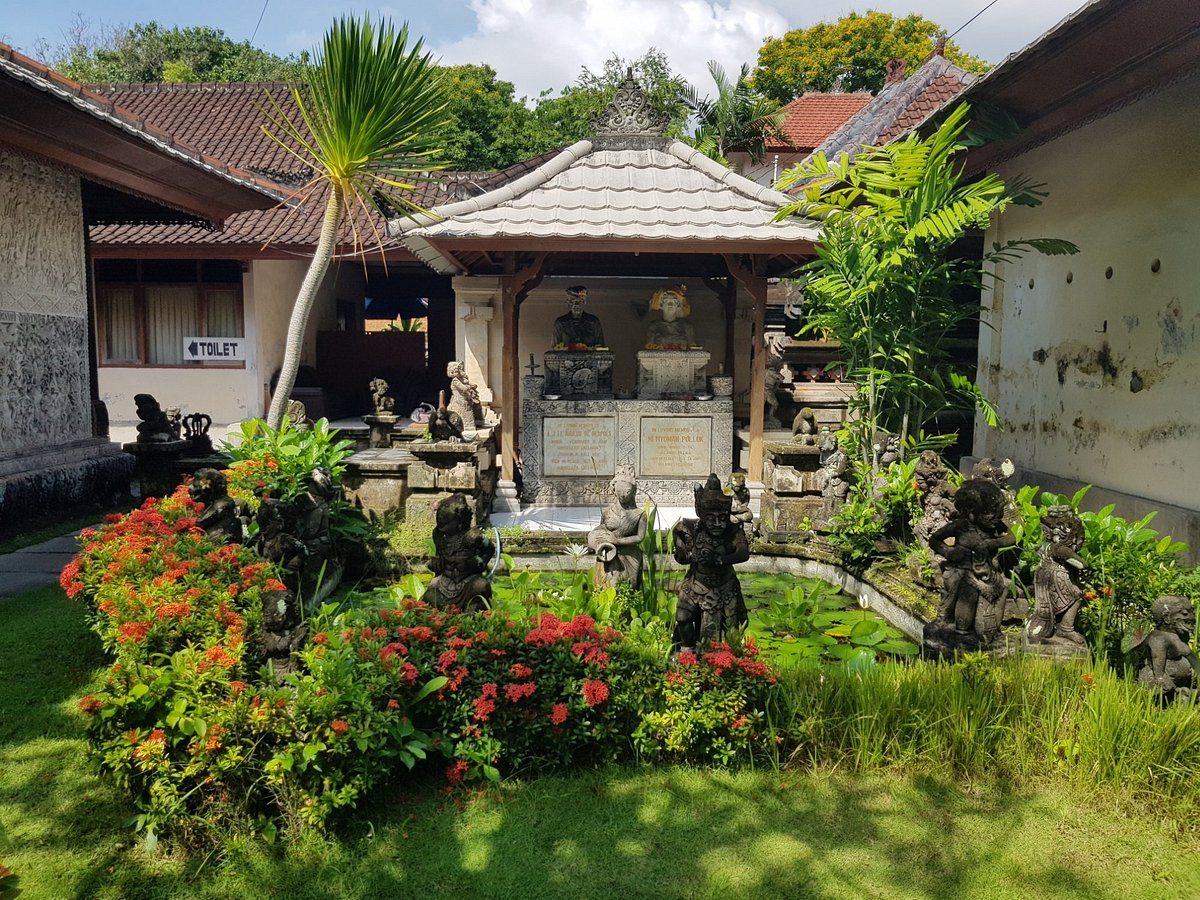
The buildings themselves are part of the exhibit. Carved wooden panels, traditional Balinese architectural details, and Le Mayeur’s own furniture and personal effects remain largely as they were during his lifetime, giving the museum a lived-in feel closer to visiting a preserved home than a formal gallery.
Because the paintings are original works on canvas and board, many now well over 70 years old, lighting inside several rooms is kept deliberately low to protect the pigments. A slower pace and a moment to let eyes adjust rewards a visitor more than a quick walkthrough would.
The paintings themselves fall into a few recurring subjects across the collection: Sanur Beach at various times of day, temple ceremonies and offerings, and Ni Pollok herself in dozens of settings, dancing, resting, dressed in ceremonial costume, or simply going about daily life. Seeing that range in one visit gives a far more complete sense of Le Mayeur’s actual output than any single reproduction ever could, which is exactly why the physical trip to the Le Mayeur Museum in Bali is worth the short walk over just looking up his work online.
Ni Pollok: The Woman Behind Nearly Every Painting
Understanding Ni Pollok’s own personal story changes how the whole collection reads. She wasn’t simply a model, she was a working Legong dancer with her own training and reputation before meeting Le Mayeur, and giving that up to become his muse and, eventually, his wife was a significant life change on her part, not just his.
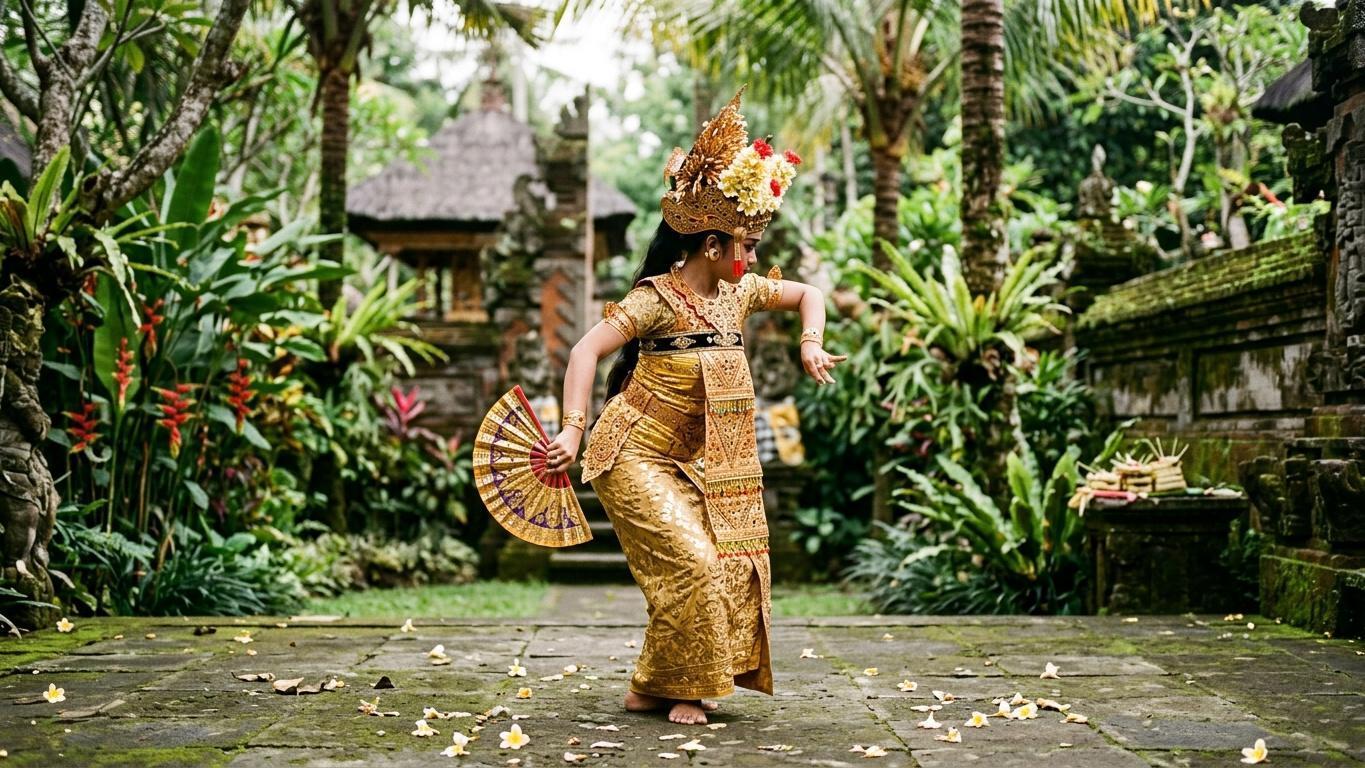
After Le Mayeur’s death, Ni Pollok stayed on at the property for nearly three decades, effectively becoming the museum’s own living connection to its subject matter for visitors who came through during those years. Her presence is part of why the museum still feels personal rather than purely historical, even now, decades after her own death.
Ni Pollok’s own dance background also ties the museum directly back to the island’s broader performing arts tradition. A visitor who has already seen a Legong performance elsewhere in Bali, or plans to, gets an extra layer of context here: many of the paintings capture the exact posture, costume, and stillness that make Legong such a technically demanding dance in the first place, painted from direct, personal knowledge rather than a passing artistic interest.
Visiting Hours & Entrance Fee
The Le Mayeur Museum in Bali is generally open from 9:00 AM to 5:00 PM, though hours can shift around public holidays, so confirming ahead on a specific travel date is worth the extra step. The museum operates as a government-run institution rather than a private attraction, which is part of why it keeps such a genuinely low entrance fee.
Entrance runs around IDR 2,000 per person for domestic visitors, with foreign visitors typically paying a modest separate rate, still low by most museum standards worldwide. Photography policies can vary by room given the age and fragility of the paintings, so it’s worth checking with staff on arrival rather than assuming full photography access.
Disclaimer: Entrance fees and operating hours are subject to change without notice. Always verify current rates and schedules locally before planning your visit.
That pricing is a genuine, notable outlier for the island, and part of why the Le Mayeur Museum in Bali rarely gets the same visitor volume as paid, purpose-built attractions elsewhere. A government-run site like this depends less on ticket revenue than a private museum would, which keeps the focus on preservation over turning through as many visitors as possible each day.
Staff on site can usually provide basic context in English about specific paintings or rooms if asked, though there’s no formal audio guide or guided tour included with the standard admission. Visitors wanting a deeper historical walkthrough sometimes arrange a private local guide in advance, though it’s entirely optional given how much context a little pre-visit reading, like this guide, already provides.
How to Get to the Le Mayeur Museum
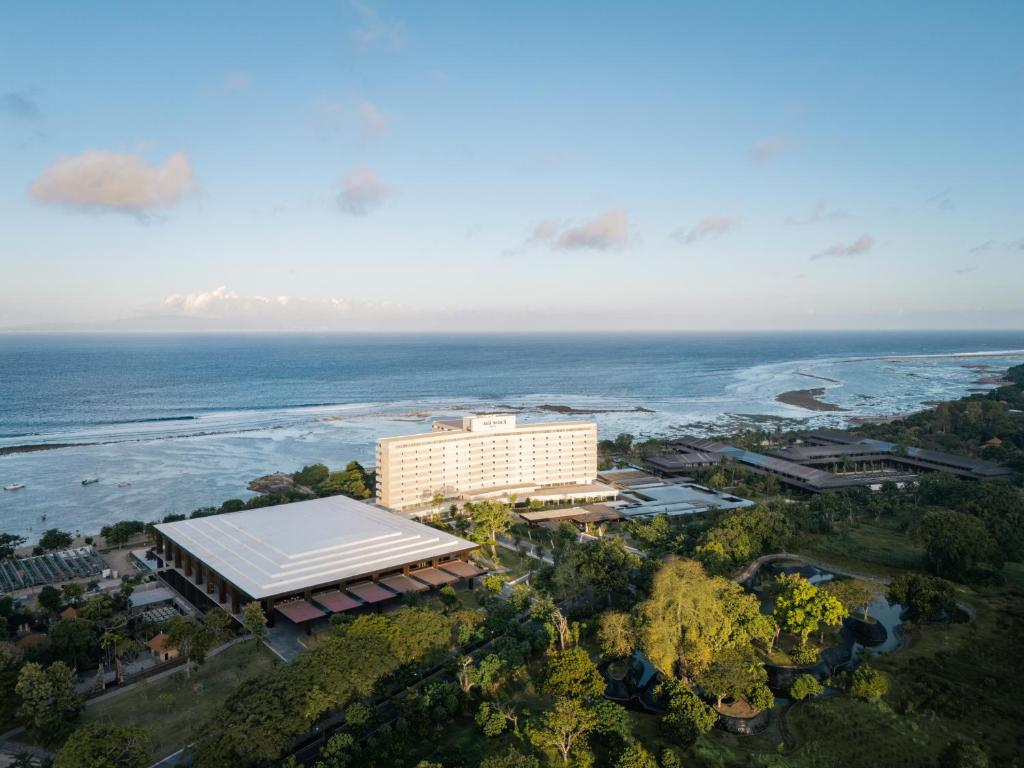
The museum sits directly on Sanur Beach, on Jalan Hang Tuah, immediately adjacent to Bali Beach Hotel’s own beachfront grounds, so close that guests staying at the hotel can walk to the entrance in well under ten minutes. For visitors based elsewhere in Sanur, it’s a short taxi, scooter, or beach-path walk from most hotels along the same stretch of coast.
There’s no dedicated parking lot at the museum itself, so arriving on foot or by scooter is often easier than by car, particularly during busier stretches of the day.
For visitors coming from further afield, a taxi or ride-hailing app remains the most reliable option, with most drivers familiar with the museum by name even though it sits along a relatively quiet stretch of beachfront road rather than a main thoroughfare. Confirming the destination as the Le Mayeur Museum in Bali, rather than a general Sanur Beach address, helps avoid confusion with the many other properties along the same coastline.
Tips for Visiting the Le Mayeur Museum
A handful of small, practical habits make a visit to the Le Mayeur Museum in Bali noticeably smoother, worth keeping in mind before setting out.
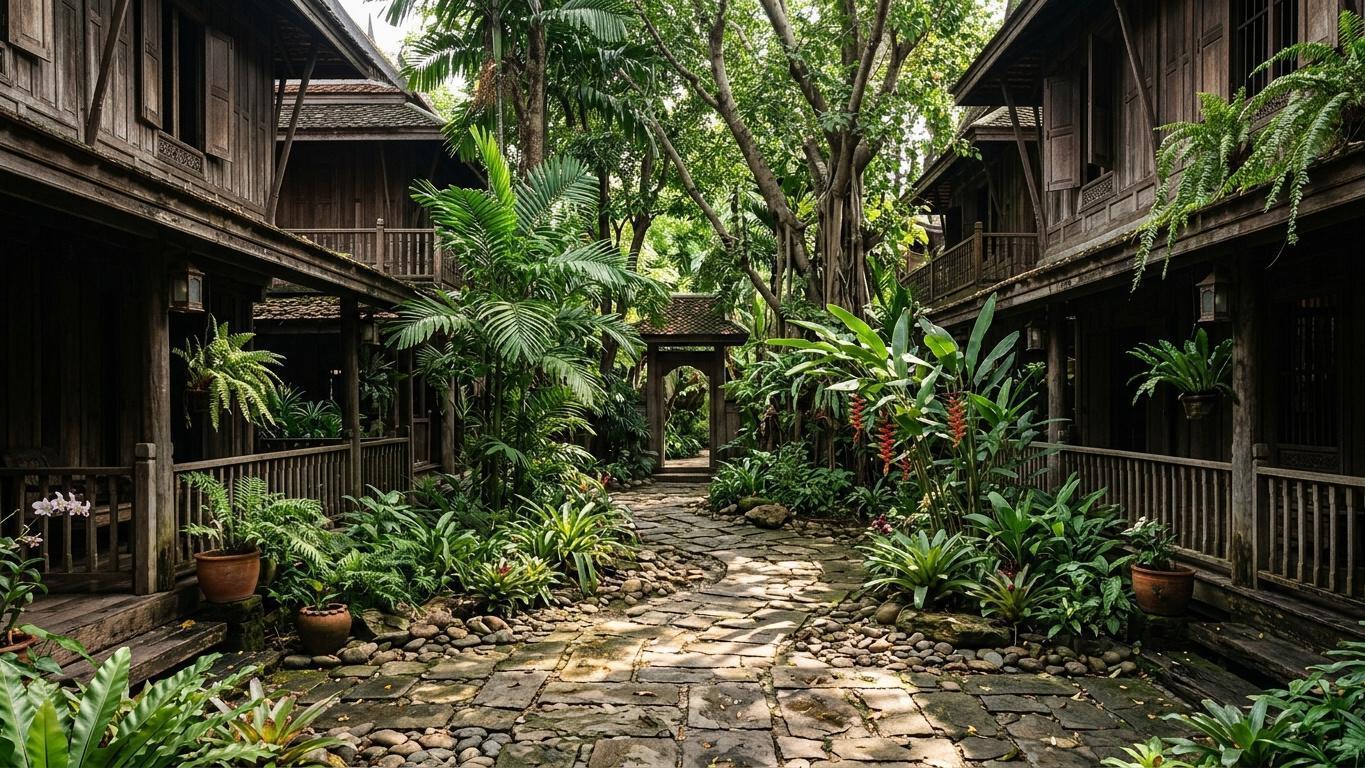
- Visit in the morning, both for cooler walking conditions and better natural light through the compound’s open-air courtyards.
- Bring small cash for the entrance fee; card payments aren’t reliably available at a small, government-run site like this one.
- Ask staff before photographing inside any specific room, since flash photography is typically restricted to protect the older paintings.
- Allow 30 to 45 minutes for a full, unhurried walkthrough of all seven buildings.
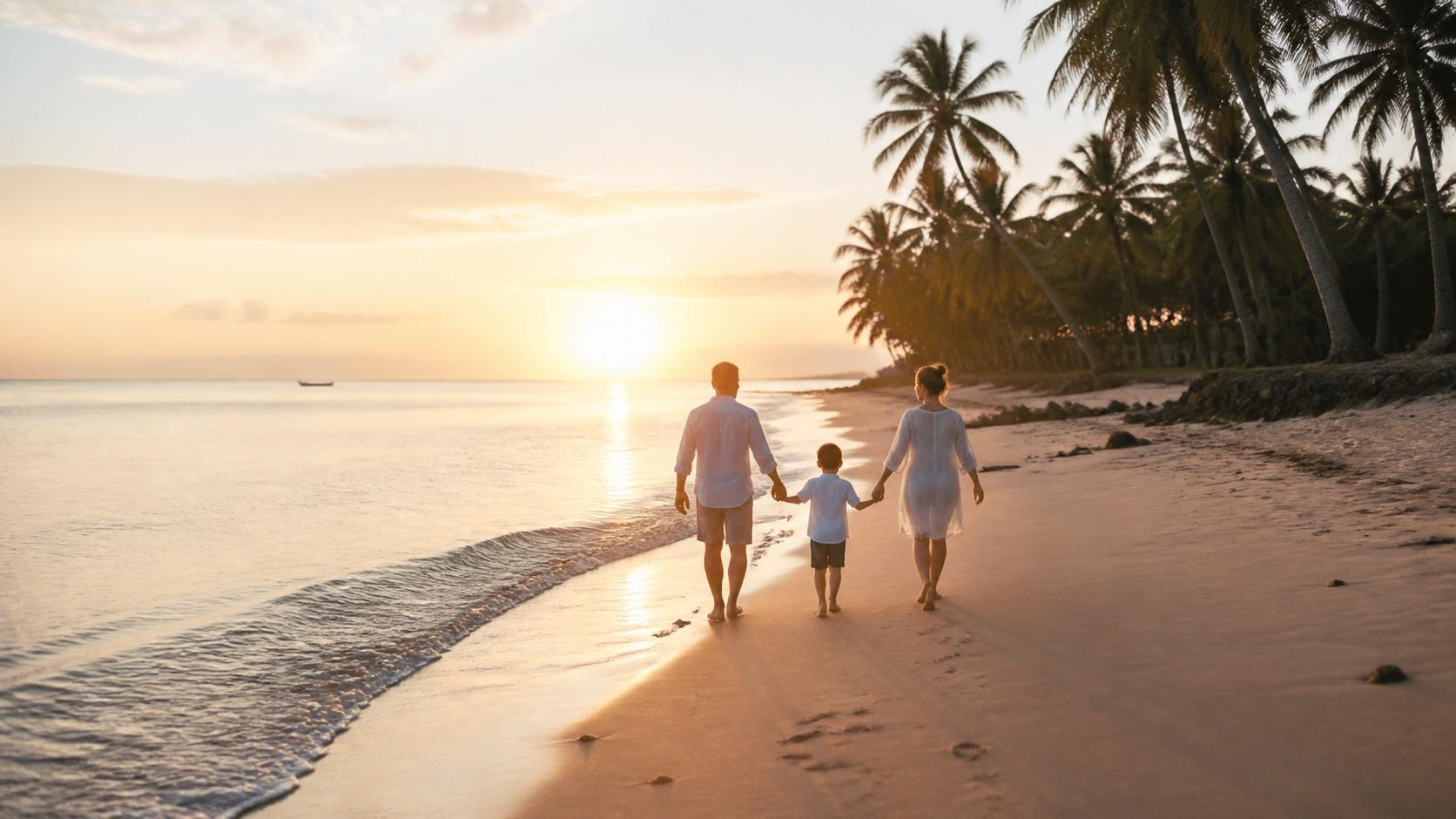
- Pair the visit with a walk along Sanur Beach itself, since several of Le Mayeur’s paintings depict the exact stretch of coastline just outside the museum’s doors.
- Wear comfortable, breathable clothing suited to walking between open-air buildings; there’s limited air conditioning across most of the compound.
None of these preparations require much planning ahead, which is part of the appeal. A visit to the Le Mayeur Museum in Bali fits easily into an otherwise unstructured Sanur morning without needing advance tickets or a scheduled tour slot.
Le Mayeur’s Wider Legacy in Bali
Le Mayeur certainly wasn’t the only European artist drawn to Bali in the early 20th century, but he’s among the most closely tied to one specific place. Painters like Walter Spies and Rudolf Bonnet, contemporaries working farther inland around Ubud, helped shape a broader wave of foreign artistic interest in Balinese culture during the same decades, with their work now studied together as part of the island’s early modern art history.
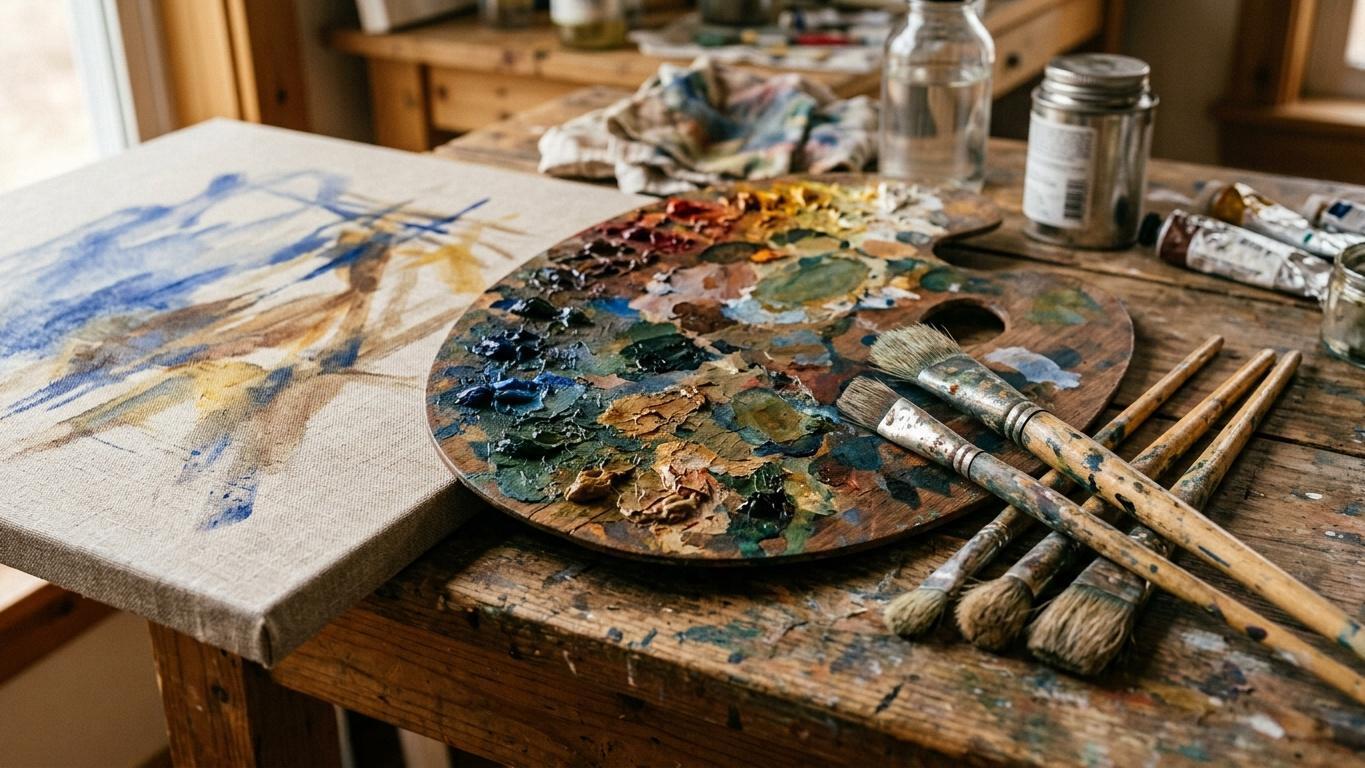
What sets the Le Mayeur Museum in Bali apart from that wider story is specificity. Rather than a general collection representing an era, it’s one artist’s actual home, holding the paintings he made there of the person he shared his life with, on the beach still visible from the property today. That level of direct, physical continuity is genuinely rare among artist museums anywhere in the world, let alone in Southeast Asia specifically. Most first-time visitors are genuinely surprised by how few other people know this particular story, given how significant it was to the island’s cultural and tourism history.
Le Mayeur’s paintings today also carry real market and historical value beyond Bali itself, occasionally surfacing at international auctions and in private collections abroad, sometimes fetching significant prices. The museum’s own holdings remain the largest single concentration of his work anywhere, which is part of why art historians and serious collectors still make the trip specifically to see the collection in its original context rather than relying on the smaller number of scattered pieces held in private hands elsewhere.
Why the Le Mayeur Museum Matters to Sanur’s History
Le Mayeur’s paintings did more than document Sanur’s daily life; they helped put it on the map. His work drew early international attention to the area decades before organized tourism arrived, and that same body of work later caught President Soekarno’s attention as he envisioned Sanur as a gateway for Bali’s tourism industry.
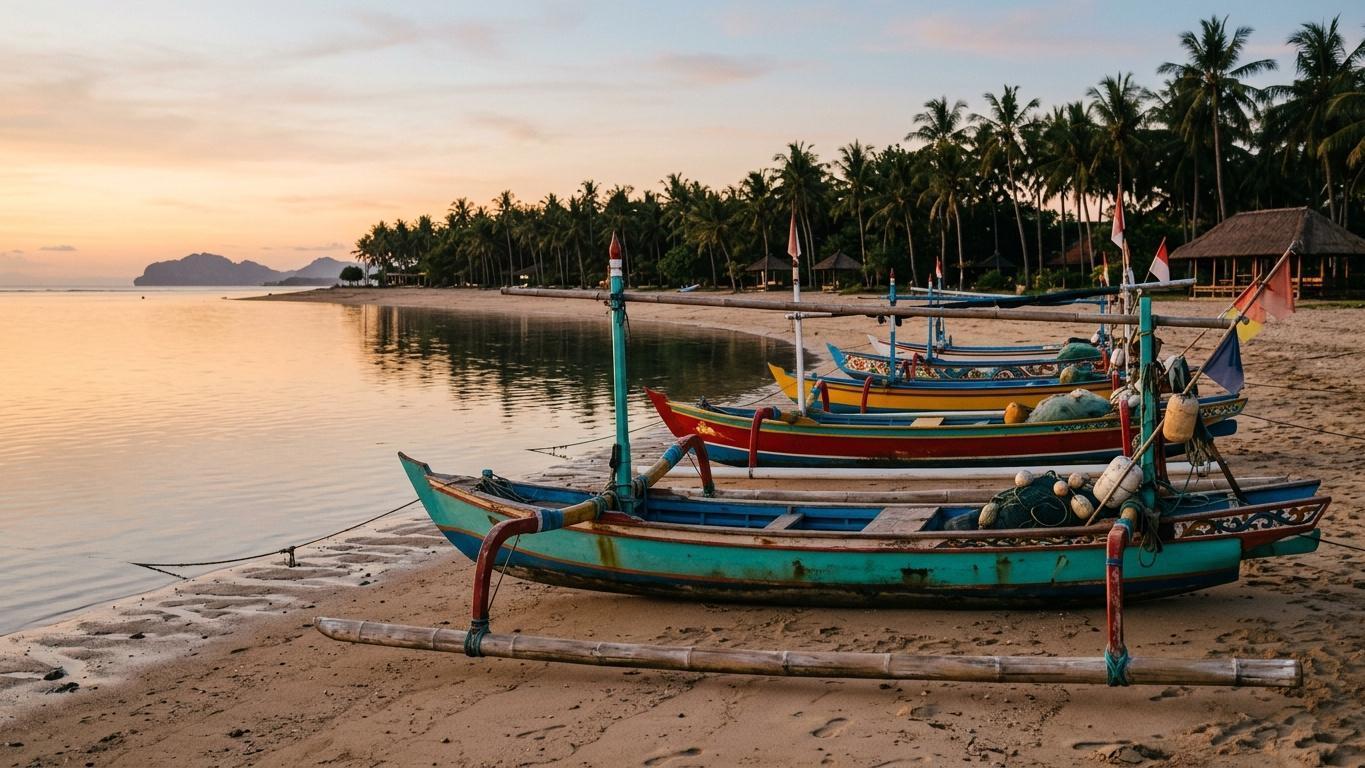
That makes the Le Mayeur Museum in Bali a genuine starting point for Sanur’s transformation from a quiet fishing village into the resort town it is today, a more concrete historical thread than most destinations can offer visitors curious about how a place actually became what it is.
It’s worth contrasting that with how Bali’s tourism identity is more commonly told, usually centered on Kuta’s surf culture from the 1970s onward or Ubud’s later wellness boom. Sanur’s own story starts earlier and more quietly, with a painter and a dancer building a life on one stretch of beach, a genuinely different, less-told version of how the island opened up to the outside world.
The Architecture of the Museum Compound
The seven buildings that make up the Le Mayeur Museum in Bali reflect both a working painter’s practical needs and a deliberate, carefully preserved design choice, worth understanding in two parts: how the compound was built, and what it still holds today.
Design and Craftsmanship
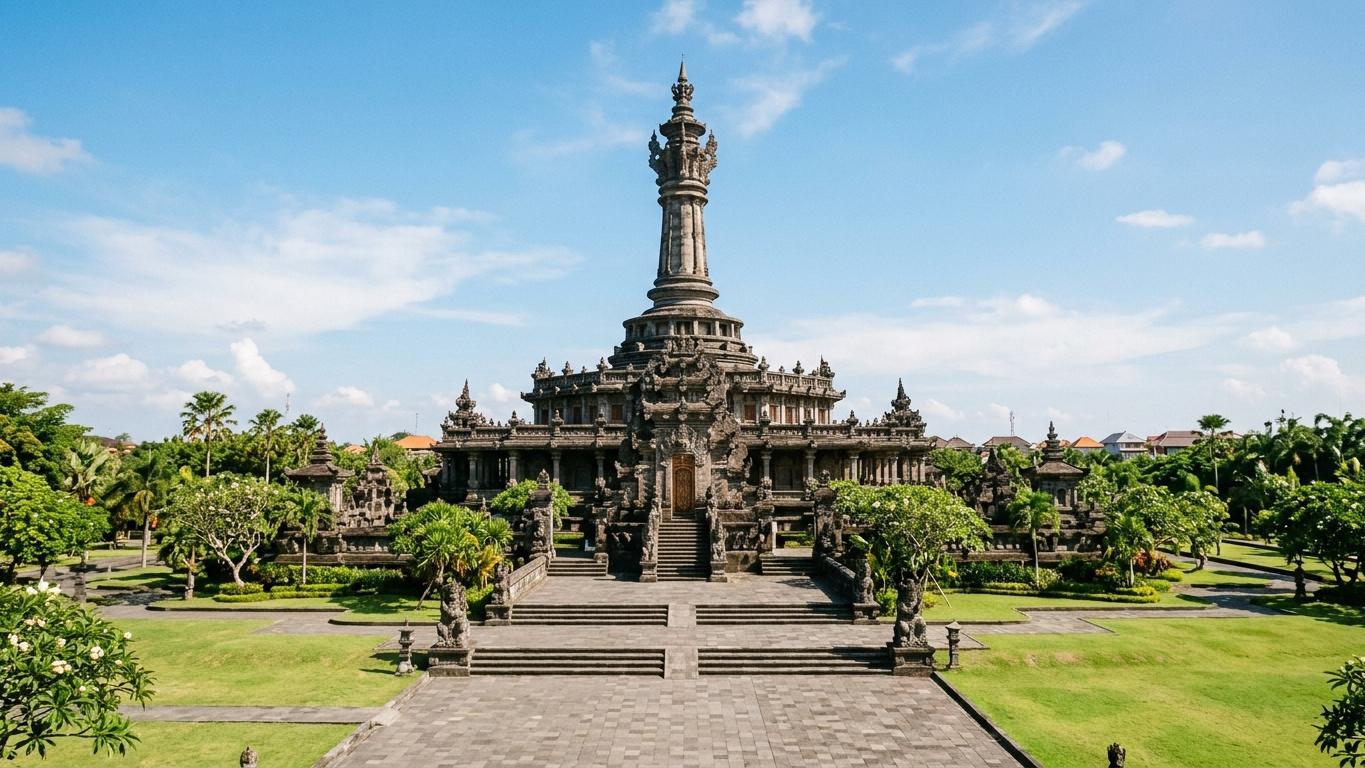
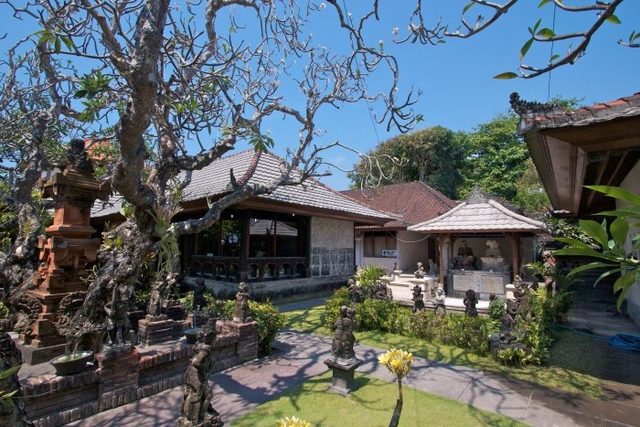
The buildings blend traditional Balinese construction with the practical needs of a working painter’s studio: high ceilings for natural light, open sides for airflow, and carved wooden panels that reflect the same craftsmanship found in the island’s temples rather than a European-style villa transplanted onto the beach.
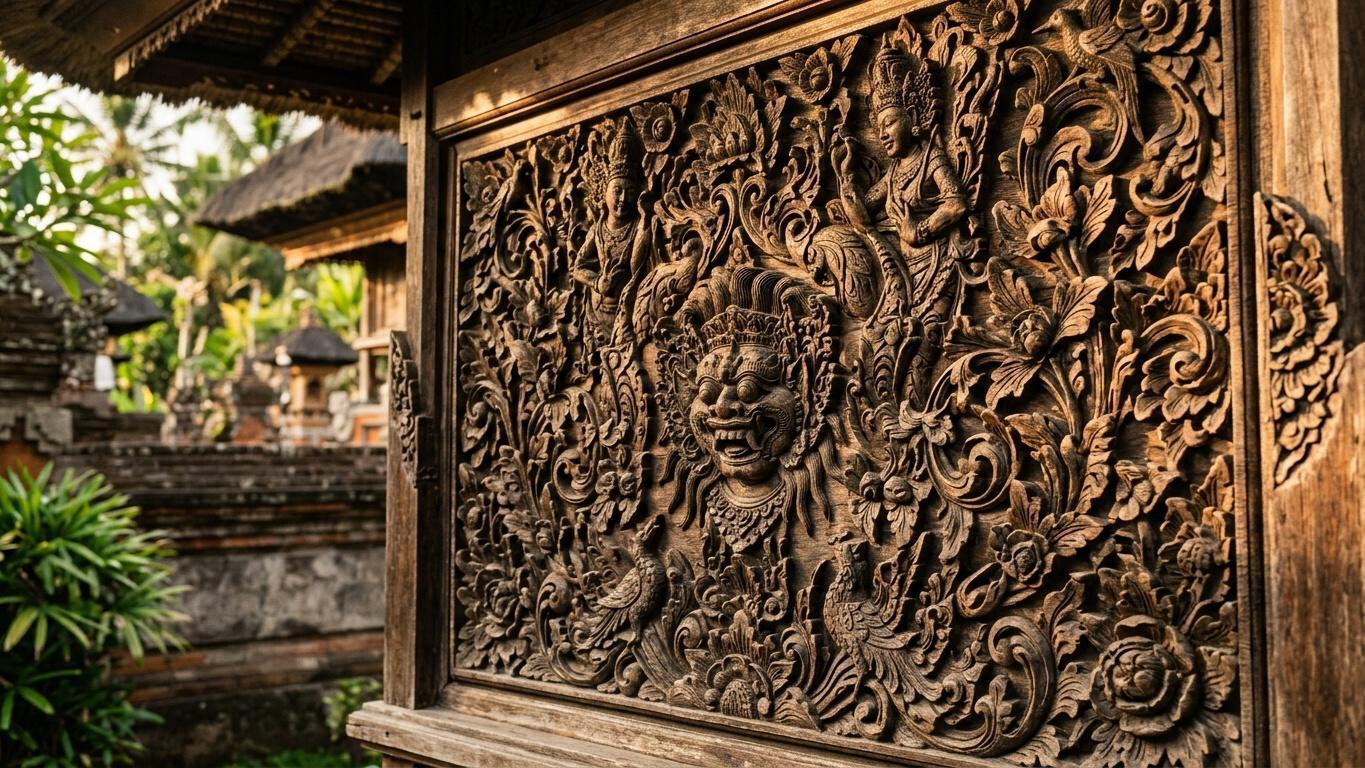
Le Mayeur worked closely with local builders and carvers on the compound’s design, which is part of why it reads as an authentically Balinese structure rather than a colonial-style import. That choice mirrors his own artistic approach: adopting the visual language of the place rather than imposing an outside one onto it.
Restoration work over the decades since the museum opened has aimed to carefully preserve this original character rather than modernize it, so the compound still largely reflects how it looked and felt during Le Mayeur and Ni Pollok’s own lifetimes there, rather than a reconstructed or reimagined version built for tourism.
Inside the Compound Today
A small garden threading between the buildings adds to the sense of a lived-in home rather than a converted exhibition space, with mature trees providing shade across most of the walking route between rooms even at midday.
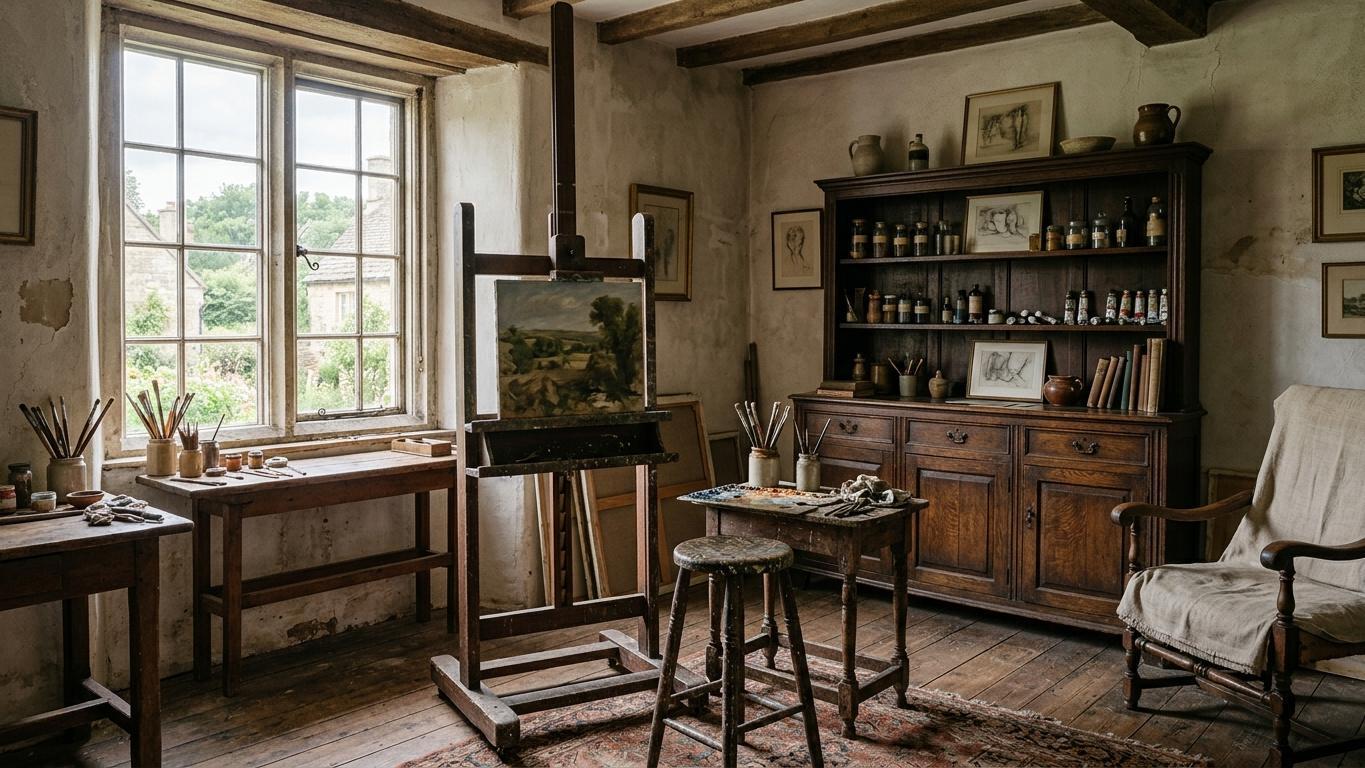
Some original furniture and personal items, easels, painting supplies, and various pieces of Le Mayeur’s own everyday life remain on display alongside the artwork, adding a layer of biographical detail beyond the paintings themselves. It’s a small enough site that these details don’t get lost the way they might in a larger museum with more competing exhibits vying for attention.
Walking the full loop through all seven buildings in the intended order gives a rough sense of how the couple actually used the space day-to-day, with living quarters flowing into a working studio, then into a more public-facing room now used as the small shop, rather than an arbitrary, curated path built purely for visitor traffic.
Other Historical Sites Near the Le Mayeur Museum
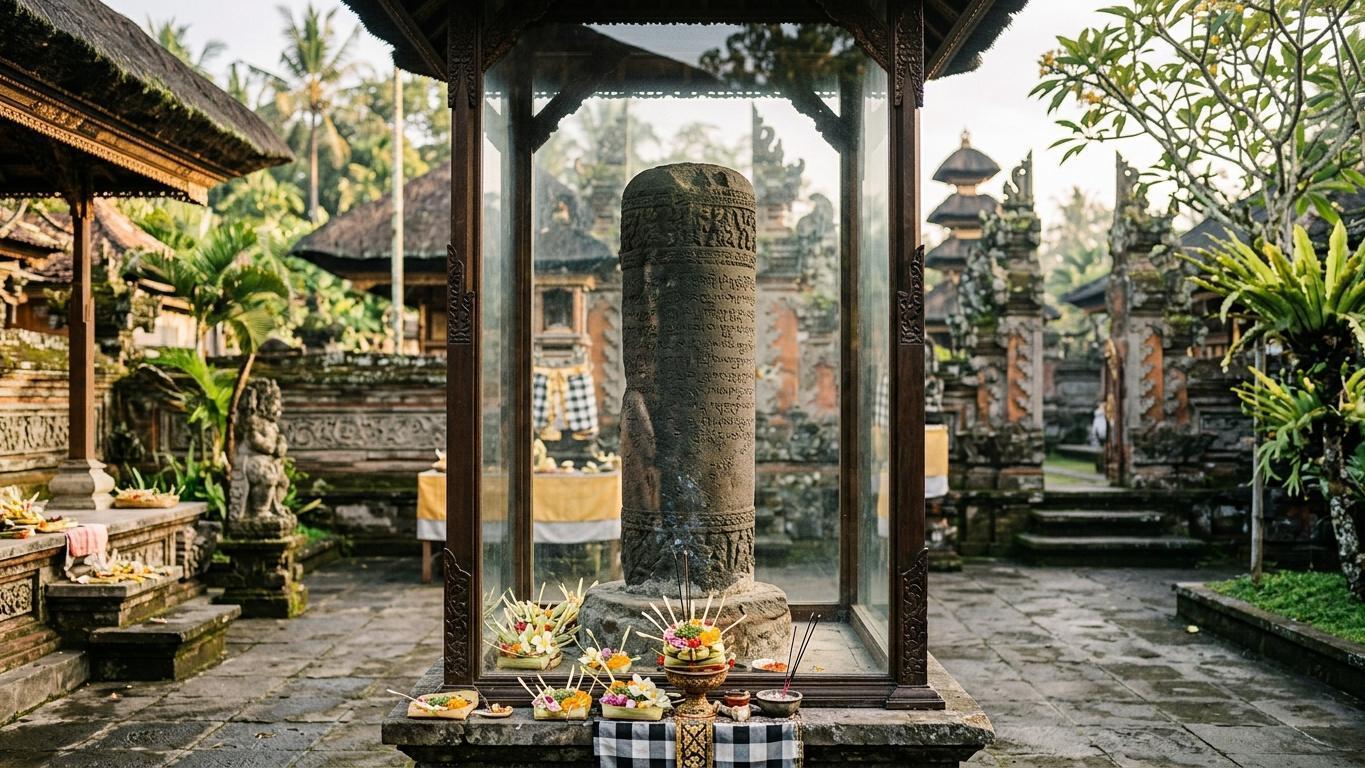
A handful of other genuinely historical stops sit within easy reach, making a half-day cultural loop straightforward to put together, one that moves from a thousand-year-old inscription to a colonial-era love story to a modern working harbor in a single unhurried morning.
| Site | What It Is | Distance from Le Mayeur Museum |
|---|---|---|
| Blanjong Temple | Ancient 914 CE royal inscription pillar | About 10 minutes by car |
| Sindhu Night Market | Evening street-food market on Sanur’s beachfront | About 10-15 minutes on foot |
| Sanur Harbour | Departure point for Nusa Lembongan and Nusa Penida ferries | About 10 minutes on foot |
Where to Stay Near the Le Mayeur Museum
Staying immediately next to the museum turns a single stop into an easy, repeatable part of a longer Sanur stay rather than a one-time detour.
Bali Beach Hotel
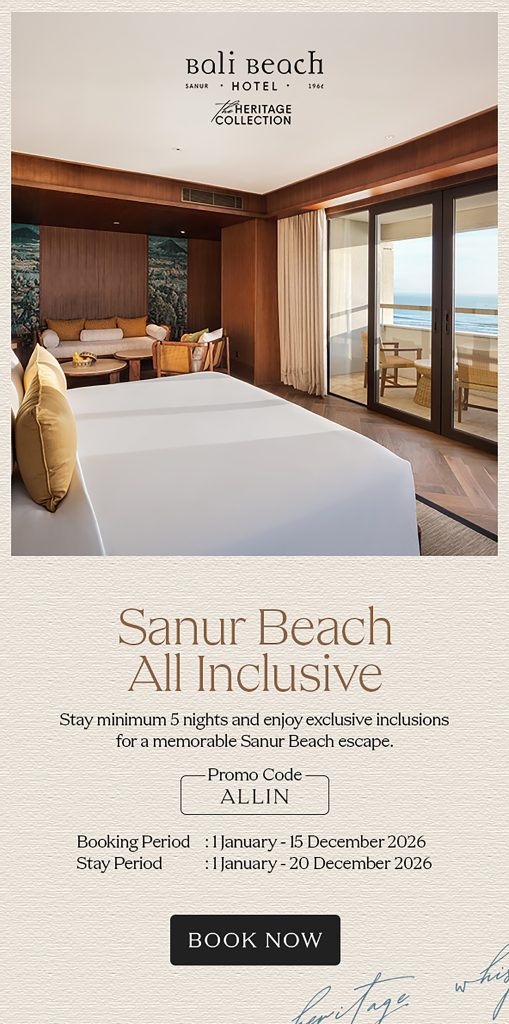
Bali Beach Hotel The Heritage Collection sits directly beside the Le Mayeur Museum on Sanur Beach, close enough that the two properties effectively share the same stretch of sand, a genuinely rare level of proximity to a real cultural landmark. Guests can walk from the lobby to the museum entrance and back to the lobby in a single morning without needing any transport at all.
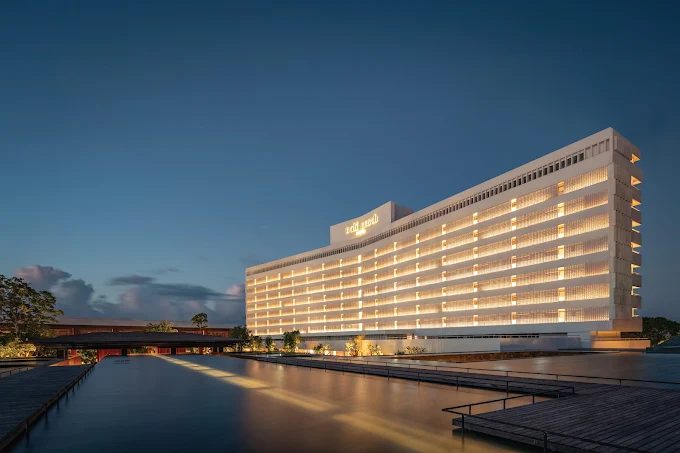
That physical closeness carries a symbolic weight too. The hotel’s own origin story, President Soekarno’s vision for opening Bali to international tourism, and Le Mayeur’s paintings, which helped draw early attention to Sanur decades before that vision ever took shape, are genuinely connected threads in the same neighborhood’s history rather than two separate attractions that just happen to sit near each other by coincidence.
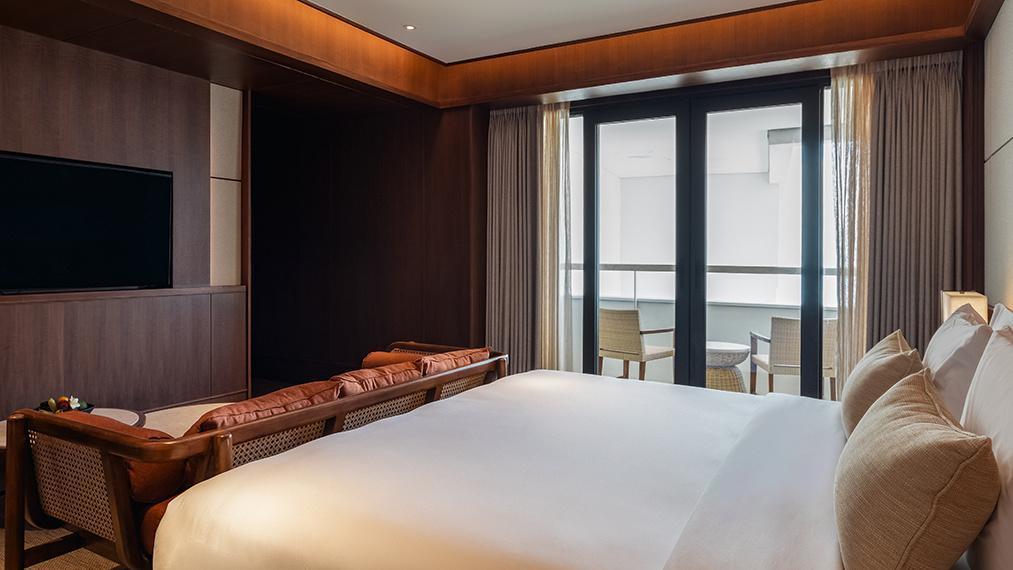
The Executive Room, sold on-site as a Family Suite or Family Room, offers a couple or small family 55 square meters with a partial ocean view, a practical base for a stay built around slower cultural mornings rather than all-day beach time. The Executive Suite, 90 square meters with a curated living room and a full ocean view, suits a couple who want more space to properly unwind after a museum visit and a slow walk along the beach.
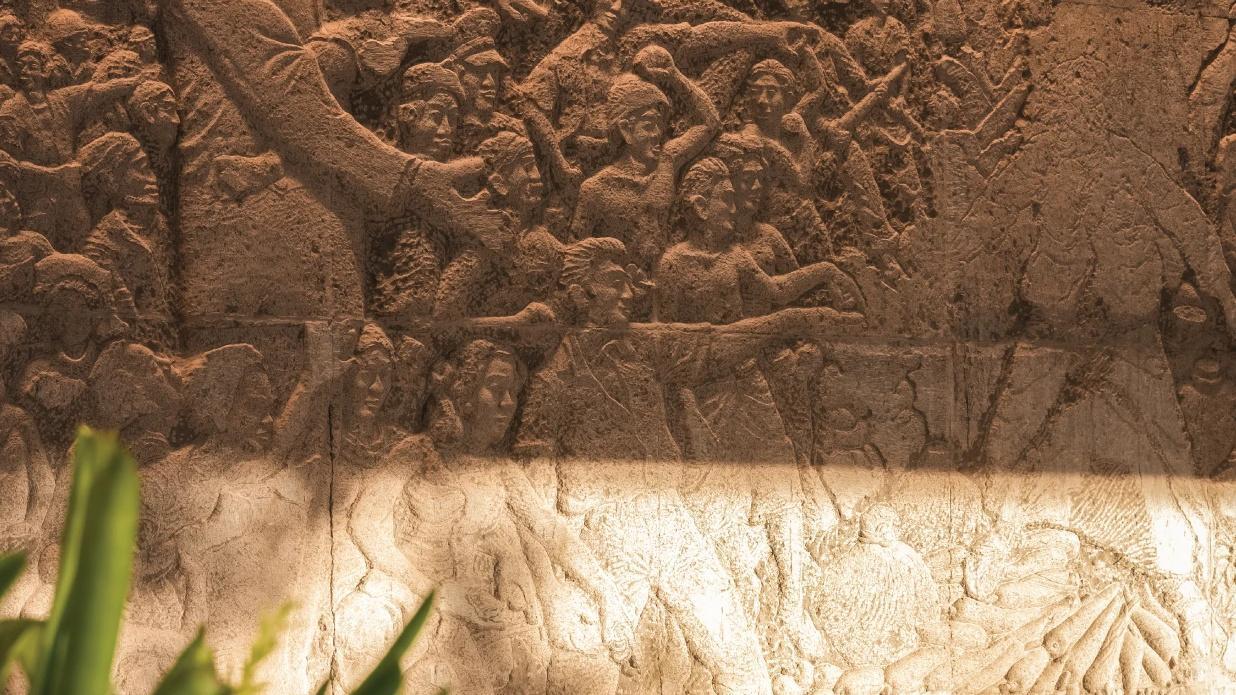
Soekarno Lounge carries its own parallel art story worth knowing before or after a Le Mayeur visit: a large andesite-stone relief carved in 1966, depicting daily Balinese life centered on President Soekarno, left unfinished after 1965’s political upheaval until sculptor Harijadi completed it at his own expense. Seeing both works, a Belgian painter’s canvases and a Balinese sculptor’s stone relief, on the same short walk gives a genuinely broad sense of the art history packed into this one stretch of Sanur beachfront.
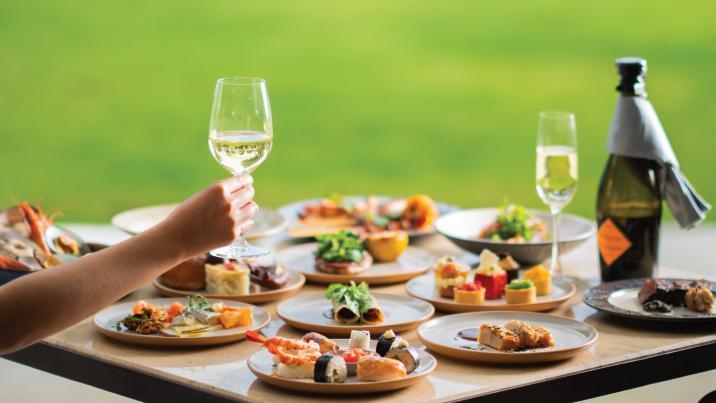
Arunika Restaurant makes a natural lunch stop after a museum morning, open 6:30 to 22:30 with live cooking stations. The Cucumber Miso Salad offers a lighter, plant-forward option worth knowing about on a menu that otherwise leans toward heartier international dishes, a good match for a slower, art-focused day rather than a big midday meal.
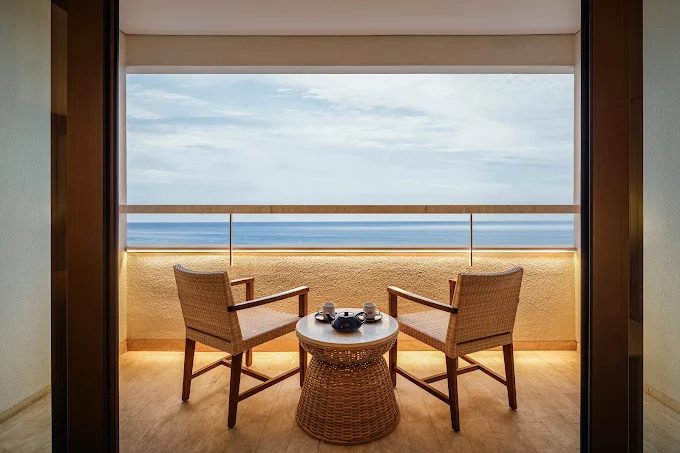
In-Room Dining covers the rest of the day in staggered windows, breakfast, lunch, and dinner service, for guests who’d rather eat on their own schedule after a museum visit than commit to a restaurant’s own hours. It’s a straightforward, practical option rather than a themed experience, useful precisely because it asks nothing of a traveler’s itinerary.
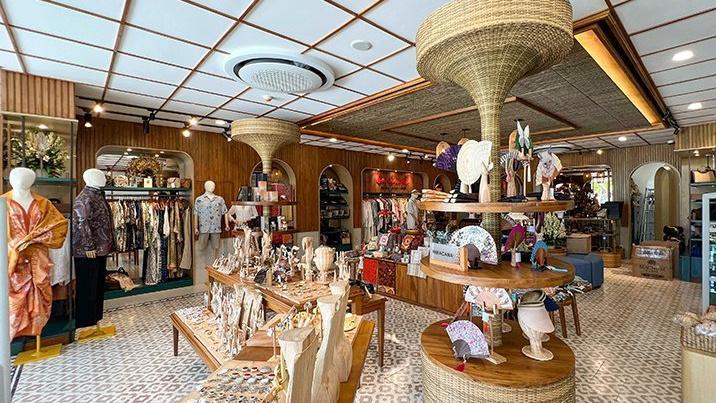
For anyone wanting to extend the art theme a little further into the evening, Sarinah, the hotel’s own retail boutique, sells traditional and contemporary Indonesian textiles and craftsmanship, a small but genuine echo of the handmade, locally rooted aesthetic that drew Le Mayeur to Bali in the first place. Browsing it after a museum visit rounds out a day built around Sanur’s artistic side rather than its beach life alone, without needing to travel any further than the hotel’s own ground floor.
Detailed Information:
- Address: Jalan Hang Tuah, Sanur Kaja, Denpasar Selatan, Kota Denpasar, Bali 80227, Indonesia
- Phone Number: +62 (361) 2012000
- Reference Price: Contact the hotel directly for current room rates, which vary by category and season
Conclusion
The Le Mayeur Museum in Bali packs a genuine love story, a body of real Impressionist art, and a direct line to Sanur’s own tourism history into a small beachfront compound most visitors would otherwise walk straight past. Half an hour inside changes how the rest of Sanur reads.
Book a stay at Bali Beach Hotel to base a Sanur trip directly beside the Le Mayeur Museum, with the same stretch of beach that inspired the paintings right outside the door and a full day of walkable history within easy reach in either direction.
Frequently Asked Questions
What is the Le Mayeur Museum famous for?
It houses roughly 88 original paintings by Belgian Impressionist Adrien-Jean Le Mayeur, most of which depict Sanur Beach life and his wife, Ni Pollok, a former Legong dancer, in the couple’s former beachfront home and working studio.
How much does it cost to visit the Le Mayeur Museum?
Entrance runs around IDR 2,000 per person for domestic visitors, with a modest separate rate for foreign visitors, making it one of the most genuinely accessible, low-cost museum visits anywhere on the island.
What are the opening hours?
The museum generally operates from 9:00 AM to 5:00 PM, though hours can shift around public holidays, so it’s worth confirming ahead of a specific travel date.
How far is the Le Mayeur Museum from Sanur Beach hotels?
It sits directly on Sanur Beach itself, within a short and easy walk, generally under ten minutes, from most hotels along that same stretch of coast.
How long does a visit take?
Most visitors spend around 30 to 45 minutes touring the museum’s seven buildings at an unhurried pace, though a quicker pass through the main collection can take as little as 15 to 20 minutes if time is limited.
Can I combine a visit with other Sanur attractions?
Yes, quite easily. Blanjong Temple, Sindhu Night Market, and Sanur Harbor all sit within a short walk or drive, making it simple to build a half-day loop around the Le Mayeur Museum in Bali rather than treating it as a single isolated stop.
Who was Ni Pollok?
Ni Pollok was a Balinese Legong dancer who met and married Le Mayeur in 1935, retiring from performing to become his primary model for the rest of his life. She continued living at the property until her own death in 1985.
Is photography allowed inside the museum?
Policies can vary by room, given the age and fragility of the paintings, so it’s best to check with staff on arrival rather than assume full photography access, particularly regarding flash near the oldest works. General photography without flash is usually fine in most rooms.
Is the Le Mayeur Museum suitable for kids?
It can work well for older children and teenagers with some interest in art or history, especially if framed as a real love story rather than a generic museum stop, but younger children may find the pace and quiet atmosphere less engaging than a more interactive attraction elsewhere on the island.