Bali in 2026 is more than a paradise of turquoise waters and white sands; it is a living tapestry of ancient history waiting to be unravelled by the curious traveller. From mysterious 9th-century cave temples to the grand modernist monuments of Indonesia’s early independence, these locations offer a profound connection to the island’s enduring soul. Continue reading to explore the essential Bali heritage sites that define the majestic legacy of this sacred island.
Exploring the Authentic Cultural History of the Island
To understand the beauty of the present, one must first look at the foundations of the past. The island’s history is deeply rooted in the philosophy of Tri Hita Karana, the vital harmony among humanity, nature, and the divine.
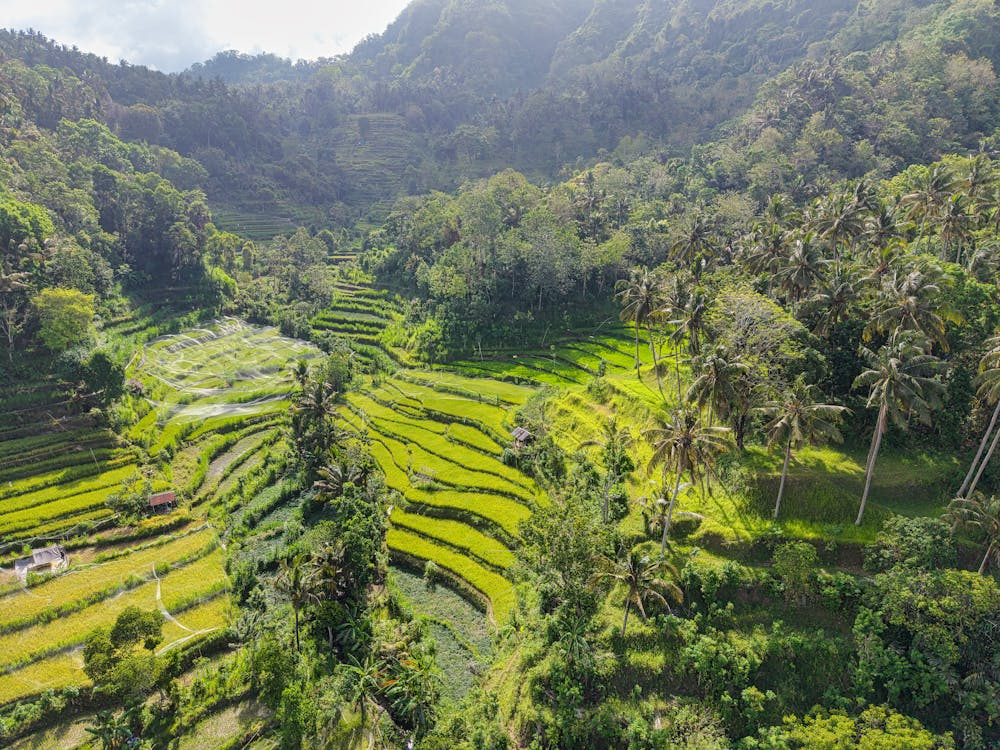
This spiritual framework has dictated the construction of temples, palaces, and public spaces for over a thousand years, ensuring that every landmark serves as a bridge between the physical and spiritual realms. For those seeking the most significant Bali heritage sites, the journey involves traversing volcanic slopes, ancient river valleys, and pristine coastlines.
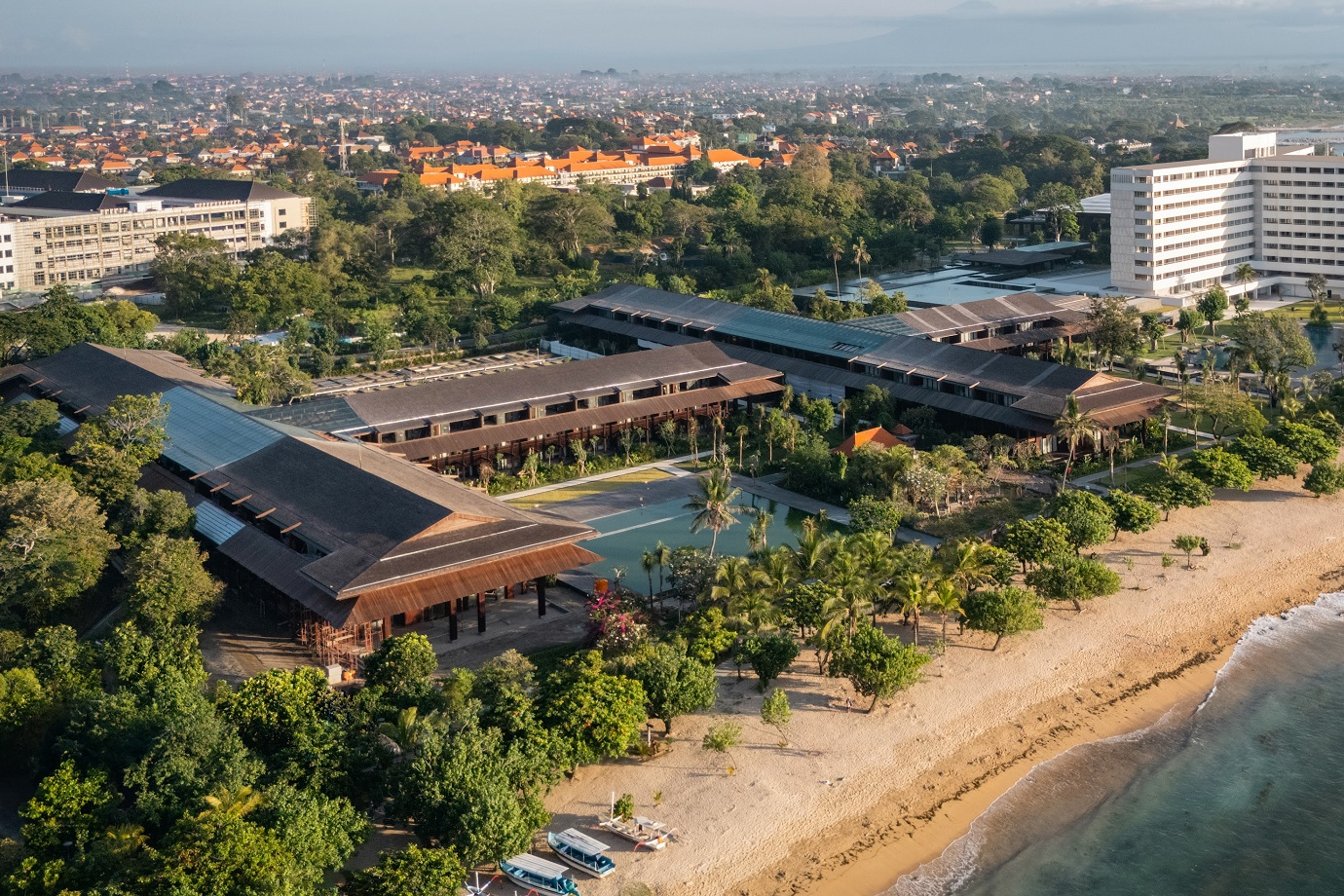
In 2026, the preservation of these historical landmarks has reached a new standard of excellence. Infrastructure improvements in regions like the Sanur Special Economic Zone and the central highlands have made these sacred spaces more accessible without sacrificing their authentic atmosphere.
12 Historical Landmarks to Add to Your Itinerary
Navigating the cultural landscape requires a balanced approach that combines the early Hindu-Buddhist era with more recent monuments of national progress. Below are the 12 premier Bali heritage sites that represent the pinnacle of the island’s historical significance.
1. The Bali Beach Hotel (The First International-Standard Hotel in Bali)
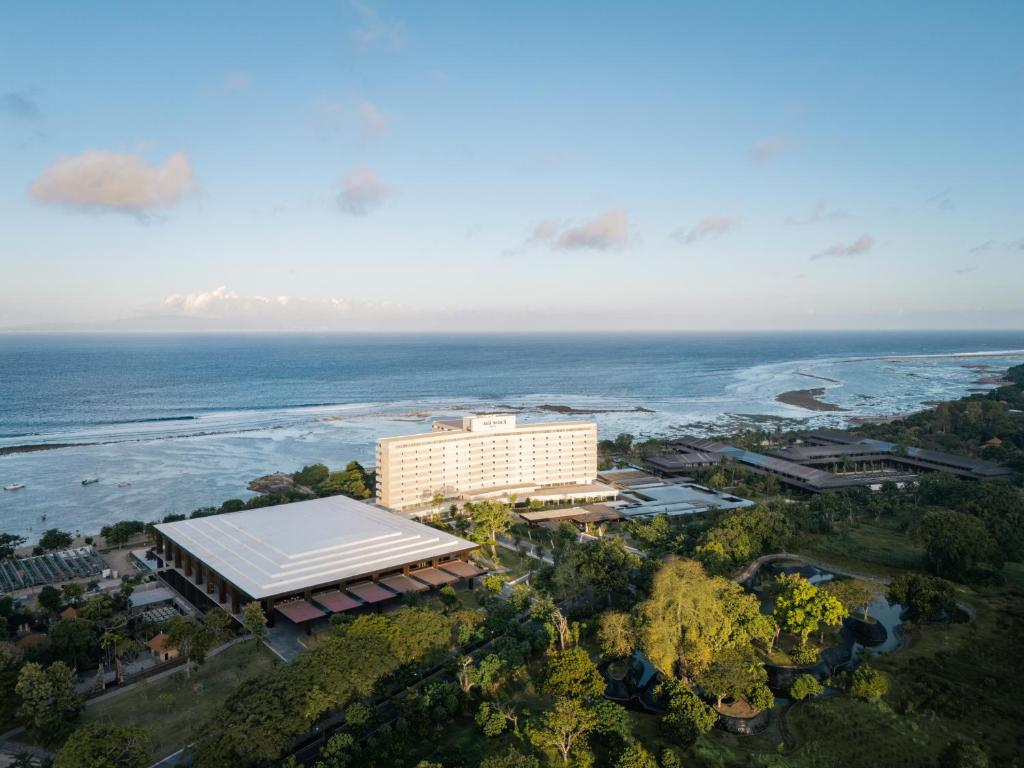
Standing proudly as a 10-story monument on the Sanur coastline, The Bali Beach Hotel is not merely a place of accommodation but a monumental entry among the top Bali heritage sites.
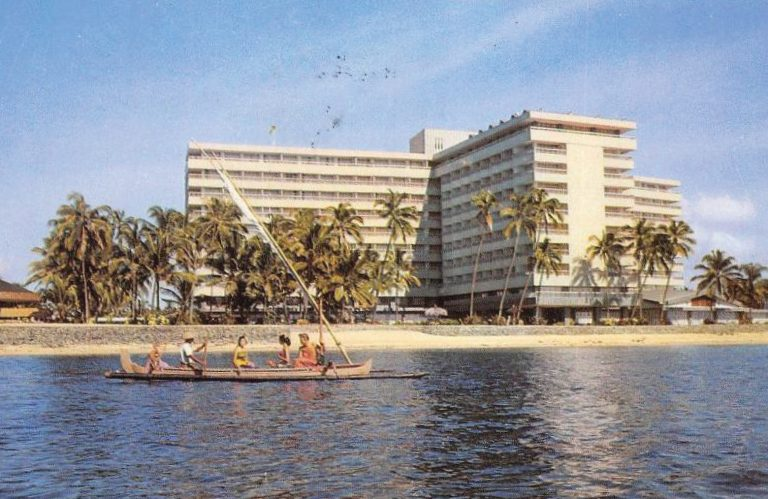
Originally inaugurated in 1966 by Indonesia’s founding father and first President, Soekarno, this property marked the birth of international-standard hospitality on the island.
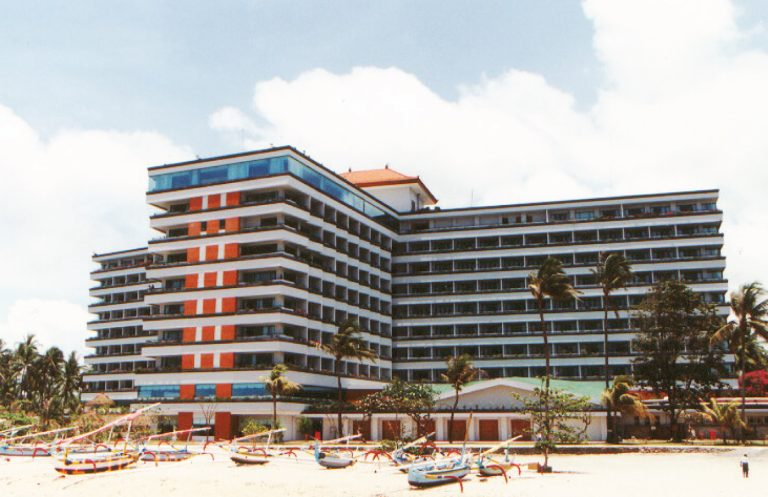
As a member of The Heritage Collection, the hotel has undergone a masterful revitalisation for 2026, carefully preserving its mid-century modern architectural soul while integrating the sophisticated comforts of the present day.
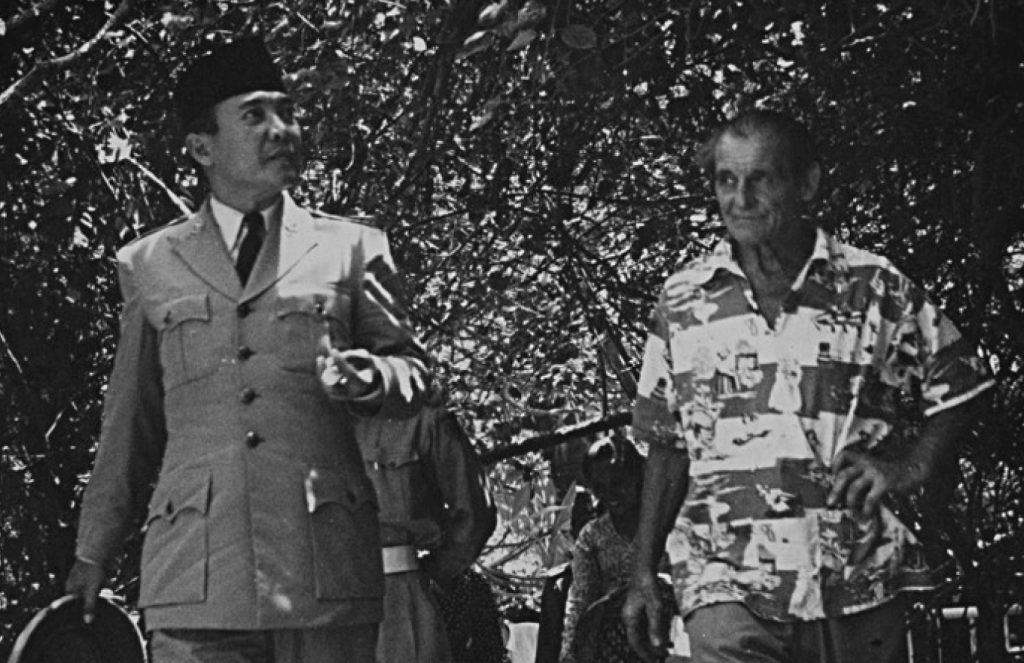
The hotel was envisioned as a “Cultural Diplomat,” a space where Balinese artistry could be showcased to world leaders and global dignitaries. The grand lobby level still houses the historic Soekarno Room and magnificent stone relief sculptures that depict the daily life and mythology of the Balinese people.
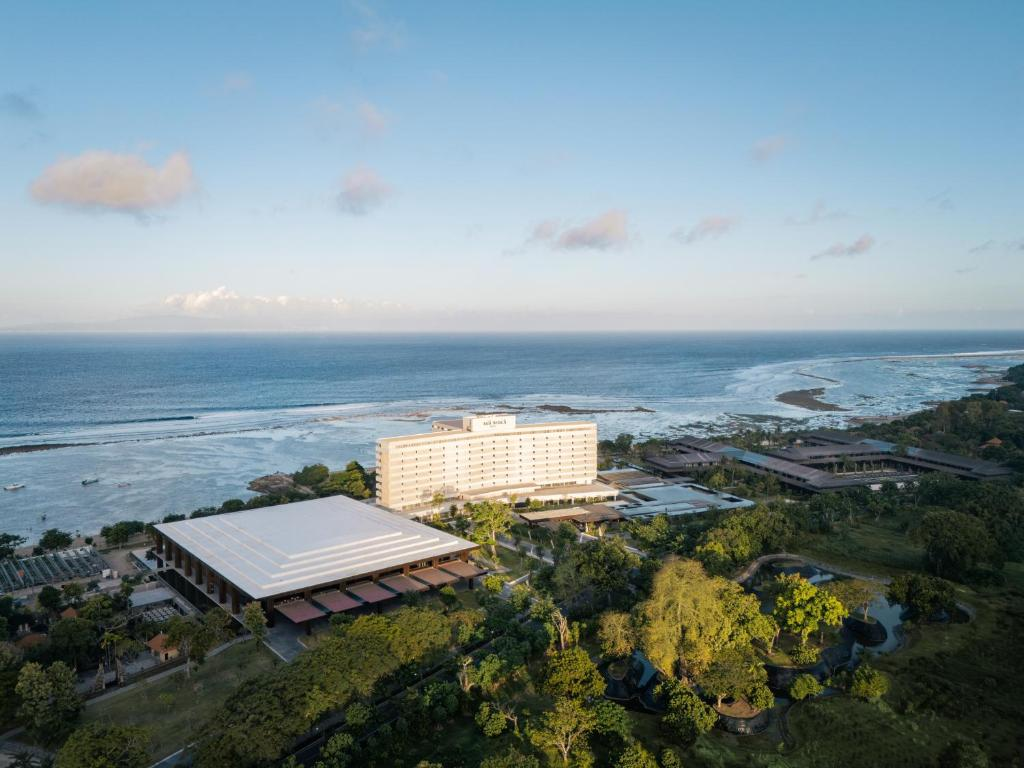
As the only high-rise building on the island, the tower offers a unique vantage point to witness the sunrise over the coast, a ritual that has remained unchanged since 1966. For history enthusiasts, staying here is an opportunity to sleep within the pages of a living Indonesian legend. It serves as the ultimate basecamp for those who wish to begin their exploration of other Bali heritage sites from a location that is itself a piece of history.
Detailed Information:
- Address: Jalan Hang Tuah, Sanur Kaja, Denpasar Selatan, Bali 80227
- Historical Milestone: Opened in 1966 as Bali’s first 5-star international hotel.
- Key Feature: The only heritage high-rise tower in Bali with panoramic ocean views.
- Cultural Experience: On-site Soekarno heritage tour and museum-quality relief carvings.
2. Besakih Temple (The Mother Temple)
Besakih Temple, known locally as Pura Besakih, is the supreme temple of Bali’s heritage sites. Perched at an elevation of nearly 1,000 meters on the southwestern slopes of Mount Agung, the island’s highest volcano, this complex consists of 23 separate but related temples.
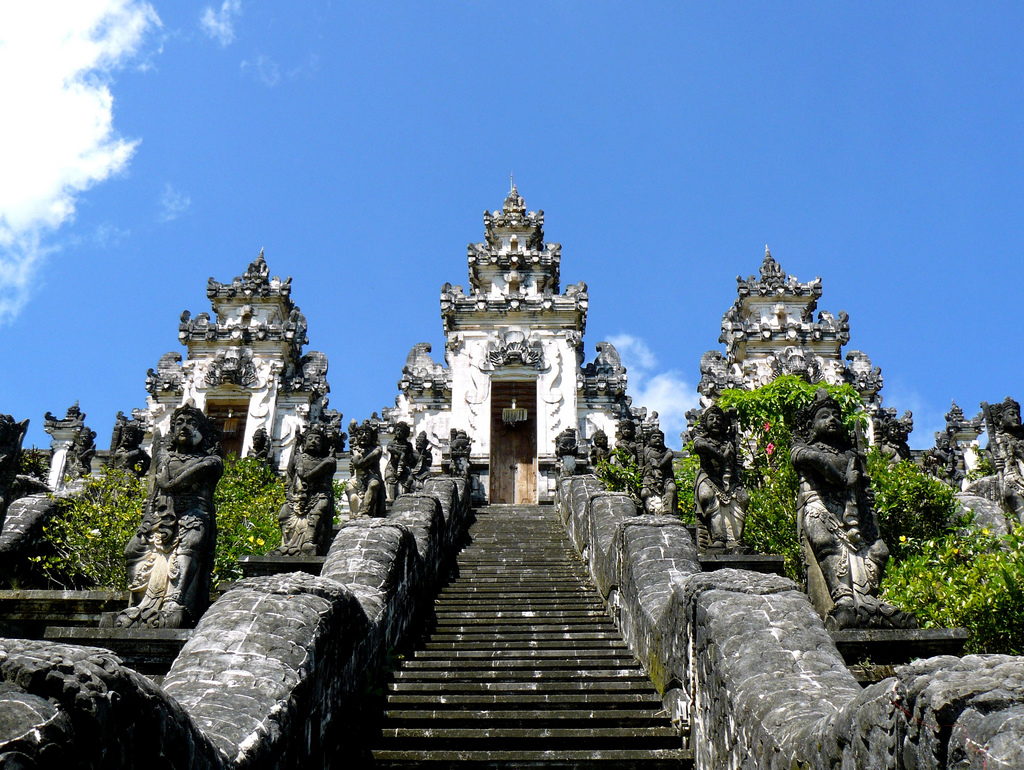
The site has been a sacred place of worship since prehistoric times, but the current stone structures date back primarily to the 14th century. As the “Mother Temple,” Besakih is the spiritual centre where every Balinese Hindu, regardless of their specific clan, comes to pray and present offerings during major lunar festivals.
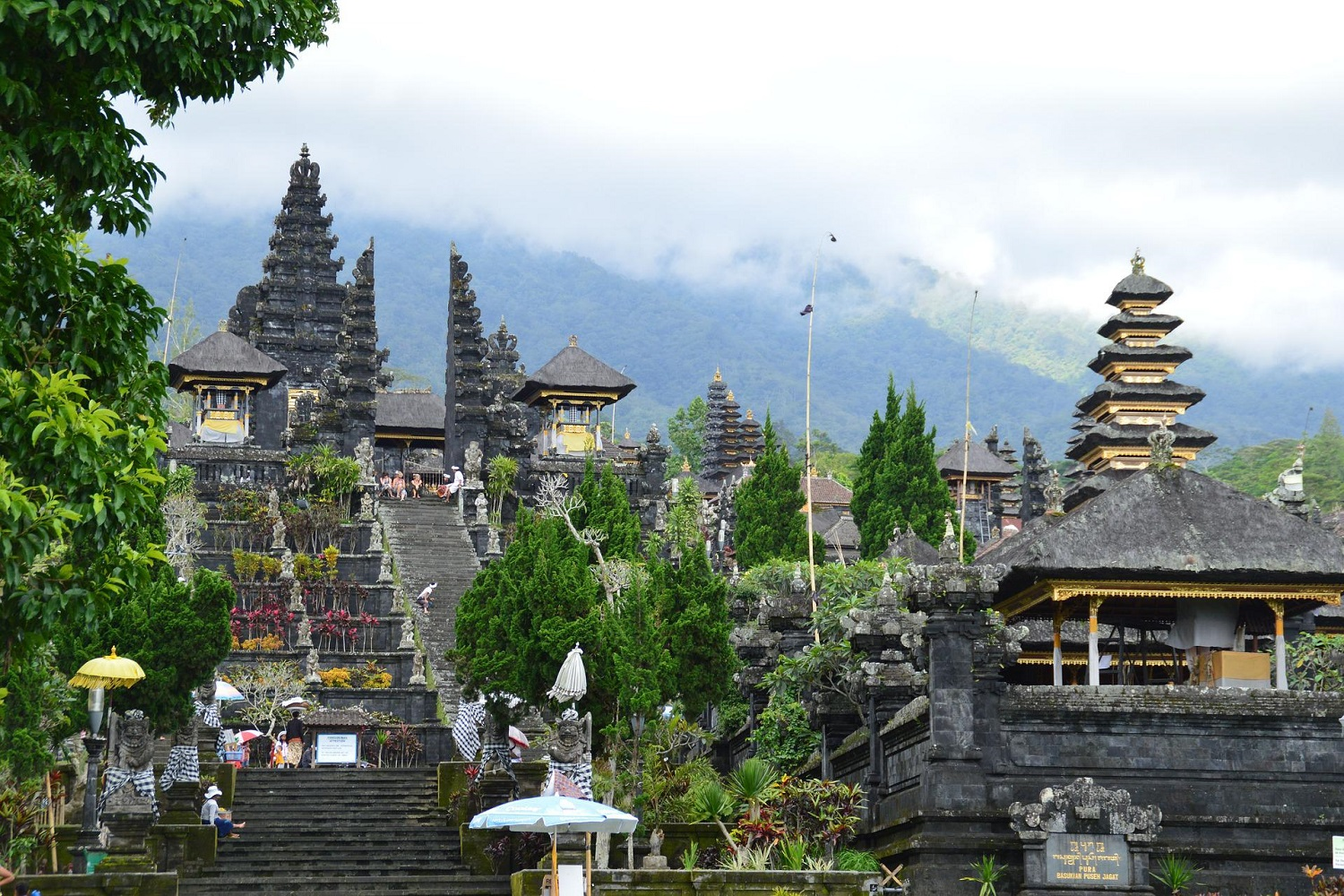
The architecture is characterised by its soaring, multi-tiered Meru towers, which represent the mythological peaks of Mount Meru, the centre of the universe. The complex remarkably survived the massive volcanic eruption of 1963, a feat the local community believes was a divine sign of the temple’s sanctity.
Detailed Information:
- Address: Besakih Village, Rendang District, Karangasem Regency.
- Opening Hours: 8.00 AM to 6.00 PM daily.
- Entry Fee: Approximately $4 USD (IDR 60,000) for international visitors.
- Note: Professional guides and sarong rentals are available at the entrance.
3. Goa Gajah (Elephant Cave)
Dating back to the 9th century, Goa Gajah is one of the most enigmatic and oldest heritage sites in Bali. Located just a short drive from the cultural hub of Ubud, this archaeological complex features a shallow cave carved directly into a rocky hillside.
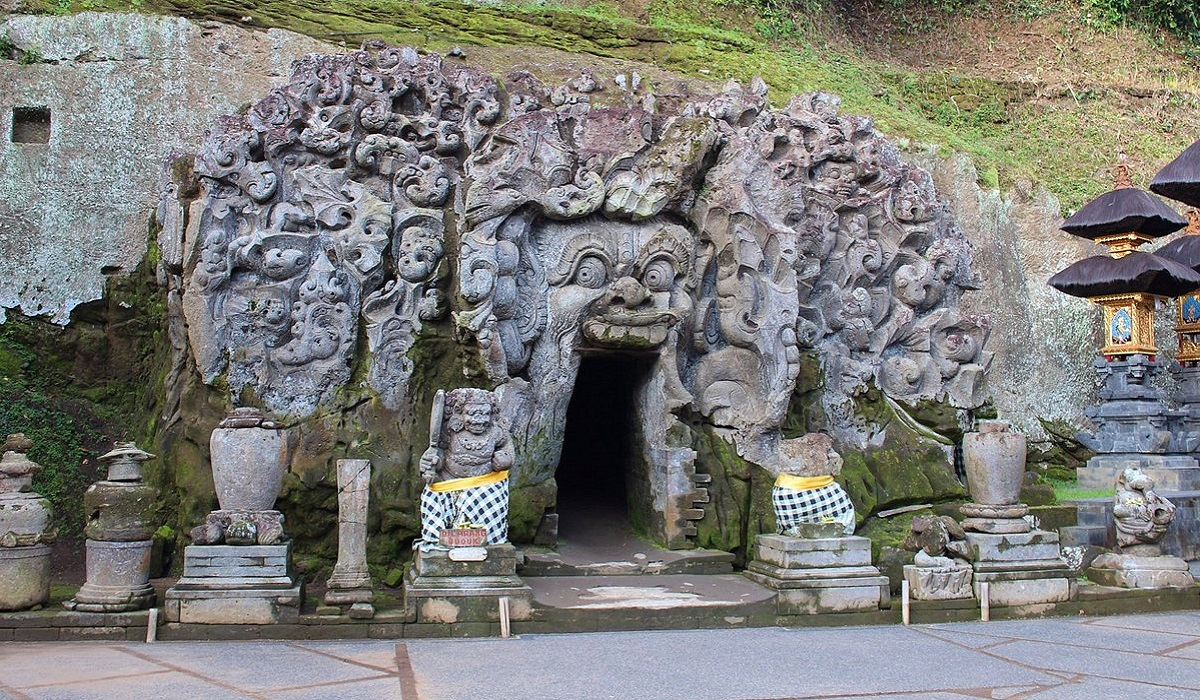
The entrance is framed by the menacing face of a mythological giant, intended to ward off negative spirits and protect the sanctity of the interior. Inside the cave, visitors find small alcoves that priests once used for deep meditation, as well as ancient statues of the Hindu deity Ganesha and lingam-yoni symbols representing the divine masculine and feminine.
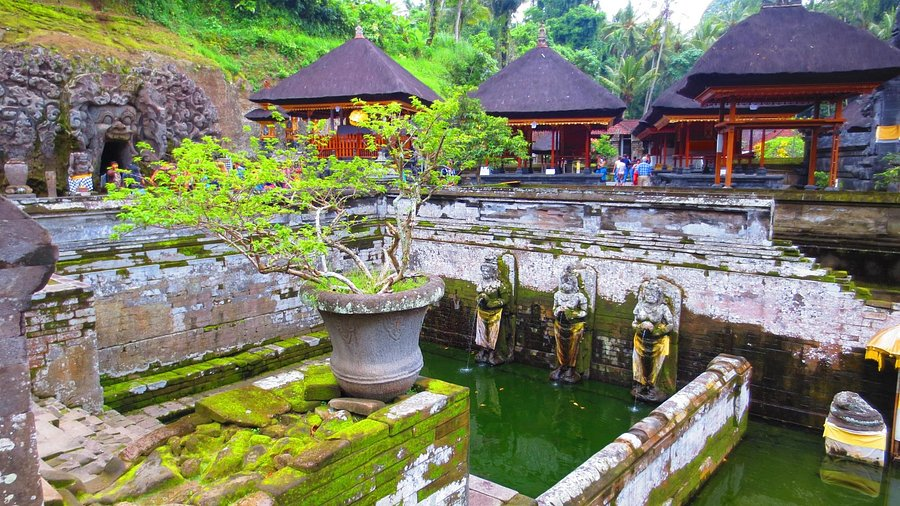
The site is particularly important as evidence of the early fusion between Hinduism and Buddhism on the island. Below the cave mouth sits a beautifully restored 11th-century bathing pool with six female figures holding water spouts, each representing a holy river of India.
Beyond the main courtyard, a path leads down into a lush ravine, where moss-covered stones and the remains of a Buddhist monastery lie. Goa Gajah offers an intimate look at the island’s medieval spiritual practices in a cool, shaded environment that feels far removed from the modern world.
Detailed Information:
- Address: Bedulu Village, Blahbatuh, Gianyar Regency.
- Significance: 9th-century meditation cave and ancient water purification pools.
- Opening Hours: 8.00 AM to 6.00 PM.
- Distance from Sanur: Approximately 45 minutes by car.
4. Tirta Empul Holy Spring Water Temple
For a first-hand encounter with the “seen” rituals of the island, Tirta Empul is a must-visit among Bali’s top heritage sites.
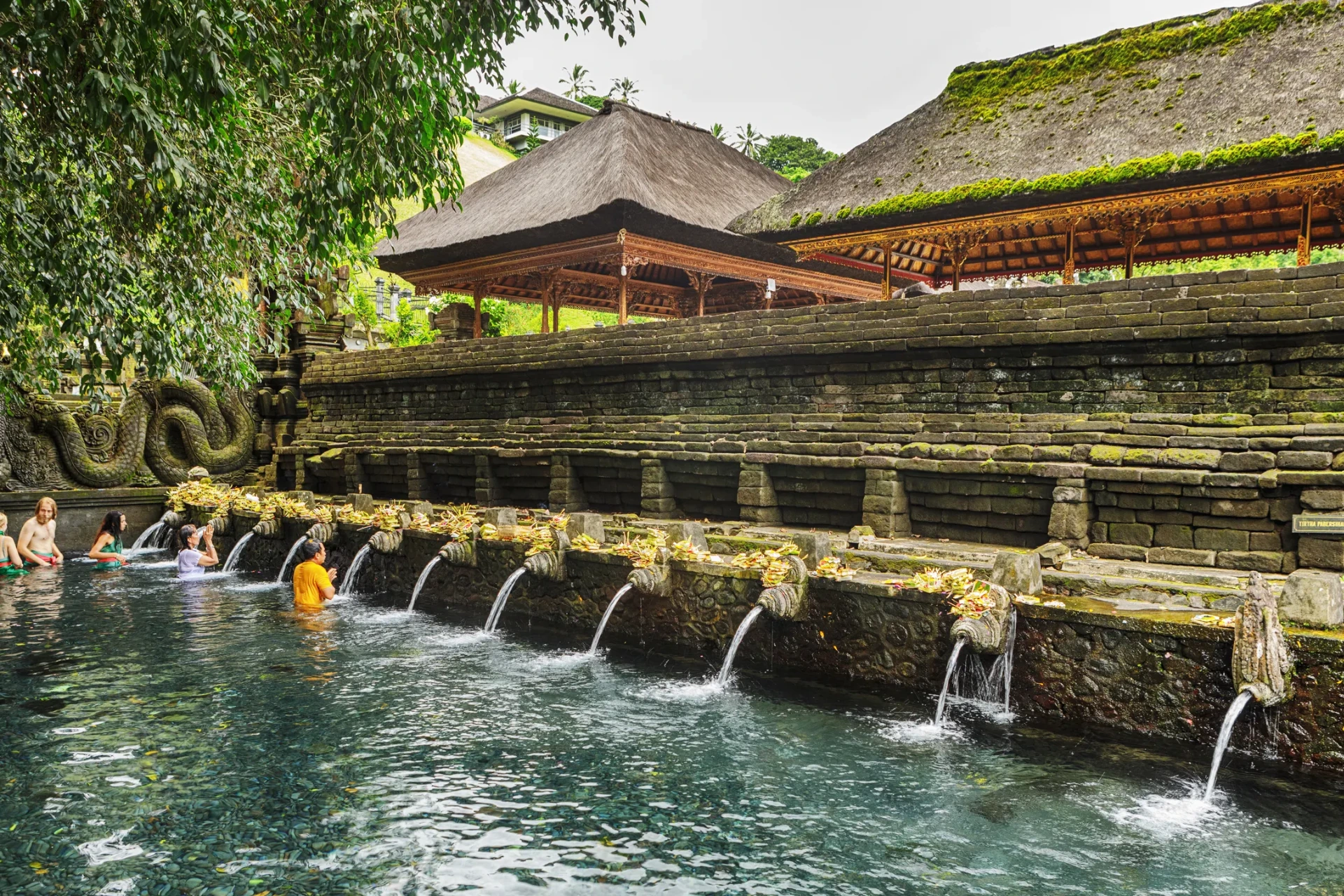
Founded in 962 AD during the Warmadewa Dynasty, the temple is built around a bubbling natural spring that feeds a series of stone fountains. The name translates to “Holy Water Spring,” and the site is world-famous for its Melukat purification ritual. Balinese Hindus and respectful visitors alike enter the waist-deep pools to cleanse their minds and spirits under a sequence of thirty spouts, each serving a specific spiritual purpose.
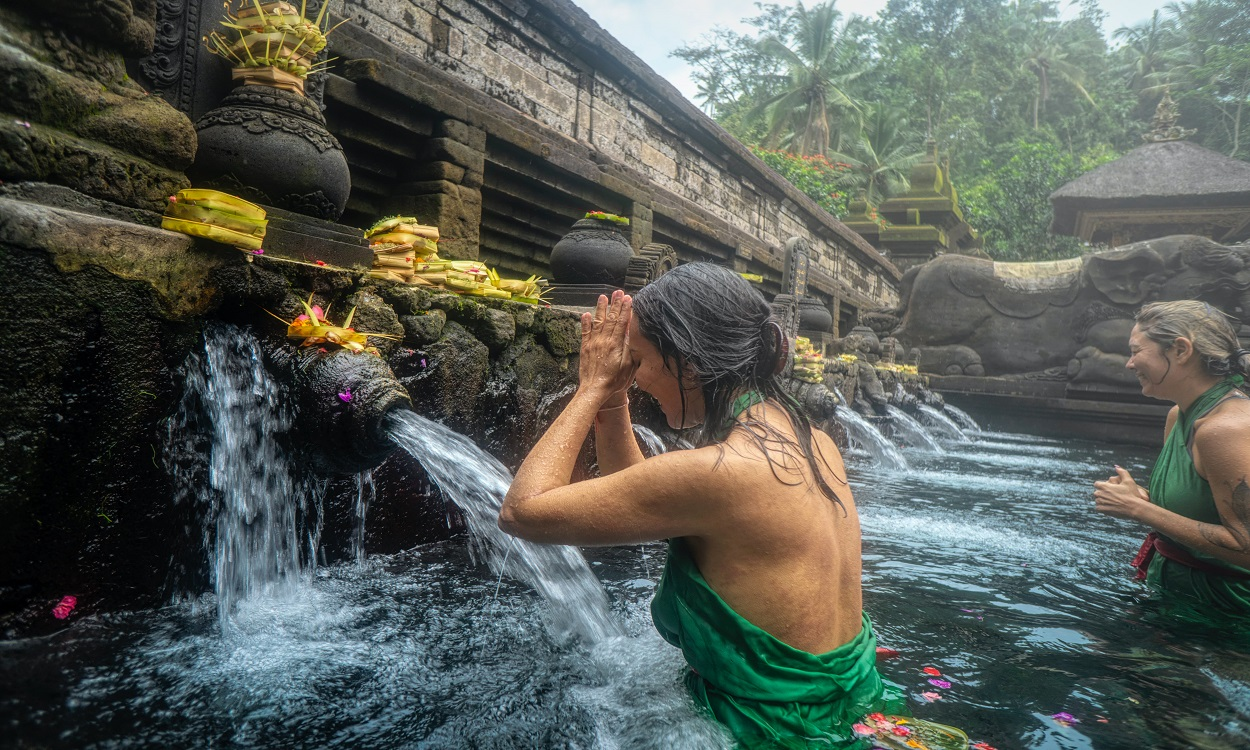
The temple is divided into three zones, with the inner sanctum housing a large pool of crystal-clear water where the spring continuously bubbles up from the sandy bottom. The atmosphere is one of intense devotion and community focus.
In 2026, Tirta Empul remains an active centre for Balinese spiritual life, and witnessing the locals in their traditional white attire performing these ancient water rites is a deeply moving experience. It is a place that celebrates water as a primary source of life and spiritual realignment, making it a foundational part of any cultural itinerary.
Detailed Information:
- Address: Manukaya Village, Tampaksiring, Gianyar Regency.
- Historical Origin: 10th-century holy spring founded by King Sri Chandrabhasha Warmadewa.
- Highlights: Sacred purification pools and the adjacent Presidential Palace.
- Entry Fee: Approximately $3.25 USD (IDR 50,000).
5. Taman Ayun Temple in Mengwi
Taman Ayun, meaning “Beautiful Garden,” is a stunning example of royal architecture and is recognised as a UNESCO World Heritage site. Built in 1634 by the King of Mengwi, this temple served as the main place of worship for the Mengwi Kingdom.
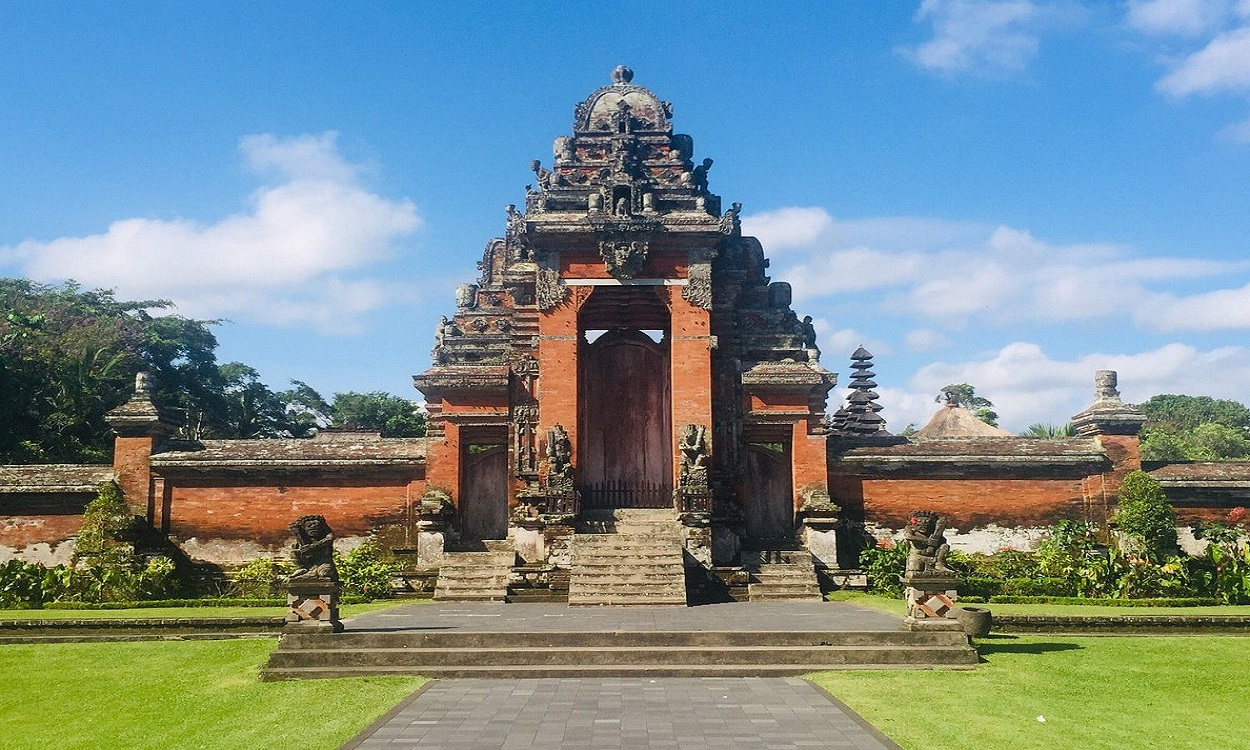
The complex is surrounded by a wide, lotus-filled moat that creates the illusion of the temple floating in a garden of paradise. The architecture is characterised by its high, multi-tiered Meru towers, some reaching up to eleven levels, representing the mountains where the ancestors reside.
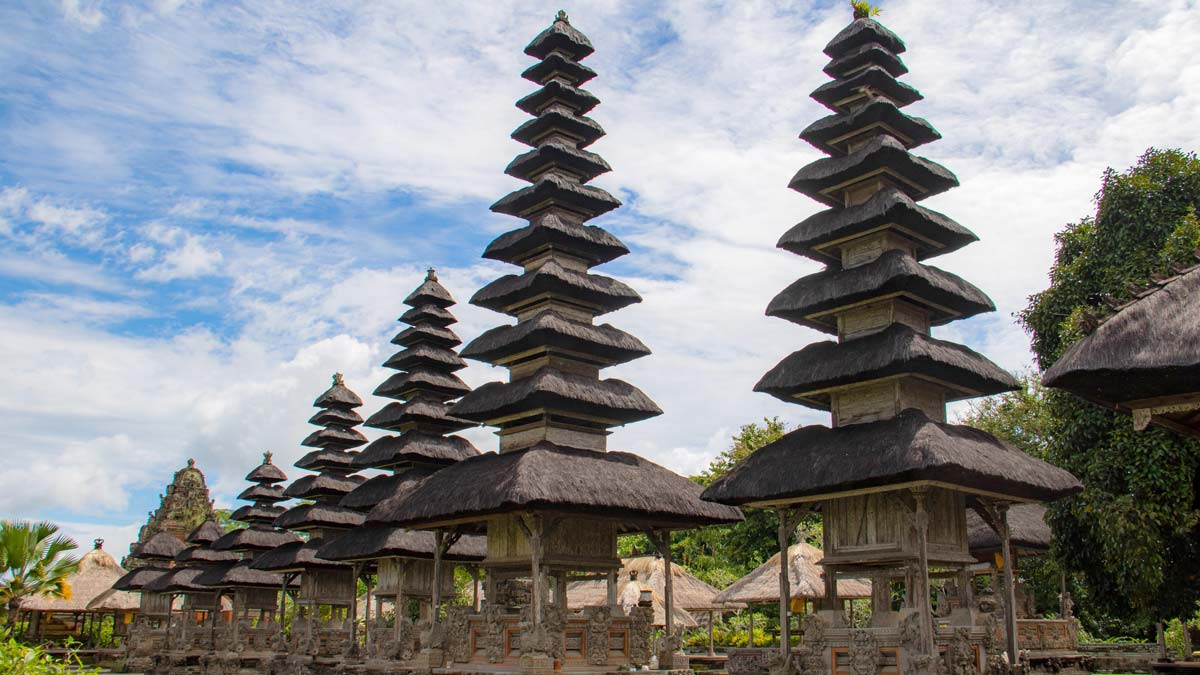
The design of Taman Ayun is an exercise in symmetry and spatial harmony. Visitors walk along the outer moat path, observing the intricate wooden doors and thatched roofs from a distance, which protects the sanctity of the inner courtyard. The lush gardens and expansive courtyards provide a peaceful environment for unhurried observation.
Detailed Information:
- Address: Jalan Ayodya No. 10, Mengwi, Badung Regency.
- UNESCO Status: Part of the Cultural Landscape of Bali Province World Heritage Site.
- Key Feature: Royal Meru towers and scenic water moats.
- Opening Hours: 8.00 AM to 6.15 PM.
6. Le Mayeur Museum in Sanur
Situated directly on Sanur’s beachfront, the Le Mayeur Museum offers a romantic and artistic window into Bali’s history. This was the former home and studio of the Belgian impressionist painter Adrien-Jean Le Mayeur de Merprès, who arrived in 1932 and married the celebrated Legong dancer Ni Pollok.
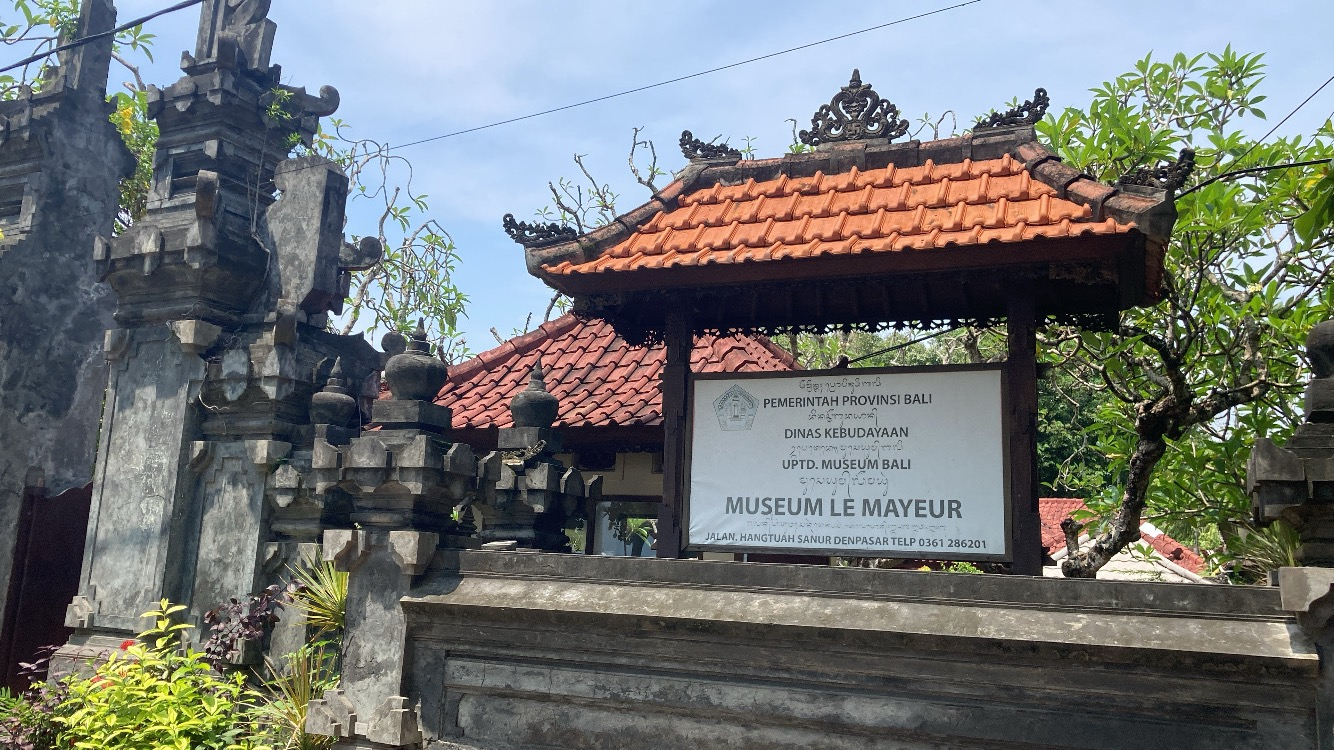
The museum is a masterpiece of traditional Balinese architecture, featuring intricately carved wooden walls and red-gold accents. It is one of the few Bali heritage sites that focuses on the intersection of Western art and Balinese life during the early 20th century.
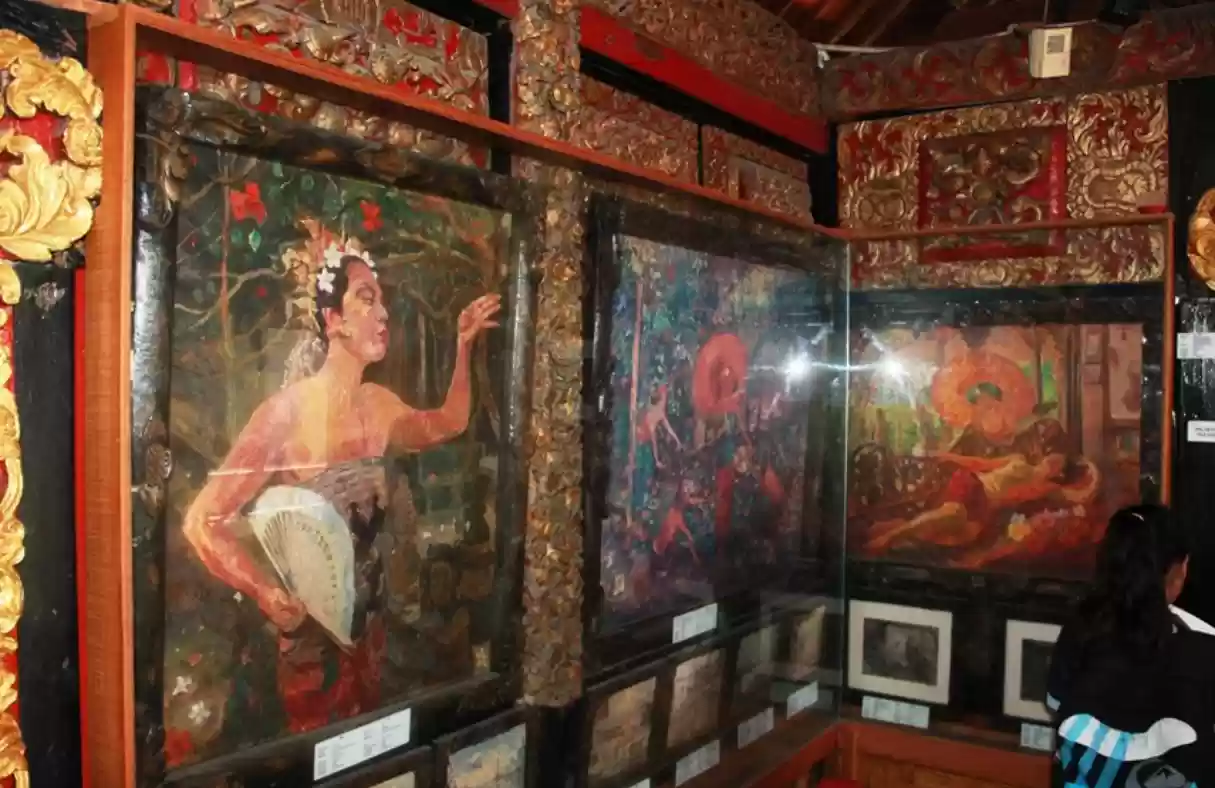
Inside, you can view approximately 80 of Le Mayeur’s most significant works, many of which depict Ni Pollok in the lush garden settings of 1930s Sanur. The paintings are housed in original, hand-carved frames and are displayed alongside the couple’s personal artifacts and historic furniture. The quiet courtyards and the proximity to the ocean breeze create a meditative environment for art lovers.
Detailed Information:
- Address: Jalan Hang Tuah, Sanur Beach, Denpasar.
- Significance: Preserved artist studio and museum of 1930s Balinese impressionism.
- Entry Fee: Approximately $3.25 USD (IDR 50,000) for international adults.
- Note: Within walking distance of the Bali Beach Hotel complex.
7. Uluwatu Temple
Uluwatu Temple, or Pura Luhur Uluwatu, is the most dramatically situated among all Bali heritage sites. Perched on the edge of a sheer limestone cliff 70 meters above the Indian Ocean, the temple is dedicated to the spirits of the sea.
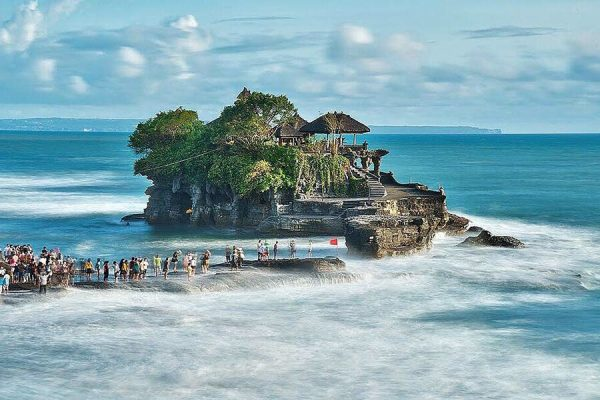
Founded in the 11th century by the high priest Empu Kuturan, the site was later significantly expanded by the legendary sage Dang Hyang Nirartha. The carvings here are exceptionally well-preserved, utilising hard volcanic stone that has withstood centuries of sea spray and tropical winds.
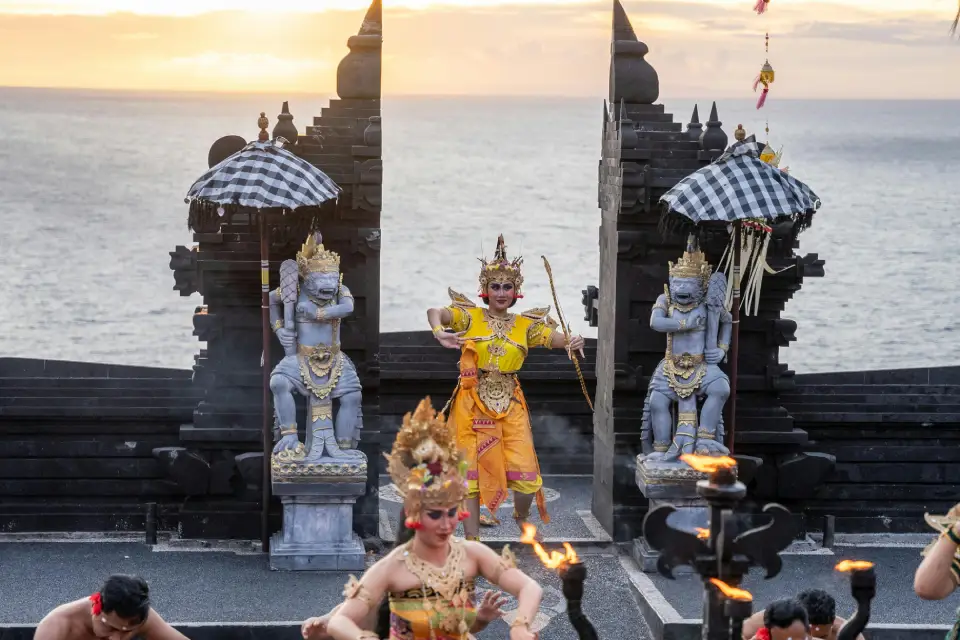
The temple is one of the nine directional temples designed to protect the island from evil influences arriving from the sea. In 2026, the primary attraction remains the daily Kecak Fire Dance performance, which takes place at sunset in a cliffside amphitheatre. The thundering rhythm of a hundred male voices chanting in unison, framed by the setting sun and the crashing waves below, is a sensory experience of monumental proportions.
Detailed Information:
- Address: Pecatu Village, South Kuta, Badung Regency.
- Highlight: Clifftop architecture and the nightly Ramayana Kecak dance.
- Opening Hours: 7.00 AM to 7.00 PM.
- Safety Tip: Be mindful of the resident macaques, as they are known to take loose items.
8. Tanah Lot Temple
Tanah Lot is an iconic silhouette that has become a global symbol for the island’s heritage. The temple is built on a massive offshore rock formation that becomes an island during high tide, accessible only when the ocean recedes.
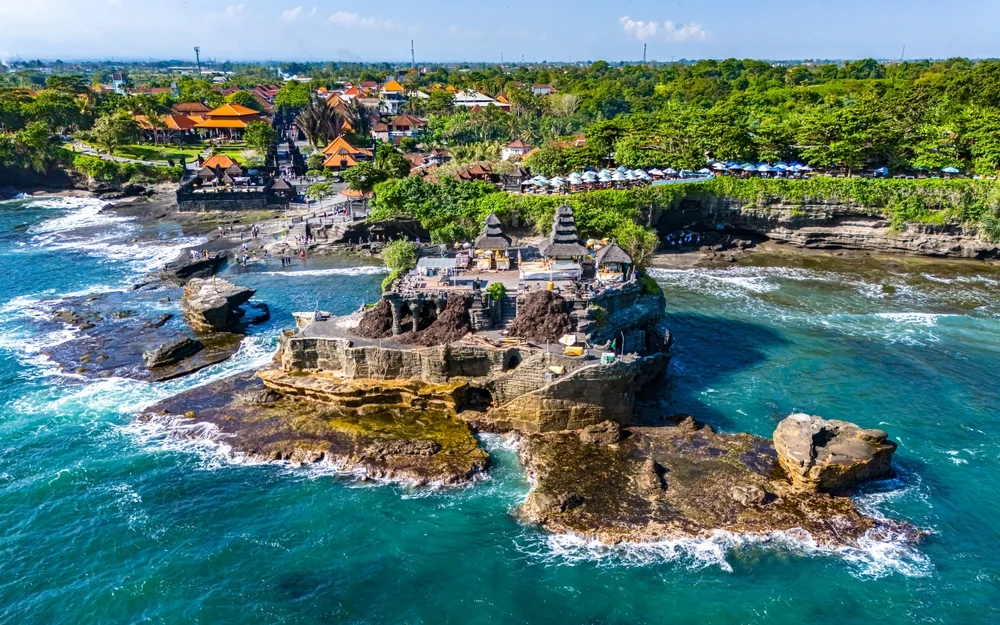
Founded by Dang Hyang Nirartha in the 16th century, the site is dedicated to the sea god Baruna and is protected by a colony of poisonous sea snakes believed to guard the shrines from intruders. It is a masterpiece of architectural placement, where the elements of water and stone create a natural sanctuary of profound beauty.
Detailed Information:
- Address: Beraban Village, Kediri District, Tabanan Regency.
- Key Feature: Unique rock-island formation and sacred sea caves.
- Opening Hours: 7.00 AM to 7.00 PM daily.
- Travel Time: Approximately 1 hour from Sanur via the bypass road.
9. Blanjong Pillar (Prasasti Blanjong) in Sanur
Hidden in a quiet temple courtyard in the southern part of Sanur, the Blanjong Pillar is the oldest artificial artifact in Balinese history. This cylindrical stone column dates back to 913 AD and features inscriptions in two languages: Sanskrit and Old Balinese.
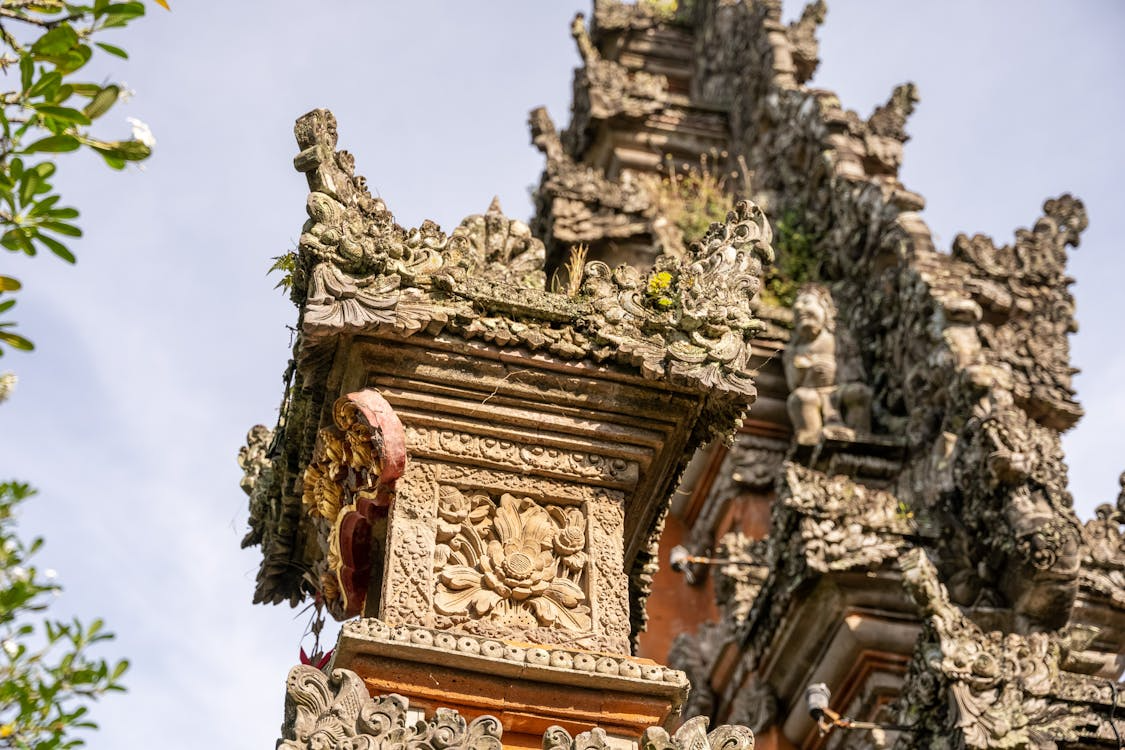
It documents the historical exploits and military successes of King Sri Kesari Warmadewa, the founder of the island’s first formal dynasty. For history buffs, this is one of the most intellectually significant Bali heritage sites, as it contains the earliest known written use of the word “Bali.”
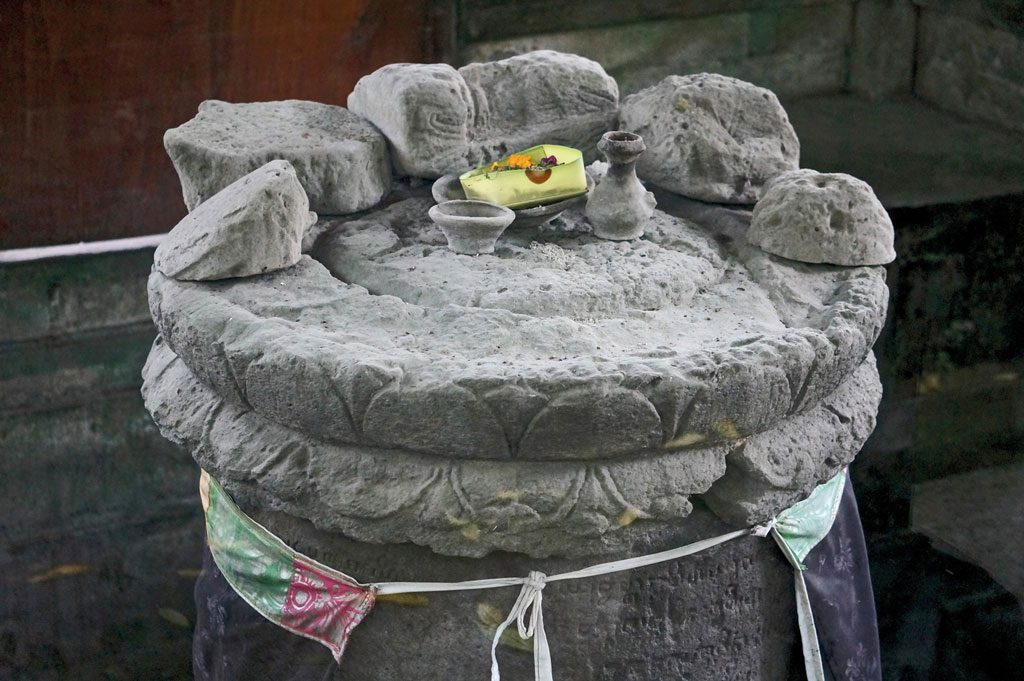
The pillar is housed within a protective glass enclosure to prevent erosion, yet its presence remains powerful and imposing. Visiting this site allows you to stand at the very beginning of the island’s recorded historical narrative.
The surrounding temple remains a place of active community worship, where you can observe locals in their daily rituals of gratitude. Its location within the Sanur district makes it an easy and rewarding cultural addition to any coastal journey, providing a direct link to a thousand-year-old lineage of governance and faith.
Detailed Information:
- Address: Jalan Danau Poso, Sanur, Denpasar.
- Historical Age: Over 1,100 years old.
- Significance: First written evidence of the Balinese state and the name “Bali.”
- Entry Fee: Complimentary (Donations are highly appreciated).
10. Bajra Sandhi Monument in Denpasar
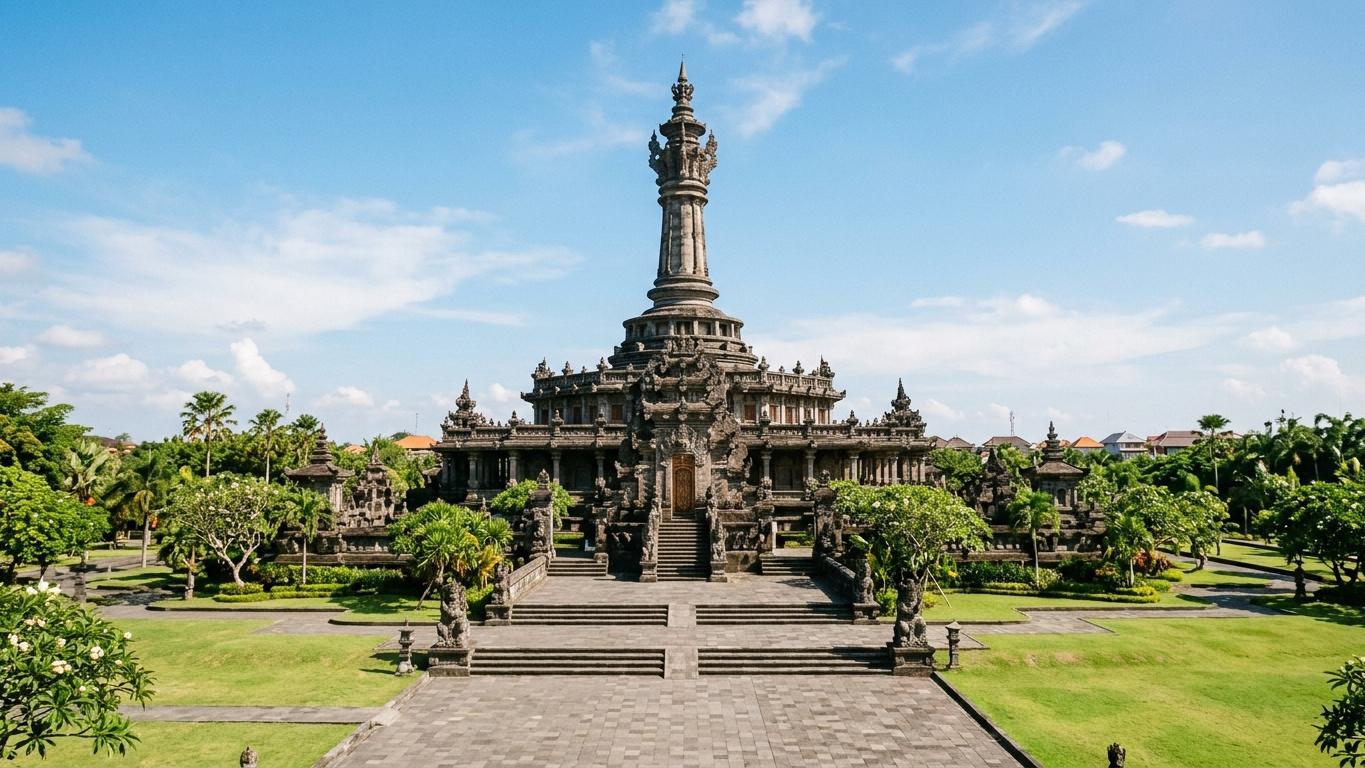
Standing as a striking landmark in the heart of the capital city, the Bajra Sandhi Monument is a tribute to the Balinese people’s struggles and resilience throughout history. Designed in 1981 by architect Ida Bagus Gede Yadnya, the structure is shaped like a Hindu priest’s praying bell (a bajra), symbolising the call to mindfulness and spiritual focus.
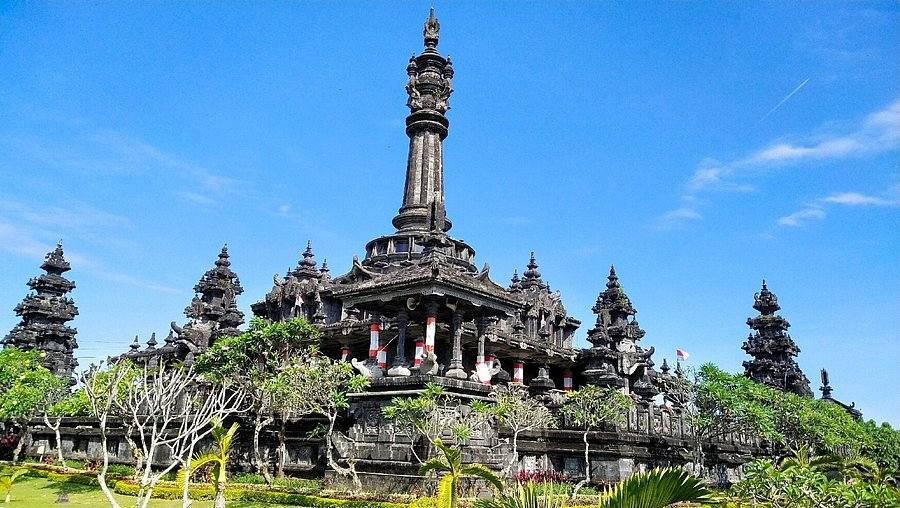
The monument reaches a height of 45 meters, a numerical reference to 1945, the year of Indonesian independence. It is one of the most recognised Bali heritage sites for its role in celebrating national liberation and pride.
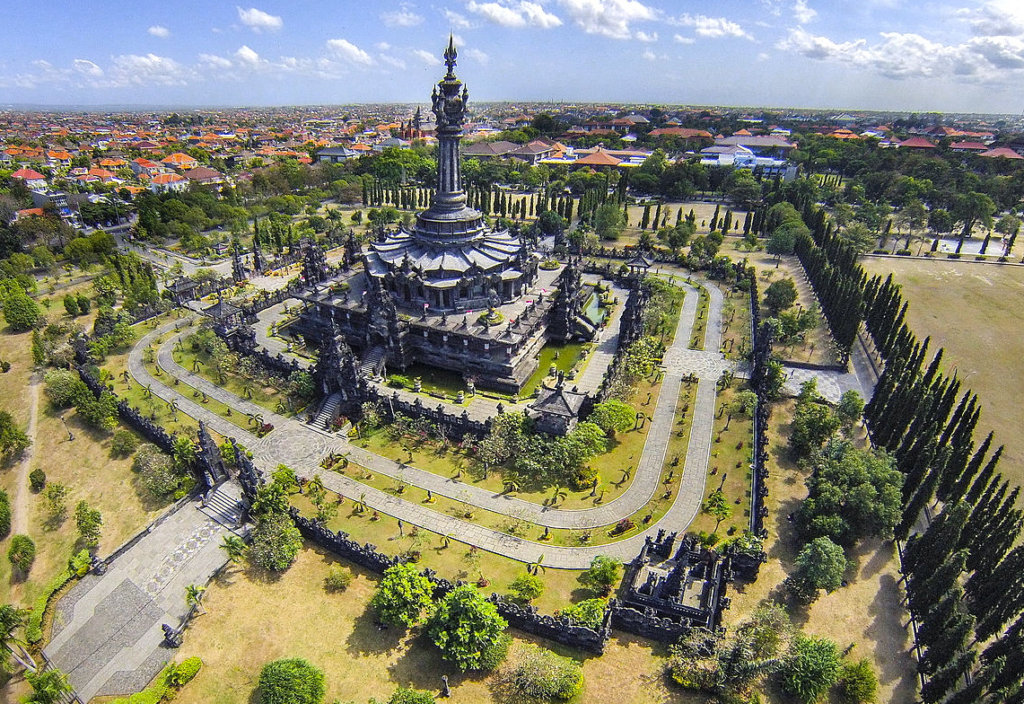
The monument’s interior houses a museum featuring 33 intricate 3D dioramas. These detailed displays chronicle the island’s history from prehistoric times through the era of the kingdoms and the fierce battles against Dutch colonial rule.
For those willing to ascend the central spiral staircase, the top floor offers a 360-degree panoramic viewing platform overlooking the city and the distant mountains. It is a highly educational and visually impressive destination that provides valuable context for the island’s modern identity.
Detailed Information:
- Address: Jalan Raya Puputan No. 142, Renon, Denpasar.
- Key Feature: Historical diorama museum and panoramic city views.
- Opening Hours: 8.00 AM to 6.00 PM.
- Distance: Just 15 minutes from the Sanur beachfront resorts.
11. Kehen Temple in Bangli
Located in the eastern highlands of Bangli, Kehen Temple is often described as a smaller-scale version of Besakih. Established in the 11th century, it was once the state temple of the Bangli Kingdom and remains one of the most beautiful Bali heritage sites in the interior. The entrance is marked by a massive, ancient Banyan tree that dominates the first courtyard, its aerial roots creating a natural cathedral of green.
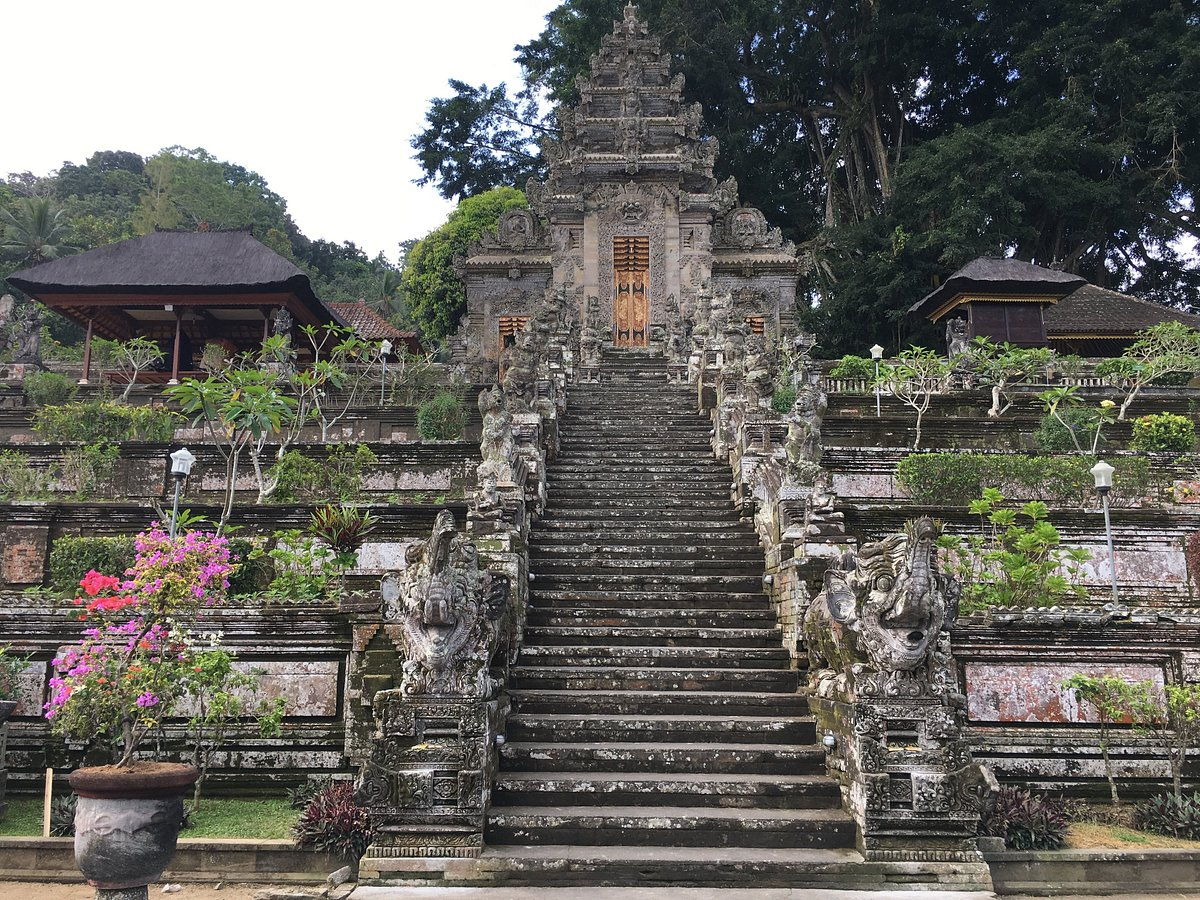
Kehen is famous for its intricate stone carvings and the well-preserved “Pule” tree that houses a traditional Gamelan orchestra during major ceremonies. Because it is located away from the main tourist routes, the temple maintains a very quiet, authentic atmosphere.
Detailed Information:
- Address: Jalan Sriwijaya, Cempaga, Bangli Regency.
- Significance: Ancient royal state temple with 11th-century foundations.
- Entry Fee: Approximately $2.00 USD (IDR 30,000).
- Highlight: Grand stone staircases and historic porcelain-embedded walls.
12. Gunung Kawi Shrine Complex
Gunung Kawi is a unique archaeological treasure and one of the most mystical heritage sites in Bali. Located in a deep river valley near Tampaksiring, the site consists of ten massive candi (shrines) carved directly into the sheer cliff faces.
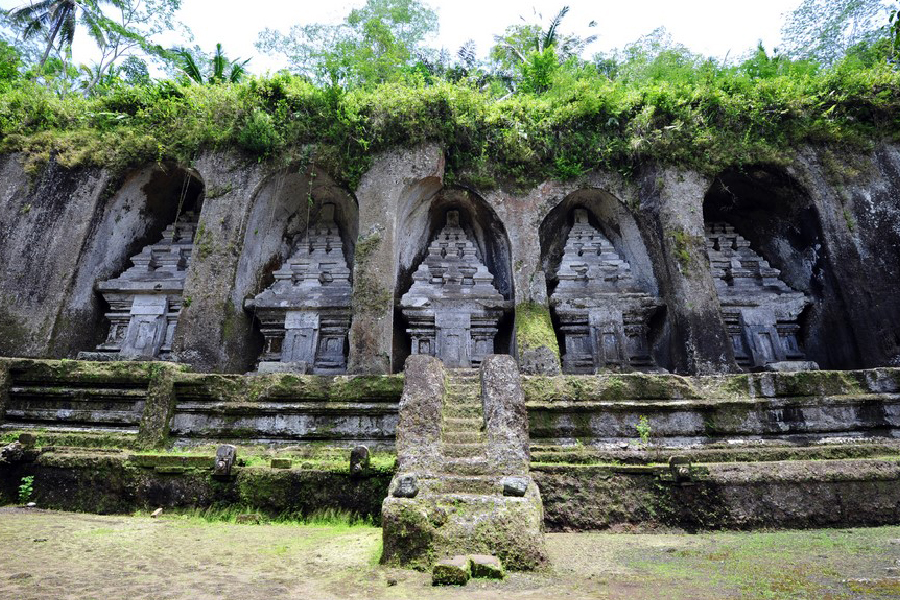
These seven-meter-high monuments date back to the 11th century and are believed to be the memorial tombs of King Anak Wungsu and his royal family. Reaching the site requires descending over 300 stone steps through lush rice terraces, providing a scenic introduction to the historical scale of the valley.
The shrines are meticulously cut from the living rock and represent an extraordinary feat of manual engineering from a thousand years ago. The complex is divided by the Pakerisan River, which is considered sacred and provides a soothing acoustic backdrop for your visit. Walking through these ancient stone corridors, you feel a profound sense of history and the enduring power of the royal Udayana Dynasty.
Detailed Information:
- Address: Banjar Penaka, Tampaksiring, Gianyar Regency.
- Historical Era: 11th-century rock-cut memorial shrines.
- Opening Hours: 8.00 AM to 6.00 PM daily.
- Requirement: Sarong and sash are required and can be borrowed at the entrance.
Where to Stay When Exploring Balinese History
To fully appreciate the island’s legacy, your accommodation should reflect that same rich history. As the very first international-standard hotel built on the island under President Soekarno, The Bali Beach Hotel is a monumental heritage site in its own right, serving as a comfortable and authentic basecamp for your cultural explorations.
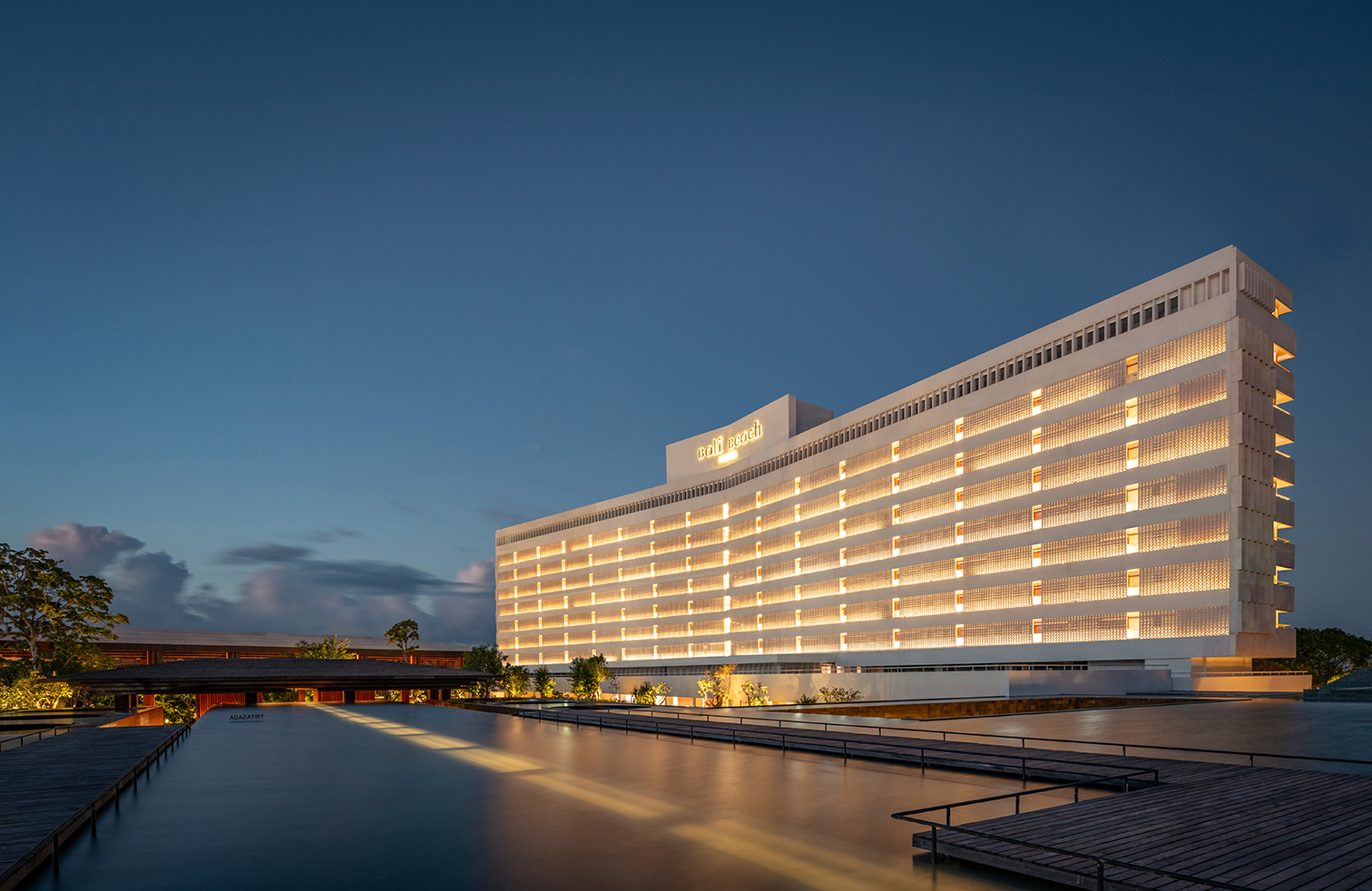
Situated within the Sanur Special Economic Zone, the resort functions as a “Cultural Diplomat,” welcoming you into an environment where 1966 mid-century grandeur has been reimagined for the modern era. Staying at this iconic landmark lets you start every day of your journey with a profound sense of national pride and uncompromised luxury.
The hotel is a 10-story symbol of Indonesian progress and, because of its unique heritage status, remains a rare high-rise landmark on the coastline. This stature ensures that our collection of 273 guest rooms and suites offers sweeping ocean views, so you can wake up to the healing light of the sunrise every morning.
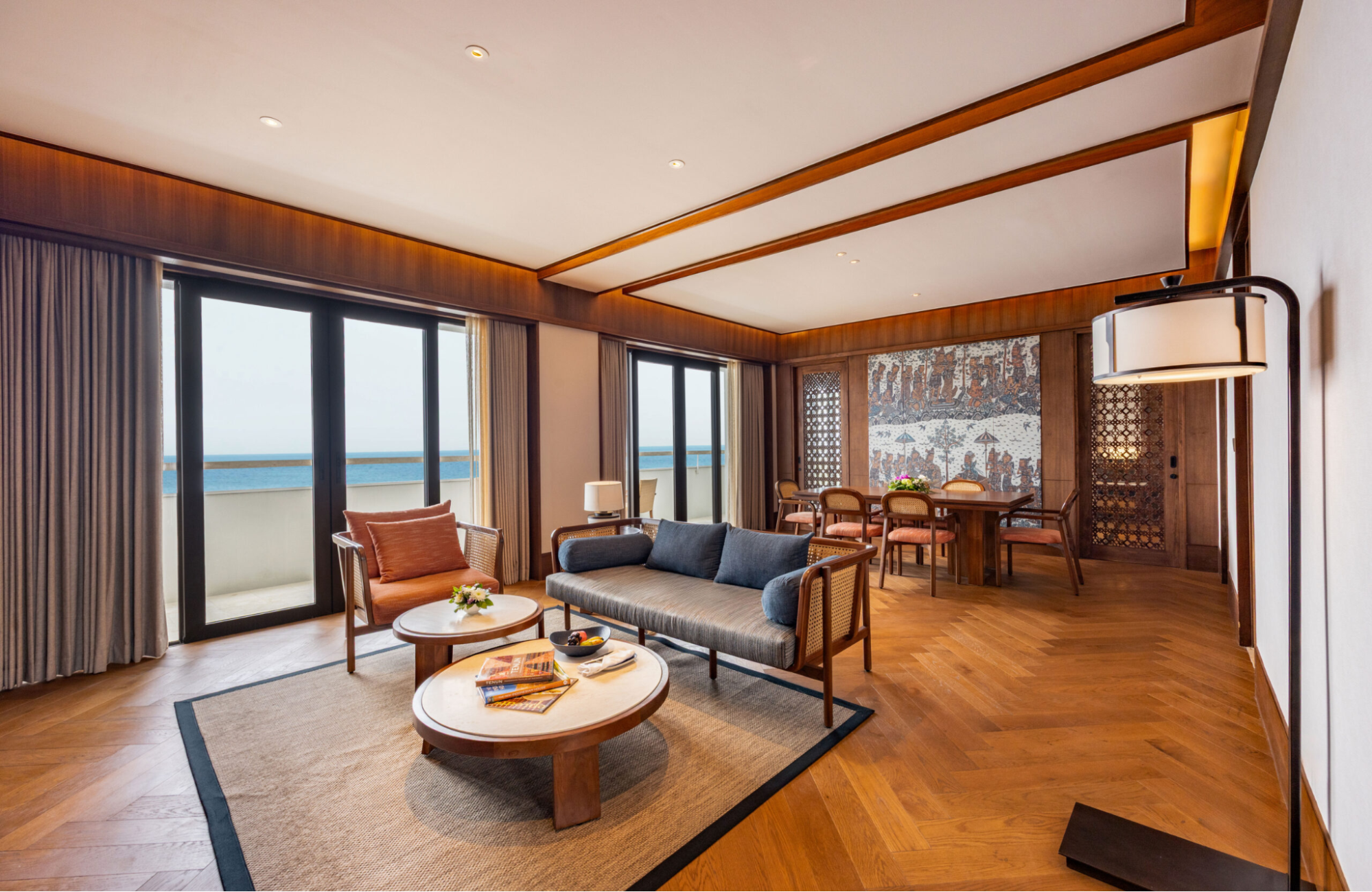
For those seeking an elevated sanctuary, the Sanur Suite on the 7th floor is a refined 120-square-meter retreat where elegance meets the horizon. This suite features separate living and dining areas, providing a private haven that goes beyond the ordinary.
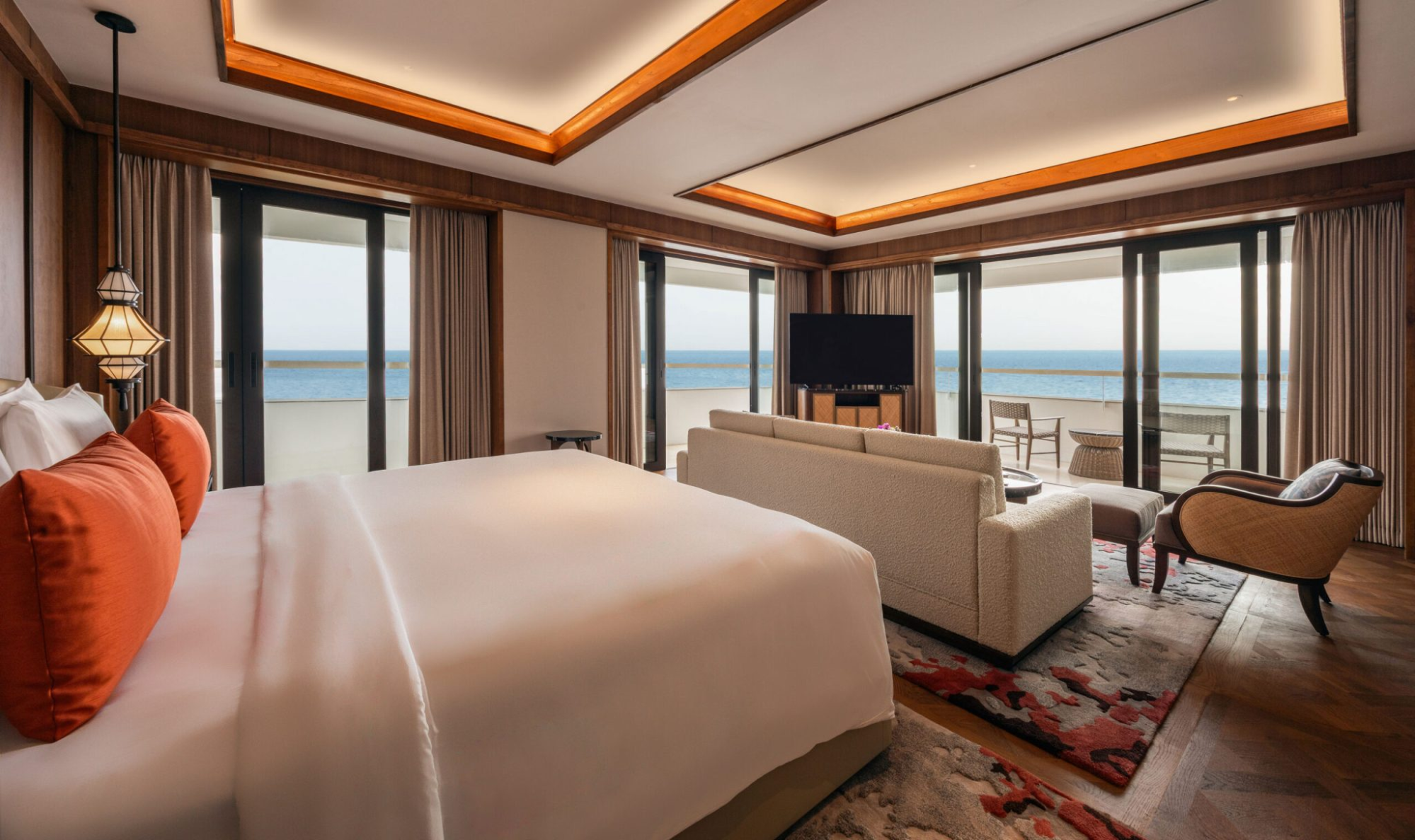
For the highest standard of prestige, our Presidential Ocean View Suite offers 380 square meters of palatial space, serving as a premier retreat for dignitaries and discerning travellers who value the weight of history.
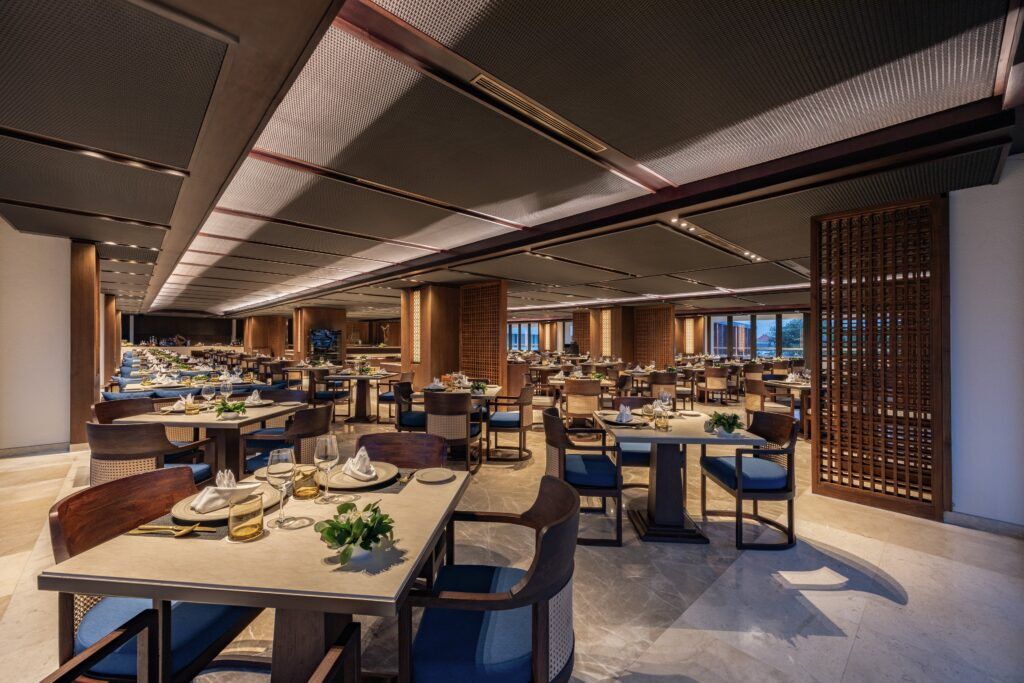
Nourishing the body is a central part of the heritage experience at our resort. Between your visits to the various Bali heritage sites, you can enjoy a culinary journey at Roso Restaurant. Here, we celebrate the essence of Indonesia’s best cuisine, culture, and craftsmanship, offering a fusion of traditional dishes from Sabang to Merauke.

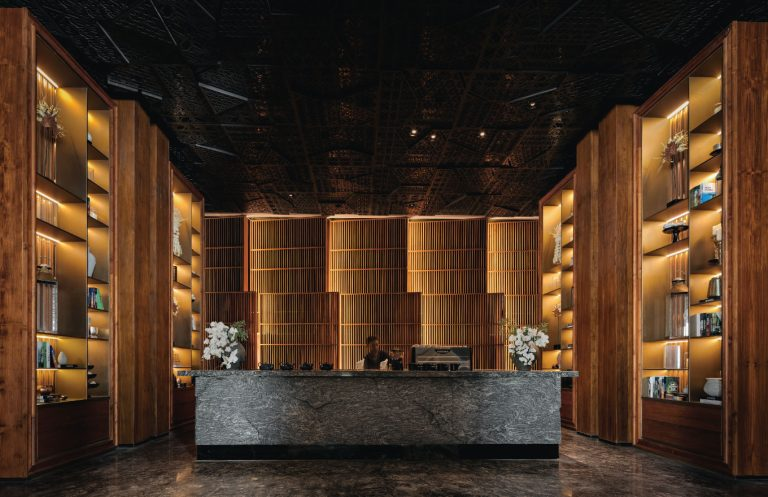
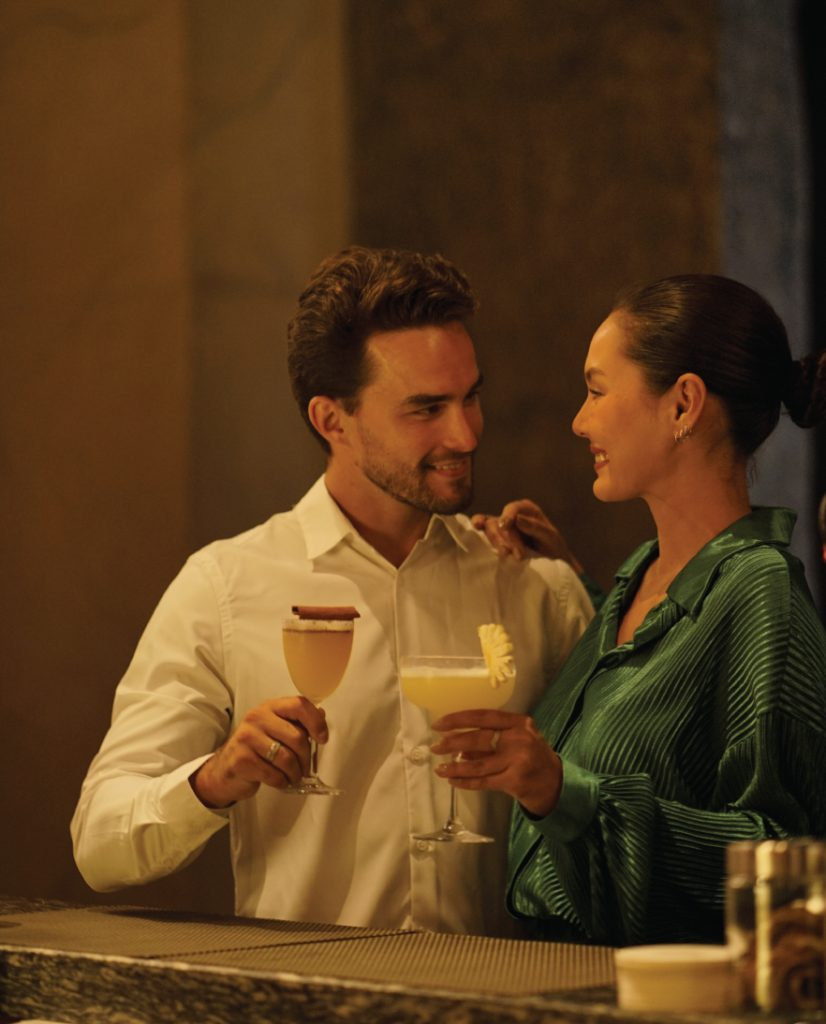
Guests also enjoy the Rasa Nusa unlimited tasting journey every Friday, an expedition through 22 signature dishes that capture the vibrant spirit of the nation. For a quiet moment of reflection, the Sutasoma Lounge offers an exclusive library ambiance perfect for quiet conversations over heritage-inspired cocktails.
To make your cultural journey even more seamless, we invite you to book our Timeless Arrival and Stay package. This exclusive offer combines a luxurious two-night stay with a fully managed VIP airport experience via the Injourney Airport Service.
From the moment you land, our professional team handles all logistics, including expedited immigration and luggage assistance, allowing you to focus entirely on the wonders of the island. By choosing the Bali Beach Hotel as your hub, you ensure that a legacy of world-class service and deep local connection supports your exploration of the top Bali heritage sites.
Detailed Information:
- Address: Jalan Hang Tuah, Sanur Kaja, Denpasar Selatan, Bali 80227, Indonesia
- Phone Number: +62 361 201 2000
- Reference Price: From approximately $250 to $650 USD per night, depending on suite type
- Google Review: 4.8/5 (based on 2026 reviews)
Conclusion
The island of Bali is a world-renowned destination where nature and history are woven together with extraordinary grace. Exploring these 12 must-visit Bali heritage sites is more than just a sightseeing tour; it is a journey into the heart of a civilisation that has prioritised spiritual and cultural harmony for over a millennium.
We hope this 2026 guide empowers you to plan a journey that honours your adventurous spirit and your need for cultural depth. The Bali Beach Hotel looks forward to serving as your refined hub on the sunrise coast, where the legacy of Bali’s past meets the promise of a bright future.
FAQs
What are the oldest Bali heritage sites to visit?
The oldest recorded sites include the Blanjong Pillar in Sanur and Goa Gajah near Ubud, both dating back to the 9th and 10th centuries. These sites provide critical physical evidence of the island’s early Hindu-Buddhist kingdoms and the establishment of its earliest dynasties.
Is there a dress code for visiting ancient temples?
Yes, all visitors to sacred Bali heritage sites are required to dress modestly as a sign of respect. This means wearing a sarong that covers the knees and a ceremonial sash tied around the waist. These items are mandatory for both men and women. Most major temples provide sarong rentals at the entrance, though having your own is an elegant and personal choice.
Can I book guided tours to these historical landmarks from my hotel?
Absolutely. Luxury properties like the Bali Beach Hotel offer a dedicated Activity Desk that can arrange expert-led tours. These private resort transfers often include a professional cultural guide who can explain the intricate history and spiritual significance of the Bali heritage sites in your chosen language.
Why is the Bali Beach Hotel considered a significant historical site?
The Bali Beach Hotel is a monumental icon because it was the first international-standard luxury hotel built in Bali, inaugurated in 1966 by President Soekarno. It remains the tallest tower on the island and acts as a cultural diplomat, showcasing 1960s Indonesian modernism and high-end craftsmanship that helped put Bali on the global tourism map.
Are these cultural sites open to the public every day?
Most Bali heritage sites are open daily, typically from 8.00 AM to 6.00 PM. However, certain temples may be closed to the public during major religious ceremonies or sacred festivals. It is always wise to consult your resort concierge to check the local village calendar before heading to a specific landmark. Exploring these sites at sunrise or sunset often provides the most peaceful and photogenic experience.