Bali is an island where the divine is woven into every landscape, from the mist-covered volcanic peaks to the dramatic limestone cliffs of the south. To truly understand the heart of this destination, you must step into its sacred spaces, where the rhythm of prayer has remained unchanged for a millennium. This 2026 cultural guide navigates the essential Bali temples you need to visit, offering historical context and etiquette for a respectful, profound experience.
Experiencing the Spiritual Heart of the Island
The phrase “Island of a Thousand Temples” is more than just a poetic description; it reflects the deep spiritual fabric of Balinese society. Every village, family compound, and many natural landmarks feature shrines, creating a sacred network that spans the entire island.
For the Balinese, these sites are not just architectural monuments but living portals where the physical world (Sekala) meets the unseen spiritual realm (Niskala). Participating in a visit to these Bali temples is an invitation to witness a culture that prioritizes harmony between humanity, nature, and the gods.
In 2026, the focus for international visitors has shifted toward meaningful engagement and historical education. Travelers are no longer satisfied with a simple photograph; they seek to understand the symbolism behind the tiered roofs, the significance of the stone carvings, and the ancient lineages of the priests who guard these gates. By following the proper protocols and arriving with a sincere heart, you ensure that your journey through the Bali temples is both educational and spiritually grounding.
10 Sacred Sites to Add to Your Itinerary
Navigating the island’s spiritual map requires a strategic approach, as the most significant sites are distributed across diverse geographic regions. Below are the ten most iconic and culturally significant Bali temples to include in your 2026 travel plans.
1. Besakih Temple (The Mother Temple)
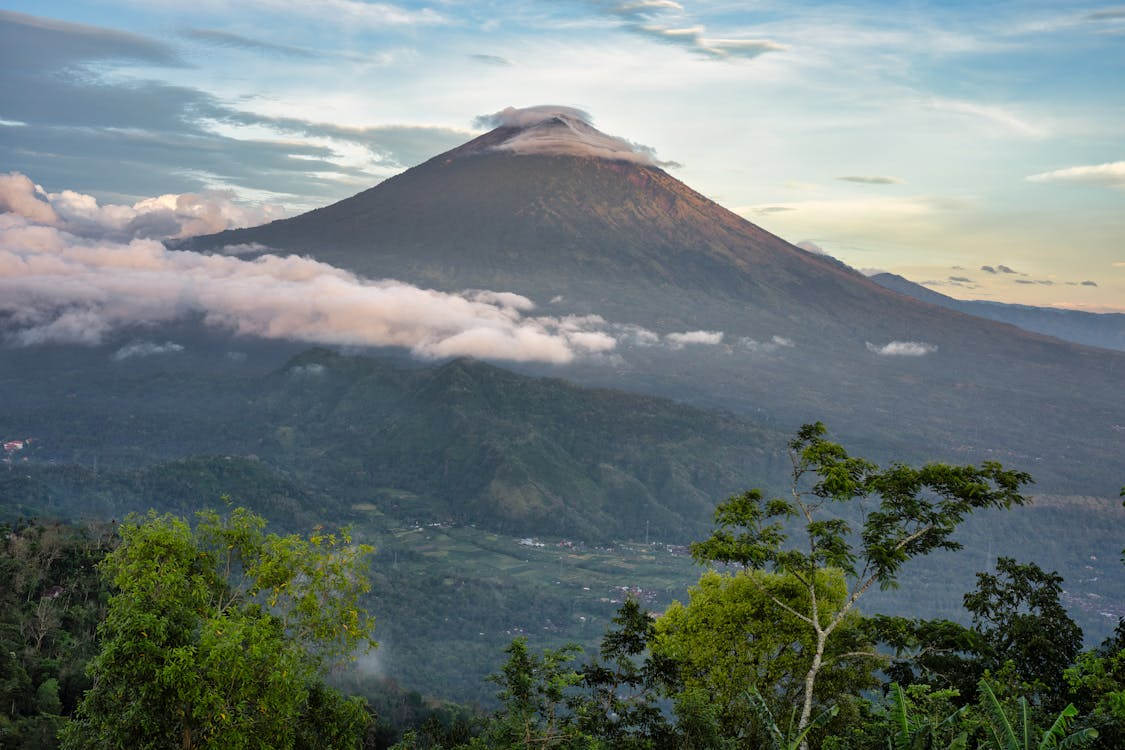
Besakih Temple, known as Pura Besakih, is the largest and holiest temple on Bali. Situated at an elevation of nearly 1,000 meters on the southwestern slopes of Mount Agung, this complex is the spiritual center of the island. It consists of 23 separate but related temples, with Pura Penataran Agung being the most significant.
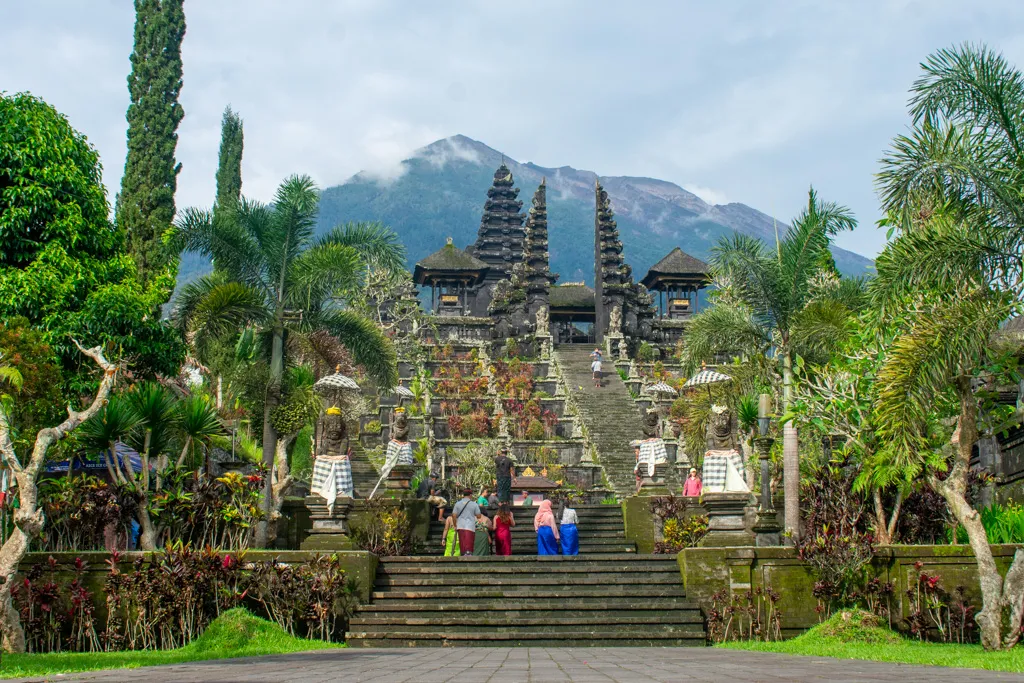
The architecture is a breathtaking display of multi-tiered Meru towers that seem to ascend toward the heavens, framed by the majestic silhouette of the active volcano. This site has been a place of worship since the 14th century and remarkably survived the devastating volcanic eruption of 1963, a feat the local community views as a divine miracle.
Visiting Besakih is a monumental undertaking that requires an entire morning. In 2026, the infrastructure will have been further modernized to include professionally guided tours and well-maintained pathways.
We highly recommend hiring an official local guide at the entrance to navigate the complex social and religious hierarchy that dictates the layout of the shrines. As the “Mother Temple,” it hosts hundreds of festivals each year, so you are likely to witness a colorful procession during your visit.
Detailed Information:
- Location: Besakih Village, Rendang District, Karangasem
- Significance: The supreme temple of Balinese Hinduism
- Opening Hours: 8.00 AM to 6.00 PM daily
- Entrance Fee: Approximately $4 USD (IDR 60,000)
2. Uluwatu Temple (Pura Luhur Uluwatu)
Perched on the edge of a sheer limestone cliff 70 meters above the Indian Ocean, Uluwatu Temple is one of the most dramatic Bali temples on the southern peninsula. Dedicated to the spirits of the sea, it is one of the nine directional temples designed to protect the island from evil influences.
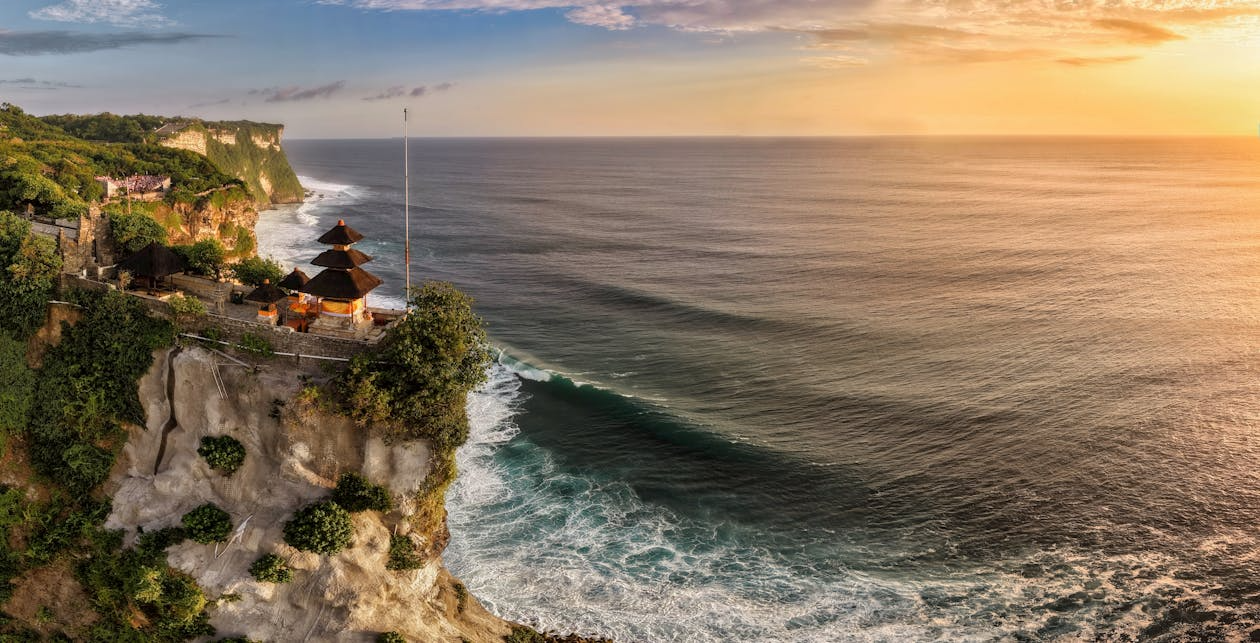
The temple’s history dates back to the 11th century, when it was founded by the high priest Empu Kuturan and later expanded by the legendary sage Dang Hyang Nirartha. The carvings here are exceptionally intricate, utilizing hard volcanic stone that has withstood centuries of salty sea spray.
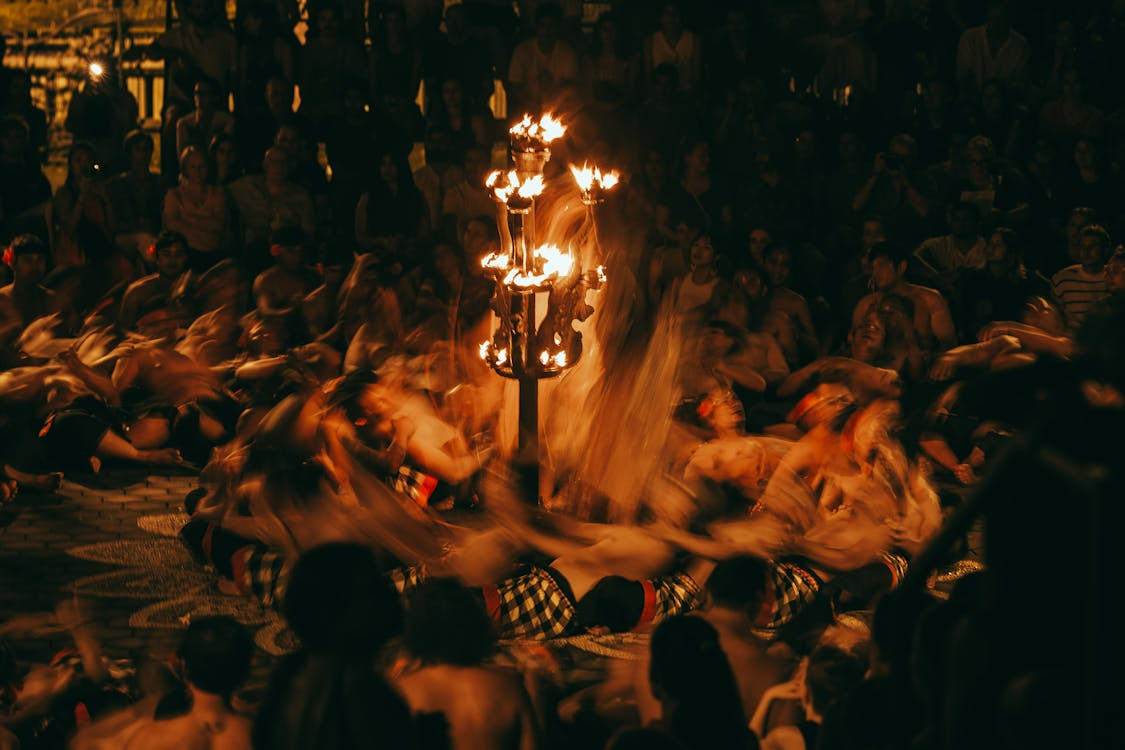
The most iconic experience at Uluwatu is witnessing the Kecak Fire Dance, which takes place daily at sunset in an open-air amphitheater adjacent to the temple. As the sun dips below the horizon, a circle of nearly one hundred men chants in rhythm while a story from the Ramayana epic is enacted amid flickering fire. It is a sensory spectacle that highlights the heroic spirit of Balinese tradition.
We suggest arriving by 4.30 PM to explore the cliffside paths and secure a seat for the performance. Be mindful of the long-tailed macaques that inhabit the forest, as they are considered sacred guardians but are also known for their mischievous behavior with loose items.
Detailed Information:
- Location: Pecatu Village, South Kuta District
- Key Feature: Dramatic cliffside views and daily Kecak dance
- Opening Hours: 7.00 AM to 7.00 PM daily
- Entrance Fee: Approximately $3.25 USD (IDR 50,000)
3. Tanah Lot Temple
Tanah Lot is the most famous of all Bali temples for photography, and for very good reason. The temple is built on a massive offshore rock formation that becomes completely isolated by the tide, creating a stunning silhouette against the horizon.
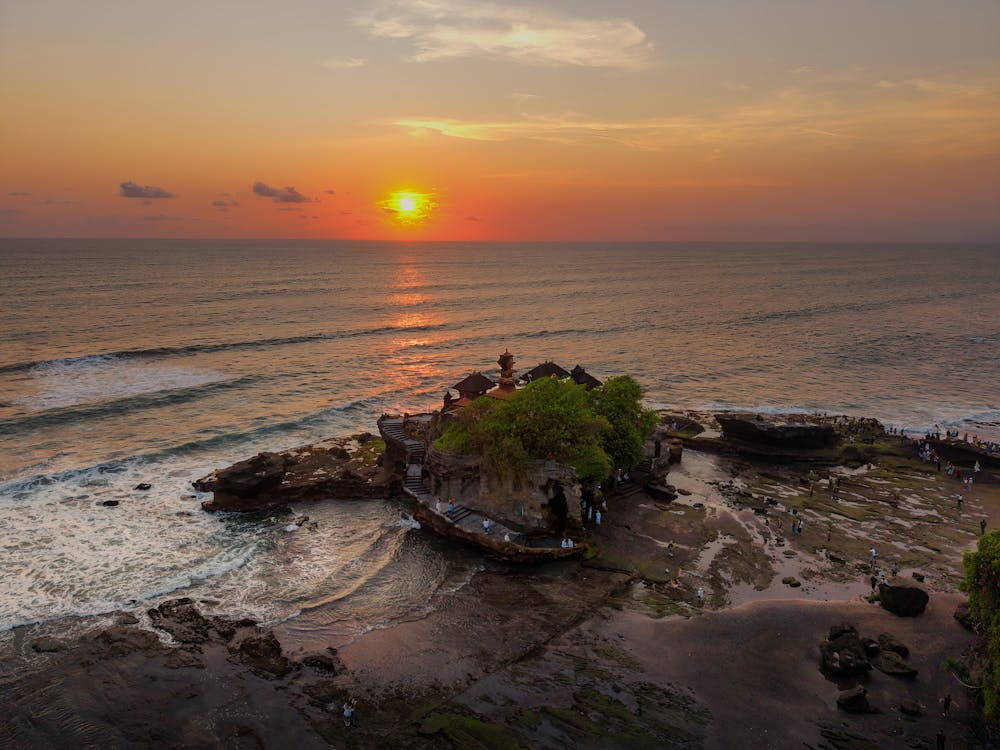
Founded by the same 16th-century sage as Uluwatu, Dang Hyang Nirartha, the site is dedicated to the sea gods and is protected by a colony of poisonous sea snakes believed to guard the temple from intruders. It is a masterpiece of architectural placement, where the elements of water and stone create a natural sanctuary.
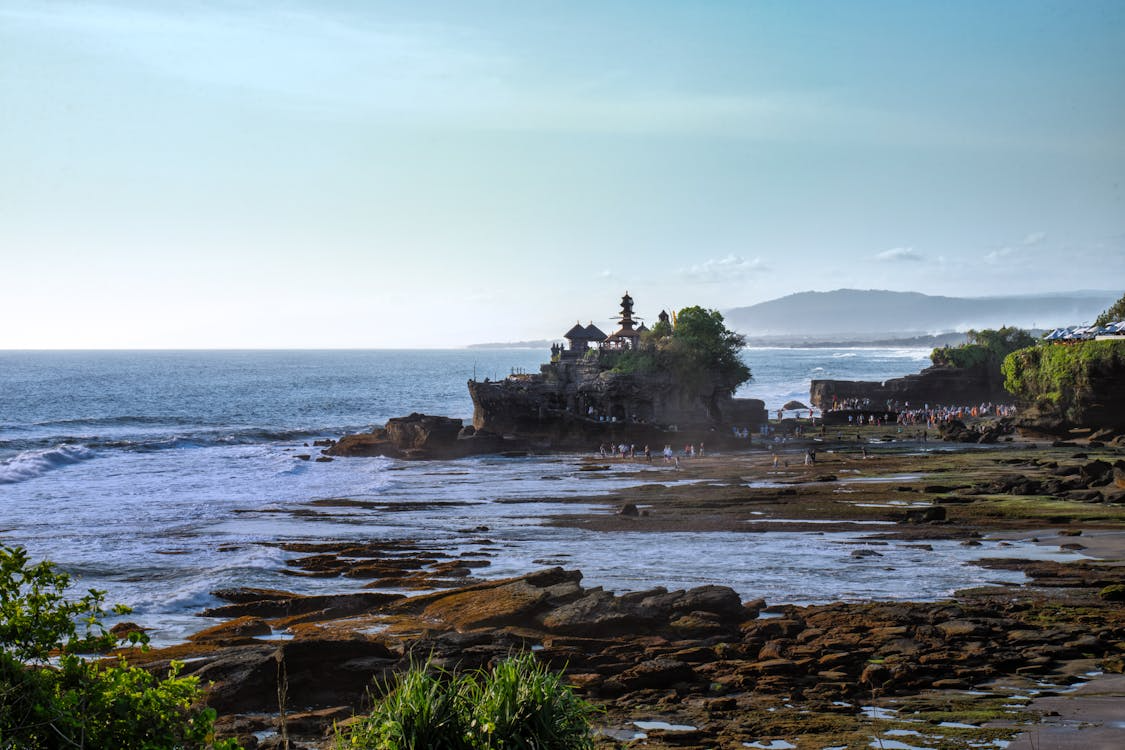
Visitors can walk out to the base of the temple during low tide to receive a blessing of fresh water from a natural spring that flows from beneath the salty waves. This paradoxical spring is considered sacred and is a highlight of the visit.
The “golden hour” in the late afternoon is the peak time for visitors, but arriving early in the morning offers a much quieter, more introspective encounter with the coastal energy.
Detailed Information:
- Location: Beraban Village, Kediri District, Tabanan
- Vibe: Iconic silhouette and tide-dependent exploration
- Opening Hours: 7.00 AM to 7.00 PM daily
- Entrance Fee: Approximately $4.75 USD (IDR 75,000)
4. Ulun Danu Beratan Temple
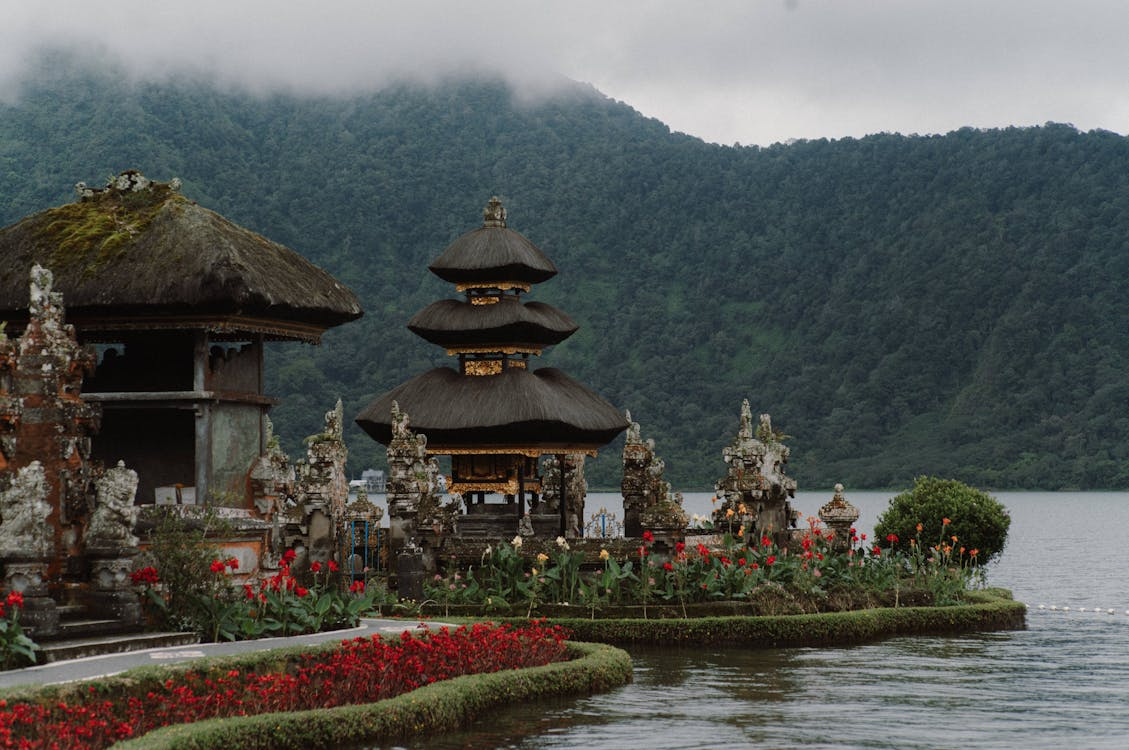
As you move into the central highlands, Ulun Danu Beratan Temple is a striking example of a “water temple.” Located at an elevation of 1,200 meters on the shores of Lake Beratan, the temple appears to float on the water’s surface during high tide. It is dedicated to Dewi Danu, the goddess of lakes and rivers, who is vital to the island’s agricultural prosperity. The 11-tiered Meru tower on the lake is an icon of Indonesia, even appearing on the 50,000 Rupiah bank note.
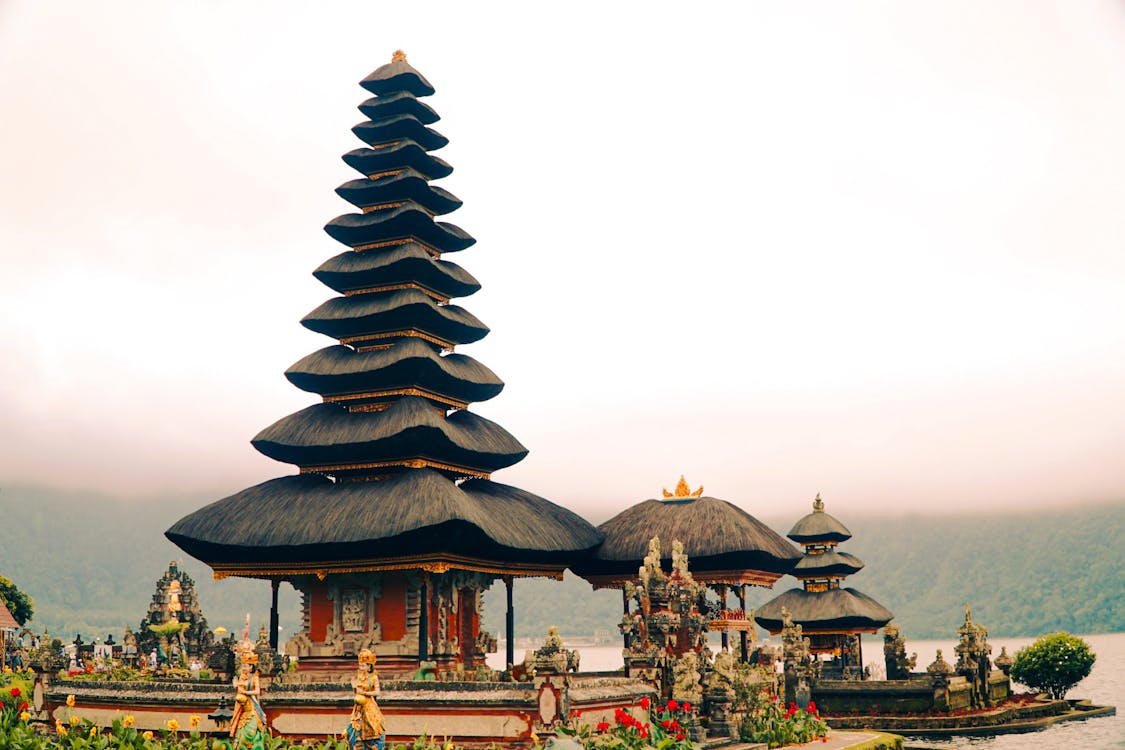
The complex is exceptionally well-maintained, featuring manicured gardens and several smaller shrines that reflect a unique blend of Hindu and Buddhist architecture. In 2026, the temple remains a primary destination for those using Sanur as a base for day trips to the north. Visitors can rent traditional boats to explore the lake and view the temple from a different perspective. This site is essential for understanding the Subak irrigation system and the deep respect Balinese society holds for water as a source of life and purification.
Detailed Information:
- Location: Candikuning, Baturiti District, Tabanan
- Environment: Alpine lake setting and cool climate
- Opening Hours: 7.00 AM to 7.00 PM daily
- Entrance Fee: Approximately $4.75 USD (IDR 75,000)
5. Tirta Empul Temple (Holy Spring Water)
For those seeking an active participation in Balinese spirituality, Tirta Empul is a mandatory stop. Founded in 962 AD, this temple is built around a bubbling holy spring that feeds a series of stone fountains. The name translates to “Holy Water Spring.”
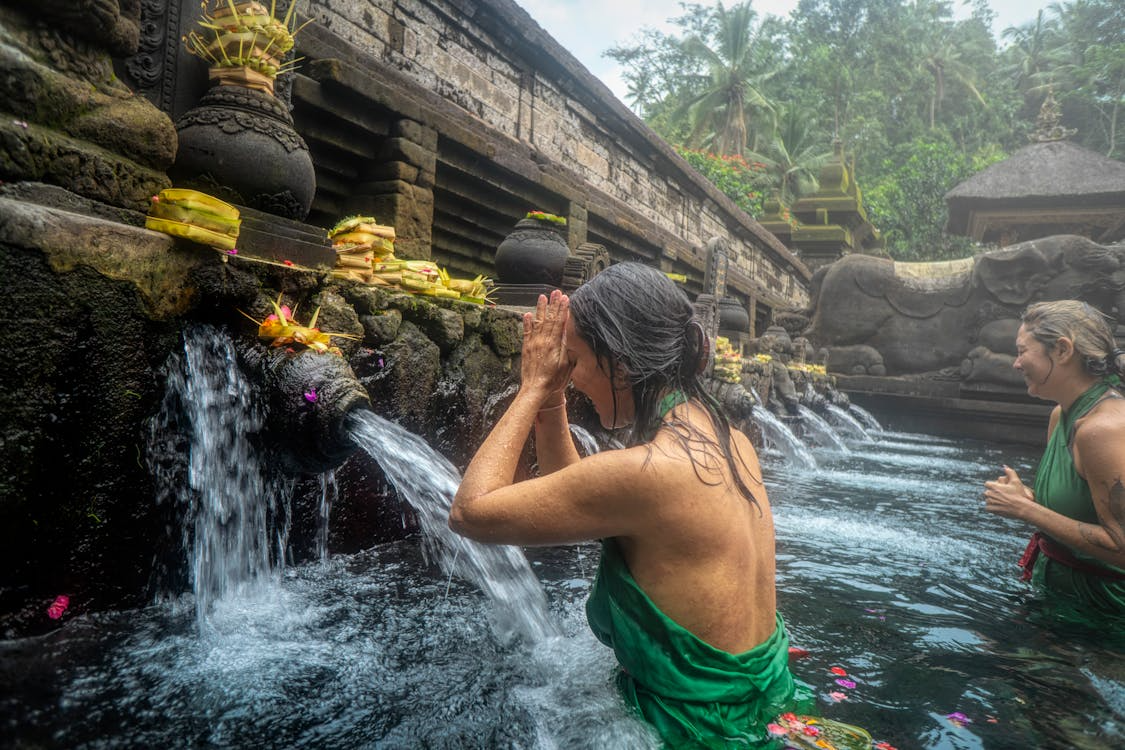
It is the most significant site on the island for Melukat, the sacred purification ritual. Both locals and respectful international visitors are welcome to enter the water to cleanse their minds and souls under a sequence of thirty spouts, each representing a different form of spiritual purification.
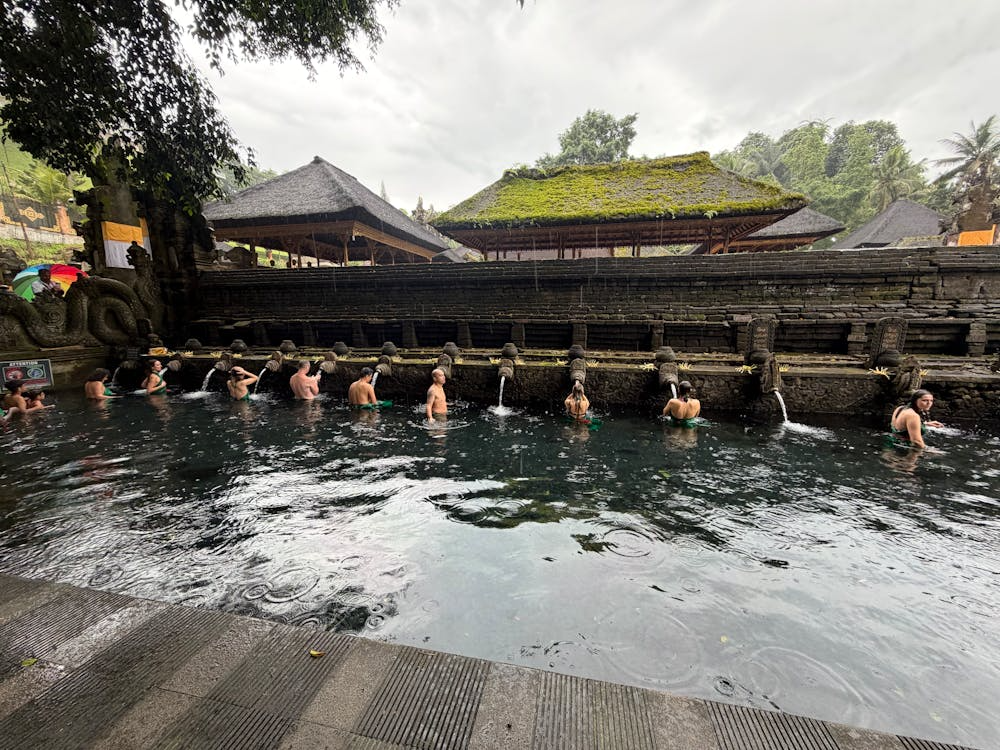
Participating in the ritual is a profound educational journey. You start with a prayer at the main altar and then move through the pools, bowing under the fresh, mountain-cooled water. Each fountain serves a specific purpose, such as washing away bad dreams or clearing negative energy.
In 2026, the temple refined its visitor guidelines to ensure that everyone participating in the water ritual follows the correct cultural procedures. It is a physical encounter with faith that leaves you feeling lighter and more connected to the island’s heritage. This is one of the most immersive and transformative experiences available at any of the Bali temples.
Detailed Information:
- Location: Manukaya Village, Tampaksiring District, Gianyar
- Signature Experience: Traditional water purification ritual
- Opening Hours: 8.00 AM to 6.00 PM daily
- Entrance Fee: Approximately $3.25 USD (IDR 50,000)
6. Lempuyang Temple (Gates of Heaven)
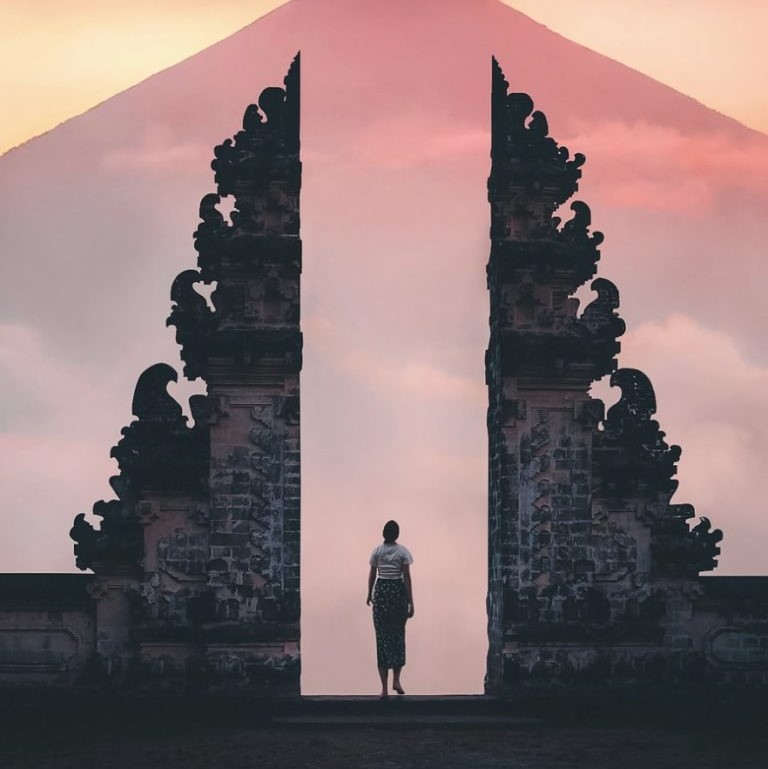
Pura Lempuyang Luhur is one of the oldest and most highly regarded temples in Bali, situated in the eastern regency of Karangasem. While the complex actually consists of seven distinct temples rising up the slopes of Mount Lempuyang, it is most famous for the “Gates of Heaven” located at the lower temple, Pura Penataran Agung. These majestic white split gates frame a perfect view of Mount Agung, creating a visual bridge between the human world and the dwelling place of the gods.
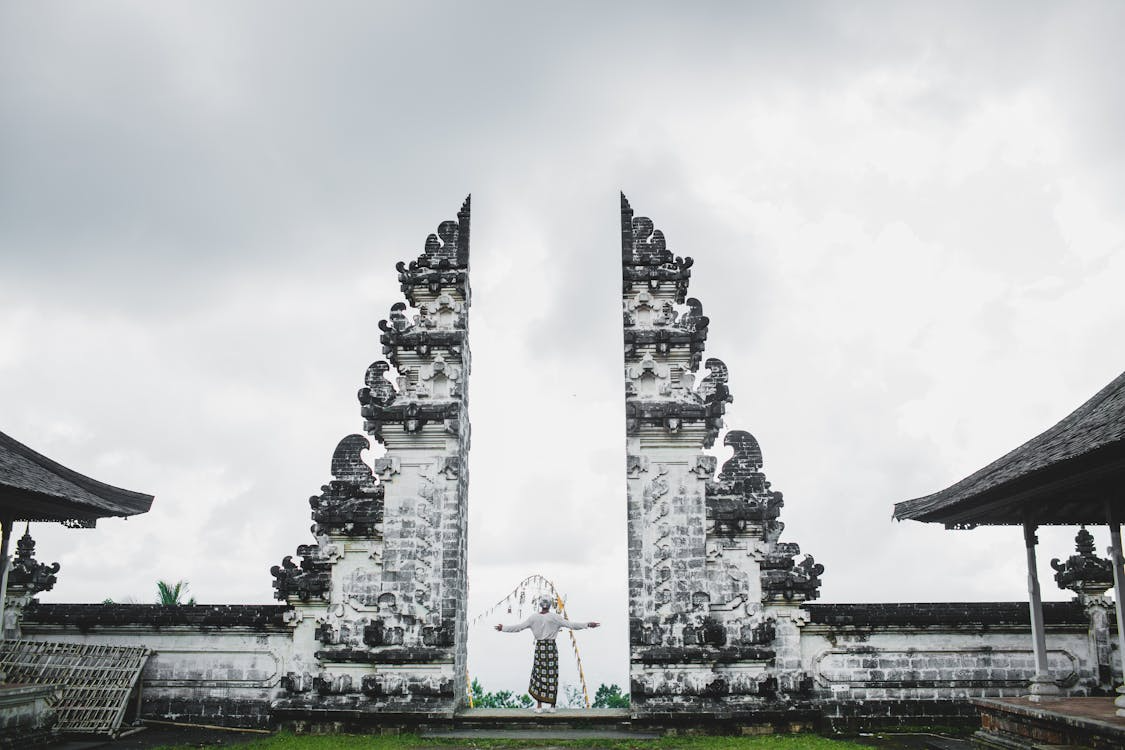
Reaching the very top of the complex requires a challenging hike of over 1,700 steps, which is considered a spiritual test of endurance. However, most visitors focus on the lower gate for its spectacular views. In 2026, the temple utilizes a digital queueing system to manage the large number of photography enthusiasts, allowing you to explore the other shrines while you wait for your turn at the gate.
We suggest arriving as early as 6.00 AM to witness the morning mist lifting off the volcano, as the energy at first light is truly transcendental. It is a place that celebrates the majestic scale of the Balinese landscape.
Detailed Information:
- Location: Abang District, Karangasem Regency
- Highlight: Photogenic “Gates of Heaven” and volcano vistas
- Opening Hours: 6.00 AM to 7.00 PM daily
- Entrance Fee: Approximately $3.50 USD (IDR 55,000)
7. Goa Gajah (Elephant Cave)
Located just outside Ubud, Goa Gajah is a significant archaeological site dating back to the 9th century. The centerpiece of the site is a shallow cave carved into a rocky hillside, with its entrance a menacing face meant to ward off evil spirits. Despite the name, no elephants are found here; the title likely refers to the nearby “Elephant River” or the stone statue of Ganesha found inside the cave.
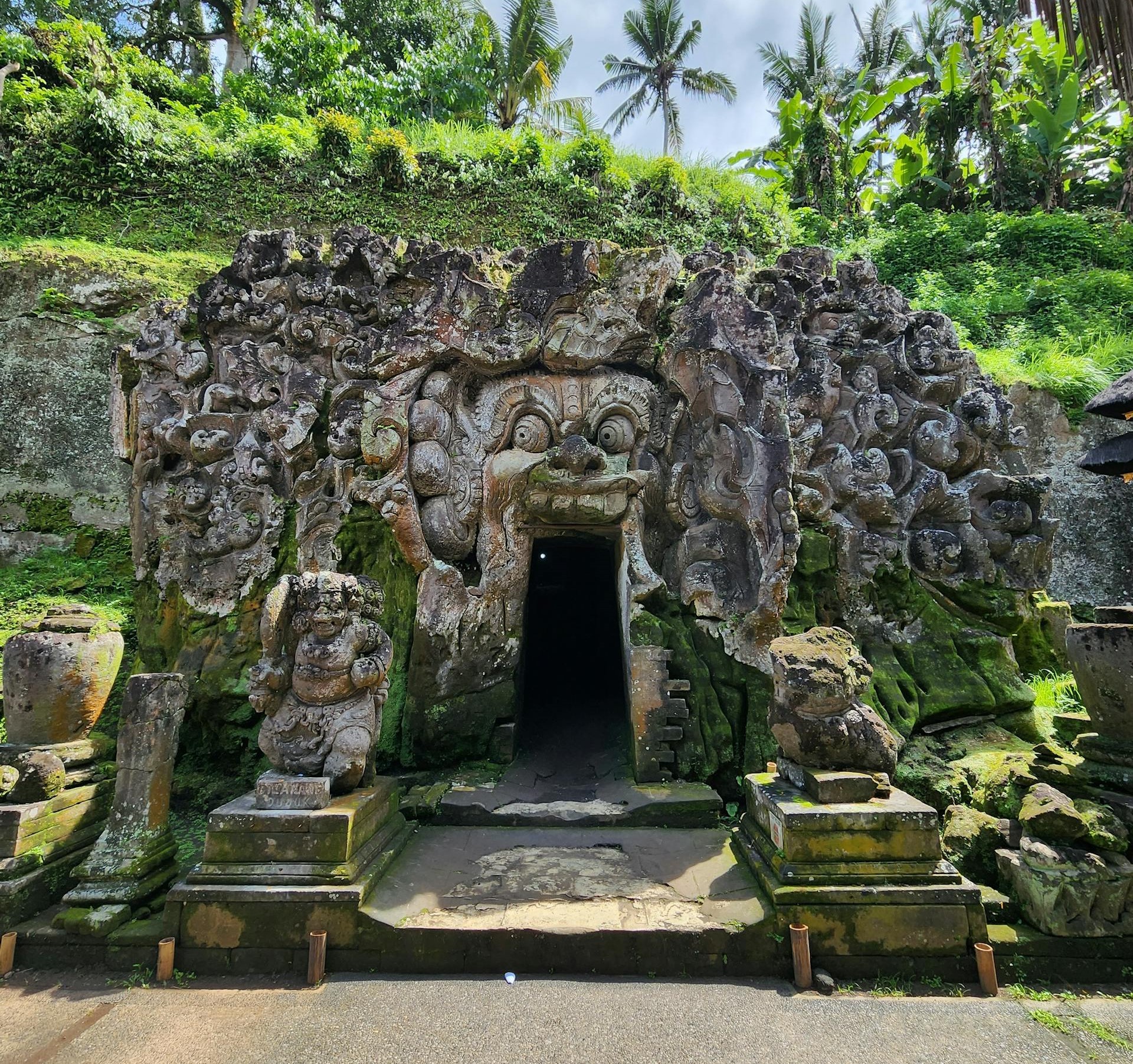
Below the cave mouth is a beautifully restored bathing pool featuring six female figures holding water spouts. These statues represent the holy rivers of India and were only discovered by archaeologists in the 1950s. The site also includes a steep descent into a lush river valley where you can find ancient moss-covered stone carvings and the remains of an early Buddhist monastery.
Detailed Information:
- Location: Bedulu Village, Blahbatuh District, Gianyar
- Type: 9th-century archaeological and cave temple
- Opening Hours: 8.00 AM to 6.00 PM daily
- Entrance Fee: Approximately $3.25 USD (IDR 50,000)
8. Taman Ayun Temple
Taman Ayun, meaning “Beautiful Garden,” is the ancestral royal temple of the Mengwi Kingdom. Built in 1634, it is part of the UNESCO-listed Cultural Landscape of Bali and is renowned for its elegant architecture and expansive moats that create the illusion of the temple floating in a garden setting. The complex features tiered Meru towers that reach up to eleven levels, representing the sacred mountains where the gods reside.
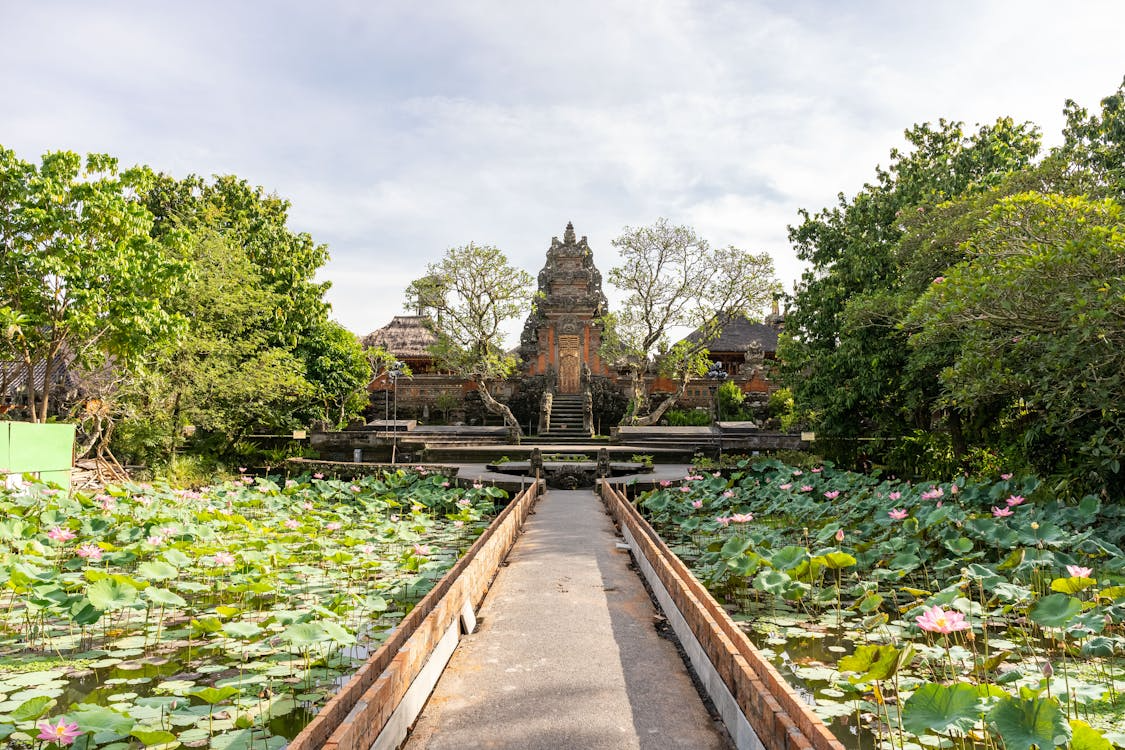
Unlike the busier sea temples, Taman Ayun offers a much more peaceful and unhurried experience. You can walk along the outer moat path and observe the intricate wooden doors and thatched roofs from a distance, allowing you to appreciate the full scale of the royal compound. The site is a testament to the power and artistic vision of the ancient Balinese kings, providing an educational look at how politics and religion were historically intertwined.
Detailed Information:
- Location: Mengwi Village, Badung Regency
- Status: UNESCO World Heritage Site and Royal Temple
- Opening Hours: 8.00 AM to 6.00 PM daily
- Entrance Fee: Approximately $2.00 USD (IDR 30,000)
9. Kehen Temple
Located in the regency of Bangli, Kehen Temple is often described as the “Mini Besakih” due to its tiered architecture and grand stone staircases. It was once the state temple of the Bangli Kingdom and remains one of the most beautiful and historically significant Bali temples in the eastern highlands.
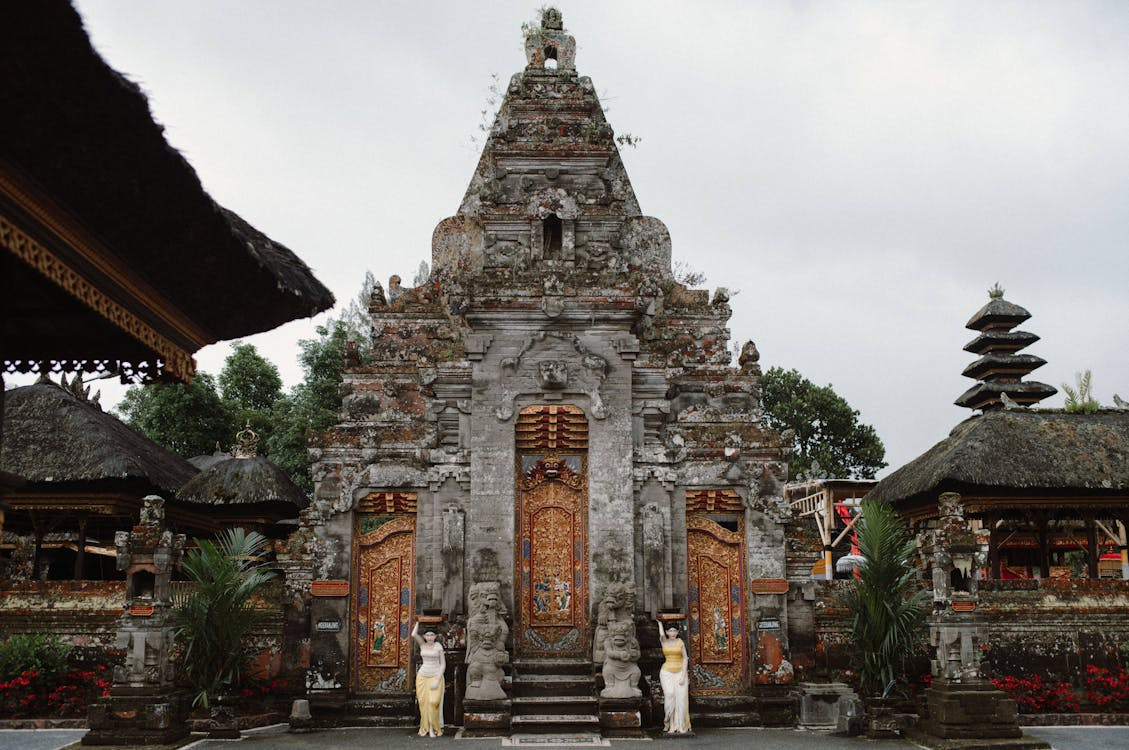
The entrance is marked by a massive, centuries-old Banyan tree that dominates the first courtyard, its aerial roots creating a natural canopy over the worshippers. The stone carvings here are exceptionally well-preserved, featuring unique Chinese porcelain plates embedded into the walls, reflecting centuries of trade history.
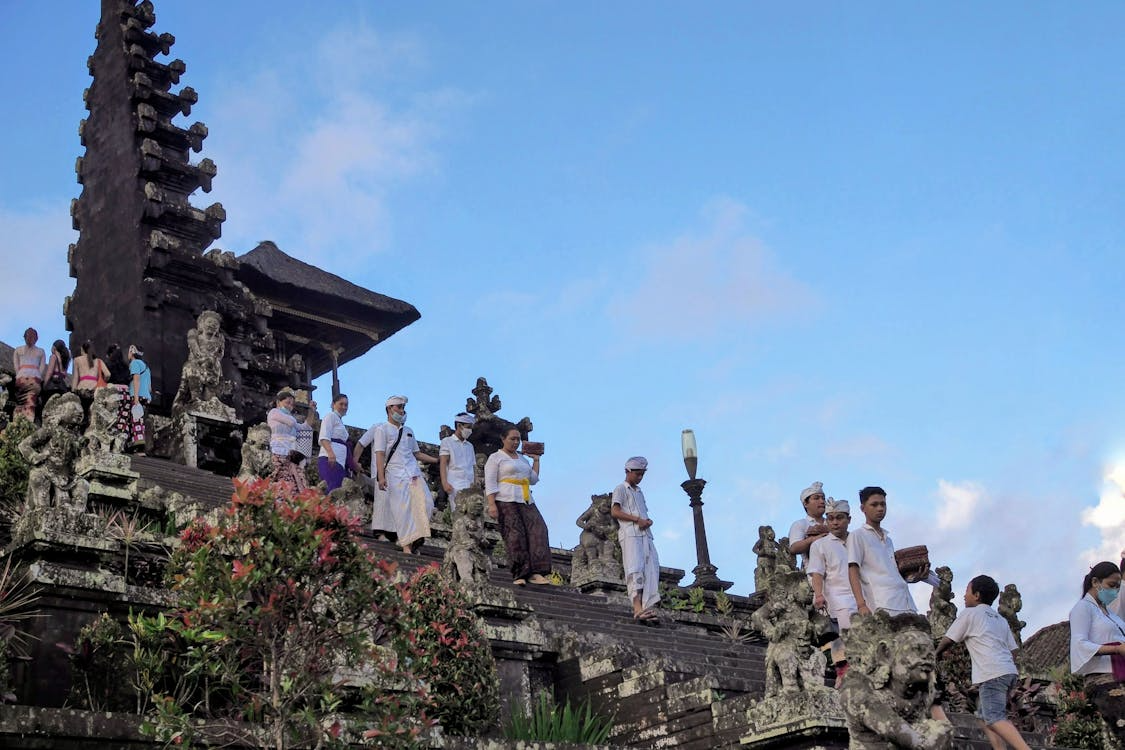
The temple is built into a hillside, requiring a climb up several levels to reach the inner sanctum. Each level offers a different perspective of the intricate architecture and the surrounding tropical forest. Because Kehen is located outside the main tourist corridors, it maintains a very authentic, quiet atmosphere.
You are likely to find yourself alone with the priests and the daily offerings, providing a rare opportunity for a personal connection with the sacred space. It is a hidden gem for travelers who value cultural depth and unpretentious beauty.
Detailed Information:
- Location: Cempaga, Bangli Regency
- Notable Feature: Ancient Banyan tree and Chinese porcelain details
- Opening Hours: 8.00 AM to 5.00 PM daily
- Entrance Fee: Approximately $2.00 USD (IDR 30,000)
10. Gunung Kawi Temple
Gunung Kawi is one of the most unique and archaeologically significant sites on our list of Bali temples. Located in a deep river valley near Tampaksiring, the temple consists of ten massive shrines (candis) carved directly into the sheer cliff faces.
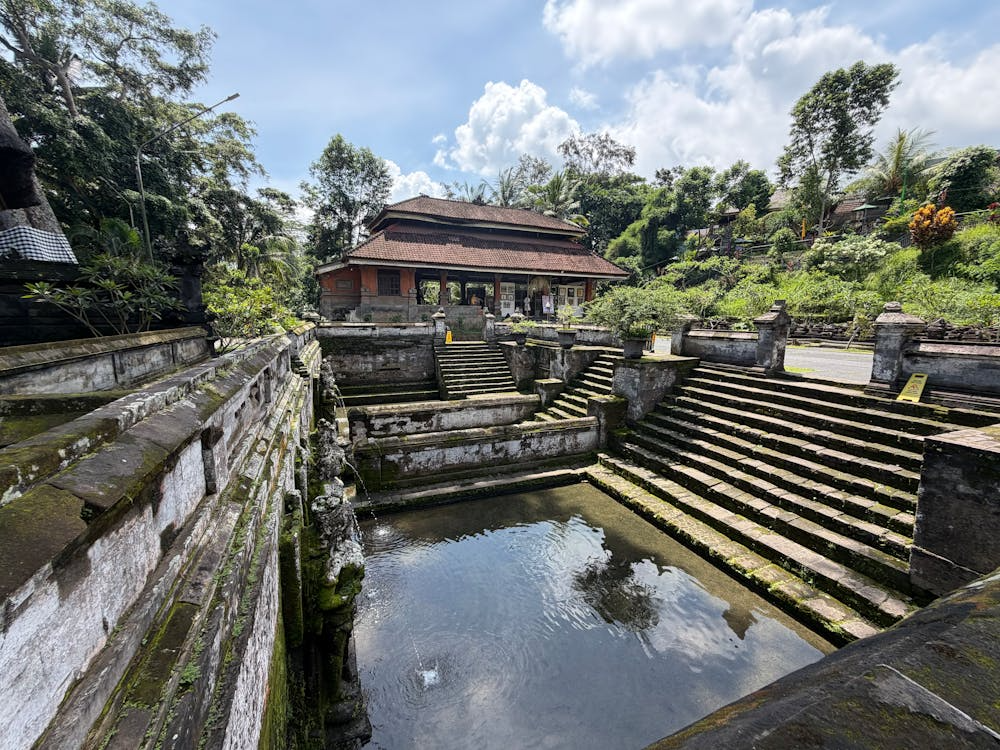
These monuments date back to the 11th century and are believed to be the memorial tombs of the royal Udayana Dynasty. Reaching the site requires descending a long staircase of over 300 steps through lush rice terraces, offering a scenic introduction to the area’s historical scale.
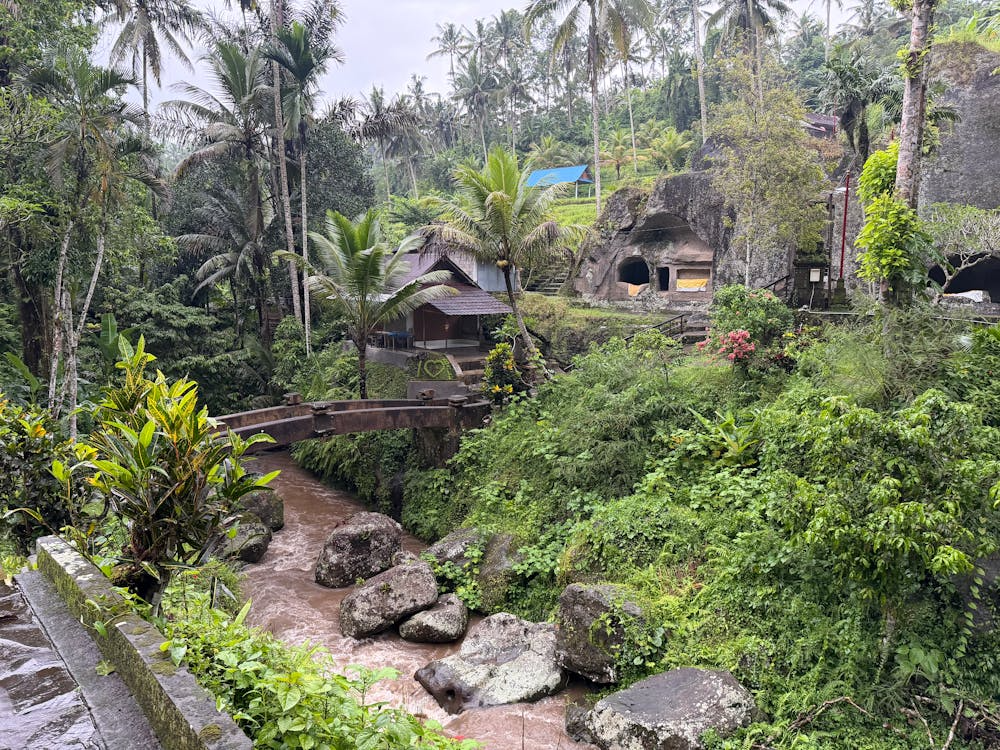
The shrines are seven meters high and represent an incredible feat of manual engineering from a millennium ago. The site is divided by the Pakerisan River, which is also considered sacred in Balinese belief.
Walking among these monumental rock carvings, you feel a profound sense of history and the enduring power of the royal legacy. The surrounding valley is filled with tropical greenery and small hermitages where monks once meditated. It is a majestic and mysterious destination that rewards those willing to put in the physical effort to reach it.
Detailed Information:
- Location: Banjar Penaka, Tampaksiring District, Gianyar
- Architectural Style: 11th-century rock-cut memorial shrines
- Opening Hours: 8.00 AM to 6.00 PM daily
- Entrance Fee: Approximately $3.25 USD (IDR 50,000)
Essential Tips for Visiting Bali Temples
To ensure your journey through these sacred sites is as respectful as it is rewarding, we have compiled the most important guidelines for temple etiquette and preparation in 2026.
Adhering to the Mandatory Dress Code
Respecting the local dress code is the most critical requirement for entering any Bali temple. Regardless of the specific location, all visitors are required to wear a sarong (known as a kamen) that covers the knees and a ceremonial sash (selendang) tied around the waist. This applies to both men and women. Even if you are wearing long trousers or a maxi dress, the sash is still mandatory as a symbol of binding the lower human impulses before entering a holy space.
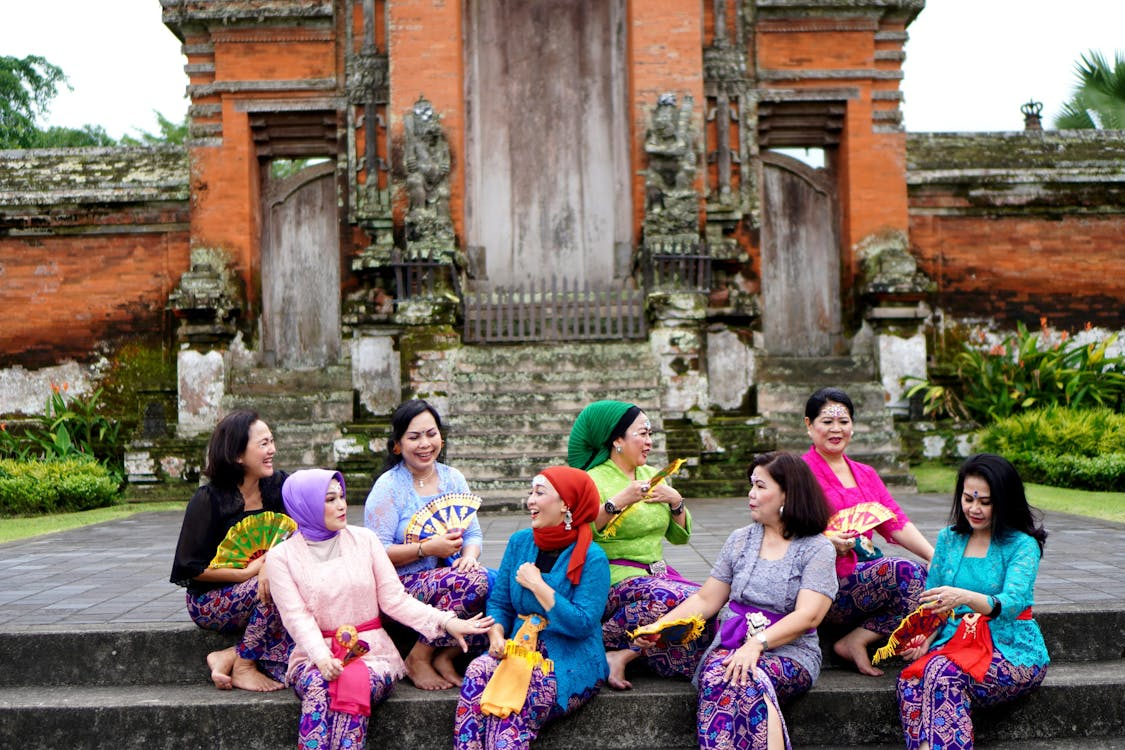
While many major temples offer sarong rentals at the entrance for a small fee, we highly recommend purchasing your own high-quality sarong from a local market or a boutique like Sarinah. Not only is this a more personal way to engage with the culture, but it also ensures you are prepared for spontaneous visits to smaller village shrines. Additionally, always ensure your shoulders are covered. A light shawl or a t-shirt is appropriate, while sleeveless tops and swimwear are strictly forbidden within the temple walls. Following these rules is a mark of a sophisticated traveler who honors the local community.
Understanding Cultural and Physical Restrictions
There are certain traditional restrictions that are strictly observed across all Bali temples, rooted in the Balinese concepts of purity and hygiene. The most significant rule is that women who are menstruating are not permitted to enter the temple grounds.
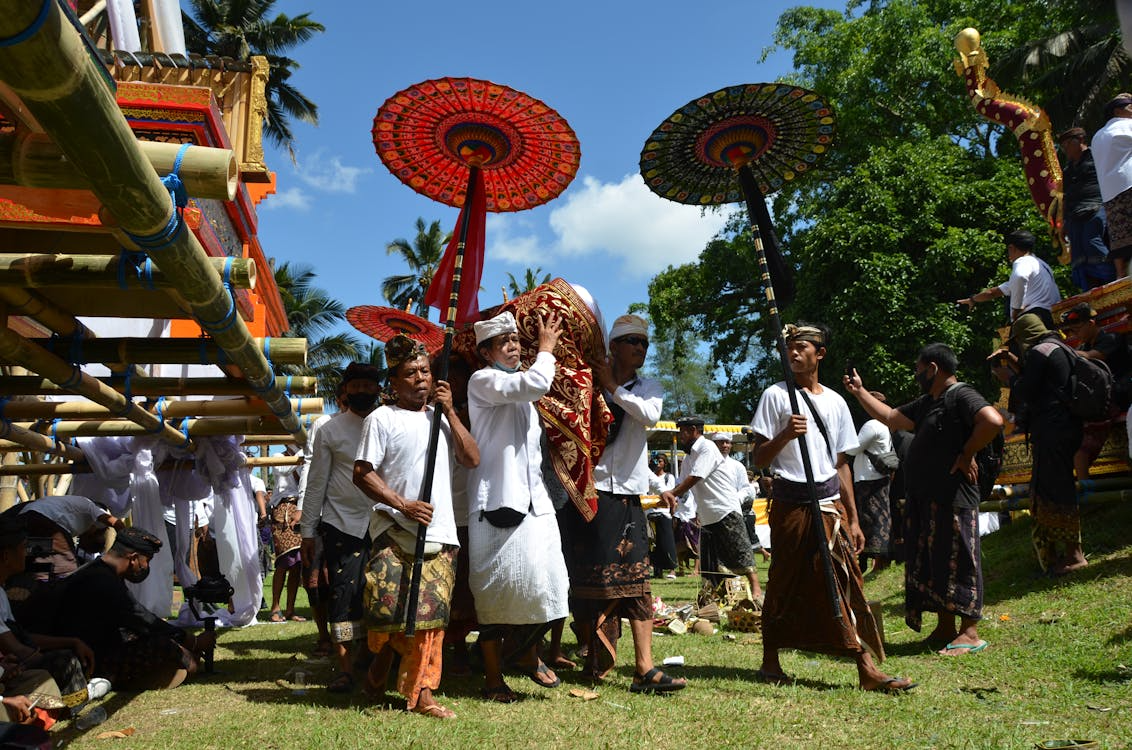
This is not intended as a form of discrimination but is part of the concept of Cuntaka, in which any bleeding is considered a spiritual impurity that could disrupt the energy of the sacred site. Respecting this rule is vital for maintaining good relations with the local priests and community.
Furthermore, etiquette regarding height and head position is important. In Balinese culture, the head is considered the most sacred part of the body, while the feet are the most earthly. You should never climb on stone shrines or statues for a photograph, and you should try to ensure that your head is not higher than the head of a priest who is performing a ceremony.
If you are watching a prayer or a performance, sitting on the ground or on provided benches is the most respectful approach. Maintaining a quiet, observant presence allows you to absorb the site’s spiritual energy without disrupting those who are there to worship.
Planning for Timing and Logistics
To experience the true majesty of the Bali temples, timing your arrival is essential. Most major sites become quite busy with tour groups between 11.00 AM and 3.00 PM. Arriving in the early morning (before 9.00 AM) or the late afternoon (after 4.00 PM) allows you to enjoy a much more tranquil environment and capture better lighting for your photography. Early morning visits are particularly magical for mountain temples like Besakih, as you can witness the mist lifting off the peak before the midday heat sets in.
Logistically, we recommend utilizing a private resort transfer or hiring a professional driver for your temple tours. This ensures you have a reliable way to reach more remote locations, such as Lempuyang or Gunung Kawi, without the stress of navigating unfamiliar roads. A local driver also serves as a valuable cultural ambassador, providing context about the specific village rituals you might encounter on the way.
Always carry a small amount of cash in Indonesian Rupiah for entrance fees and parking, as many smaller sites do not yet accept digital payments. By planning ahead, you ensure your focus remains on spiritual discovery rather than administrative details.
Recommended Accommodations for Cultural Day Trips
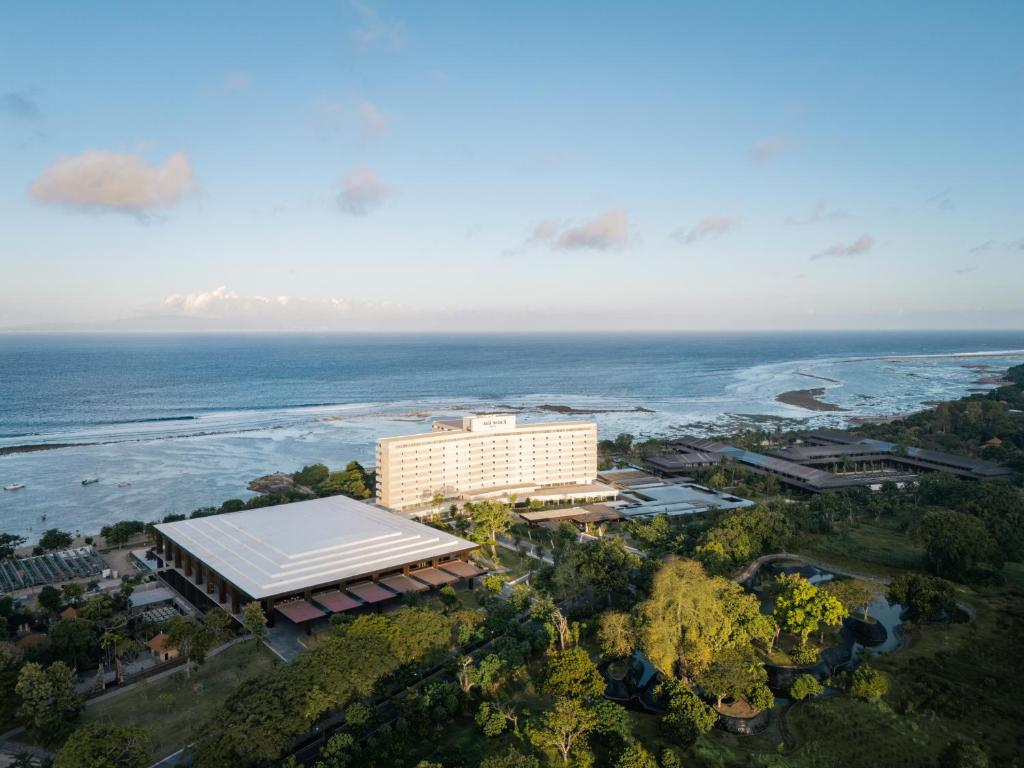
Exploring ancient sacred sites requires a comfortable, culturally connected base to return to after a long day of discovery. The Bali Beach Hotel serves as an ideal, serene hub for your 2026 temple journey.
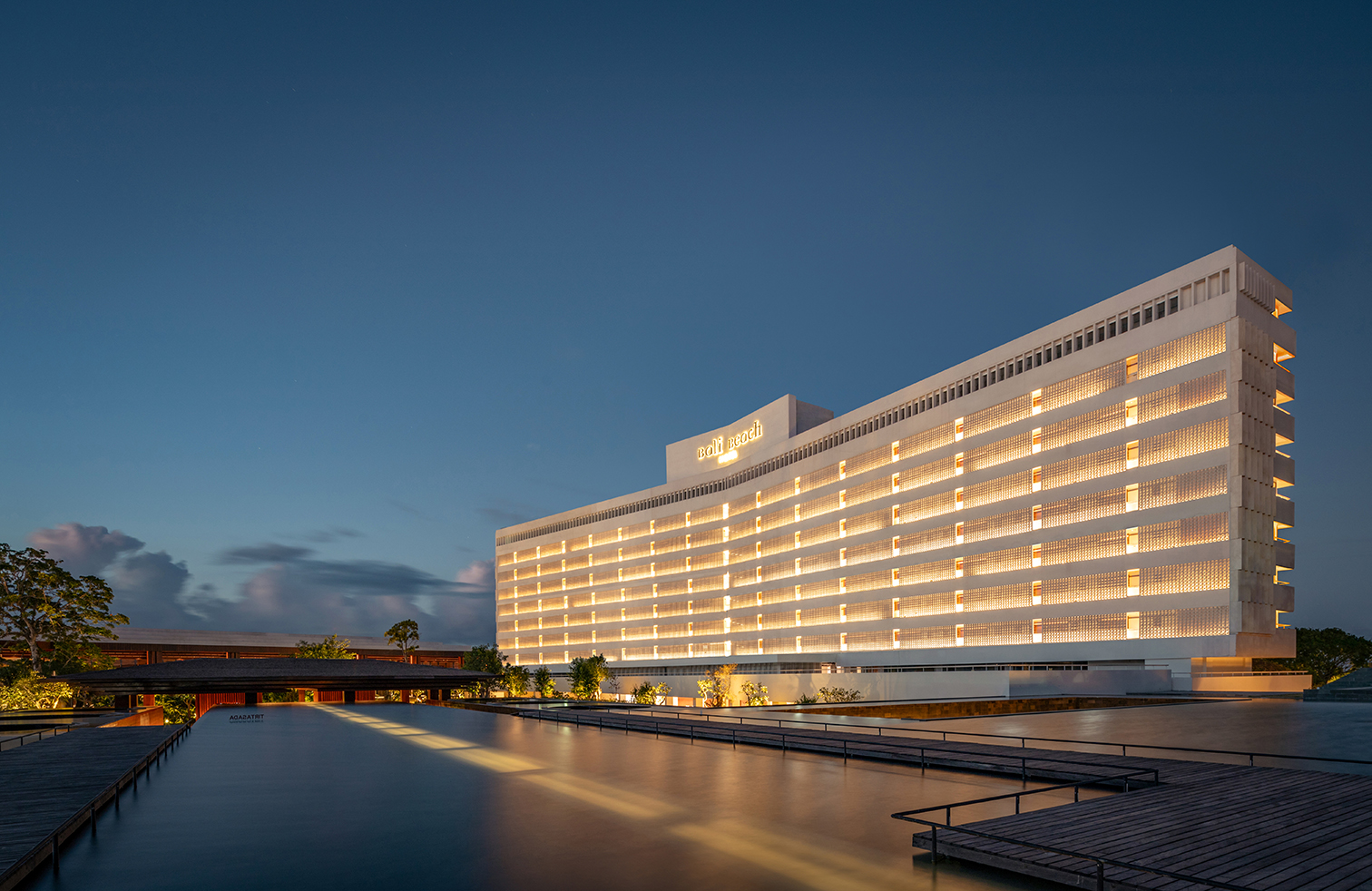
As a member of The Heritage Collection and an icon of Indonesian progress, our resort serves as a cultural diplomat, offering a majestic setting that honors the nation’s history and artistry on a grand scale. Originally inaugurated in 1966 by President Soekarno, the property has undergone a monumental revitalization, blending its mid-century modern roots with contemporary luxury standards.
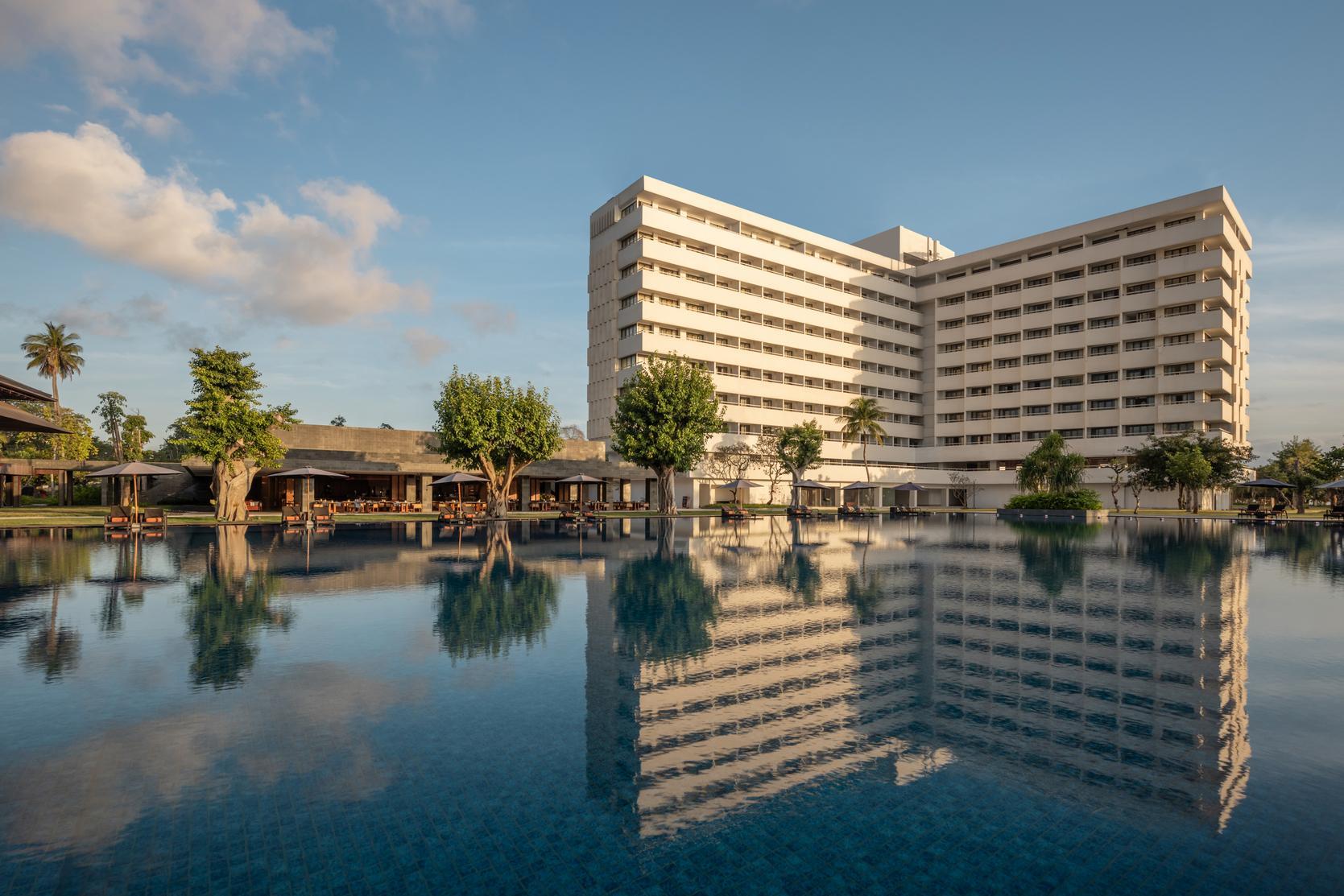
Our location on the eastern coast of Sanur provides a strategic advantage that few other regions can match. Sanur is the gateway to the bypass road, providing efficient, car-free access to northern cultural sites like Ubud and the central highlands.
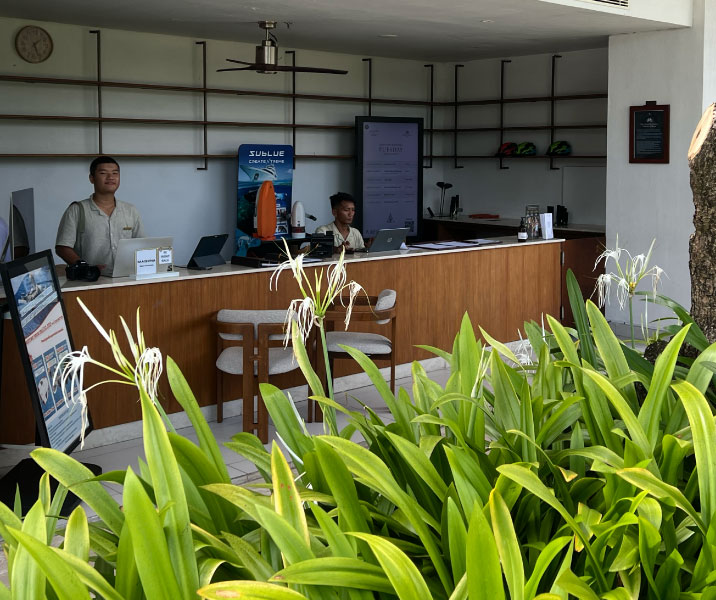
With our dedicated Activity Desk, our team can effortlessly arrange guided tours to any of the Bali temples mentioned in this guide. We prioritize expert-led excursions that focus on historical depth and cultural authenticity, ensuring that you move through the island with professional precision and unhurried ease.
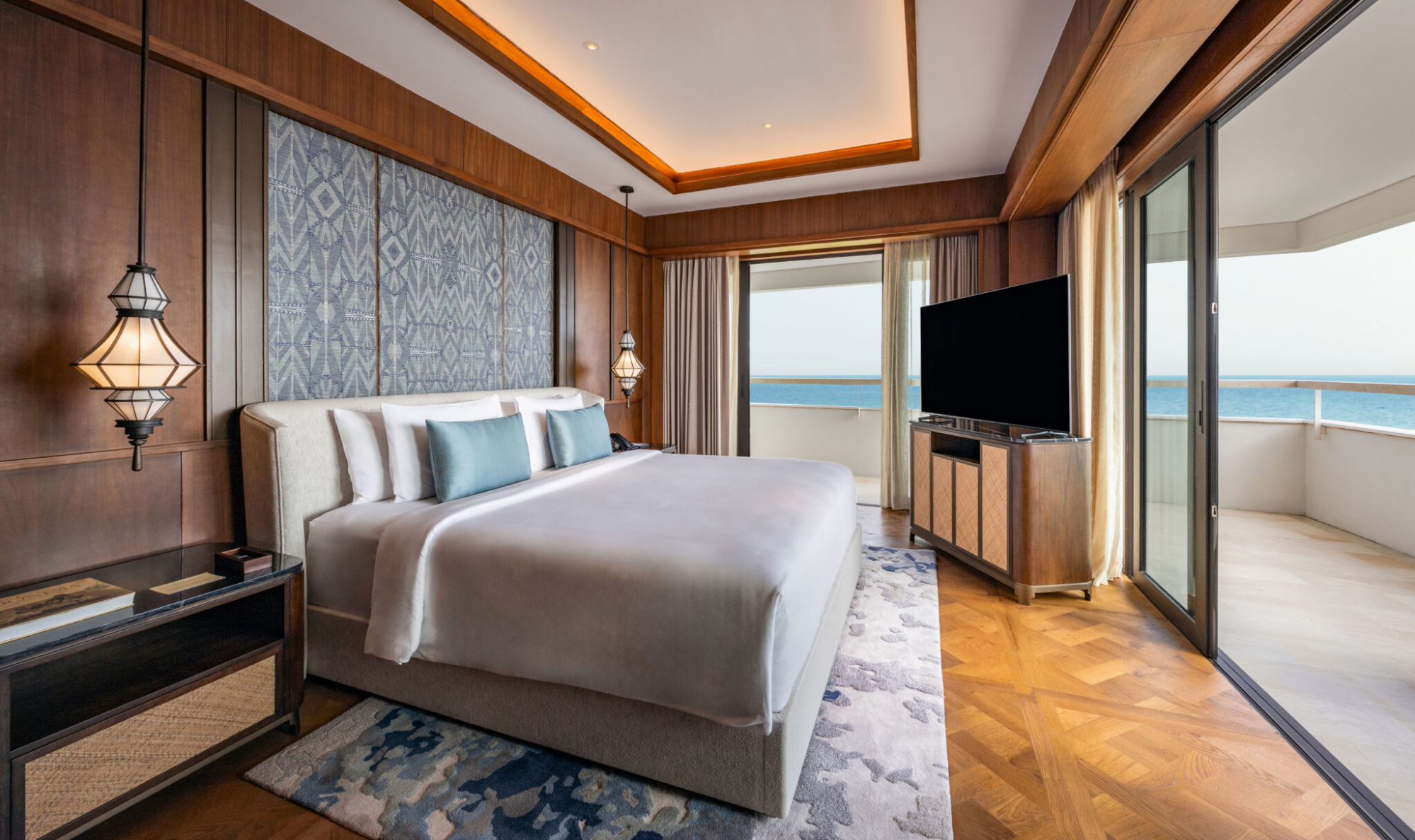
The accommodations at the Bali Beach Hotel are engineered to be your private sanctuary. After descending the steps of Gunung Kawi or walking the grounds of Besakih, you can retreat to the Bali Beach Suite.
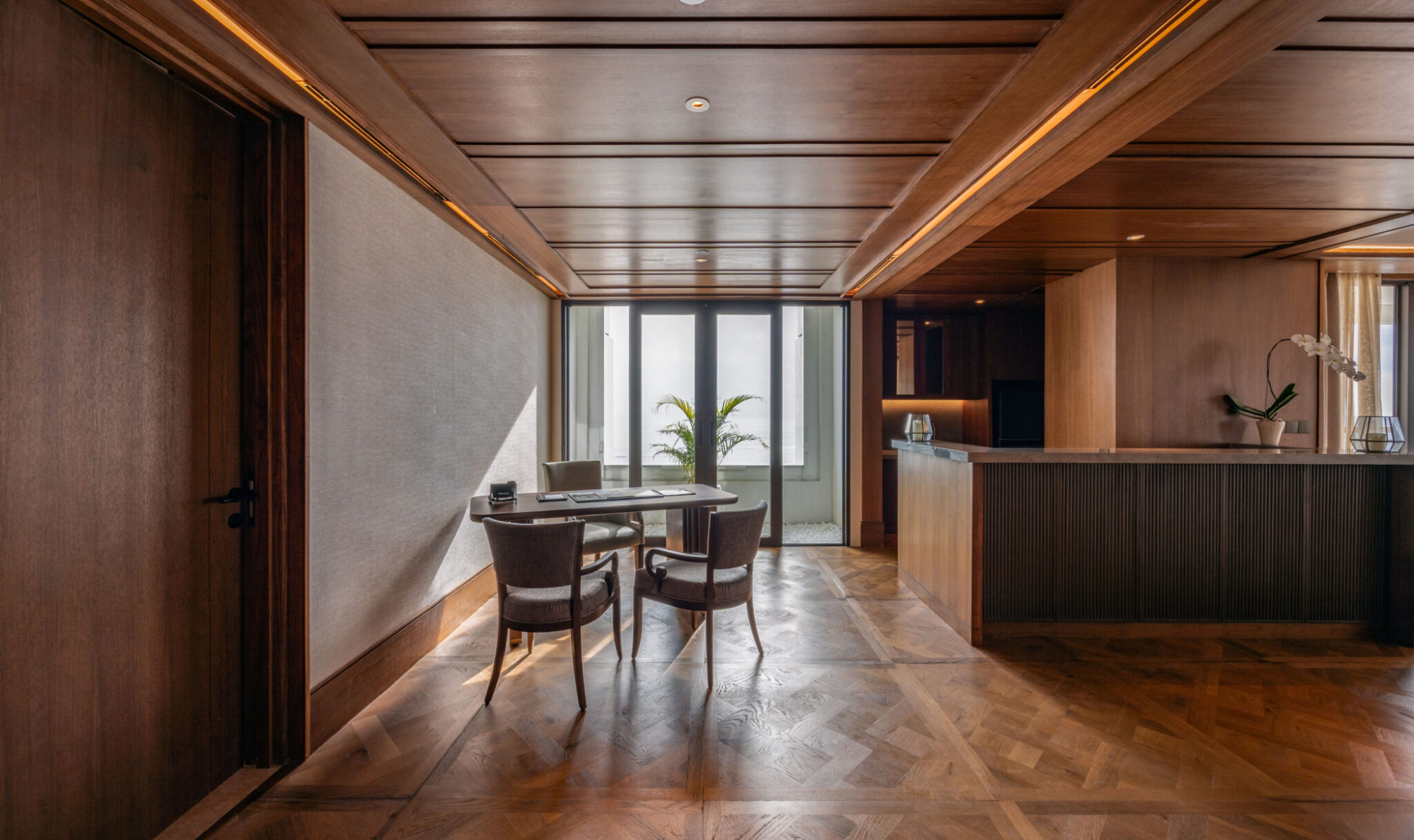
Located on the 7th floor, this 175-square-meter haven is where elegance meets the horizon. Thoughtfully designed with a separate living and dining area, it provides a refined retreat that goes beyond the ordinary. The tower’s unique location on the coast ensures that every room offers a panoramic ocean view, allowing you to wake up to the healing sunrise every morning of your stay.
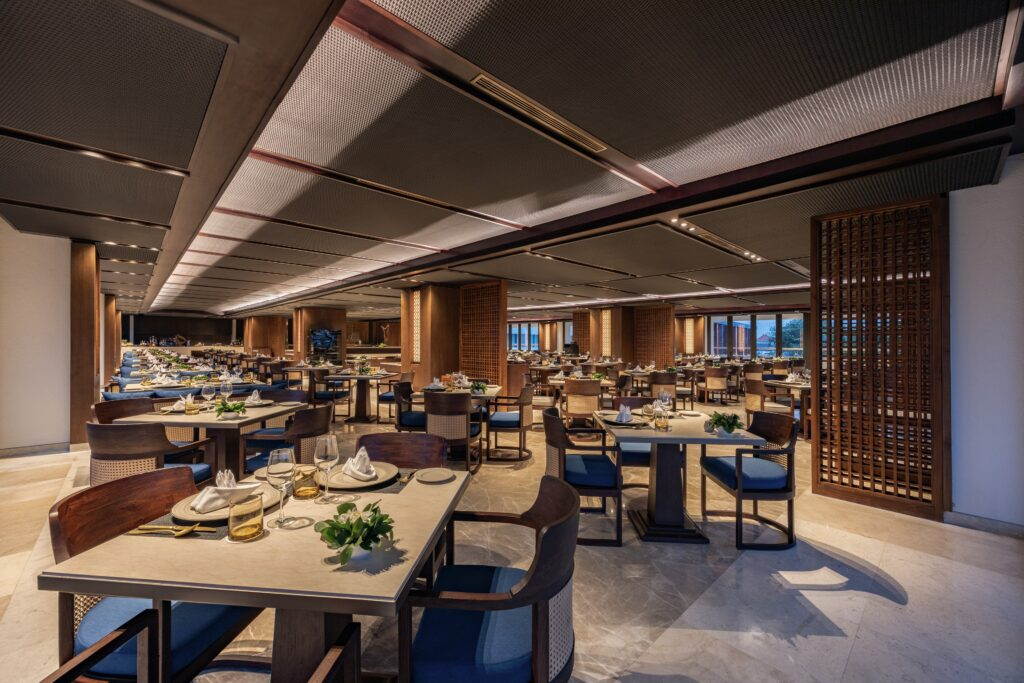
Nourishing the body is a vital part of the heritage experience. Between your temple visits, you can enjoy an authentic Indonesian dinner at Roso Restaurant. Here, we celebrate the essence of Indonesia’s best cuisine, providing a fusion of traditional dishes spanning Sabang to Merauke. For active recovery, our legendary 57-meter pool provides an expansive environment for morning laps before your next cultural adventure begins.

To make your journey even more seamless, we invite you to book our Timeless Arrival and Stay package. This exclusive offer combines a luxurious stay with a fully managed VIP airport experience via the Injourney Airport Service. From the moment you land, our professional team will handle the logistics, so you can focus entirely on the island’s spiritual and artistic wonders.
Conclusion
Sanur is not only a refined coastal destination, but also a gateway into the soul of Balinese tradition, expressed through nearby sacred architecture. From the monumental tiers of Besakih to the mystical cliff-side carvings of Gunung Kawi, Bali’s temples offer a profound path for personal discovery and reflection.
We hope this 2026 guide provides the essential context and respect required to explore these holy grounds with grace. By choosing a strategic, heritage-rich base like the Bali Beach Hotel, you ensure your island odyssey is as comfortable as it is enlightening. We look forward to guiding you through the sacred gates of the sunrise coast.
FAQs
What is the strict dress code for visiting Bali temples?
The mandatory dress code for all Bali temples involves wearing a sarong that covers your knees and a ceremonial waist sash. This applies to all visitors regardless of gender. It is also important to ensure that your shoulders are covered. This attire signals respect for the site’s sanctity and the local community.
Are menstruating women allowed to enter sacred temple grounds?
No, according to Balinese Hindu tradition, women who are menstruating are not permitted to enter the inner sanctuaries of the Bali temples. This is based on the concept of spiritual purity. While it may seem restrictive, respecting this custom is vital for maintaining harmony with the local faith and the priests who manage the sites.
Which temple is the most famous for sunset photography?
Uluwatu Temple and Tanah Lot are the two most iconic locations for sunset photography. Uluwatu offers dramatic cliff-top views and the Kecak fire dance, while Tanah Lot is famous for its stunning offshore silhouette as the sun dips below the Indian Ocean. Both sites are essential for any Bali photography itinerary.
Do I need to hire a local guide to explore these cultural sites?
While you can explore many of the Bali temples independently, hiring a local guide is highly recommended, especially for large complexes like Besakih. A professional guide provides invaluable context regarding the history, religious symbolism, and local myths that are not always visible to the naked eye. This ensures a much more educational and meaningful visit.
How can I arrange day trips to the northern temples from my hotel?
Guests staying at the Bali Beach Hotel can easily arrange day trips through our dedicated Activity Desk. We provide private resort transfers and professional local guides who can plan an efficient route to the northern lakes and highlands, ensuring you experience the cultural heart of the island with absolute ease and uncompromised luxury. Exploring Bali’s temples from a central hub like Sanur is the smartest way to make the most of your island journey.