Navigating the Island of the Gods in 2026 has become a journey of efficiency and modern luxury. Whether you are traversing the volcanic highlands or cruising the coastal boulevards, mastering the art of getting around Bali is the first step toward a seamless tropical experience. This guide provides a professional overview of the most reliable transportation options, so you can move through paradise with absolute confidence.
The Best Transportation Methods for Exploring the Island
Bali is an island of vast geographical diversity, covering approximately 5,780 square kilometers of varied terrain. Because there is no comprehensive rail system, getting around Bali relies heavily on a network of roads and sea transport. While infrastructure continues to develop in key districts, selecting the right mode of transport remains vital for your comfort and safety.

For long-distance exploration, such as moving from the southern coast to the northern waterfalls, sophisticated travelers prefer a private driver. This method offers the ultimate in flexibility and local insight.
For shorter, more spontaneous trips within a neighborhood, digital ride-hailing applications have become the standard. Meanwhile, those looking to island-hop to the Nusa archipelagos now benefit from the high-tech terminal infrastructure at Sanur Port. Understanding these nuances allows you to tailor your movements to your specific itinerary, transforming travel into an enjoyable part of the vacation itself.
Why Sanur is the Ultimate Strategic Hub for Travelers
Location is a key factor when planning your base in Bali. Sanur offers a calm and well-organized coastal setting that serves as a convenient starting point for exploring different parts of the island. Below are the primary reasons why staying on the eastern coast can simplify getting around Bali.
Easy Daily Trips to Ubud From the Eastern Coast
Sanur is the most logical starting point for those visiting the cultural heart of Ubud. Unlike the heavily congested routes from the southwest, the drive from Sanur to Ubud utilizes the efficient Eastern Bypass, typically taking only 45 to 60 minutes. This proximity allows guests to enjoy the seaside in the morning and be immersed in the rice terraces or art museums of the highlands by lunch.
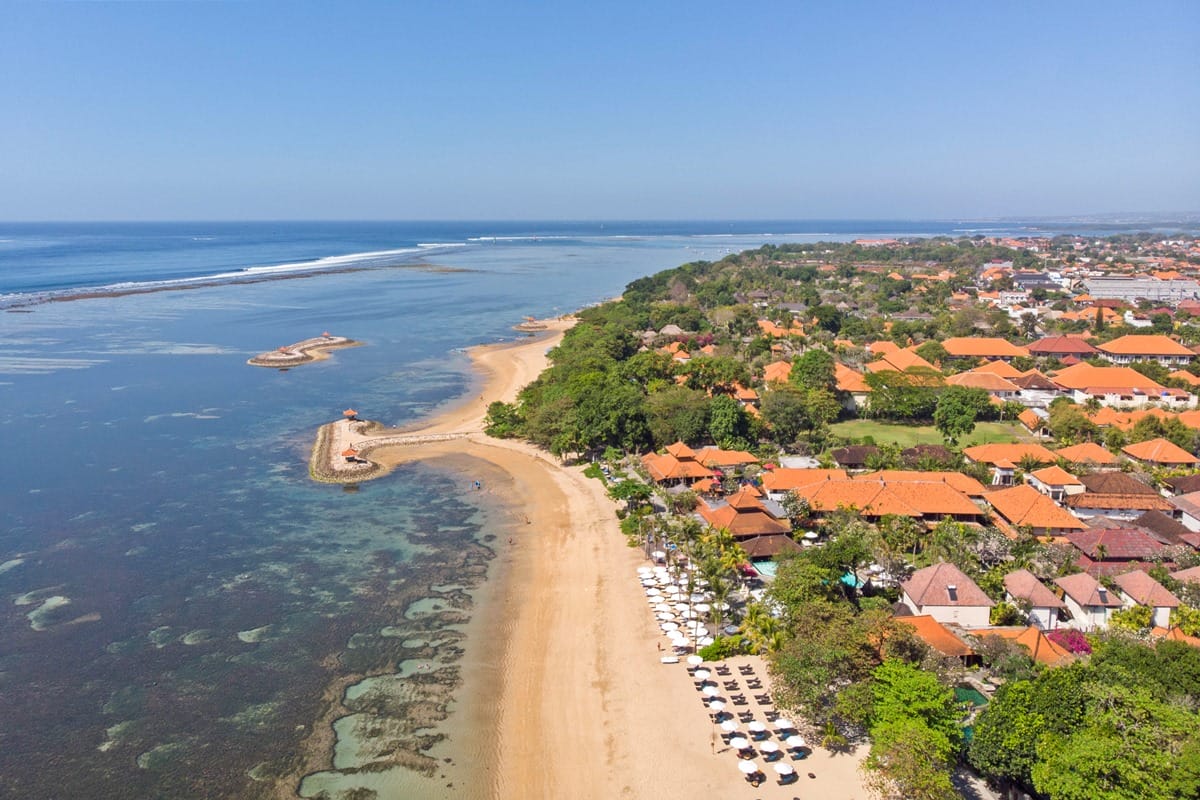
For travelers focused on getting around Bali, this route helps avoid some of the heavier traffic in central Denpasar. You can easily arrange a half-day or full-day excursion to visit the Tegalalang Rice Terraces, part of Bali’s UNESCO-listed cultural landscape, and return to the coast in time for a sunset dinner. This balance of coastal and inland experiences is a hallmark of a well-planned Balinese itinerary, and Sanur’s geographical position makes it a convenient base to achieve it.
Seamless Fast Boat Access to Nusa Penida and Nusa Lembongan
In 2026, Sanur Port stands as a monumental achievement in Indonesian maritime infrastructure. It is the primary terminal for all high-speed vessels departing for Nusa Penida and Nusa Lembongan.
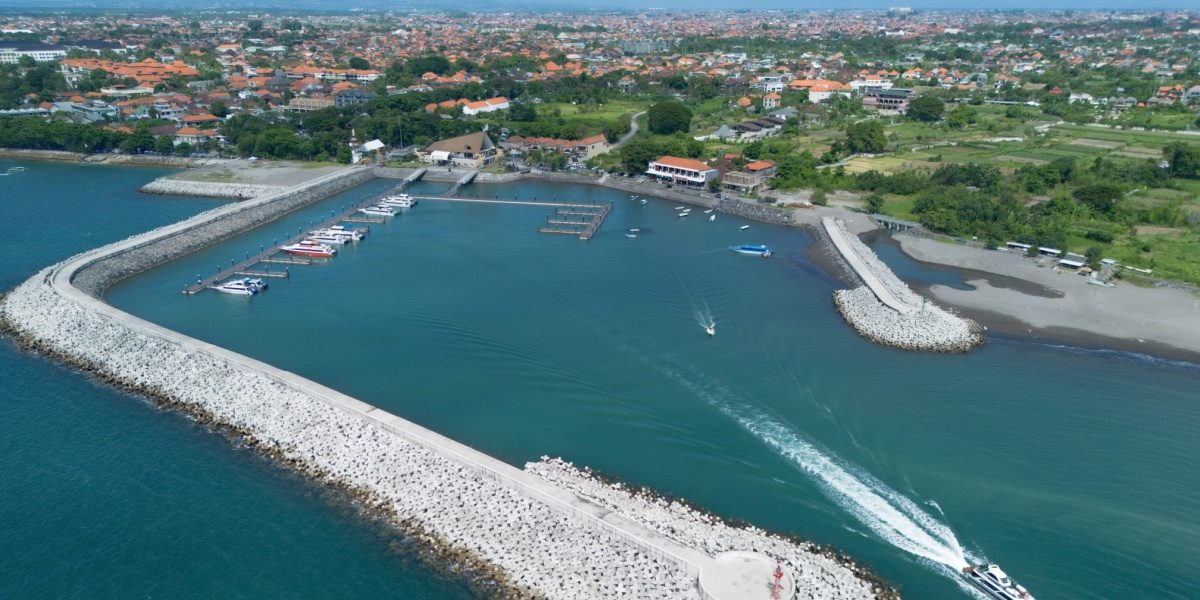
The state-of-the-art terminal features a modern passenger bridge, ensuring that guests can board their vessels without wading through the water, a feature that significantly elevates the standard of getting around Bali by sea.
The crossing to the islands typically takes around 30 to 45 minutes, with multiple departures available throughout the day depending on the operator and weather conditions. By basing yourself in Sanur, you can reduce the need for long transfers to the main departure port.
Access to Sanur Port is convenient from many beachfront resorts, though travel time may vary depending on your exact location. This connectivity makes it easier to reach the outer islands and explore their hidden coves and dramatic clifftops with minimal logistical effort.
Quick and Convenient Airport Transfers
Transit to and from I Gusti Ngurah Rai International Airport is a major consideration for any traveler. Sanur is located approximately 15 kilometers from the airport, with access via the Bali Mandara Toll Road, an overwater highway that connects directly to the Sanur bypass. Travel time typically ranges from around 25 to 45 minutes, depending on traffic conditions.

When planning your method of getting around Bali, the arrival experience in Sanur is the most sophisticated on the island. The toll road provides a visually stunning introduction to Bali, stretching over the Benoa mangroves and offering views of the volcanic peaks in the distance.
This route bypasses the dense city traffic, ensuring that your first and last impressions of the island are defined by efficiency and beauty. For guests arriving on long international flights, this quick accessibility is a highly valued luxury.
Navigating Local Transport Options
Mastering the local landscape of vehicles and applications is essential for a productive stay. Here are the most reliable ways to manage your daily transit requirements while getting around Bali in 2026.
Hiring a Private Driver for Stress-Free Sightseeing
Hiring a professional private driver is a popular option for exploring Bali in comfort. This service typically involves a full-day booking (around 8–10 hours) with an air-conditioned vehicle. Prices generally range from approximately 45 USD to 65 USD per day, depending on the vehicle type and travel distance. Inclusions can vary, so it is advisable to confirm whether fuel, parking fees, and other expenses are covered when booking.
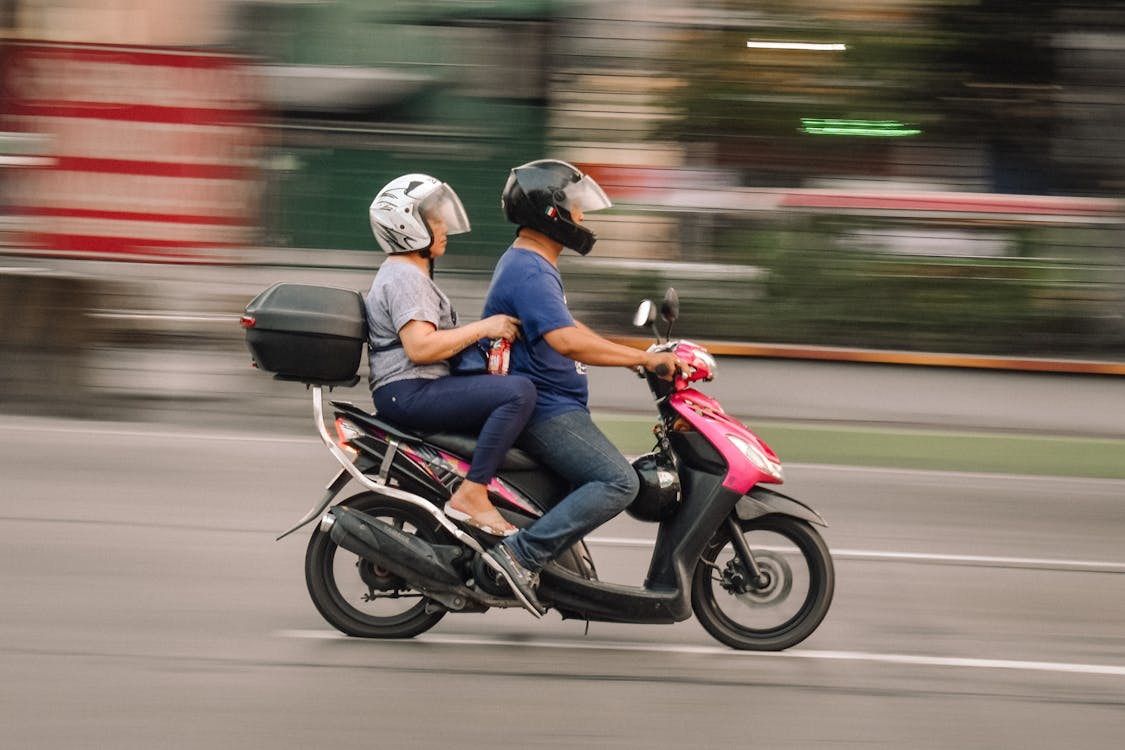
Choosing a private driver is the most effective way of getting around Bali because it removes the stress of navigation and parking. Your driver acts as a local ambassador, providing historical context and recommending the best times to visit specific landmarks to avoid crowds.
Whether you are heading to the high altars of Besakih Temple or the clifftops of Uluwatu, having a dedicated vehicle keeps your belongings secure and your schedule flexible. It is a service that embodies the Indonesian spirit of hospitality, allowing you to relax completely while the logistics are managed by an expert.
Utilizing Ride-Hailing Apps Like Grab and Gojek
For shorter distances or spontaneous errands, the applications Grab and Gojek have become indispensable tools for getting around Bali. These platforms offer both car (GrabCar/GoCar) and scooter (GrabBike/GoRide) options with transparent, fixed pricing that is displayed before you book. This eliminates the need for negotiation and ensures a high standard of accountability.

In 2026, ride-hailing apps are widely used across major areas such as Sanur and Ngurah Rai International Airport, although designated waiting areas may vary by location.
Scooter taxis are particularly effective for navigating traffic in busy areas, often costing a small fee for short distances. For the modern traveler, these digital tools provide a convenient and flexible way of getting around Bali.
Renting Scooters for Short Coastal Trips
While not recommended for long distances or inexperienced riders, renting a self-drive scooter is a popular way to explore the immediate coastal areas of Sanur. In 2026, a standard scooter rental costs approximately 6 USD to 10 USD per day. This method offers total freedom to explore the narrow side streets (gangs) and find hidden cafes that are inaccessible to larger vehicles.
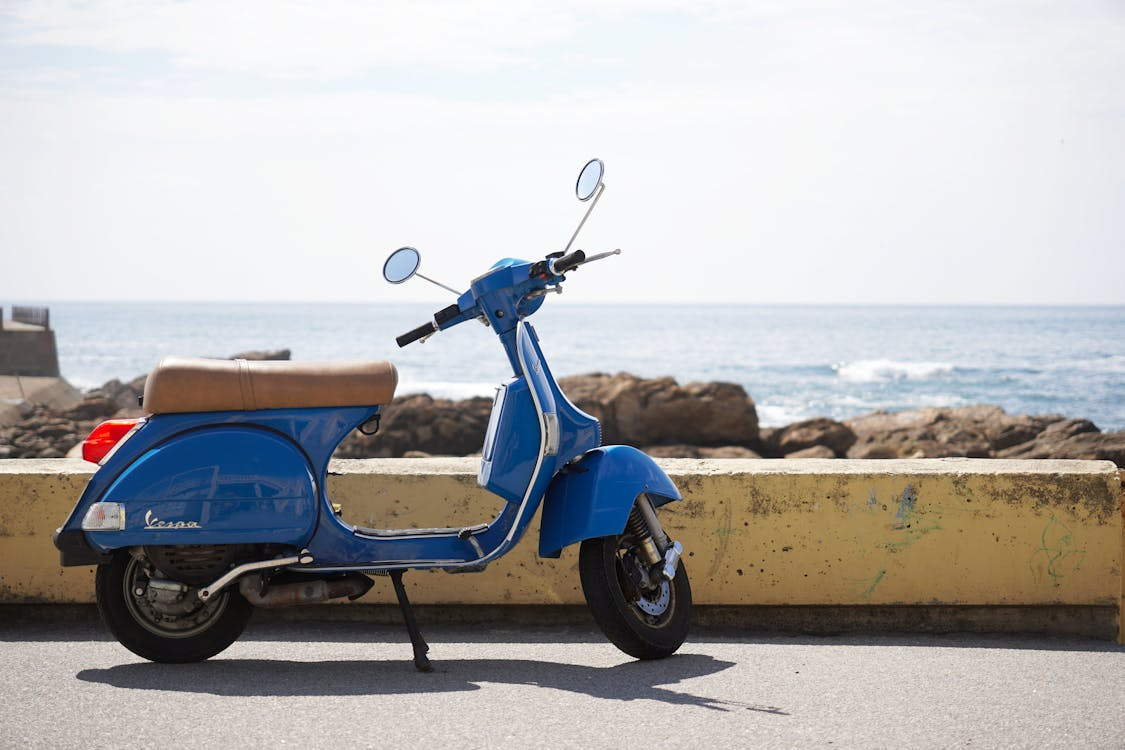
However, safety and legal compliance are paramount when riding around Bali. It is mandatory to possess a valid International Driving Permit with a motorcycle endorsement and to wear a high-quality helmet at all times.
Sanur is the best place to practice this mode of transport because the roads are flatter and less chaotic than those in the West. We suggest using scooters only for local exploration along the coastal boulevards, ensuring that your journey remains a leisure activity rather than a high-risk endeavor.
To help you decide on the most efficient base for your trip, the following table summarizes the connectivity of the island’s primary districts.
| District | Primary Benefit | Commute to Airport | Access to Ubud | Key Harbor |
| Sanur | Strategic Centrality | 25 Minutes (Toll) | 45 Minutes | Sanur Port (Nusa Islands) |
| Nusa Dua | High Security | 20 Minutes (Toll) | 90 Minutes | Benoa (Cruise Ships) |
| Seminyak | Lifestyle Access | 40 to 60 Minutes | 75 Minutes | None |
| Ubud | Cultural Heart | 75 to 90 Minutes | 0 Minutes | None |
| Uluwatu | Scenic Dramatic | 40 Minutes | 120 Minutes | None |
Essential Tips for Efficient Island Movement
To truly master the logistics of getting around Bali, a few professional considerations can significantly impact your experience. Following these guidelines will ensure your transit is as smooth as the morning tide.
Timing Your Travel to Avoid Peak Hours
Bali’s traffic patterns in 2026 follow a distinct rhythm. The morning rush generally occurs between 8.00 AM and 10.00 AM, while the evening surge begins around 5.00 PM as locals return from work and tourists head to sunset venues. To optimize your time while getting around Bali, we suggest planning your departures for either early morning (before 7.30 AM) or mid-morning (after 10.30 AM).

Early departures are especially beneficial when heading to popular sites like the Gates of Heaven or the Monkey Forest, as it allows you to arrive before the heat and the large tour buses. If you find yourself in transit during the peak evening hours, we recommend using bypass roads or the Bali Mandara Toll Road whenever possible to avoid city-center congestion.
Understanding the Right-of-Way and Local Etiquette
Driving in Bali is conducted on the left-hand side of the road, a system inherited from the Dutch colonial period. For those driving themselves, understanding the local traffic flow is often more practical than relying solely on formal signage. Traffic tends to move fluidly, with drivers using light horn signals and hand gestures to communicate. When getting around Bali, it is important to remain patient, alert, and predictable.
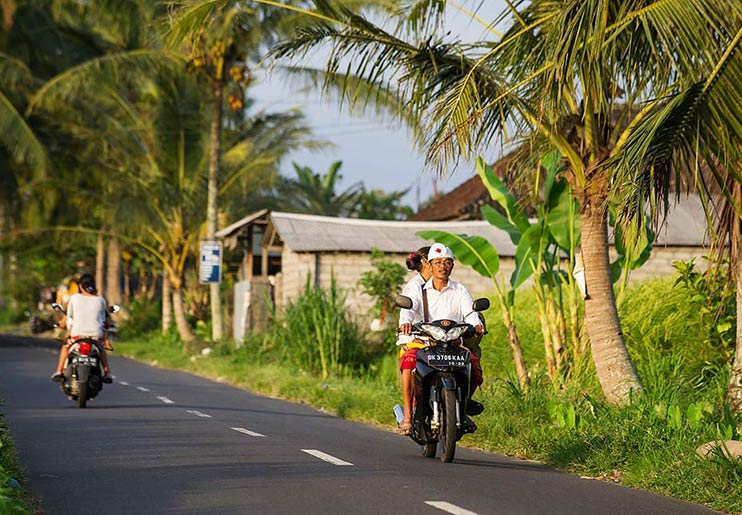
If you are using a private driver, it is customary to allow them a break for lunch or prayer during a full-day booking. This small gesture of respect is a cornerstone of Balinese social etiquette and often leads to a deeper rapport with your guide. Additionally, always carry a small amount of cash in Indonesian Rupiah for parking fees and toll road charges, which are usually not included in the standard app fare or driver base rate.
Prioritizing Official and Reputable Transportation
To ensure your security while getting around Bali, always prioritize official transportation services. Blue Bird Group remains the most trusted traditional taxi operator on the island, identifiable by its light blue vehicles and functional meters. For airport transfers and long-distance trips, booking through your luxury resort’s concierge is the most reliable method.
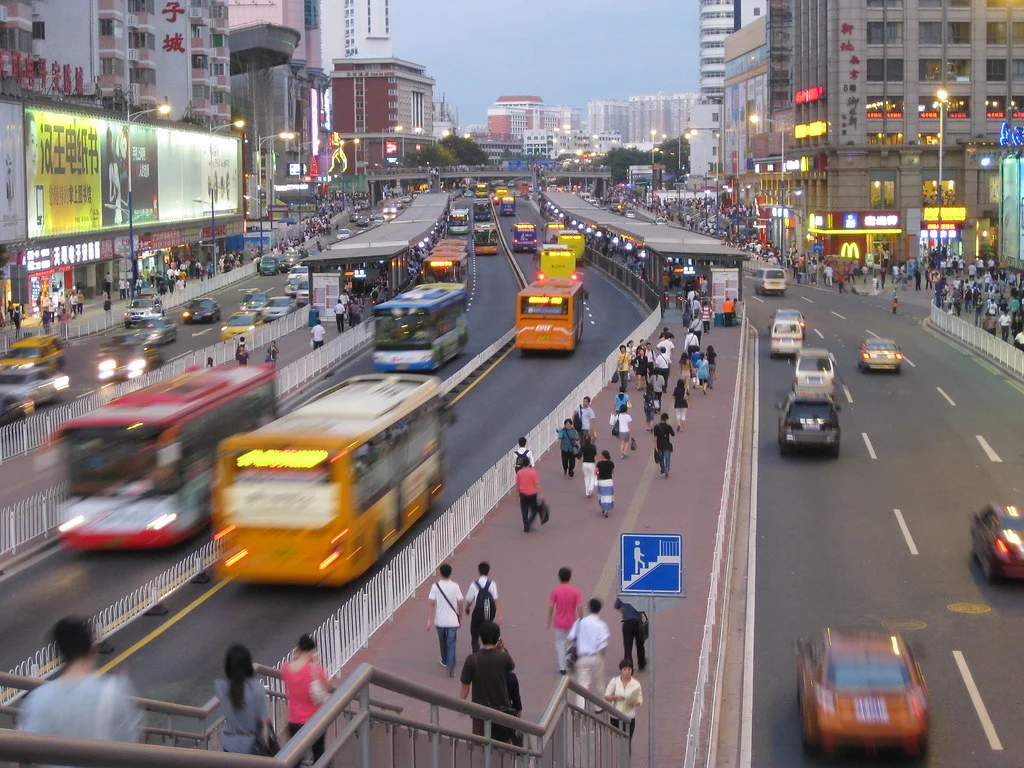
Avoid the solicitations of freelance drivers in the arrivals hall or on the street, as these are often unregulated and may lack proper insurance or fixed pricing. By using established platforms like Grab or the dedicated car services provided by The Bali Beach Hotel, you ensure your driver has been vetted and your journey is tracked via GPS.
Where to Stay for Seamless Travel and Island Exploration
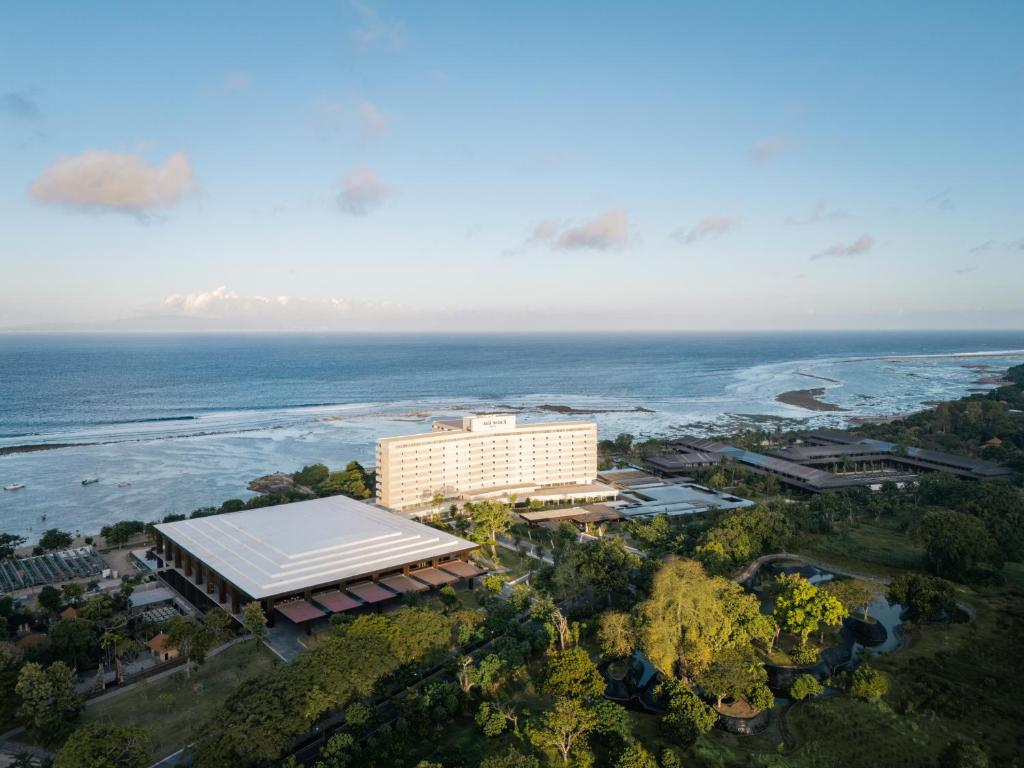
Choosing the right base camp significantly reduces travel fatigue. The Bali Beach Hotel is ideally positioned in a highly accessible coastal hub. With the harbor just minutes away for island-hopping and direct road access to the cultural heart of Ubud, it is the smartest and most comfortable starting point for your daily adventures.

As a monumental icon of Indonesian progress and a member of The Heritage Collection, the hotel serves as a cultural diplomat, providing a majestic environment that honors the nation’s history and artistry on a grand scale.
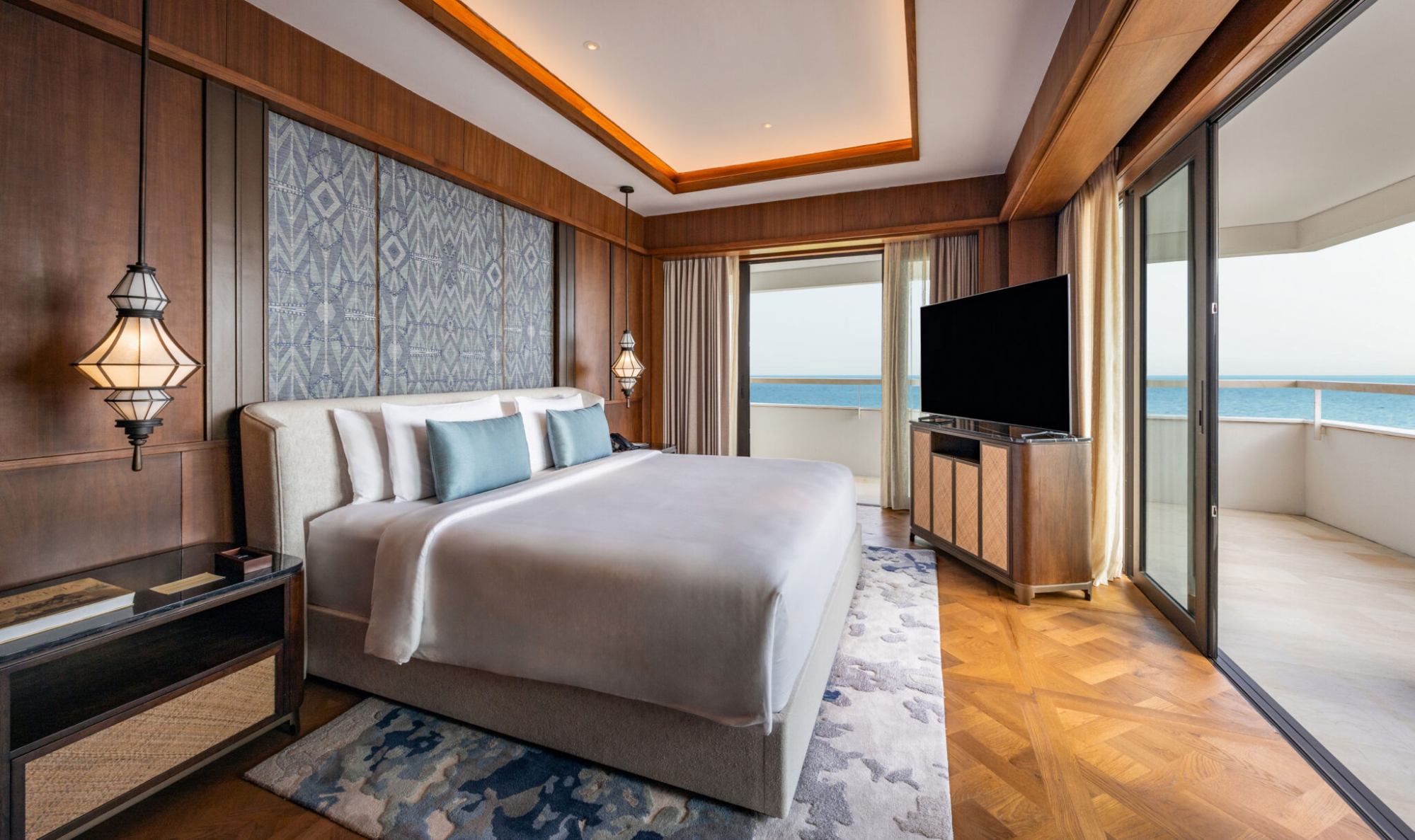
Our suite collection is engineered to provide an unparalleled balance of space, comfort, and breathtaking views. The Bali Beach Suite, situated on the 7th floor, is an elevated 175-square-meter sanctuary where elegance meets the stunning sunrise views of the coastline.
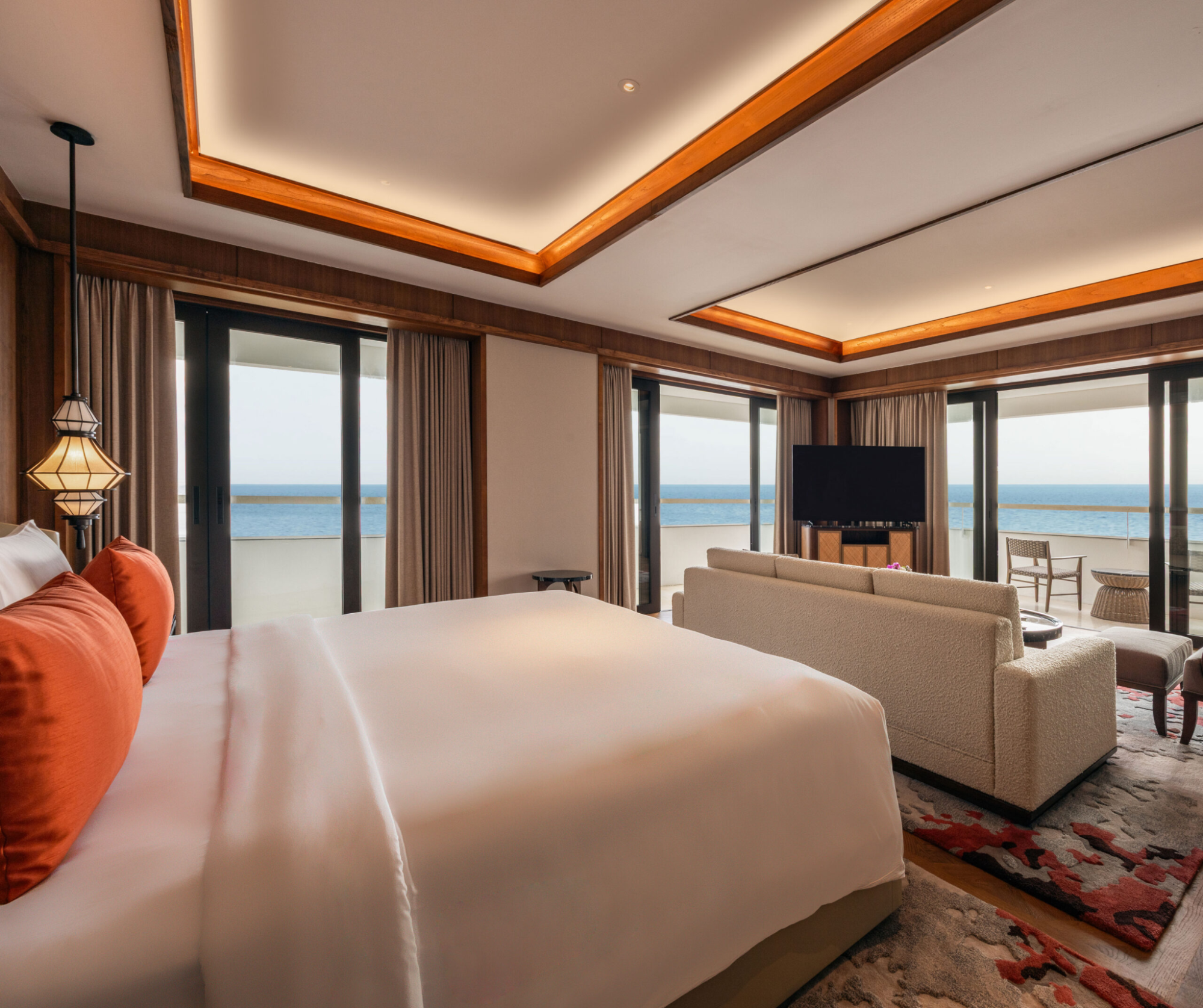
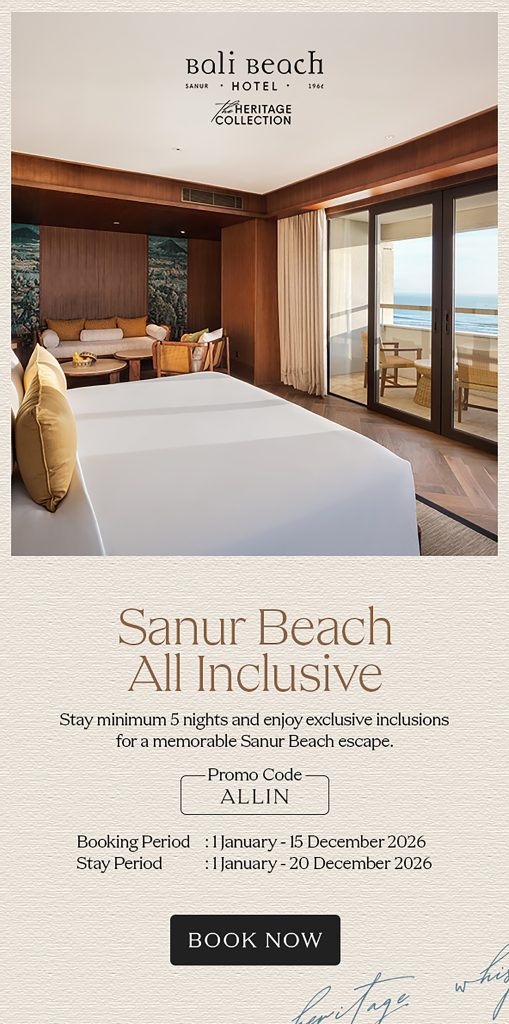
Thoughtfully designed with a separate living and dining area, this suite offers a refined retreat that goes beyond the ordinary. For those requiring the absolute highest standard of opulence, the Presidential Ocean View Suite spans a magnificent 380 square meters. Every room in this historic tower offers ocean-facing views, so you can wake up to the healing light of the Indian Ocean every morning.
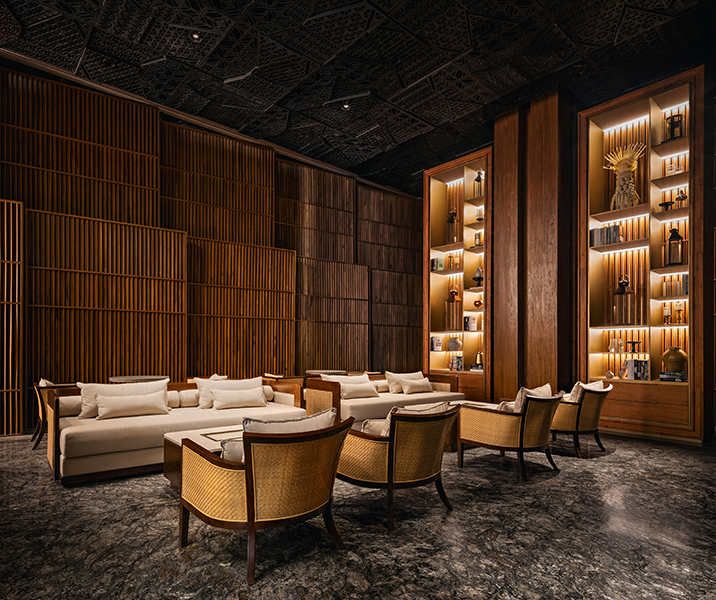
Between your excursions, the Sutasoma Lounge provides an exclusive library ambiance for quiet recovery. This refined space is ideal for reviewing your travel photos or planning your next day of getting around Bali over a heritage cocktail.
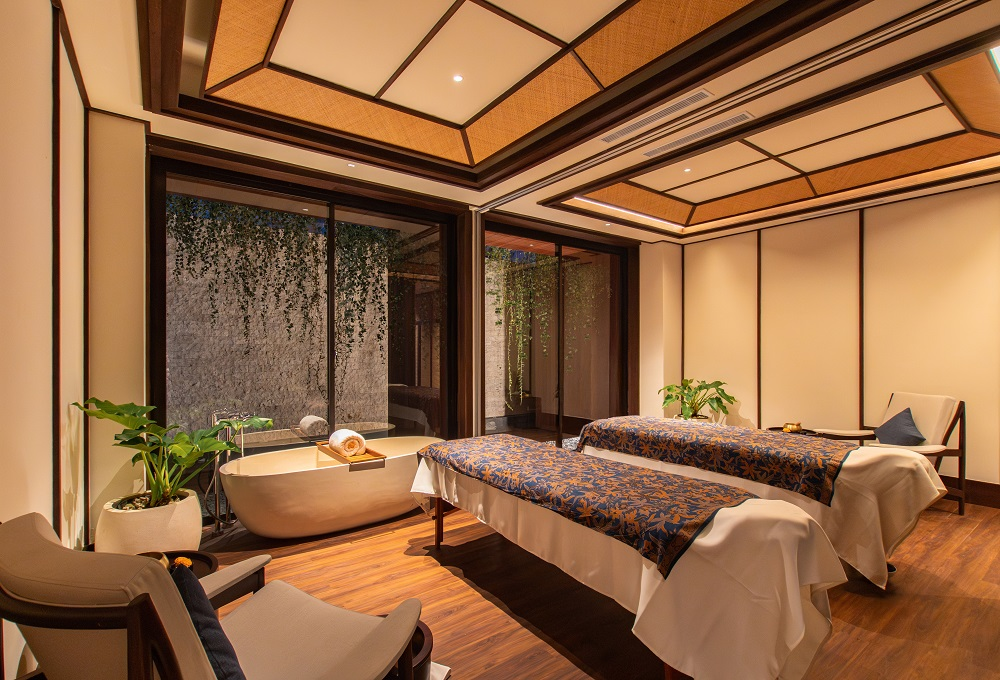
If your exploration has been physically demanding, a visit to the premium spa next door is essential. The Taru Pramana Spa & Wellness center offers rituals inspired by ancient manuscripts, such as the Jala-Guna Herbal Poultice Massage, designed to soothe tension and restore energy balance after a day of sightseeing.

To make your upcoming journey even more complete and worry-free, we invite you to book the Timeless Arrival and Stay package. Elevate your stay at Bali Beach Hotel with a package designed for total convenience with Injourney Airport Service.
This exclusive offer combines a luxurious two-night stay with a fully managed VIP airport experience. From the moment you exit the aircraft, our professional team will handle the logistics, including expedited immigration and luggage assistance, while you focus on unwinding. It is the definitive way to begin your Balinese odyssey with grace and monumental style.
Detailed Information
- Address: Jalan Hang Tuah, Sanur Kaja, Denpasar Selatan, Bali 80227, Indonesia
- Phone Number: +62 361 201 2000
- Reference Price: From approximately 250 USD to 650 USD per night depending on suite type
- Google Review: 4.8/5
Conclusion
Navigating the Island of the Gods is an art form that requires a balance of local knowledge and modern convenience. By understanding the various ways to get around Bali, from the unparalleled luxury of a private resort transfer to the speed of the new Sanur Port, you empower yourself to experience the true breadth of this destination.
We hope this 2026 guide ensures that your movements across the island are as restorative and significant as the locations you visit. Let the historic sunrise coast of Sanur be the starting point for your next great island adventure, where every road leads to a new discovery and every journey honors the spirit of Bali.
FAQs
What is the safest way of getting around Bali for first-timers?
The safest and most reliable option for newcomers is to hire a professional private driver through your resort. This ensures you have a vetted guide, a safe vehicle, and fixed pricing, eliminating the risks associated with navigating unfamiliar roads and local driving customs.
Are metered taxis easy to find near major resorts?
Yes, Blue Bird taxis are the most reputable metered options and are widely available near all major luxury properties. However, in 2026, most travelers prefer the convenience of ride-hailing apps or pre-arranged resort car services for a more seamless and transparent experience.
How long does it take to travel from Sanur to Ubud?
Under normal traffic conditions, the drive from Sanur to the center of Ubud typically takes 45-60 minutes. This efficient commute makes Sanur the most strategic coastal hub for those planning frequent cultural excursions to the highlands.
Do I need an international license to rent a scooter?
Yes, it is legally mandatory to possess a valid International Driving Permit (IDP) with a motorcycle endorsement to operate a scooter in Bali. Additionally, your travel insurance will often only cover you if you are licensed correctly and wearing a helmet while getting around Bali.
Where do the fast boats to Nusa Penida depart from?
The primary departure point for all fast boats to Nusa Penida and Nusa Lembongan is the Sanur Port terminal. This newly developed facility provides the most sophisticated boarding experience on the island, featuring a sheltered passenger bridge and a modern arrival lounge. Mastering getting around Bali by sea starts here.