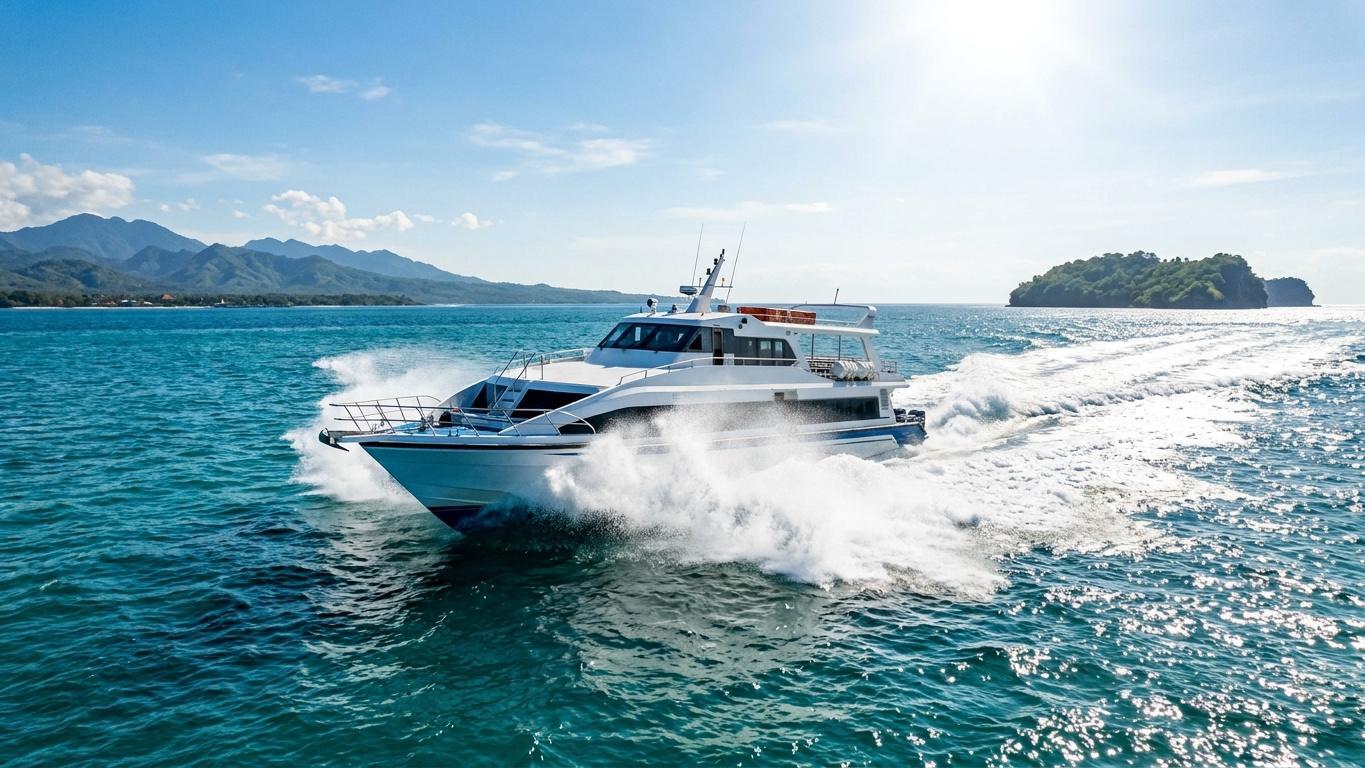
You genuinely don’t need a full day set aside just to get between Nusa Lembongan and Bali. The crossing itself takes about 30 minutes on a fast boat that runs more than a hundred times a week between the two islands. What actually eats up time is the part most guides skip: knowing which port to use, which operator to book with, and how early to show up. Here is the full picture of the Nusa Lembongan-to-Bali route in both directions.
Where Boats to and from Nusa Lembongan Depart
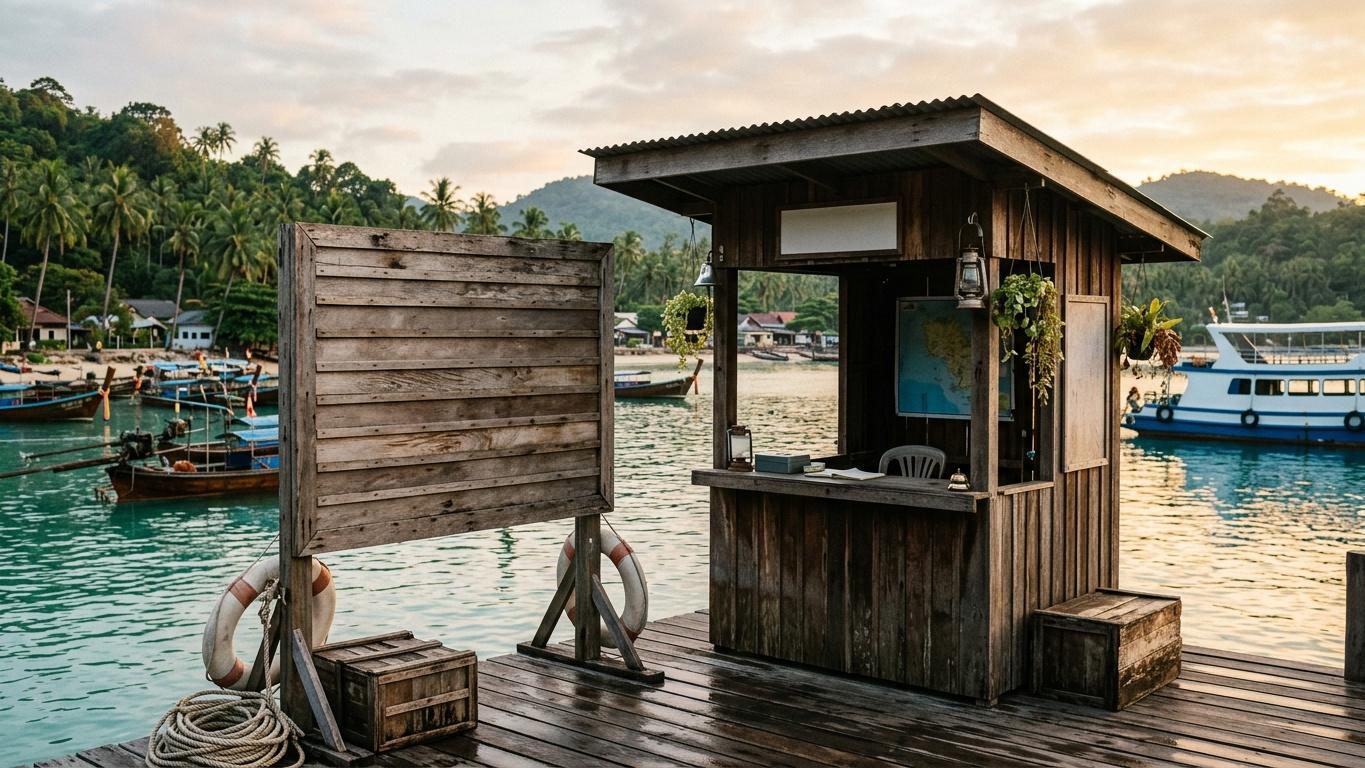
Nearly every fast boat running the Nusa Lembongan to Bali route uses Sanur Harbour as its mainland terminal, on the southeastern coast of Bali. On the Nusa Lembongan side, boats dock at one of three points: Jungut Batu, the island’s main beach and busiest landing; Mushroom Bay, a quieter cove favored by a few specific operators; or the Rocky Private Harbour, used by select premium fast-boat companies.
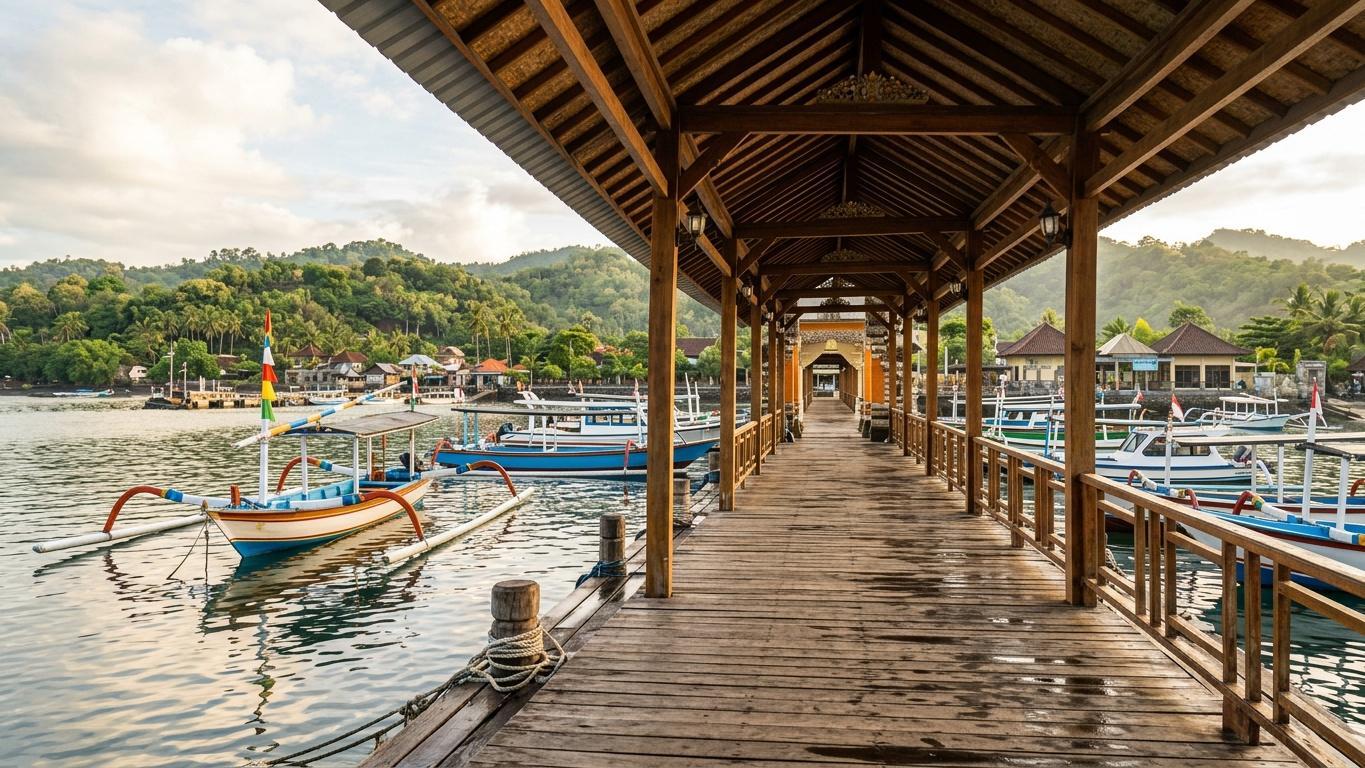
Sanur Harbour itself sits inside a modern, purpose-built terminal with dry boarding via covered piers and gangways, a real improvement over the wade-out-to-a-boat crossings some travelers remember from Bali’s smaller ports. Multiple operators operate out of the same terminal, so it’s worth confirming which specific pier a booked ticket departs from rather than assuming a single central gate covers everyone.
Understanding this Sanur-centric setup is really the whole trick to a smooth Nusa Lembongan to Bali trip in either direction: almost every operator, every schedule, and every price point runs through this same terminal, so getting comfortable with Sanur Harbour once pays off on both the outbound and return legs.
Ferry Schedule: Sanur to Nusa Lembongan
Crossings run year-round, with over 10 daily departures spread throughout the day, though exact times vary by operator and season. A representative daily schedule looks like this.
| Direction | Typical Departure Times | Crossing Time |
|---|---|---|
| Sanur to Nusa Lembongan | 8:30, 9:30, 10:30, 1:30 PM, 3:00 PM | About 30 minutes |
| Nusa Lembongan to Sanur | 8:00, 8:30, 12:30 PM, 3:30 PM, 4:00 PM | About 30 minutes |
Treat any published schedule, including this one, as a starting point rather than a guarantee. Operators adjust departure times seasonally and around weather, so confirming the exact time directly with the ferry company or a booking platform a day or two before travel is worth the extra step.
Because sailings run this frequently in both directions, most travelers planning a Nusa Lembongan-to-Bali itinerary don’t need to build their whole day around a single fixed departure. Missing one sailing usually just means catching the next one an hour or two later rather than losing the day entirely.
How Much Does the Ferry Cost?
One-way fast boat tickets between Sanur and Nusa Lembongan generally cost IDR 150,000 to 250,000 (roughly $10 to $16 USD), with an average closer to $16 USD, depending on the operator and how far in advance a ticket is booked. Return tickets bought together sometimes come at a small discount over two separate one-way fares.
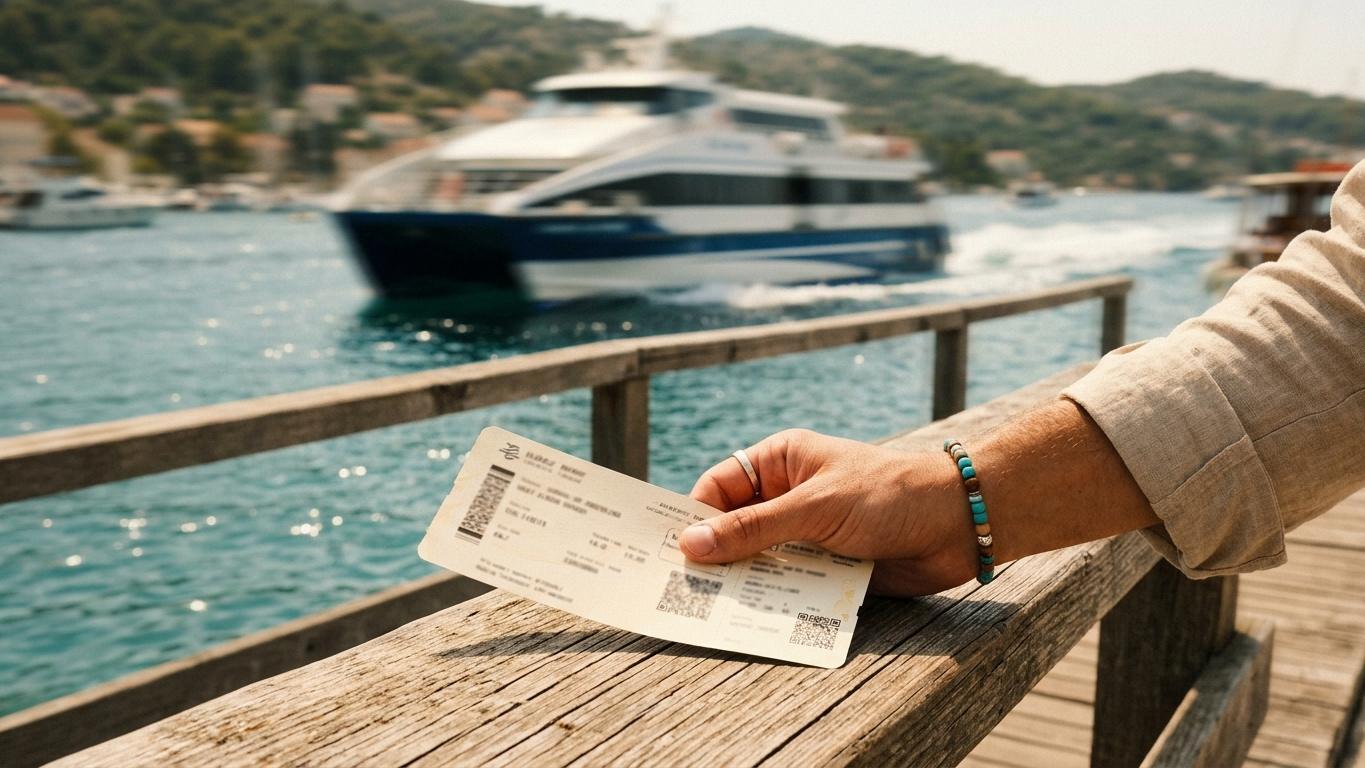
Premium or VIP-tier tickets on some operators cost more, generally in the $20 to $25 USD range, and typically include reserved seating, extra legroom, or priority boarding. For most travelers making the crossing once in each direction, the standard fare covers the trip comfortably without needing an upgrade.
Total cost for a Nusa Lembongan-to-Bali round trip, booked in both directions with a mid-range operator, typically lands somewhere between $20 and $32 USD per person, making it one of the more reasonably priced inter-island crossings in the region for what amounts to a genuinely scenic half-hour ride each way.
Comparing Ferry Operators on the Nusa Lembongan to Bali Route
Several fast-boat companies run this specific route, each departing from a slightly different set of ports and offering its own schedule. Marlin Fast Boat, Rocky Fast Cruise, Tanis Fast Cruise, D’Camel Fast Ferry, and Arthamas Express are among the more established names, most departing from Sanur Harbour and arriving at either Jungut Batu or Mushroom Bay depending on the company.
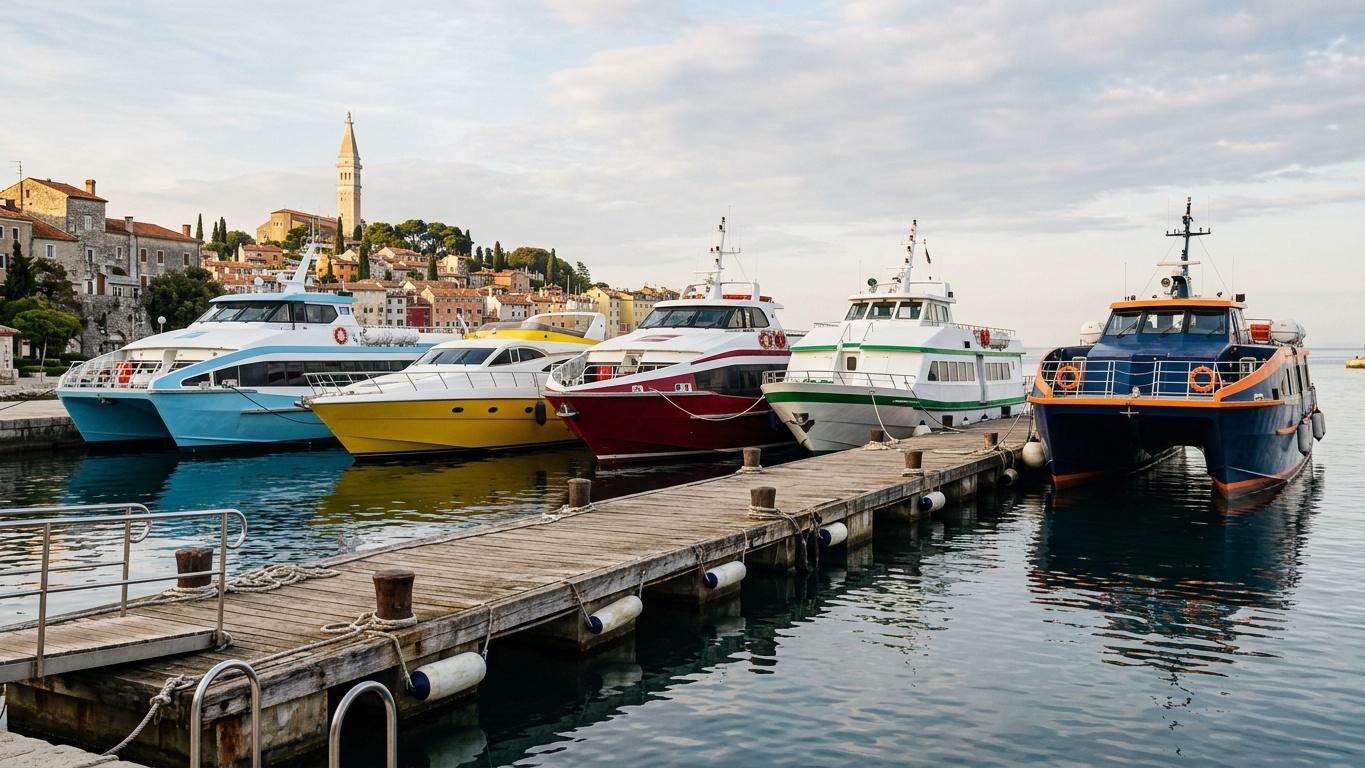
Boat size and capacity vary too, from smaller craft carrying a few dozen passengers to larger vessels running well over a hundred per crossing. A smaller boat isn’t necessarily a worse choice; some travelers actually prefer the shorter boarding queue and more personal feel, but it does mean fewer available seats on any given sailing, which is worth factoring in during peak-season planning around a specific date.
None of these operators differ dramatically in crossing time or basic service, since they’re all covering the same 30-minute stretch of water. The real differences come down to the departure port on the Lembongan side, the exact schedule, and whether a specific sailing happens to line up with a traveler’s plans that day, which makes checking a few options before booking worth the extra five minutes.
Booking platforms that list several operators side by side for the Nusa Lembongan-to-Bali route make this comparison faster than checking each company’s site individually, and most allow filtering by departure port, time, and price in a single view.
Booking Tickets in Advance vs on the Day
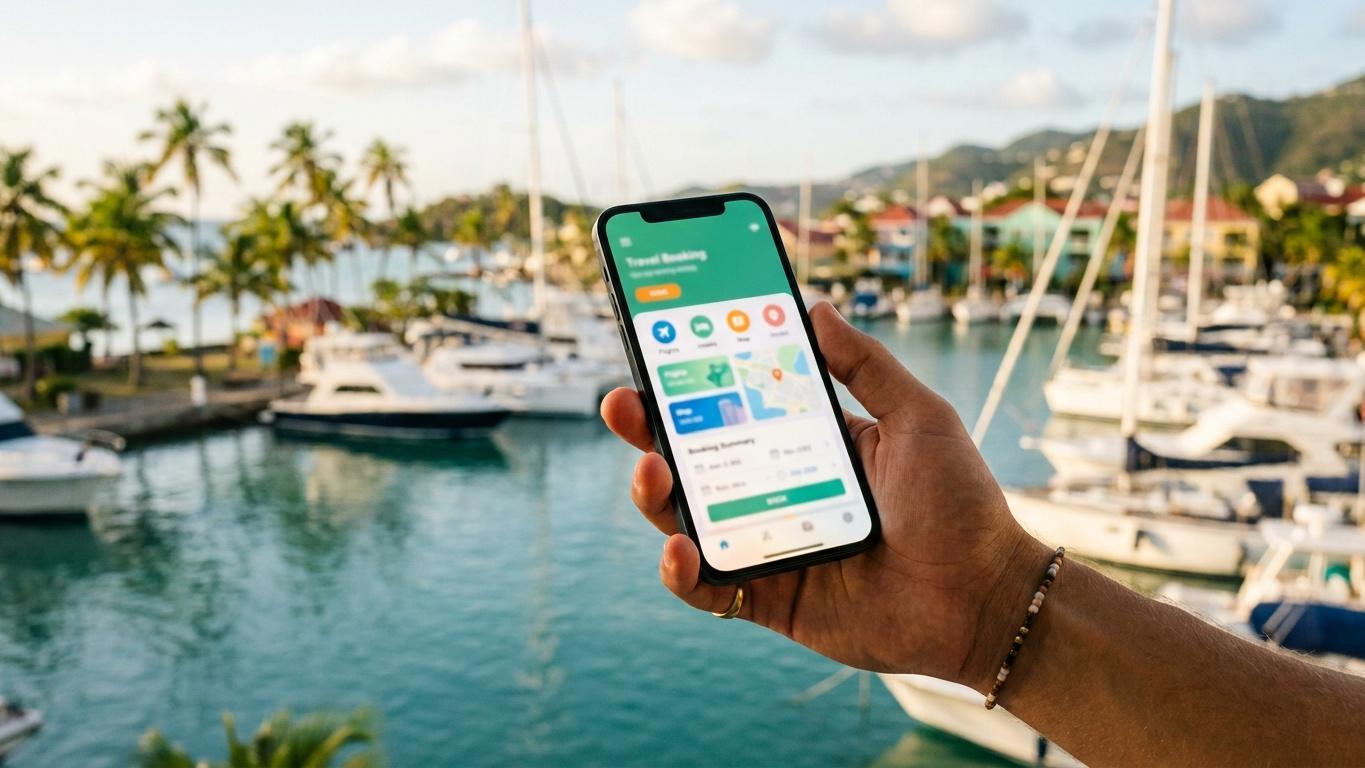
Same-day tickets are usually available at Sanur Harbour’s ticket counters for the Nusa Lembongan to Bali route, especially outside peak season, but booking online a day or more ahead removes the risk of a sold-out sailing and often costs the same or only slightly more than a walk-up fare. Most operators’ websites and third-party ferry booking platforms accept online payments and issue digital tickets or QR codes.
During July, August, and the December-January holiday stretch, popular midday sailings can genuinely sell out a day ahead, particularly on the smaller, more premium boats running out of Mushroom Bay or Rocky Harbour. Booking earlier in the day or earlier in the trip gives more flexibility if a first-choice sailing isn’t available.
Group bookings, families, or groups of five or more traveling together generally benefit most from booking ahead, since finding that many seats together on a walk-up basis gets harder the closer a sailing gets to full capacity.
Nusa Lembongan vs Nusa Penida: Don’t Mix Them Up
Nusa Lembongan and Nusa Penida are separate islands with separate ferry networks from the Bali mainland, even though both fall under the same Nusa Penida district and both are commonly reached via Sanur Harbour.
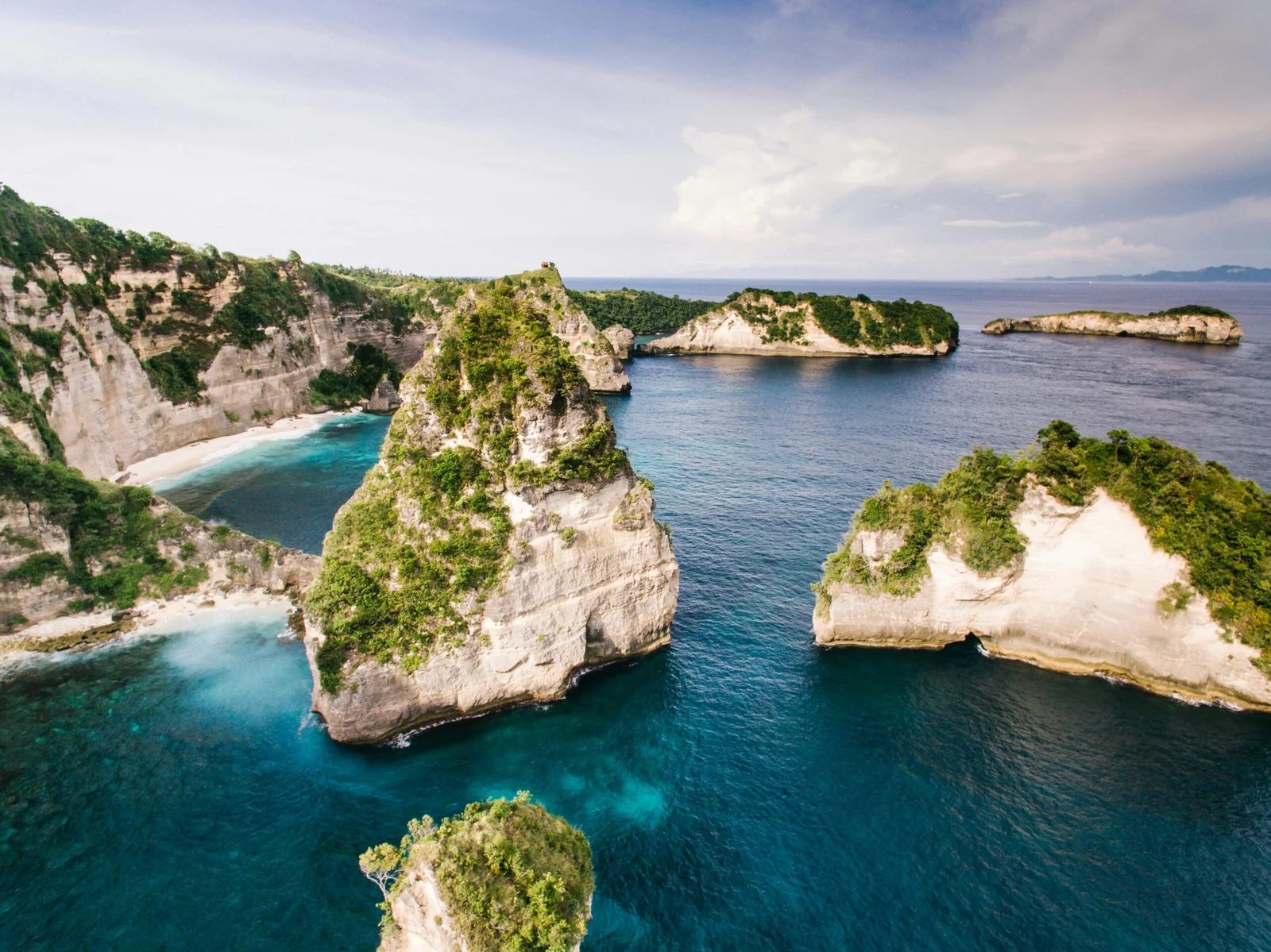
Nusa Lembongan connects instead to its smaller neighbor, Nusa Ceningan, by a short pedestrian and scooter bridge painted bright yellow, not to Nusa Penida, which requires its own separate sea crossing entirely.
A ticket booked for the Nusa Lembongan to Bali route generally will not land at the same port or with the same operator as a Nusa Penida crossing, so double-checking the exact island name on a ticket confirmation matters more than it might seem.
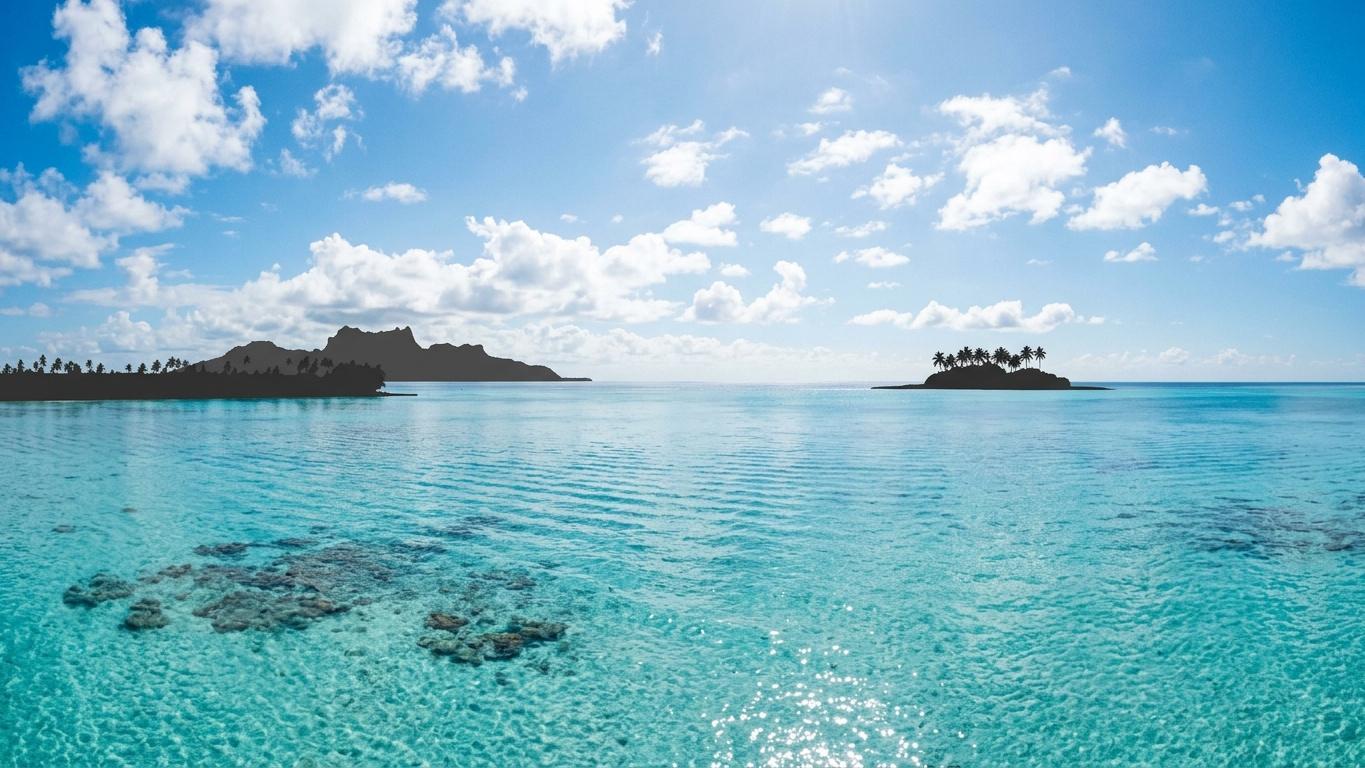
Sanur Harbour serves both islands, which is part of where the confusion comes from, but the specific boat, port, and sometimes company differ. Reading a booking confirmation carefully, rather than assuming any Sanur-departing boat covers both islands, avoids a genuinely common and avoidable mix-up.
What to Expect at Check-In
The process breaks down into a few distinct stages, worth knowing ahead of an early-morning departure.
Arrival Timing
Arrive at Sanur Harbour at least 45 to 60 minutes before a scheduled departure. Most operators require check-in a full hour ahead, and that window covers ticket confirmation, luggage handling, and finding the correct gate among the terminal’s several operators.
Luggage Allowances and Handling
Luggage allowances vary by company but generally sit around 20 to 30 kg per passenger for one or two pieces. Packing light, or leaving a larger suitcase at a hotel and bringing only a smaller bag for the Lembongan side of the trip, makes the whole embarkation process noticeably smoother than hauling full luggage down a gangway.
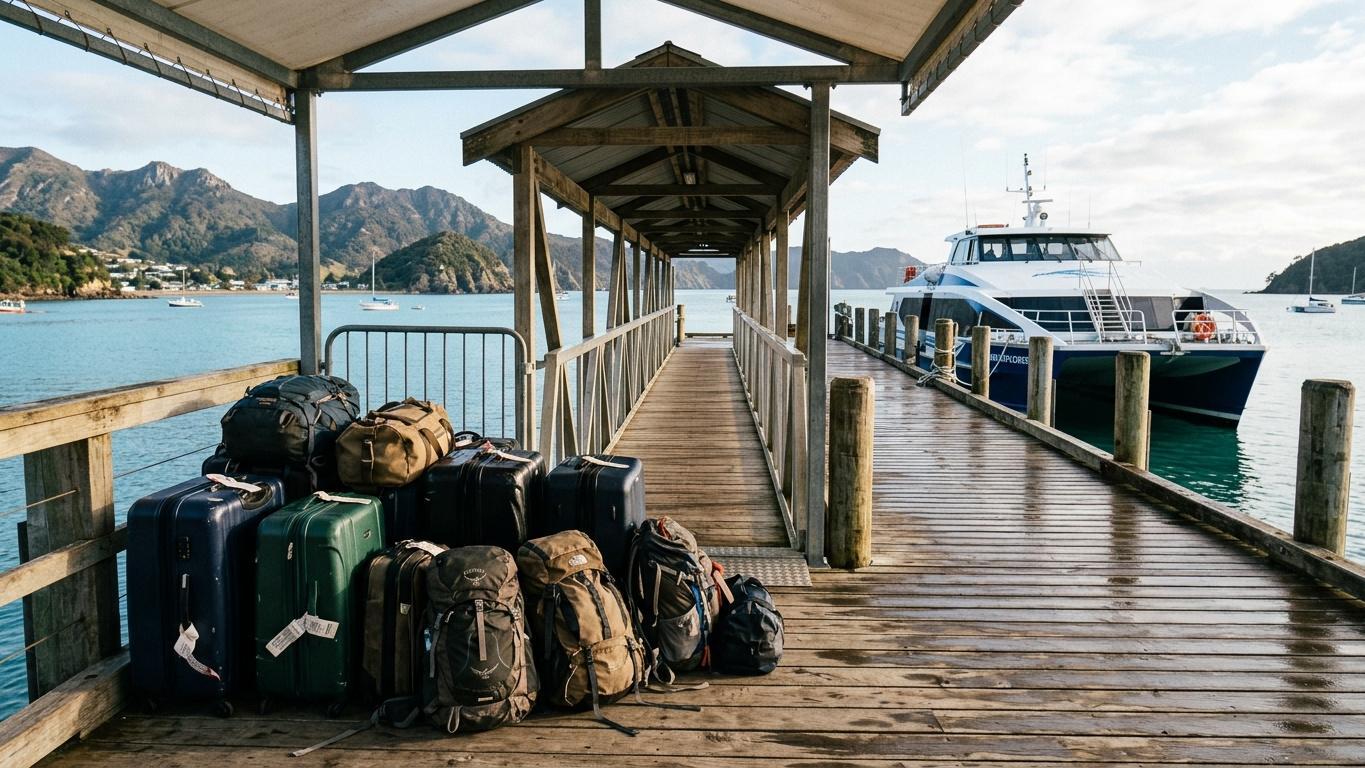
Staff at the terminal handle luggage loading directly, carrying bags from the check-in counter to the boat itself, which is standard practice rather than something to arrange separately. A small tip for porters handling larger or heavier bags is appreciated though not strictly required, and most travelers find a few thousand rupiah per bag is a reasonable, welcome gesture.
Boarding and Life Jackets
Boarding occurs via a covered gangway rather than wading through the water, a genuine improvement over older-style beach launches still used at some of Bali’s smaller departure points. Life jackets are provided on board and generally required to be worn or kept accessible for the entire duration of the crossing, even on a calm day.
Tips for a Smooth Crossing
Most of what makes a Nusa Lembongan-to-Bali crossing feel smooth comes down to small, easy-to-forget preparations rather than anything about the boat itself. A few habits cover nearly every common hiccup travelers run into.
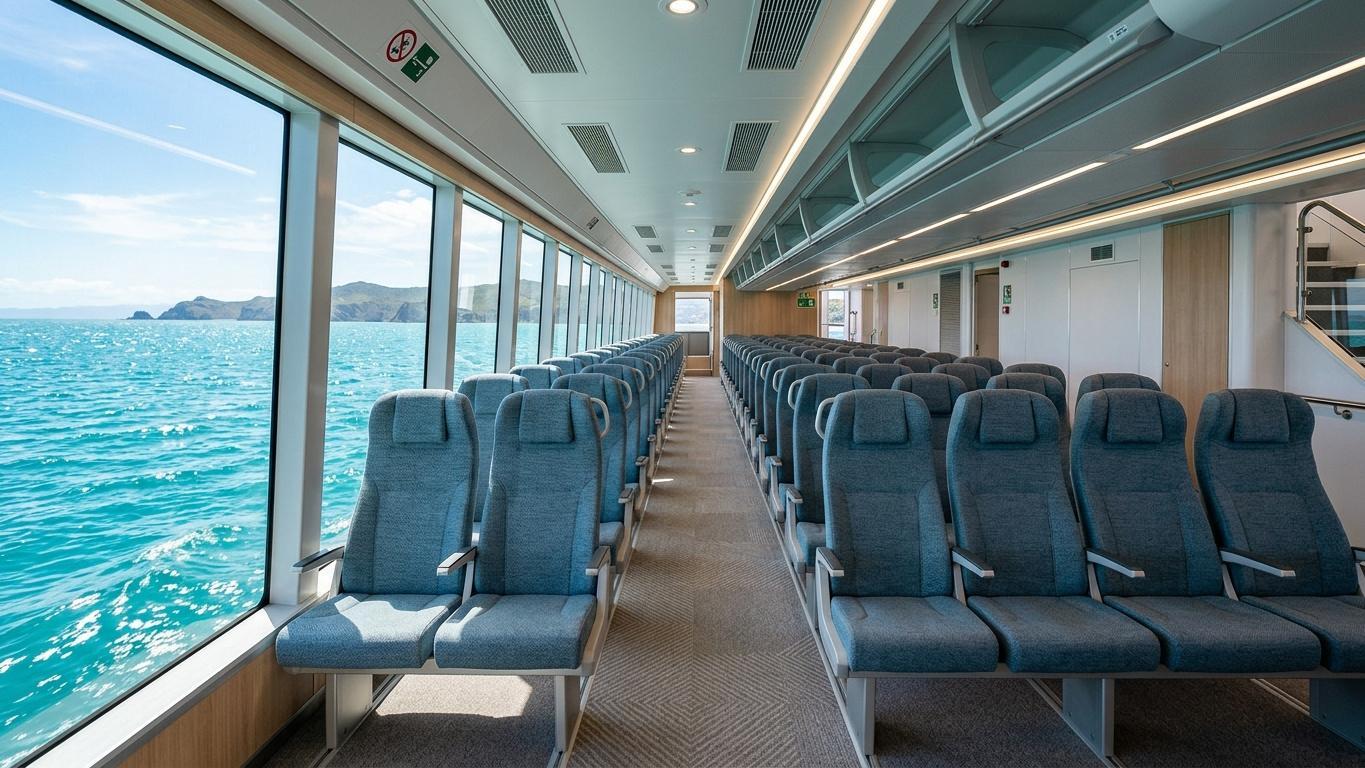
- Book a day or two ahead during July, August, and the December-January peak season, when popular sailing times can sell out.
- Sit toward the middle or back of the boat if prone to seasickness; the front takes the most impact from waves.
- Take motion sickness medication about an hour before departure if needed, rather than waiting until symptoms start.
- Expect rougher water and a higher chance of delay during the wet season, roughly December through February.
- Keep valuables and travel documents in a dry bag or waterproof pouch; spray over the bow is common even on calm days.
- Double-check the exact departure port on a printed or digital ticket before leaving a hotel; several operators share the same general harbour area but use different specific piers.
None of these tips require special preparation or gear beyond what most travelers already pack for a beach-focused trip to Bali. The crossing is short enough, and the terminal infrastructure modern enough, that the biggest risk to a smooth trip is usually just under-planning the timing rather than the boat ride itself.
The Return Crossing: Nusa Lembongan to Bali
The return leg from Nusa Lembongan to Bali runs the same 30-minute crossing on the same operators, departing from whichever port, Jungut Batu, Mushroom Bay, or Rocky Harbour, matches the outbound booking. Many travelers book both legs with the same company specifically to keep pickup and check-in consistent on both ends.
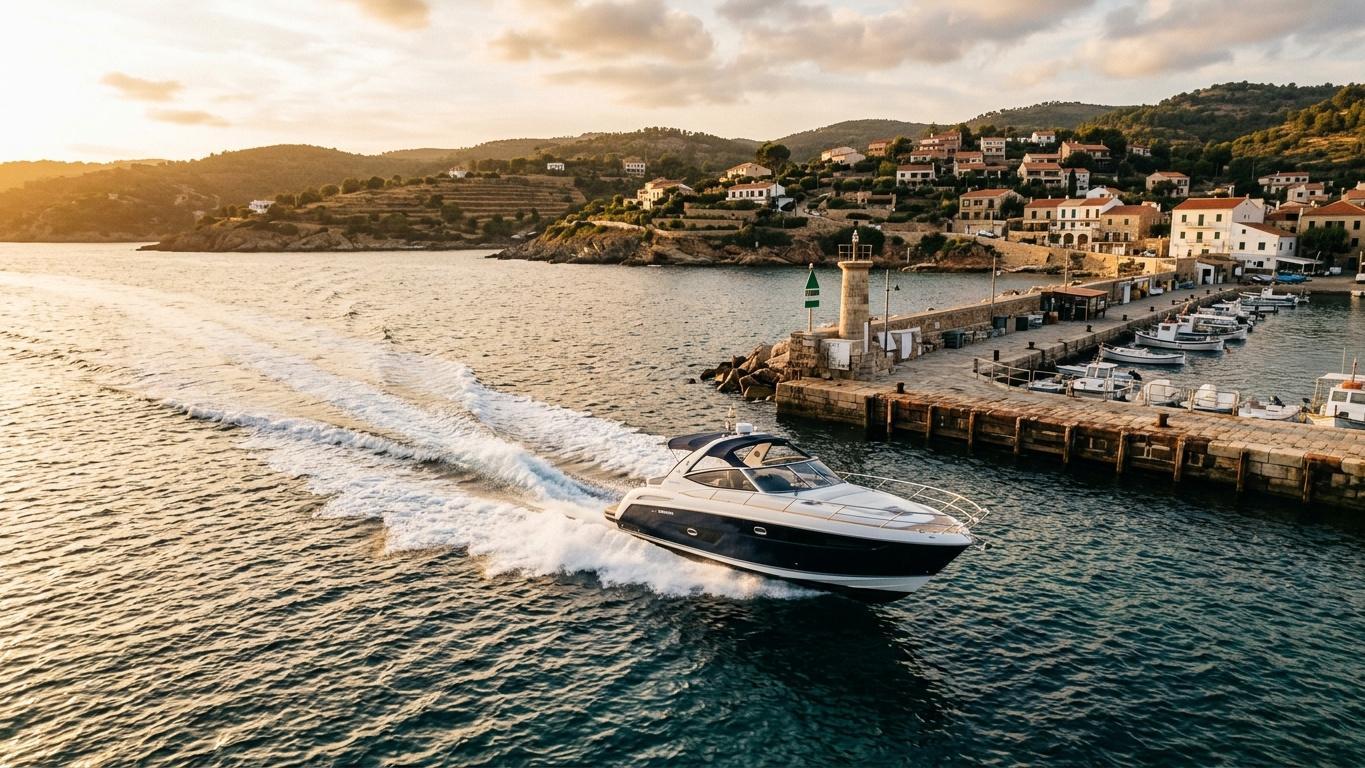
Confirming the return time a day before departure matters more on this leg than the outbound one, since island-side schedules shift with weather more visibly than the mainland side does. Hotel or villa staff on Nusa Lembongan can usually help confirm a specific sailing directly with the operator.
Arriving back at Sanur Harbour rather than departing from it changes the logistics slightly: instead of a check-in counter, most operators simply direct arriving passengers toward the terminal exit, where taxis and ride-hailing pickups wait in a designated area just outside. Anyone staying within walking distance of the harbour skips this step entirely and can simply walk back to their hotel.
What to Do on Nusa Lembongan Before Heading Back
Even a single-day round trip from Bali leaves real time to see the island’s best-known stops, spread across a few distinct areas worth planning a rough loop around.
Devil’s Tear and the Mangrove Forest
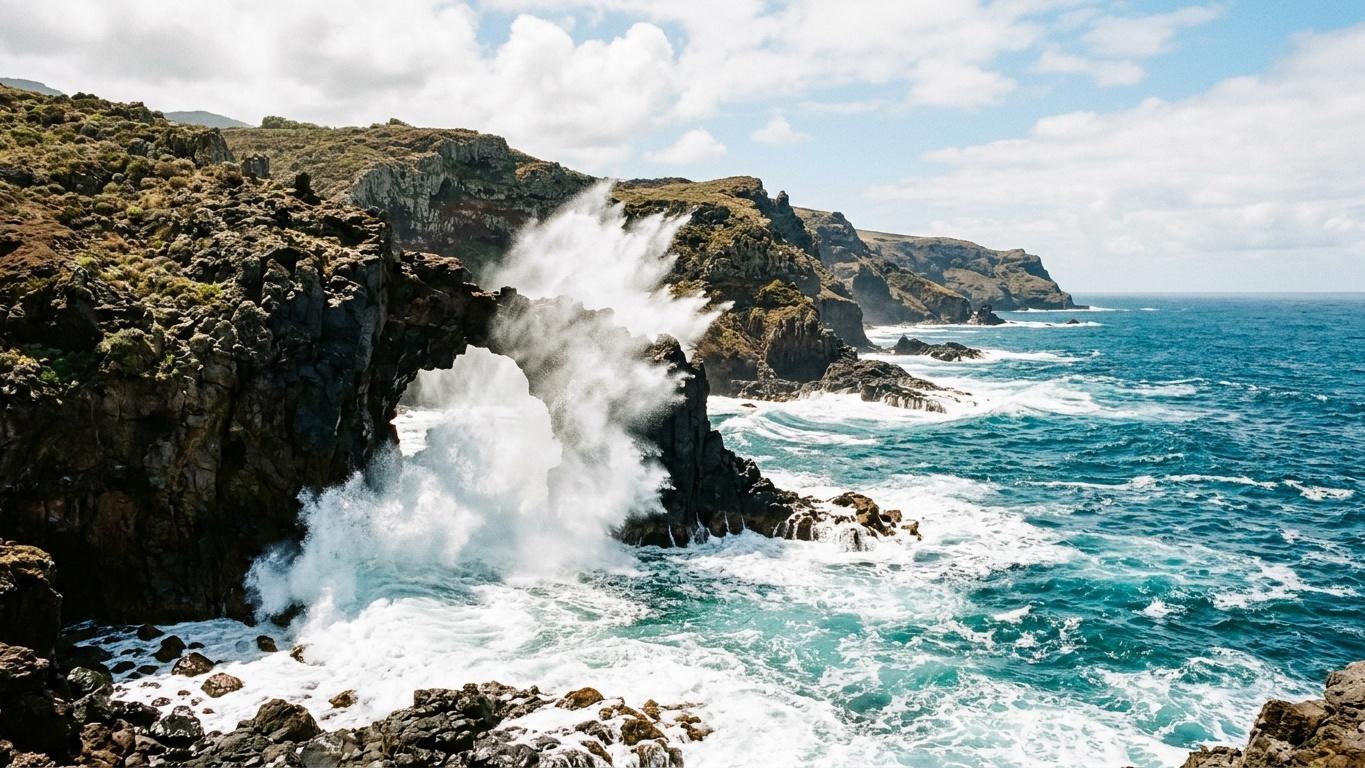
Devil’s Tear, a genuinely dramatic blowhole and cliff formation on the island’s southwest coast, and the Nusa Lembongan mangrove forest, explored by small boat along quiet tidal channels, are the two most commonly recommended stops for a short visit. Both fit comfortably into a single-day round trip from Bali for travelers not staying overnight on the island.
Dream Beach and Sandy Bay
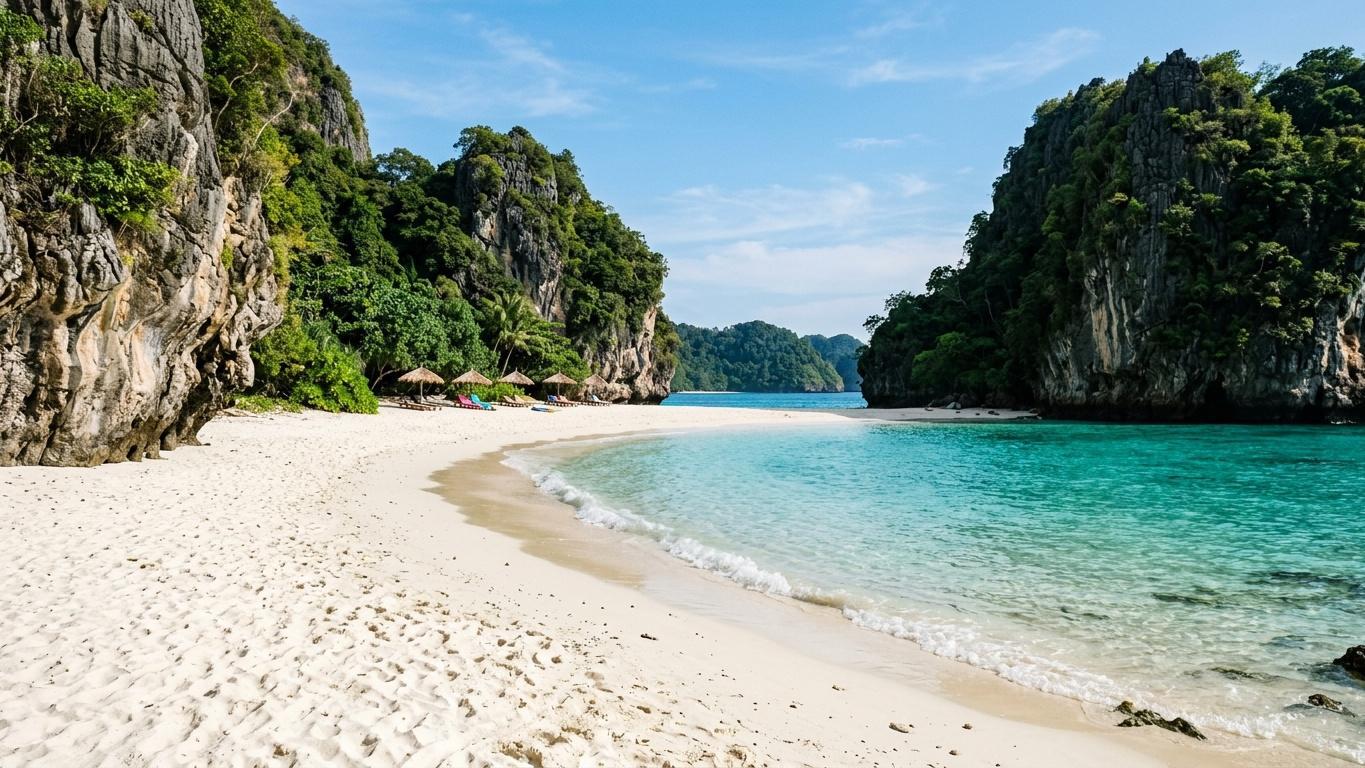
Dream Beach and Sandy Bay round out the island’s best-known beach stops, both reachable by scooter rental in about 10 to 15 minutes from either Jungut Batu or Mushroom Bay. Renting a scooter for a single day is the most common way visitors cover the island’s spread-out sights without relying on taxis, since Nusa Lembongan itself is small enough to cross end to end in under 30 minutes by road.
Snorkeling, Diving, and Manta Ray Sightings
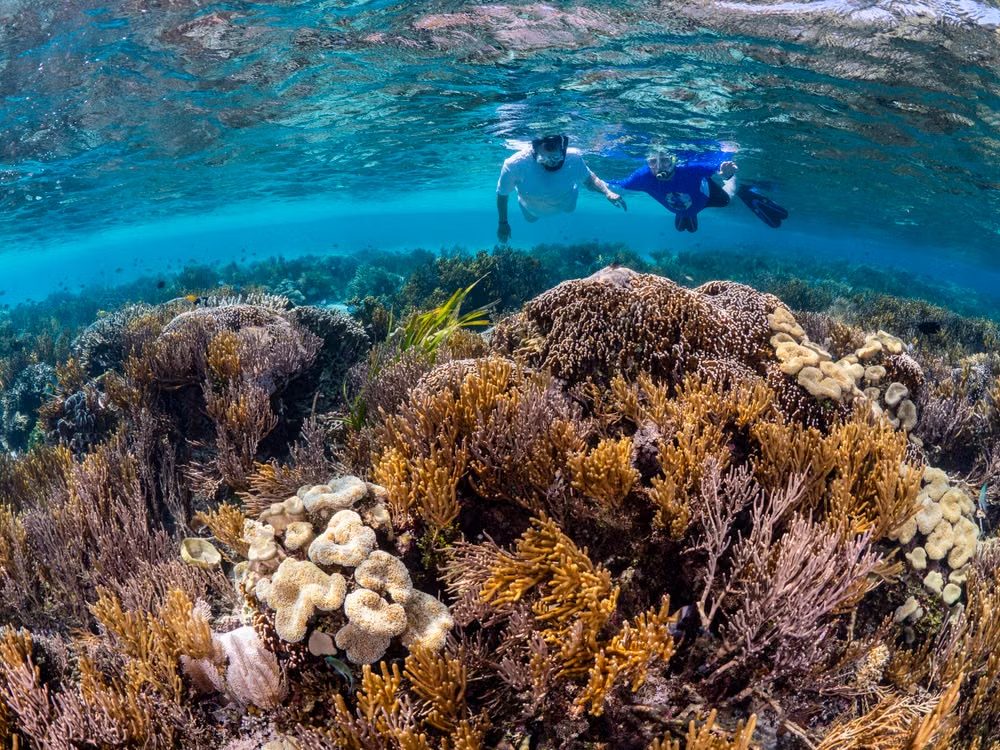
Snorkeling and diving trips around the surrounding reef are widely available through local operators on the island itself, generally booked on arrival rather than in advance from Bali, since availability and conditions are easiest to confirm once actually on Nusa Lembongan. Manta ray sightings around nearby dive sites draw a steady stream of divers specifically for that reason during the right season.
Seaweed Farming
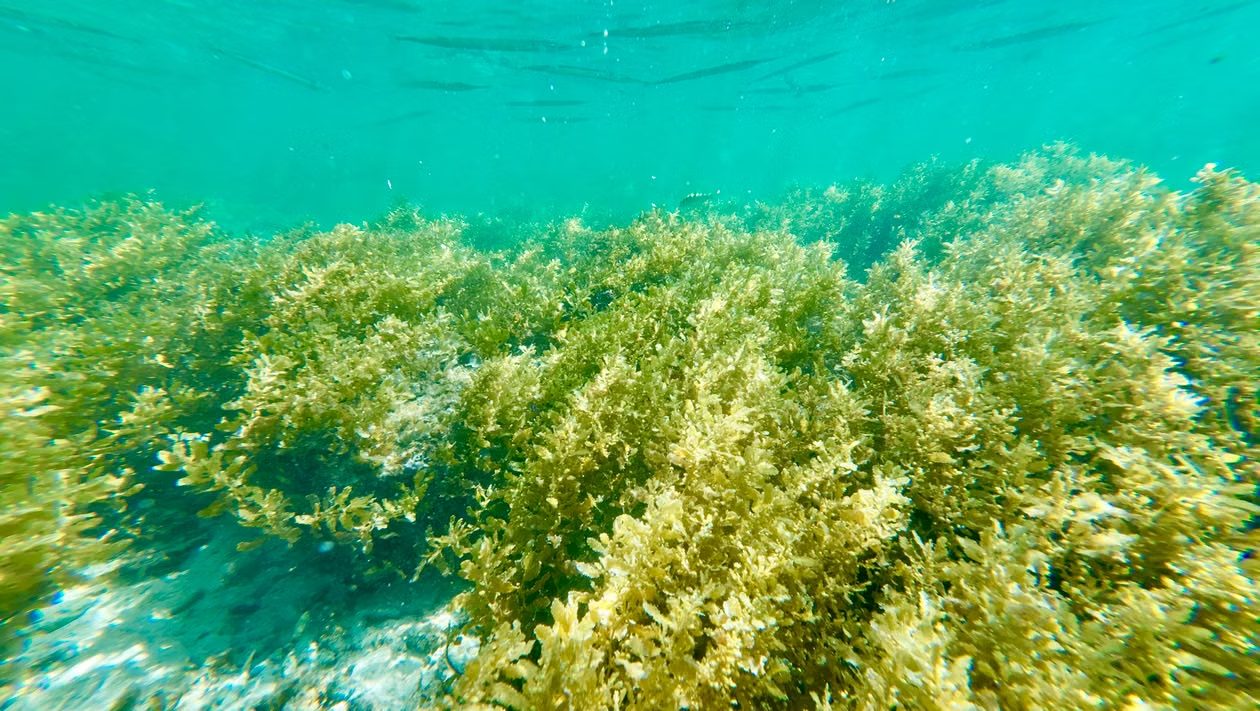
Seaweed farming, still a genuine local industry on parts of the island, is visible along some of the shallower bays at low tide, rows of wooden frames holding cultivated seaweed just offshore. It’s a small, easy-to-miss detail that adds real texture to a day trip beyond the more heavily marketed photo spots, and a good reminder that the island still runs a working economy alongside its tourism side.
Staying Overnight Instead of a Day Trip
For travelers extending a Nusa Lembongan to Bali itinerary into an overnight stay rather than a single day trip, the island’s accommodation runs from simple beachfront bungalows to a handful of more upscale resorts, generally quieter and more low-key than Bali’s own busier beach towns further along the mainland coast.
Where to Stay Before or After a Nusa Lembongan Trip
Basing a stay near Sanur Harbour itself removes the longest, least predictable part of the whole journey, the transfer to the port, from the trip entirely.
Bali Beach Hotel
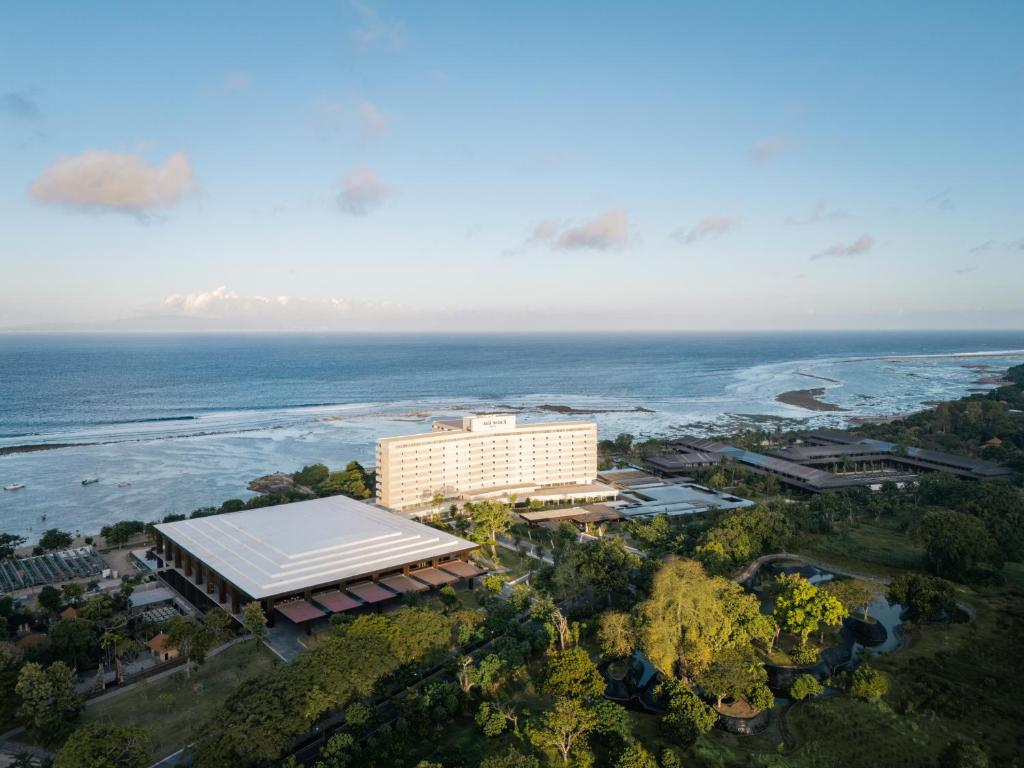
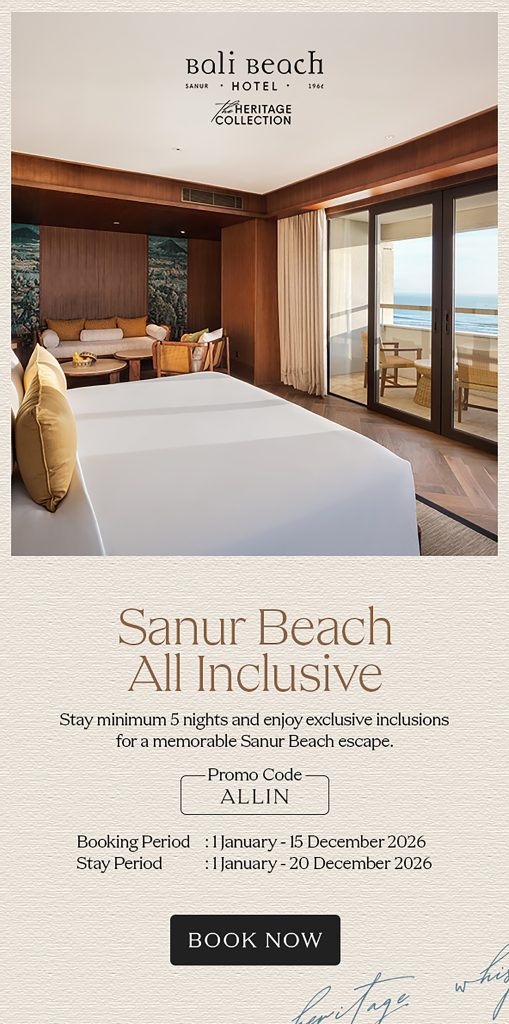
Bali Beach Hotel The Heritage Collection sits about 1 kilometer, roughly a 10-minute walk, from Sanur Harbour, close enough that an early-morning departure doesn’t require booking a taxi or building in extra transfer buffer time.
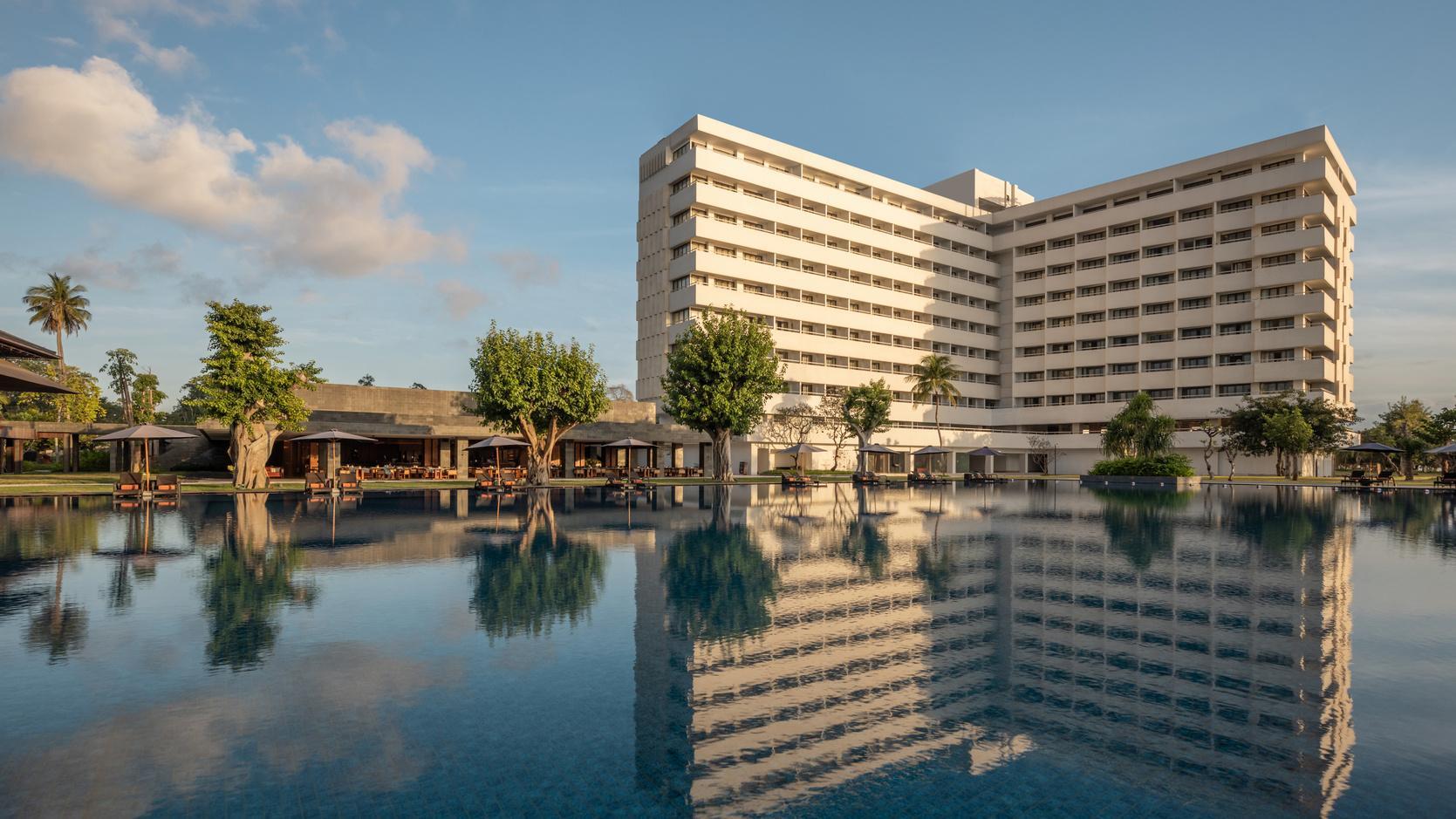
That distance matters more than it might seem for anyone building a Nusa Lembongan to Bali trip around an early sailing. A 6:00 or 7:00 AM check-in window is a much easier ask when the walk to the terminal takes ten minutes instead of a thirty-minute taxi ride from further up the coast.
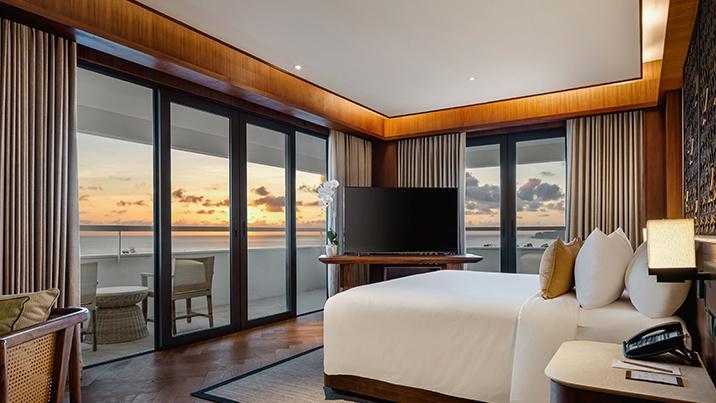
The Presidential Suite, the hotel’s top category at 380 square meters with a living room, dining area, and work desk, suits a group or family wanting to spread out after returning from a day trip rather than staying in a compact room. The Deluxe Room covers the opposite end, a straightforward 38-square-meter base for a couple who’d rather put most of the trip’s spending toward the boat crossing and island activities than the room itself.
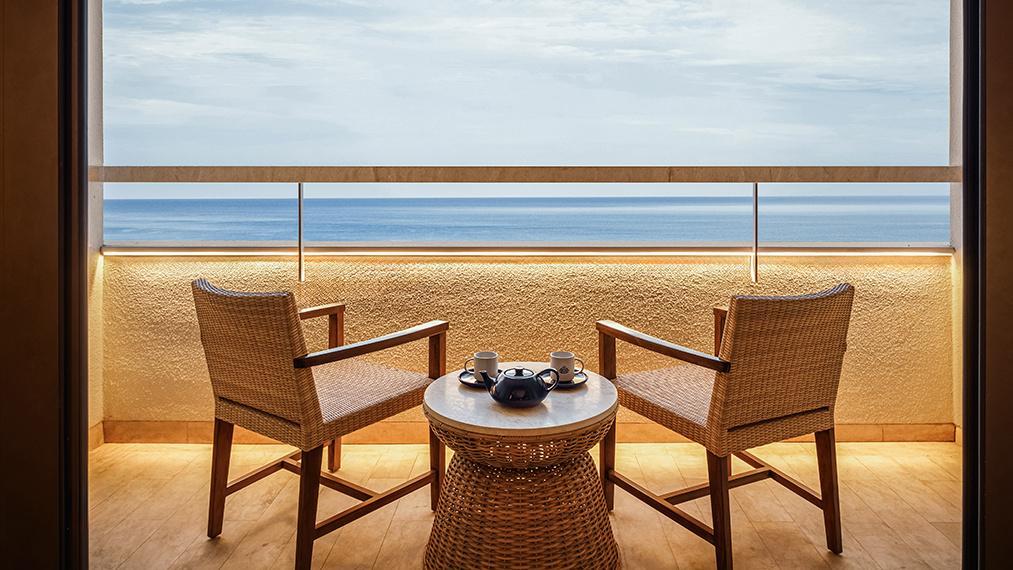
The hotel’s Activity Desk, open 7:00 to 19:30, can help confirm or book ferry tickets directly, which is useful for anyone who’d rather not compare five operators’ websites the night before an early departure. It’s the same desk that handles the hotel’s excursion planning and photography bookings.
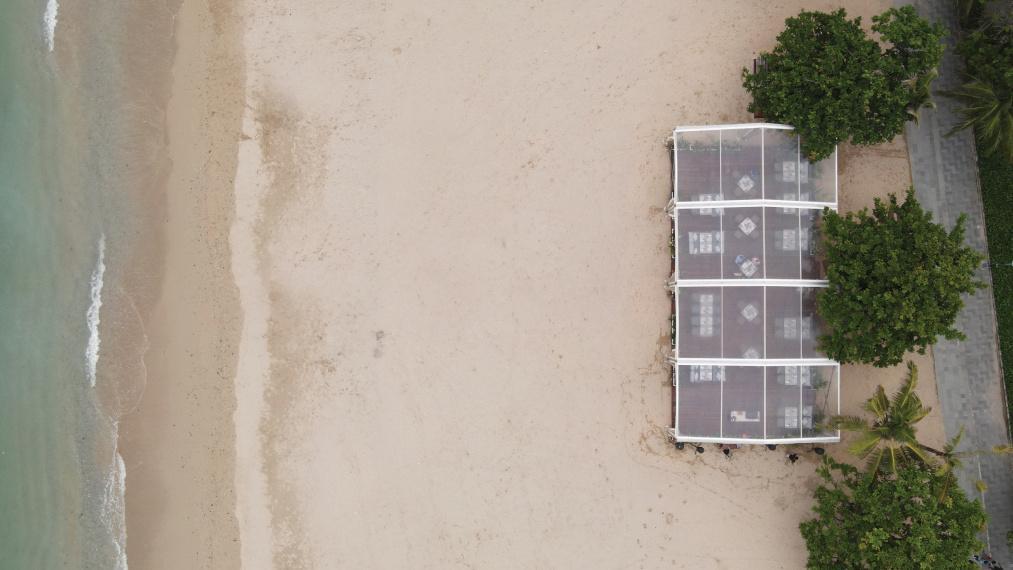
For guests arranging an early crossing, the front desk can also flag a wake-up call or arrange an early breakfast box ahead of a 6:00 or 7:00 AM check-in window, since Roso Restaurant’s breakfast service doesn’t open until 6:30, which may be too late for the very earliest sailings.
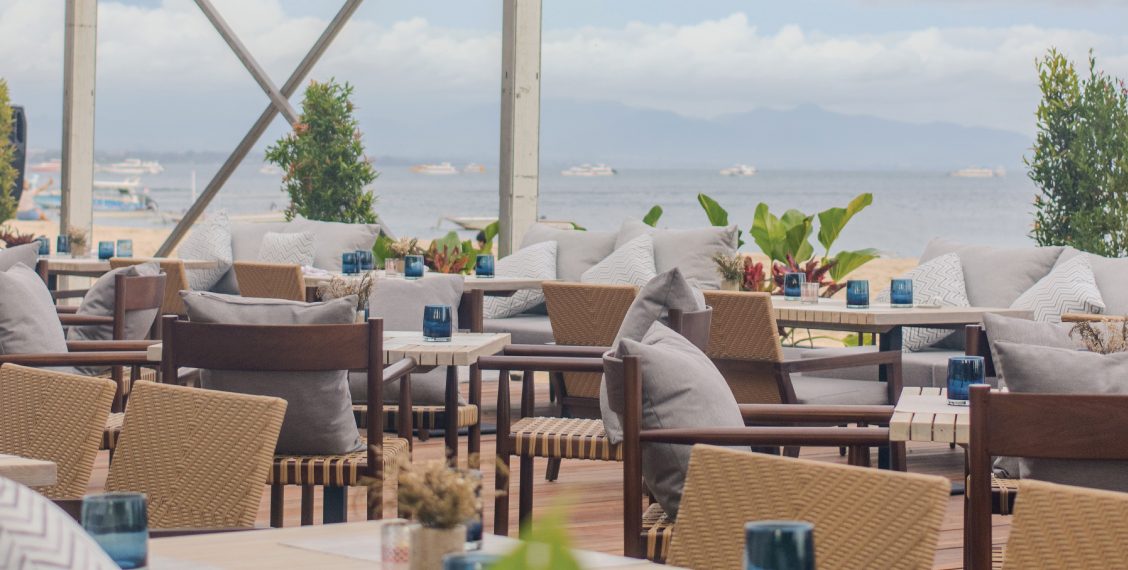
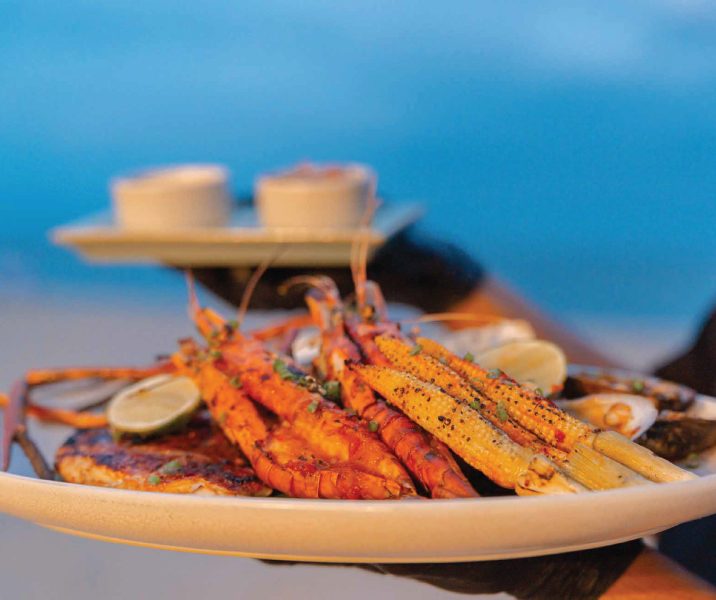
Bali Beach Bar & Grill makes a fitting dinner spot for a return evening, open 17:00 to 22:00 directly on the sand. The Seafood Platter Kelod, sharing red snapper, jumbo prawns, local clams, and oysters across the table, suits a group unwinding after a day spent island-hopping more than a plated single-course meal would.
Taru Pramana Spa & Wellness is open 9:00 to 21:00 and takes same-day bookings with at least 24 hours’ notice; it’s worth reserving in advance for the evening after a boat crossing, since a Balinese Apun Massage does real work undoing a day of sea spray and boat vibration.

Sutasoma Lounge, open from 11:00 to midnight, serves as a quieter alternative for a nightcap after a long island day, with heritage-inspired cocktails built around local arak rather than a standard international bar list. The wooden, library-style room also makes a genuinely comfortable spot to sit and sort through a day’s worth of photos before heading up.
Detailed Information:
- Address: Jalan Hang Tuah, Sanur Kaja, Denpasar Selatan, Kota Denpasar, Bali 80227, Indonesia
- Phone Number: +62 (361) 2012000
- Reference Price: Contact the hotel directly for current room rates, which vary by category and season
Conclusion
The Nusa Lembongan to Bali crossing is genuinely simple once the moving parts are clear: Sanur Harbour, a 30-minute fast boat, and roughly $10 to $16 USD each way. Getting the schedule, port, and check-in timing right up front determines whether the day feels smooth or rushed.
Book a stay at Bali Beach Hotel to base a Nusa Lembongan trip a short walk from Sanur Harbour itself, with the hotel’s own activity desk on hand to help confirm ferry tickets and the rest of the day’s logistics.
Frequently Asked Questions
How long does the ferry from Nusa Lembongan to Bali take?
The fast boat crossing between Sanur Harbour and Nusa Lembongan takes about 30 minutes each way, regardless of which specific port on the Lembongan side the boat happens to use for that sailing.
How much does a ferry ticket cost?
One-way tickets generally run IDR 150,000 to 250,000, roughly $10 to $16 USD, with premium or VIP tickets running noticeably higher, typically $20 to $25 USD per person each way.
Which port do boats to Nusa Lembongan leave from?
Almost all operators depart from Sanur Harbour on the Bali side, arriving at Jungut Batu, Mushroom Bay, or the Rocky Private Harbour on Nusa Lembongan depending on the specific company booked, so it’s worth checking which one applies to a given ticket.
How early should I arrive for my ferry?
Arrive at least 45 to 60 minutes before departure time. Most operators require check-in a full hour ahead to properly handle ticket confirmation and luggage.
Is the crossing rough or is seasickness common?
Conditions are usually calm during the dry season, April through October, but can get choppier during the wet season, December through February. Sitting toward the middle of the boat and taking medication ahead of time if prone to seasickness both help, along with choosing a mid-morning sailing when winds tend to be lightest.
Can I do a day trip to Nusa Lembongan from Bali?
Yes. With multiple daily crossings in each direction and a 30-minute travel time, a day trip covering sights like Devil’s Tear and the mangrove forest is entirely doable without staying overnight on the island.
Do I need to book my ferry ticket in advance?
It’s not strictly required outside peak season, since same-day tickets are usually available at the harbour, but booking a day or more ahead is worth it during July, August, and the December-January holiday period, when popular sailings can sell out.
Is Nusa Lembongan the same as Nusa Penida?
No, they’re separate islands with separate ferry routes, though both are commonly reached from Sanur Harbour and fall under the same administrative district. Nusa Lembongan connects to neighboring Nusa Ceningan via a short pedestrian and scooter bridge, but not to Nusa Penida, which requires a dedicated boat crossing.