
Bali is an island of immense diversity, covering approximately 5,780 square kilometers with volcanic peaks, terraced rice paddies, and world-class coastlines. For a first-time visitor, the sheer variety of landscapes can be overwhelming. This guide simplifies the map to show you exactly where to go in Bali to ensure your 2026 debut on the Island of the Gods is seamless, sophisticated, and deeply memorable.
Where to go in Bali: Overview of Areas
Understanding the island’s geography is the first step toward a successful itinerary. Bali is generally divided into several distinct zones. Each zone offers a completely different psychological and physical experience.
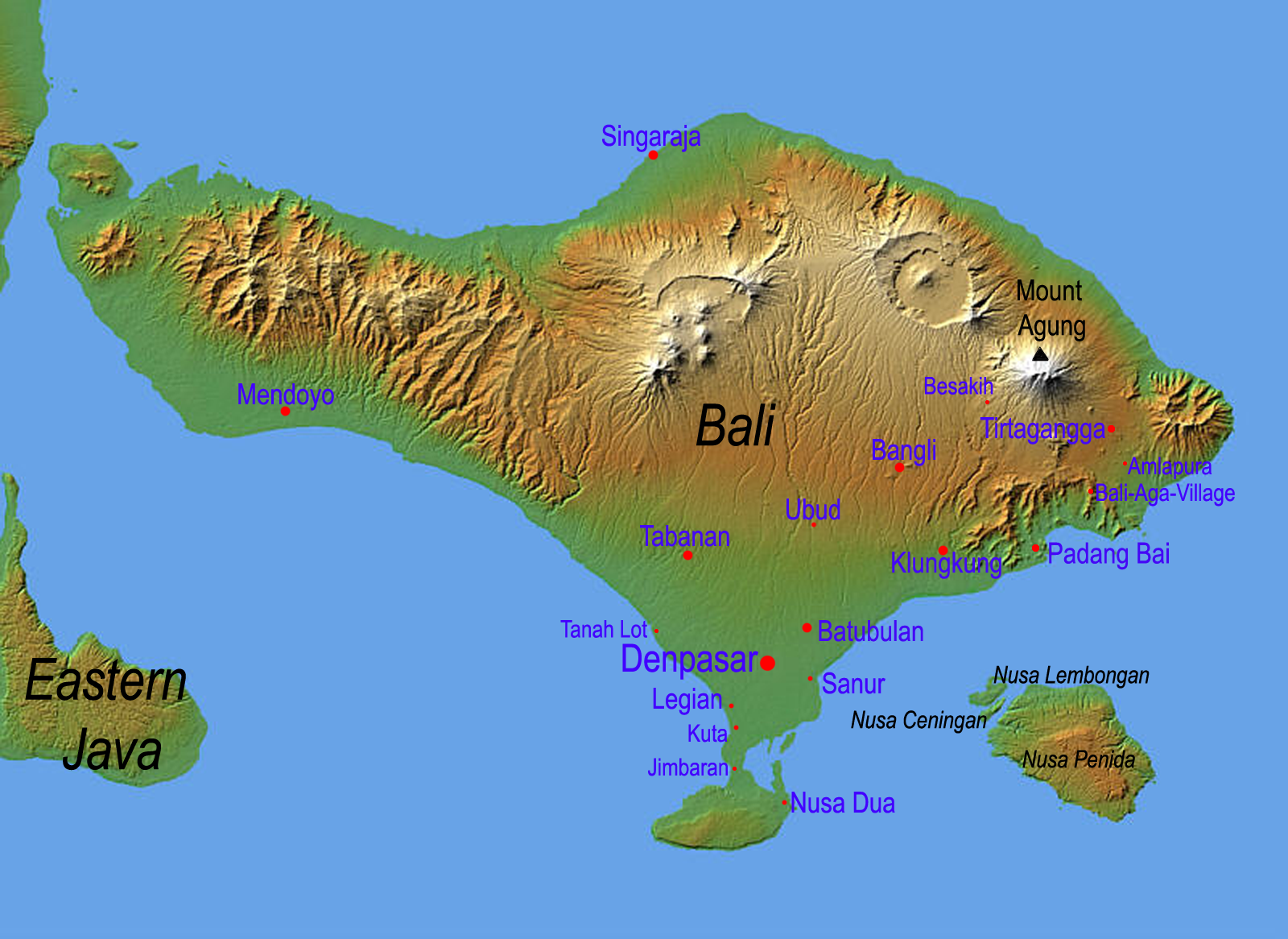
This guide to where to go in Bali highlights that the south is the most developed region. It hosts the famous beach hubs of Seminyak, Canggu, and Kuta. This area is perfect for those who want vibrant nightlife, high-end boutiques, and a fast-paced social scene.
If you move toward the center of the island, you find Ubud, which serves as the cultural and spiritual heart of the province. Here, the temperature is slightly cooler, and the scenery is dominated by lush rainforests and ancient river valleys.
The southern peninsula (known as the Bukit) is characterized by dramatic limestone cliffs and hidden white-sand coves. Meanwhile, the east coast (particularly Sanur) offers a refined and historic atmosphere that serves as the perfect strategic base for exploring both the sea and the highlands.
A Seasonal Guide to Bali Geography (When and Where to Go)
Timing your visit is just as important as choosing your destination. Bali has two distinct seasons. These are the dry and wet seasons. Each season dictates the strategy for where to go in Bali for travelers.
The West Coast in Dry Season (April to October)
From April to October, the southeast trade winds bring cool, dry air to the west coast. This is the peak time for areas like Seminyak, Canggu, and Uluwatu. During these months, the offshore winds create perfect surfing conditions and clear, blue skies.
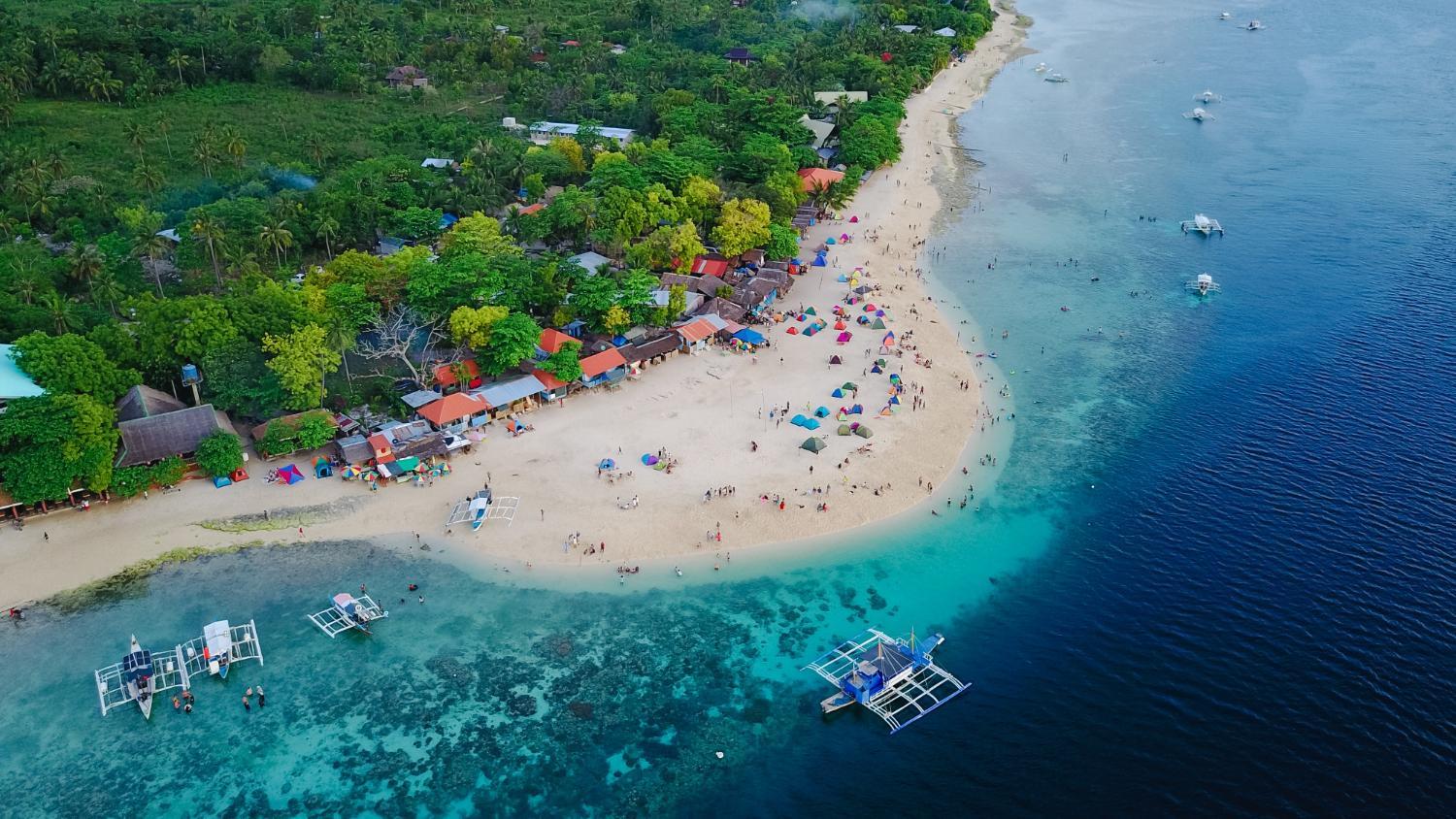
The humidity drops to approximately 60 percent, making outdoor exploration much more comfortable. This is the busiest time for tourism, so you should expect higher prices and larger crowds at major landmarks.
The East Coast Resilience (November to March)
When the monsoon arrives from November to March, the west coast can experience debris on the beaches and higher humidity. This is when the East Coast (specifically Sanur) truly shines.
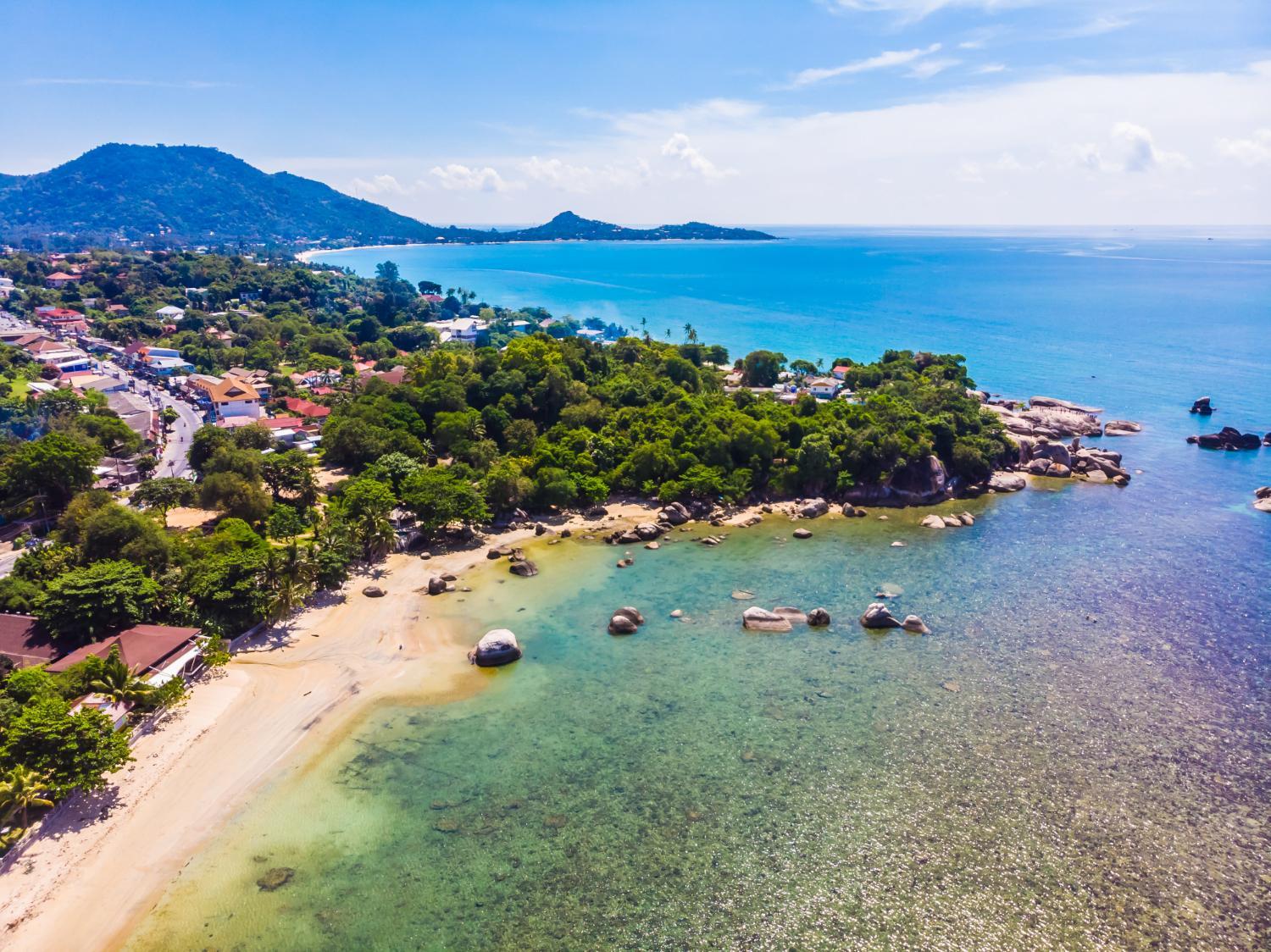
While the entire island experiences tropical rainfall during the wet season, Sanur benefits from its east coast position, generally avoiding the heavy marine debris that can affect western beaches. The reef-protected waters remain calm and clear, which allows for year-round swimming. For a newbie traveler visiting during the winter months, Sanur is the most reliable answer for where to go in Bali to enjoy consistent beachfront luxury.
Best Areas to Visit on Bali’s Main Island
The choice of your primary base will define your daily rhythm and dictate how much of the island you can see without spending hours in traffic. The regions below represent the most balanced options for a 2026 newcomer to the island.
Sanur: The Strategic Base for Exploring (Best for Sunrise)
Sanur is the most strategic answer for anyone wondering where to go in Bali for a balanced first trip. Unlike the frantic energy of the West Coast, Sanur moves at a slower and more sophisticated pace.
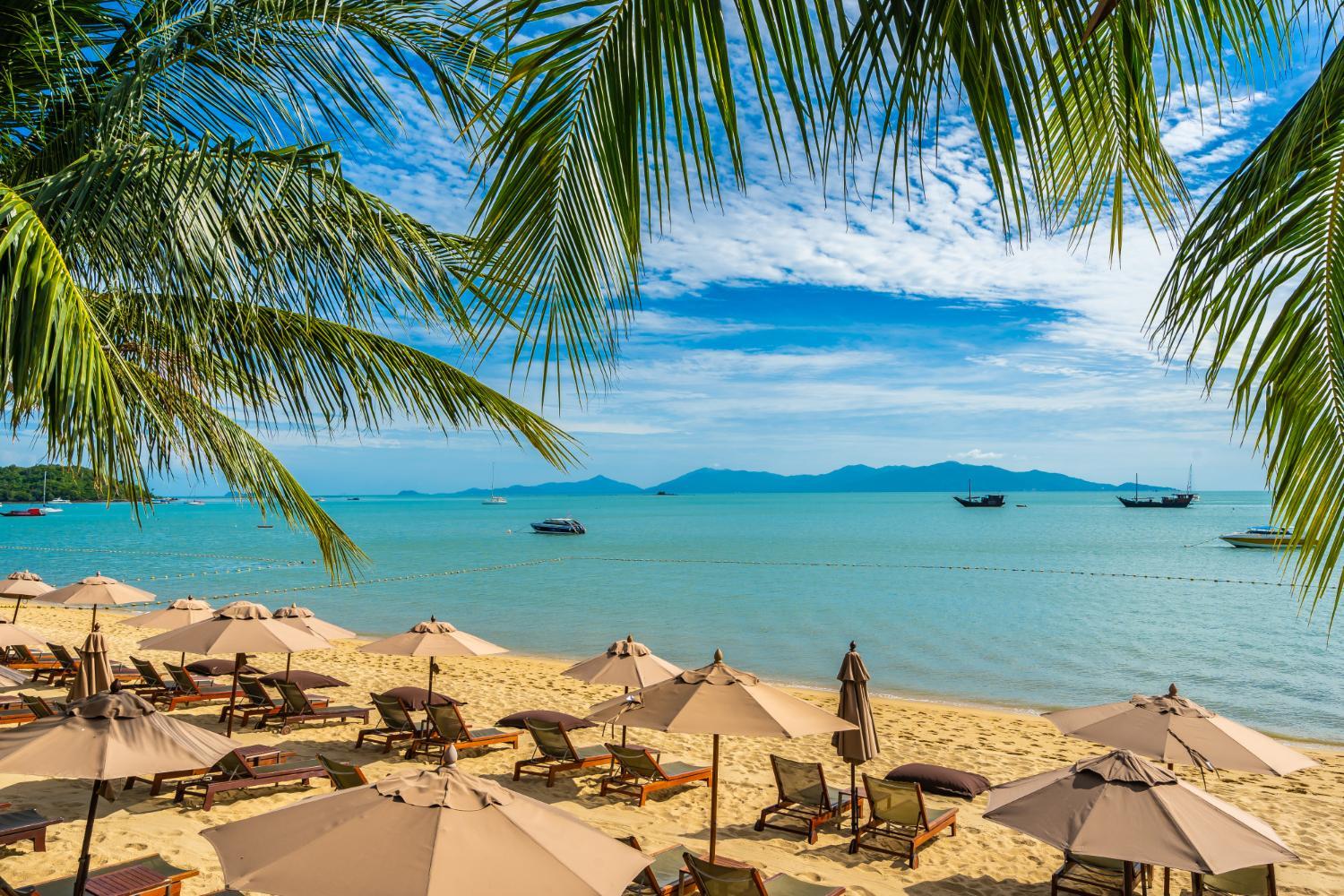
It was the first area on the island to welcome international tourism in the 1960s. Today, it has reinvented itself as a refined coastal hub. The beach here is protected by a massive reef (located about 200 meters offshore), which means the water is shallow, calm, and perfect for morning swims or stand-up paddleboarding.
One of the greatest benefits of Sanur is its 5-kilometer paved beachfront promenade. This path is ideal for sunrise walks or cycling between local cafes and luxury resorts. Sanur also serves as the primary gateway to the Nusa Islands.
The state-of-the-art Sanur Port facilitates daily fast boat departures to Nusa Penida and Nusa Lembongan. If you stay here, you can enjoy a sunrise-facing lifestyle while remaining within a 40-minute drive of the airport or the cultural attractions of Ubud.
Ubud: The Heart of Culture & Greenery
Ubud is a mandatory stop for anyone deciding where to go in Bali to experience the island’s traditional side. This town sits at an elevation of approximately 200 meters above sea level and is famous for its art galleries, traditional dance performances, and sacred temples.
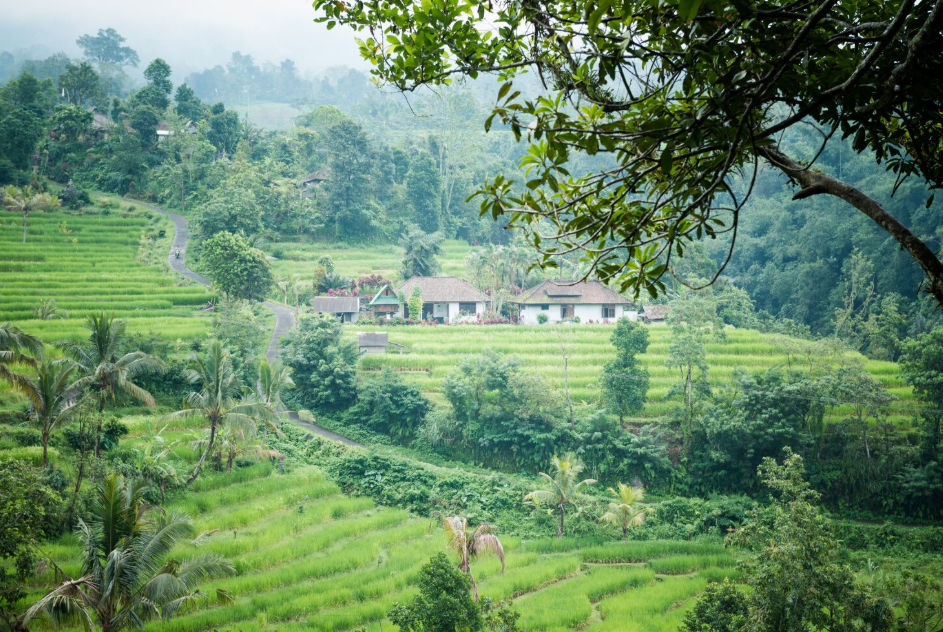
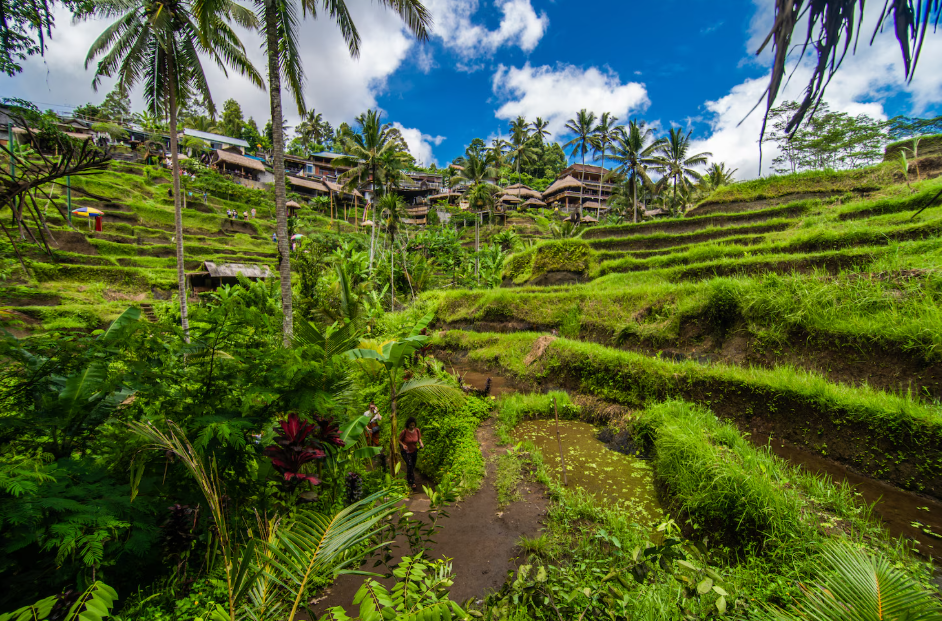
The Tegalalang Rice Terraces (located just 20 minutes north of the town center) offer a glimpse of the ancient Subak irrigation system, recognized by UNESCO. For a newbie traveler, Ubud provides a sensory experience of incense-filled streets, emerald-green vistas, and world-renowned wellness retreats.
Seminyak & Canggu: The Lifestyle & Sunset Hubs
If your vision of Bali involves trendy beach clubs and sunset cocktails, then the west coast is the place for you. Seminyak is the more polished of the two (featuring high-end dining along Jalan Laksmana and luxury boutiques).
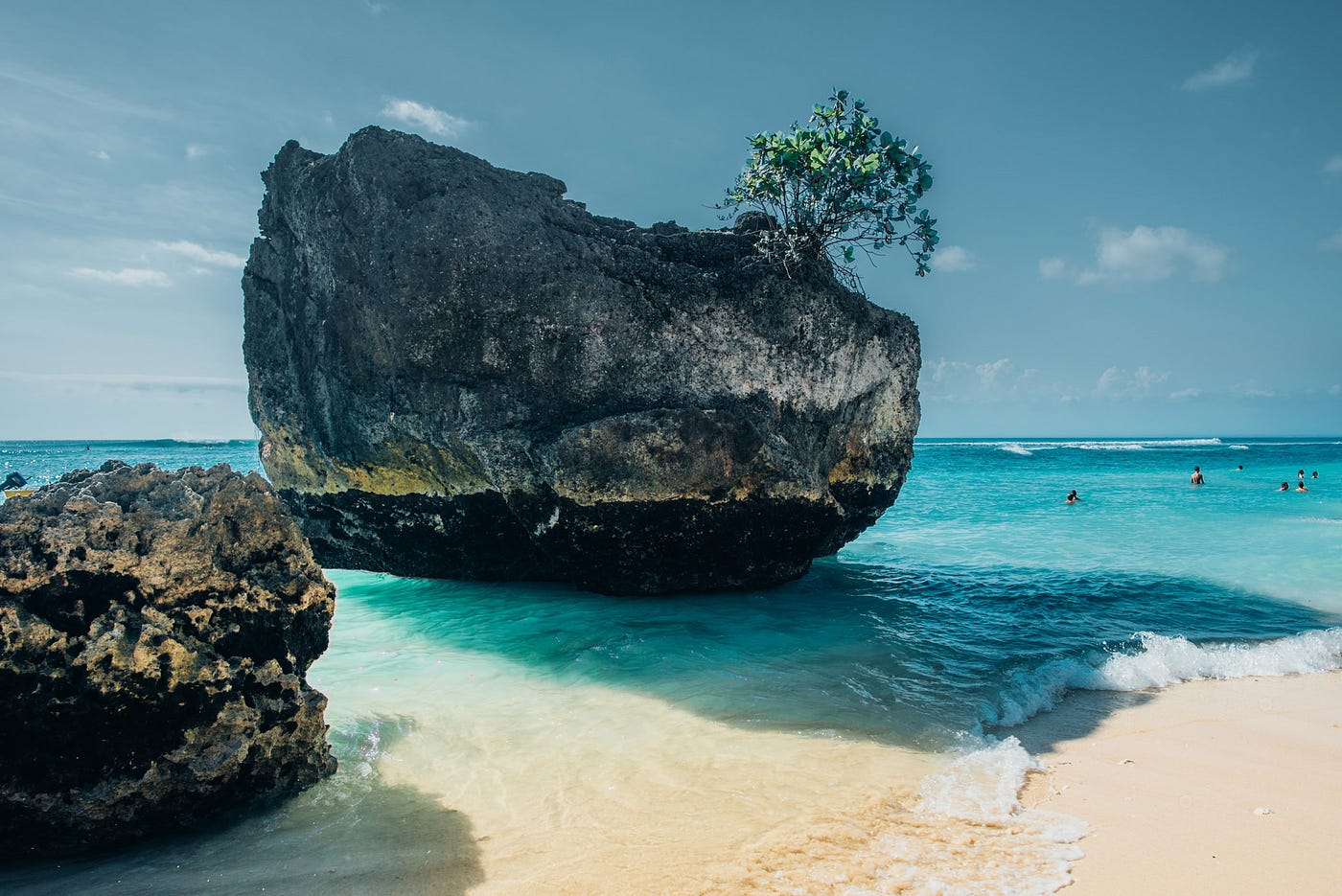
Canggu (just north of Seminyak) has a more bohemian, youthful energy. It is the hub for digital nomads and surf enthusiasts. Both areas offer spectacular sunsets that draw thousands of people to the sand every evening at approximately 6:15 PM.
Nusa Dua & Uluwatu: Luxury Resorts & Dramatic Cliffs
Nusa Dua is a gated enclave of five-star resorts and manicured gardens. It is the best choice for travelers seeking absolute convenience and safety in a resort environment. Just a short drive away lies Uluwatu (which sits on the rugged cliffs of the southern tip).
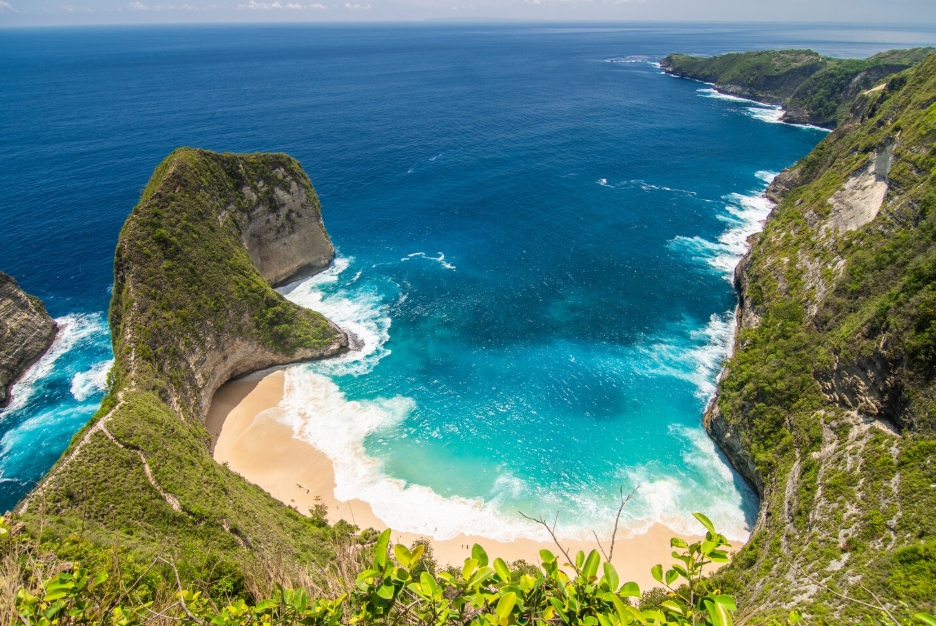
Uluwatu is home to the famous Uluwatu Temple, where a traditional Kecak Fire Dance is performed daily at sunset. The views from these 70-meter cliffs are among the most dramatic on the entire island.
Hidden Gems and Authentic Villages (Beyond the Tourist Path)
Once you have experienced the main hubs, you might want to find the “real” Bali. Several villages have preserved their traditional way of life despite the growth of tourism.
Penglipuran: The Cleanest Village in the World
Penglipuran is a traditional highland village in the Bangli Regency. It is famous for its unique row of traditional Balinese gates and its remarkably clean, bamboo-lined streets. The village follows a strict spatial layout known as Tri Hita Karana (the balance between humans, nature, and the divine).
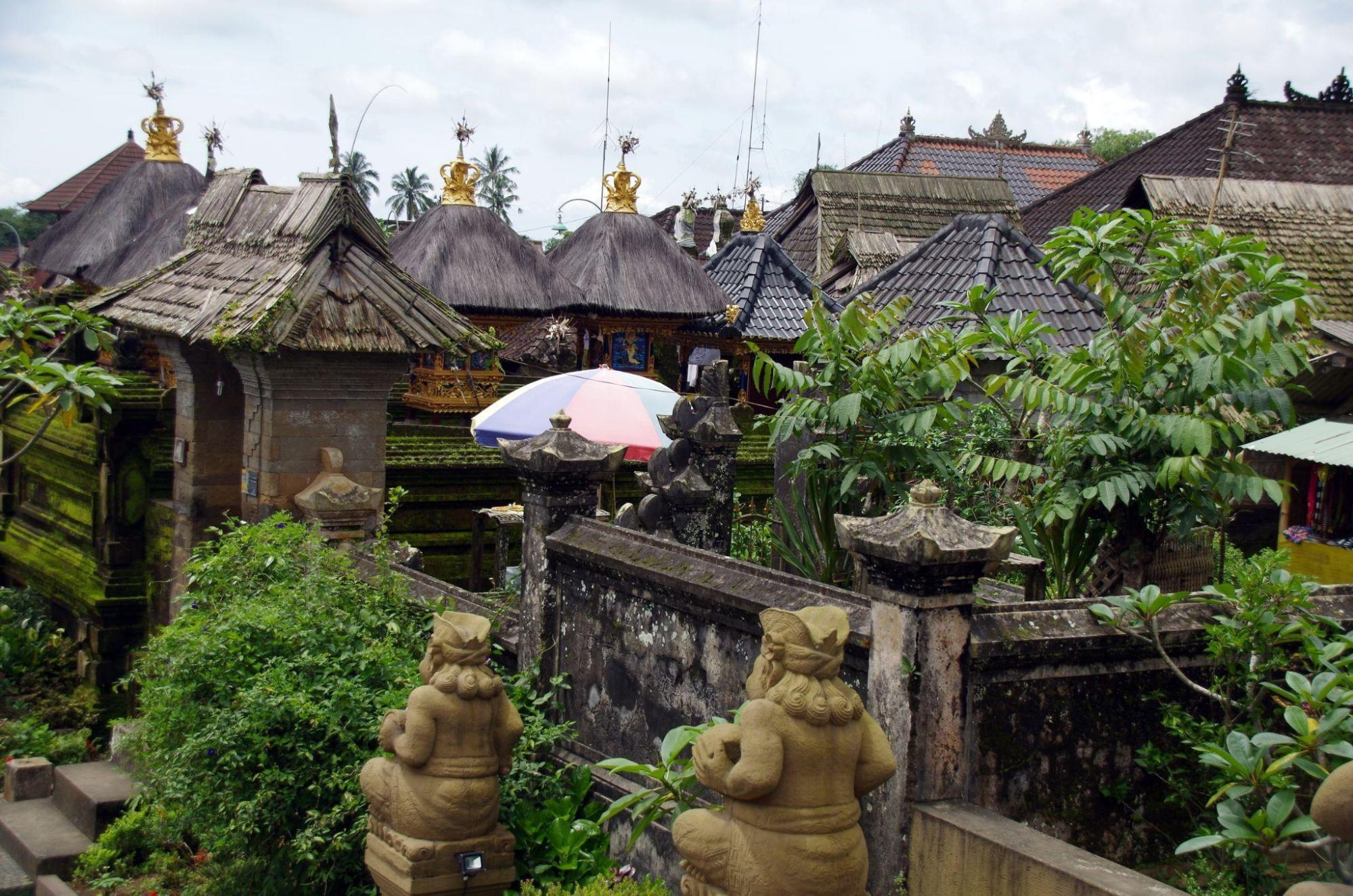
Visiting here gives you a clear understanding of Balinese architecture and communal living. It is an essential stop for those who want to see how the local community maintains its heritage in 2026.
Sidemen Valley: The Bali of 20 Years Ago
If you want to see what Bali looked like before the digital age, Sidemen is the place to go. Located in the shadow of Mount Agung (the island’s tallest volcano at 3,031 meters), this valley is filled with terraced rice fields and silver-smithing workshops.
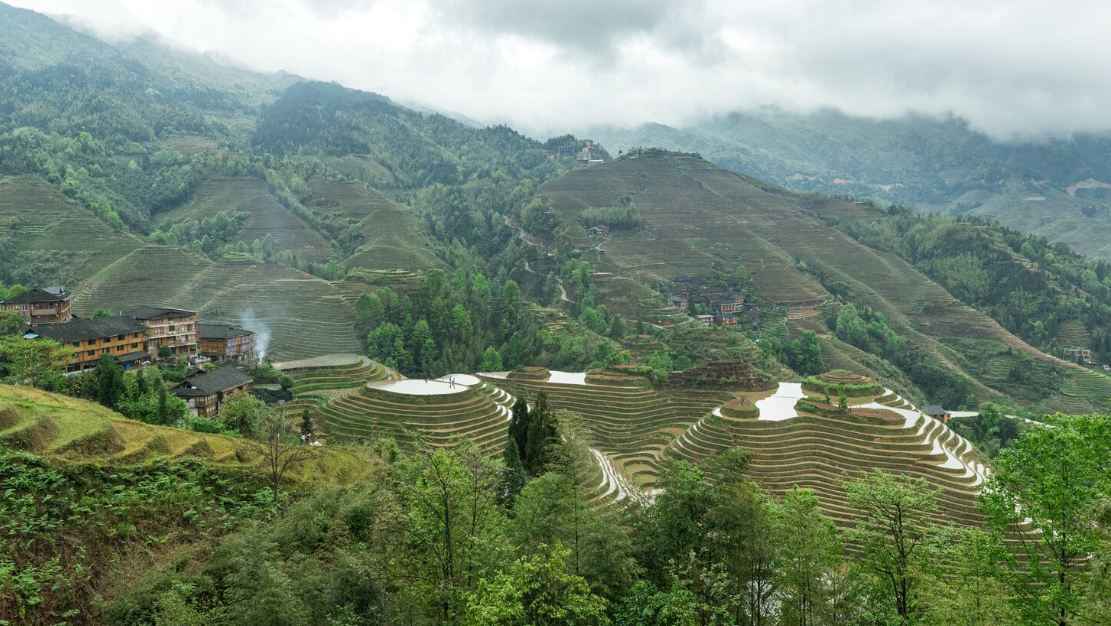
It is much quieter than Ubud and offers incredible trekking opportunities. The air is fresh, and the pace of life is dictated by the agricultural calendar. It is a hidden gem for travelers seeking silence and raw natural beauty.
Unmissable Day Trips & Adventures
Beyond the main roads, several regions offer a rawer, more adventurous side of the Balinese experience. These trips are best taken with a professional driver to ensure safety.
Nusa Penida Island (Spectacular Coastal Views)
Nusa Penida has become a viral sensation for a reason. Located about 45 minutes by fast boat from Sanur, this island features ivory cliffs and turquoise waters. Kelingking Beach (often called T-Rex Bay due to its unique rock formation) is the most famous site here.
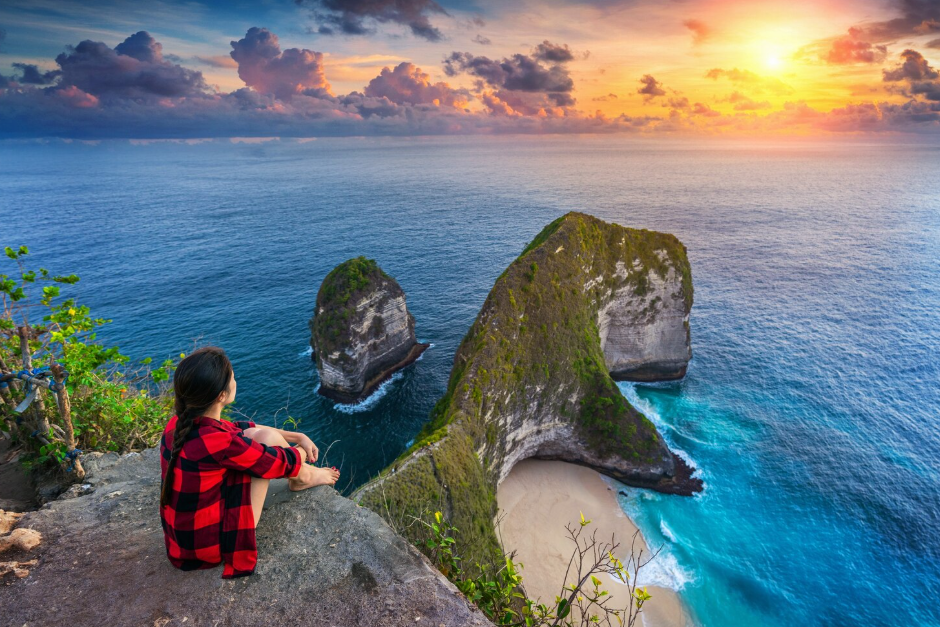
Newbie travelers should book a guided tour to navigate the rugged roads. While the terrain is challenging, the views of Diamond Beach and Broken Beach are among the most spectacular in Indonesia.
North Bali Highlands (Munduk Waterfalls & Lakes)
For those who want to escape the heat of the coast, the North Bali highlands offer a refreshing retreat. Munduk is a village surrounded by clove and coffee plantations. It is the best area for trekking to hidden waterfalls such as Munduk Waterfall and Melanting Waterfall.
Nearby, you will find the iconic Ulun Danu Beratan Temple (which appears to float on the surface of Lake Beratan). The air here is thin and crisp (often dropping to 20 degrees Celsius at night).
Where to Stay in Bali to Explore It All
Choosing the right accommodation is the key to mastering your itinerary. For a newbie traveler, you need a location that offers both luxury and accessibility.
The Bali Beach Hotel – Sanur
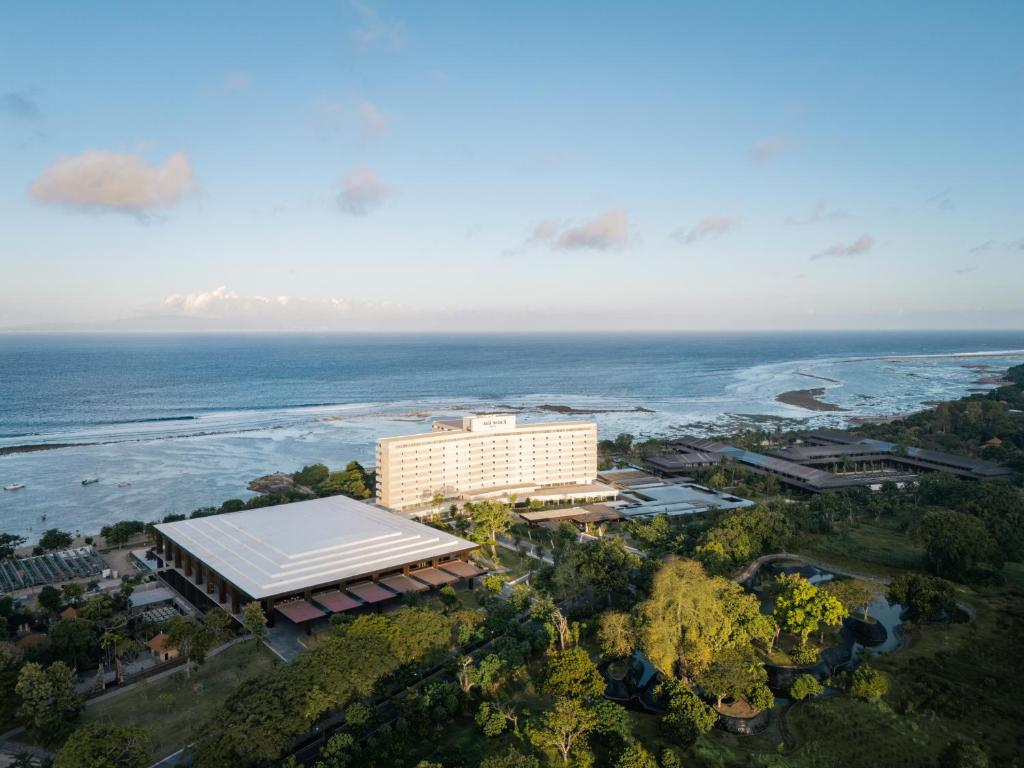
The Bali Beach Hotel stands as the ultimate strategic hub for any newcomer. This property is a monumental piece of Indonesian history. It was inaugurated in 1966 by President Soekarno as the island’s first international-standard hotel.

Following a grand restoration for 2026, it has returned as a majestic icon of heritage and modern luxury. It is the tallest building in Bali (10 stories) and offers a unique proposition: every guest room features a panoramic ocean view.
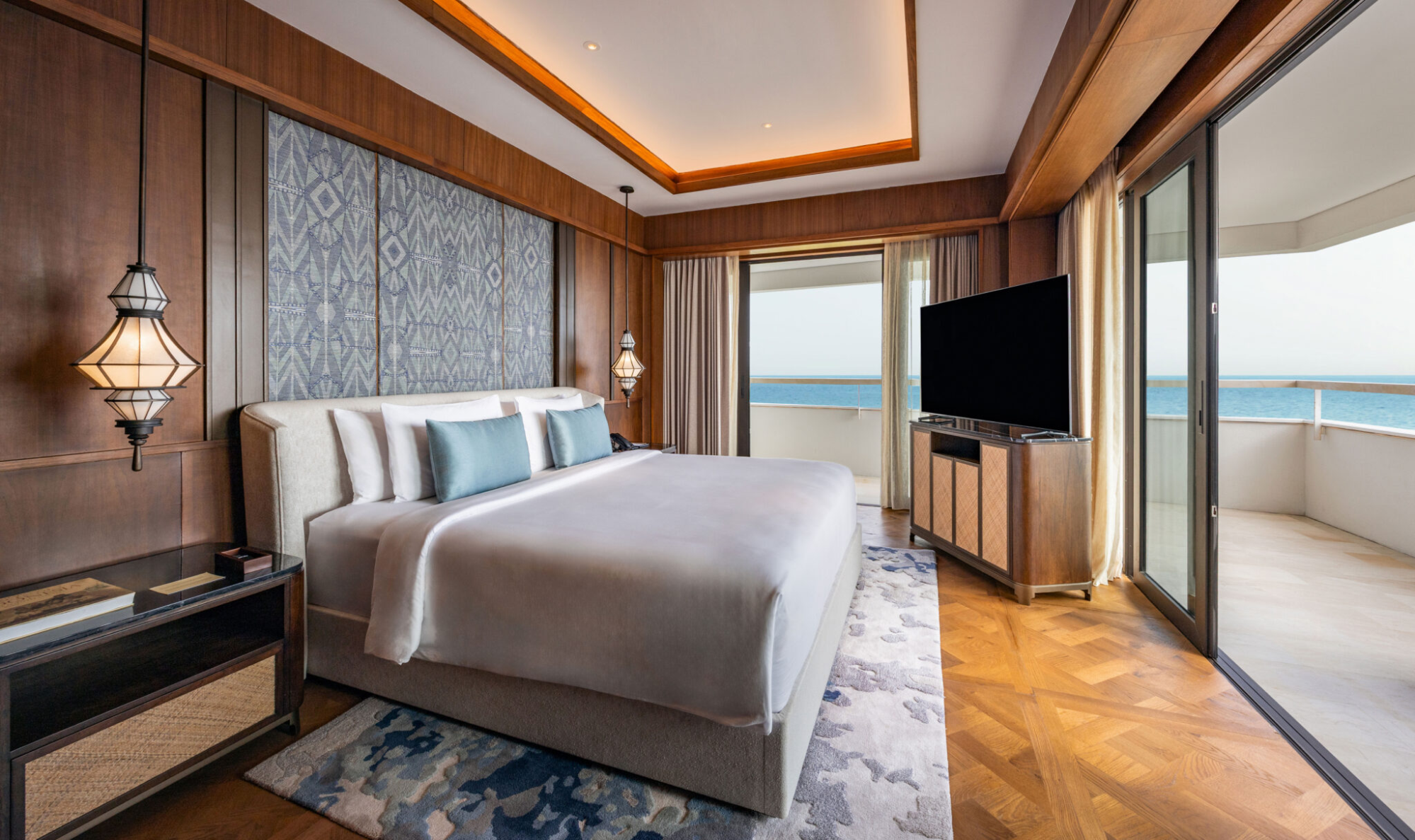
When you are deciding where to go in Bali to stay, the Bali Beach Suite offers a truly elevated retreat. Located on the 7th floor, this 175-square-meter suite is where timeless elegance meets the stunning sunrise views of the Sanur coastline.
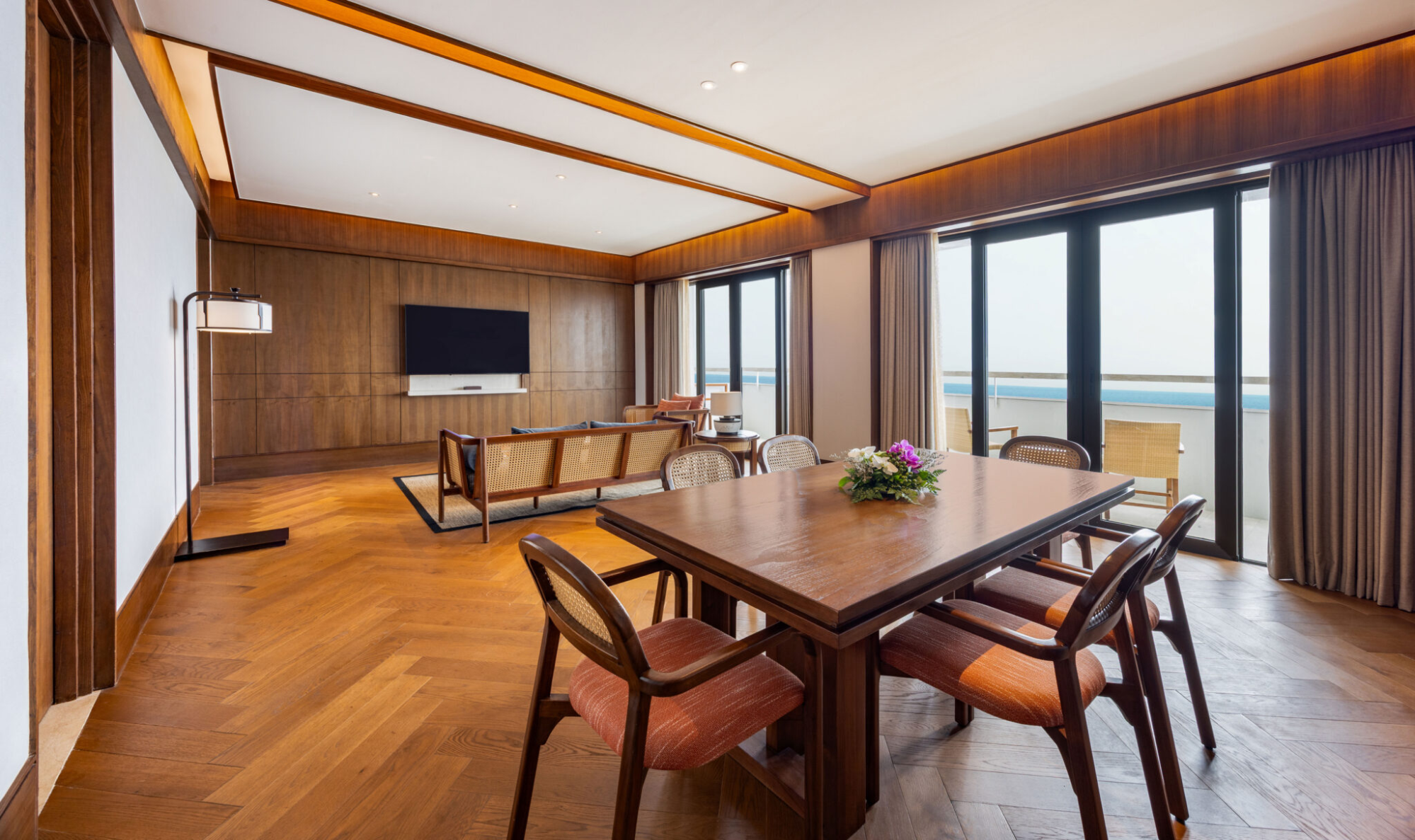
It is thoughtfully designed with a separate living and dining area to provide a refined sanctuary that goes beyond the ordinary. The resort serves as a premier Family Destination where parents and children can connect through shared history and vibrant modern facilities.
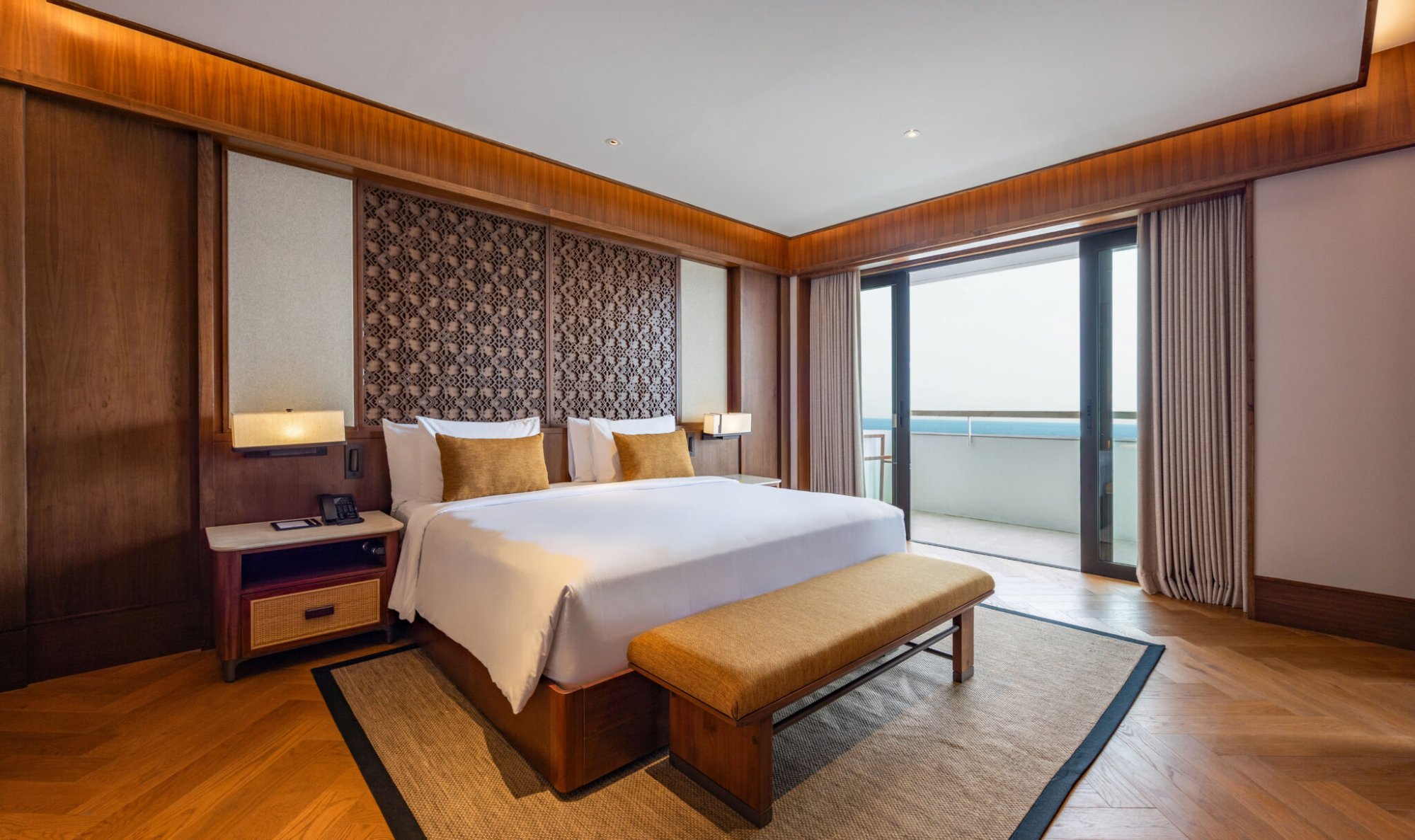
For those requiring even more space, the Sanur Suite (120 m2) provides a serene bedroom and an elegant dining space. It is a space where history and sophistication converge.
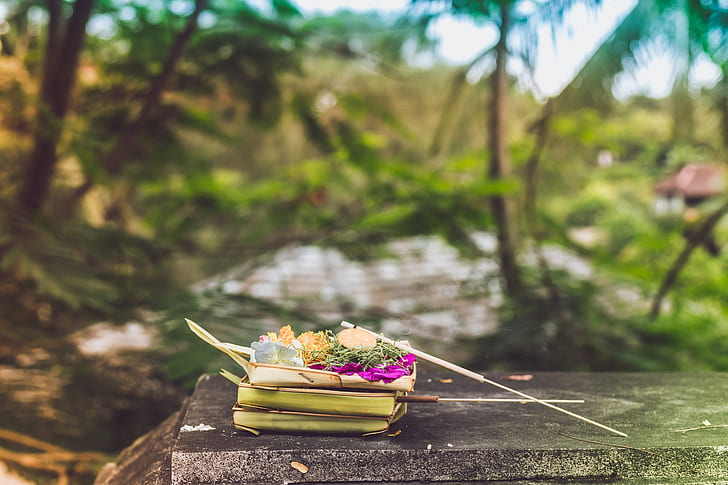
The hotel acts as a central hub for cultural experiences. Through their Signature Experiences, guests can engage in a personalized journey of discovery. You can participate in the Art of Canang Making (approx. $3 USD per person) to learn the sacred ritual of creating Balinese offerings from young coconut leaves and flowers.
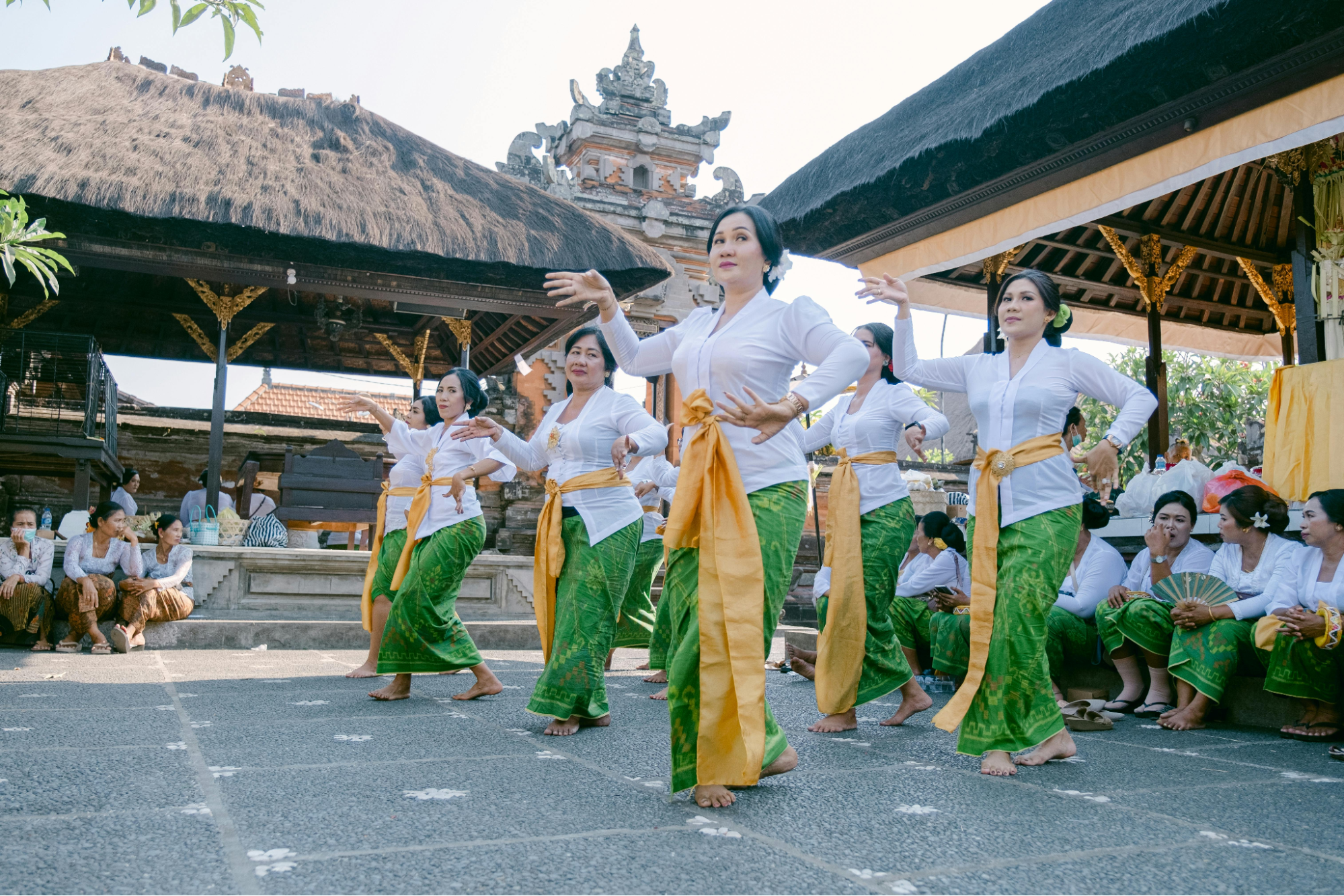
If you are interested in local arts, the Balinese Dance Lesson (approx. $10 USD per person) allows you to learn the meaning behind traditional movements. You can also explore the local area with their Bicycle Rental (approx. $5 USD per hour), which includes a complimentary extra hour for bookings of 2 hours or more.

The facilities at the Bali Beach Hotel are designed on a grand scale. You can experience the grandeur of one of the most expansive beachfront pools in Sanur, which spans an impressive 57 x 37 meters. It offers unparalleled views of the Indian Ocean and the beach.
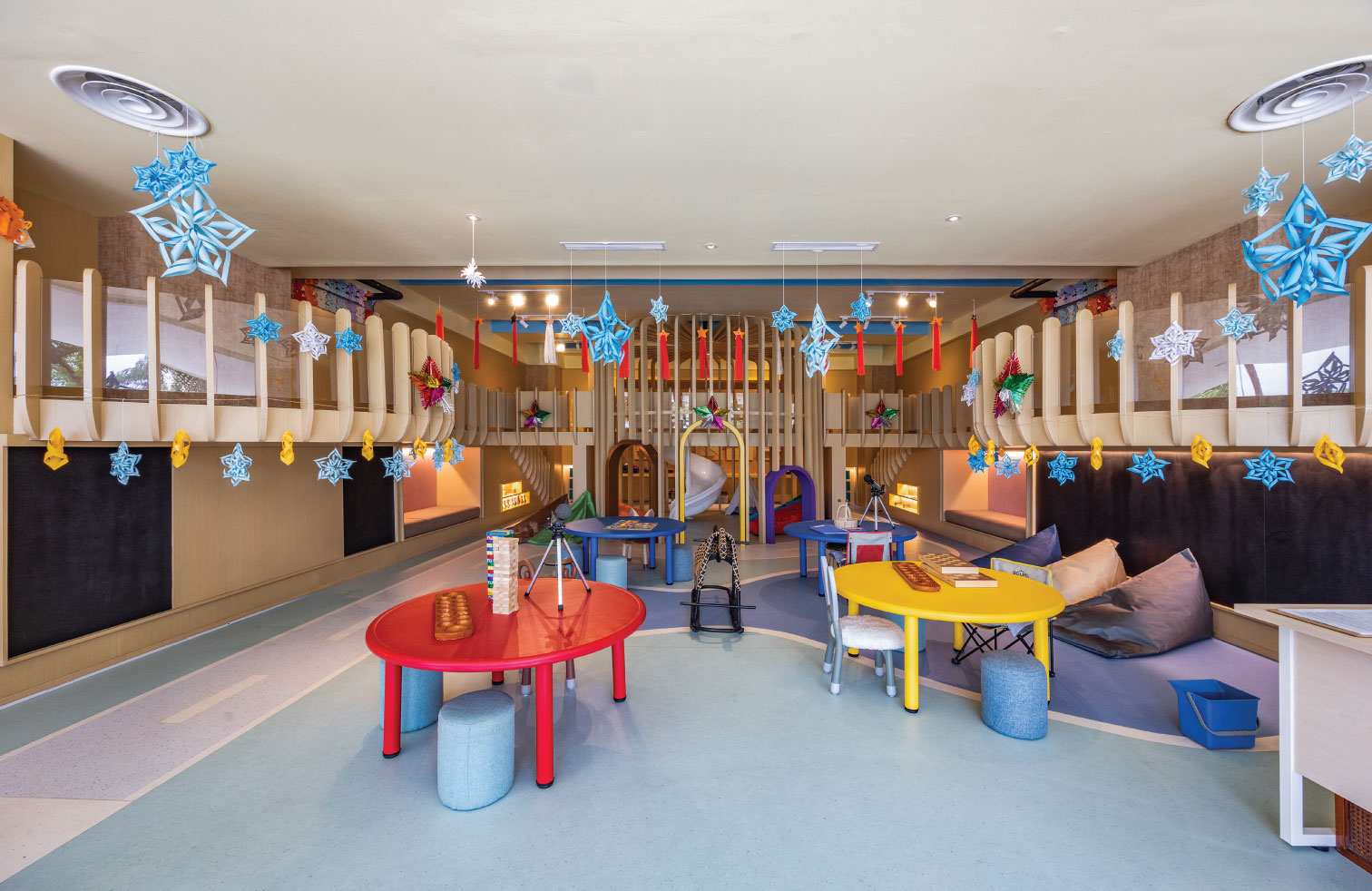
For families traveling, the Niskala Kids Club offers a vibrant space for young explorers. It offers a variety of educational activities that inspire creativity from 8:00 AM to 7:00 PM.
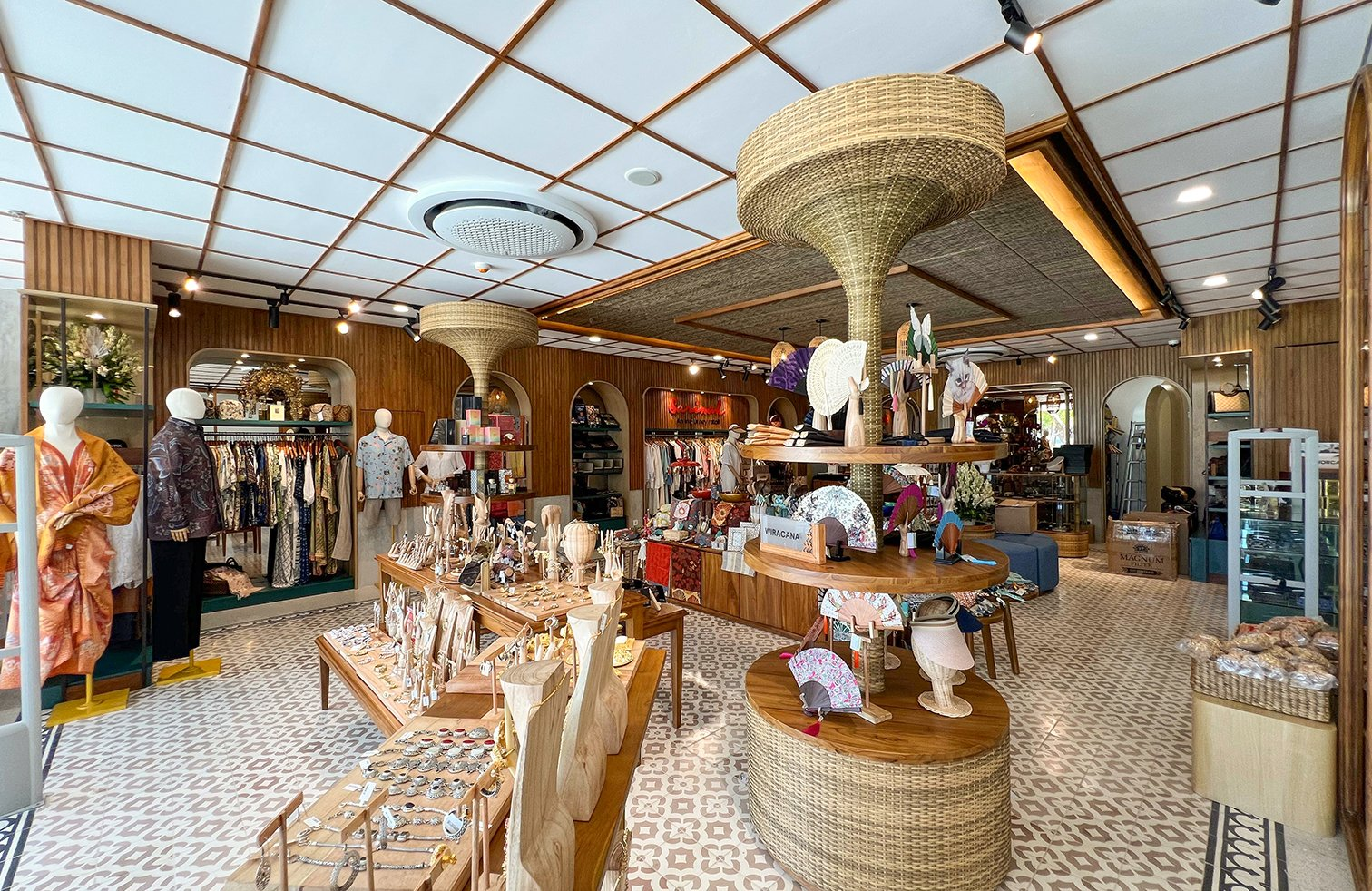
Before you leave, a visit to Sarinah is essential. This store showcases a curated selection of Indonesian textiles and craftsmanship (allowing you to take a piece of national heritage home).
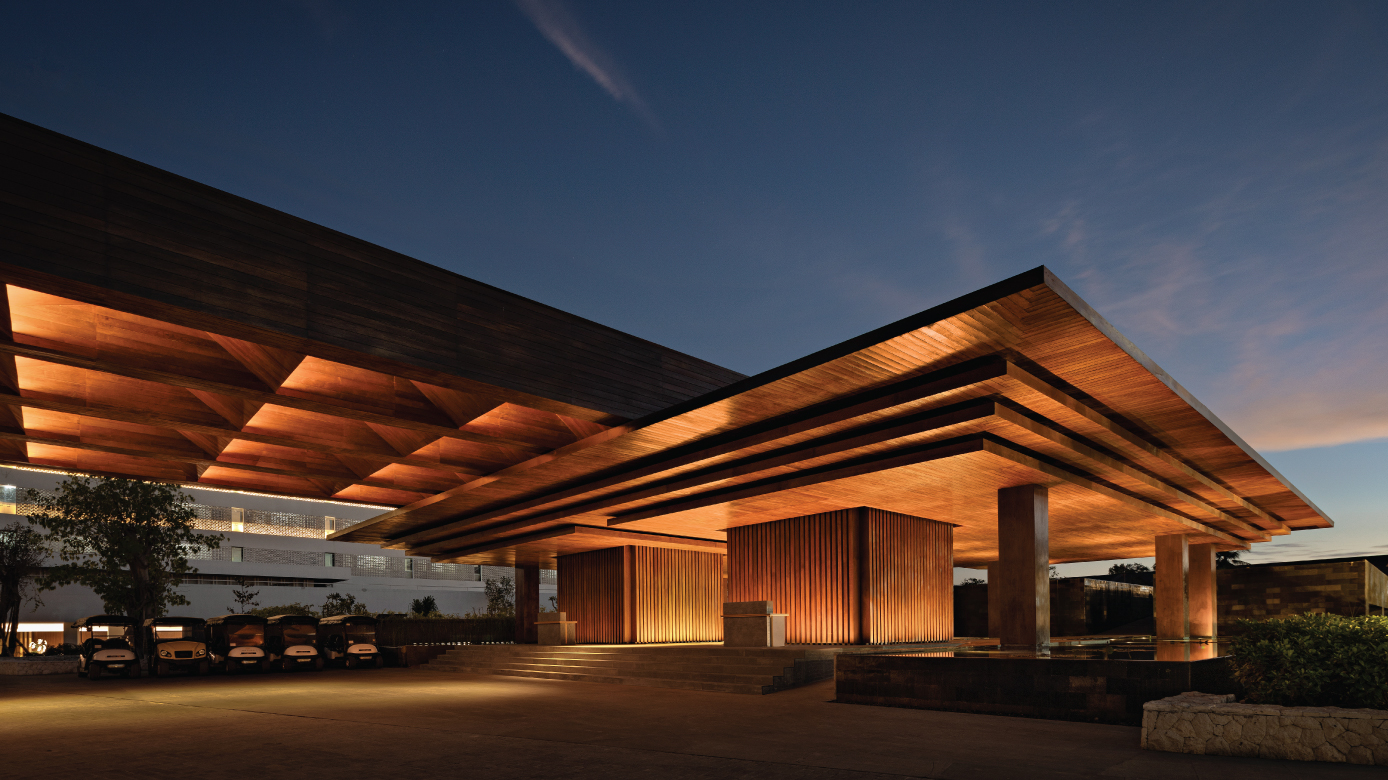
If you are looking for a more wellness-centered experience during your stay, its sister property (The Meru Sanur) is located just moments away. The Meru Sanur functions as a sanctuary for holistic transformation.
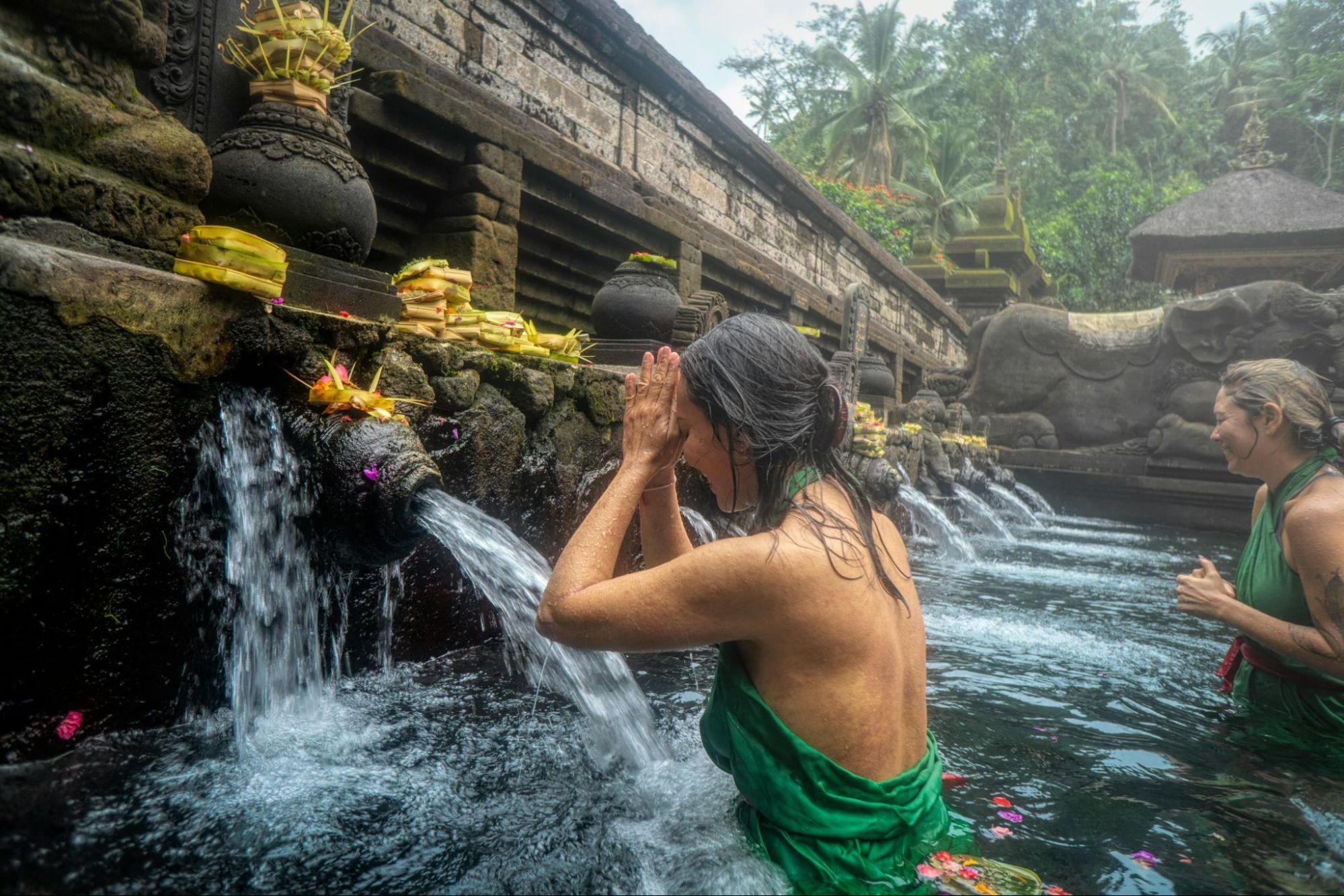
It is the perfect place to experience traditional Balinese purification rituals (such as Melukat) or to enjoy a serene wellness retreat in a refined coastal setting. By staying at this heritage complex, you are perfectly positioned to explore the rest of Bali while enjoying the quiet exclusivity of the sunrise coast.
Essential Tips for the Newbie Traveler in 2026
To make your journey even smoother, keep these practical points in mind as you plan your trip.
Transportation and Getting Around
The most efficient way to get around the island is by hiring a private driver for the day. This typically costs approximately $40 to $60 USD for a 10-hour day (including fuel and insurance).

For shorter trips within a neighborhood, you can use ride-hailing apps like Grab or Gojek. These apps are very reliable and offer fixed pricing (which avoids the need for negotiation). If you are renting a scooter, ensure you have an international driving permit and always wear a helmet.
Connectivity and Communication
In 2026, staying connected in Bali is easier than ever. You can purchase an e-SIM before you arrive (providers like Telkomsel or XL Axiata offer great coverage). This allows you to have data as soon as you land at Ngurah Rai International Airport.

Most luxury hotels, such as the Bali Beach Hotel, provide high-speed fiber-optic Wi-Fi throughout the property. This is essential for using maps to navigate or for booking your next day trip while lounging by the 57-meter pool.
Cultural Etiquette and Respect
Bali is a deeply spiritual island, and following local customs is essential. When you visit a temple, you must wear a sarong and a sash (these are usually available for rent at the entrance).
Always use your right hand when giving or receiving items (as the left hand is traditionally considered unclean). If you see a religious procession on the road, be patient and do not honk your horn. Showing respect to the local community will significantly enhance your experience and open doors to authentic interactions.
Conclusion
Hopefully, this article has given you the most comprehensive and detailed look at where to go in Bali as a newbie traveler in 2026. Understanding the distinct personalities of each area (from the vibrant south to the historic east) will help you be more confident in your planning. You can turn your trip into a truly free journey of discovery where you master every road and every sunrise.
To make your journey even more complete and comfortable, the Bali Beach Hotel in Sanur will be the ideal “home” welcoming you back after every trip. Book your room today to enjoy a grand heritage space by the beautiful Sanur Beach. Experience the thoughtful service and the largest pool on the Sunrise Coast. You will be perfectly positioned for the emotional roads ahead in Bali.
FAQs
Where is the best place to stay for first-timers in Bali?
Sanur is widely considered the best base for first-timers. It offers a refined atmosphere, calm beaches for swimming, and a central location that makes it easy to visit Ubud, the Nusa Islands, and the south.
Is it better to stay in one place or move around?
For a trip of 10 days or more, it is best to split your time between two locations. We recommend starting with five days in Sanur to explore the coast and islands, followed by five days in Ubud to experience the jungle and culture.
Is Sanur boring for young travelers?
Not at all. While it is quieter than Canggu, Sanur has a growing scene of beachfront lounges, boutique shops, and excellent restaurants. It provides a more “grown-up” version of luxury that many young professionals prefer.
Which area has the best beaches?
If you want calm water for swimming, Sanur and Nusa Dua are the best. If you want white sand and dramatic views, Uluwatu is the winner. If you want to surf, Canggu and Seminyak are the top choices.
Is Ubud worth visiting for just one day?
Ubud is worth seeing, but one day is barely enough to scratch the surface. If you are short on time, a day trip from Sanur can include the Monkey Forest and the Tegalalang Rice Terraces, but staying overnight lets you experience the morning mist and the quiet temple ceremonies.